

Inland Taipan
Oxyuranus microlepidotus
 #126 of 273
  Desert Assassin Least Concern
 Fight
FightPhoto: Ramit Singal · CC BY 4.0
The inland taipan is a slender 2-metre snake from the remote Australian outback whose venom is the most toxic of any snake in standard lab tests. It corners rats in burrows and bites several times in quick succession, hitting nerves, blood clotting and muscle at once. At under 2 kg with no armor it is physically fragile, and it is famously shy, so its danger is all in the bite.
 Attack67
  Defense16
  Agility70
  Stamina44
  Intelligence37
  Special96
 Detailed ratings
Research-backed ratings on one 0–100 scale for all 273 animals (updated 2026-09-28). How ratings work
Special abilities
Ability 1Paradoxin Venom CocktailThe venom combines the presynaptic neurotoxin paradoxin, diverse three-finger toxins and prothrombin activators, so one bite can attack neuromuscular signaling and blood clotting at the same time. Mouse assays rate it the most toxic snake venom measured, though real effect still depends on dose and target.
 Ability 2Burrow-Corner Multi-Bite
The snake corners rodents in burrows or soil cracks and bites several times in quick succession, stacking venom doses before the prey can escape or fight back.
Unique traits
 TraitSeasonal Colour Shift
The upper body darkens in winter and pales in summer, a documented seasonal change that helps the snake absorb heat in cold months and shed it in hot ones.
TraitPlacid "Fierce Snake"Despite its name and venom, the species is described by the Australian Museum as shy and placid, and very few people have ever been bitten by a wild one.
How it fights
Weapons
- The primary weapon is a fixed front-fanged elapid bite that injects one of the most potent snake venoms known in mouse assays. The venom attacks several body systems at once: presynaptic PLA2 neurotoxins such as paradoxin disrupt neuromuscular transmission, three-finger toxins add postsynaptic neurotoxic effects, and prothrombin activators drive consumptive coagulopathy. Clinical accounts describe rapid-onset systemic envenoming with coagulopathy, paralysis risk, muscle breakdown and possible kidney injury.
- The secondary weapon is delivery behavior. The Australian Museum reports that prey is usually cornered in a burrow or soil crack and bitten several times in quick succession, which raises the injected dose in a single engagement.
 Struggles vs
- Very low body mass and almost no structural protection.
- No crushing bite, constriction or large mechanical weapon.
- Venom needs penetration and time; it is not an instant stop.
- Ectothermic performance drops in cold conditions.
- Temperament favors avoidance, so it rarely presses a fight.
- Weight
- 1.8 kg4 lb
- Height
- No reliable measurement
- Length
- 1.9 m6.2 ft
- Top speed
- No reliable measurement
- Bite force
- No reliable measurement
- Lifespan
- 12 years
- Home biome
- Desert
- Lifestyle
- Mostly solitary
Rated specimen: Healthy representative adult, 1.8 kg and 190 cm total length, sex unspecified.
Fun facts
- It is often called the "fierce snake", yet the Australian Museum describes it as placid and shy.
- Its colour changes with the seasons: darker in winter, lighter in summer.
- Its venom has a mouse subcutaneous LD50 of about 0.025 mg/kg, the lowest figure usually cited for any snake.
- It bites cornered prey several times in quick succession instead of striking once and waiting.
- Only 2 of the 11 well-documented human envenomings reviewed in 2024 involved wild snakes.
- The largest reliably measured specimen in the literature was a female with a 170 cm snout-vent length.
Closest rivals by power. Tap one for the full breakdown, or pick any opponent.
vs Eastern Brown SnakeWins · 50% · Toss-up 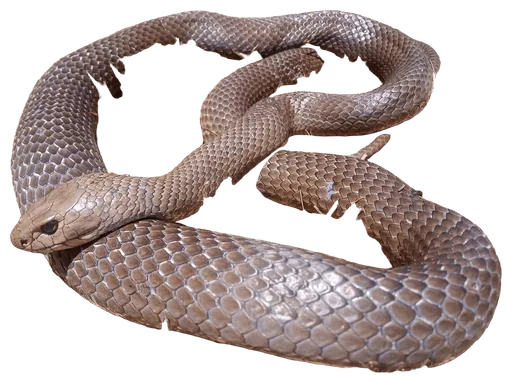 W vs Galapagos TortoiseLoses · 50% · Toss-up
 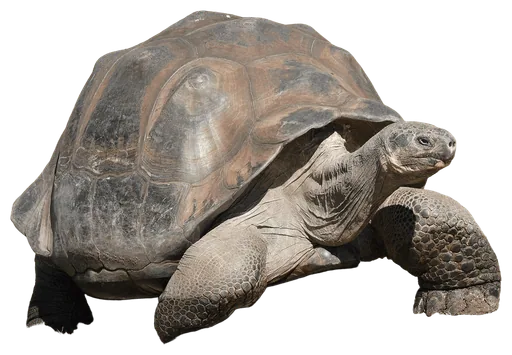 L vs Alligator Snapping TurtleWins · 51% · Toss-up
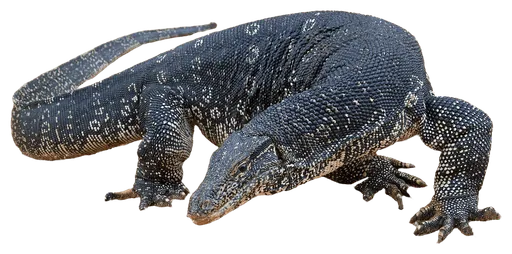
 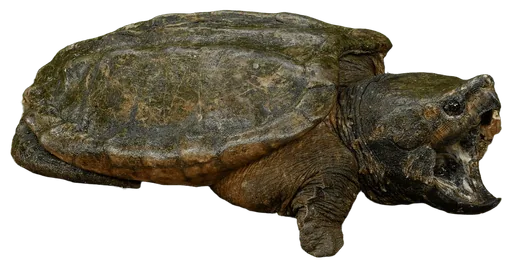 W vs Monitor LizardLoses · 51% · Toss-up
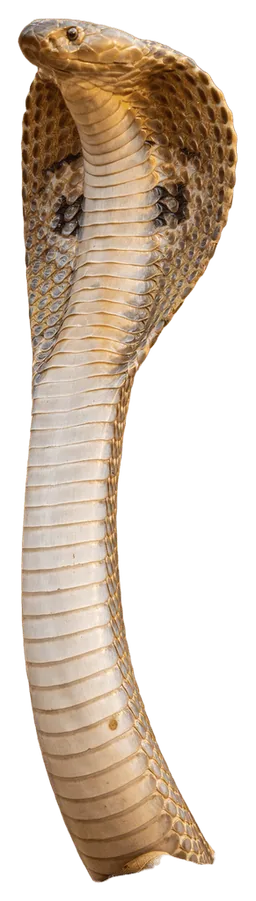
  L vs Indian CobraWins · 51% · Toss-up
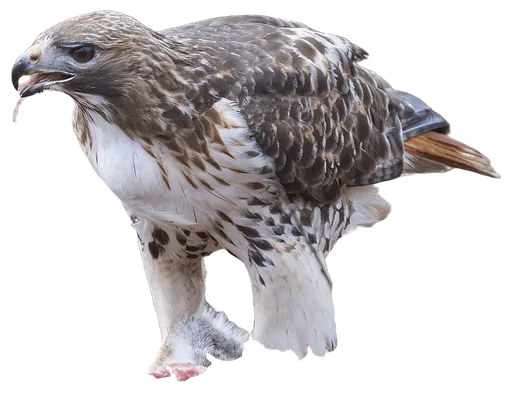
  W vs Red-tailed HawkWins · 50% · Toss-up
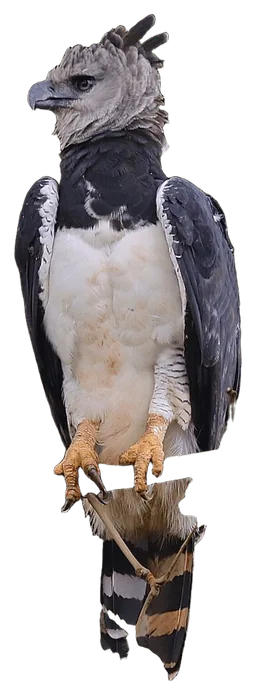
  W vs Harpy EagleLoses · 50% · Toss-up
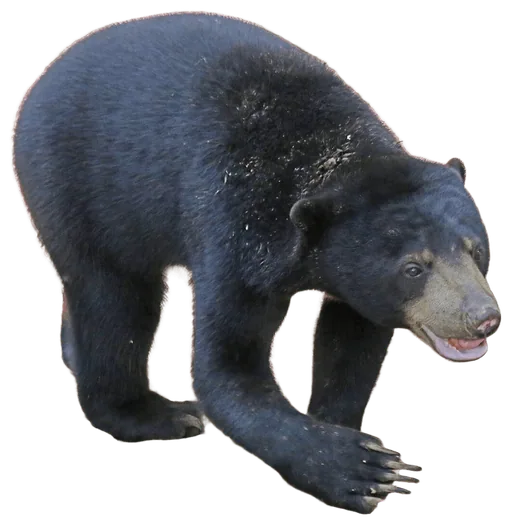
  L vs Sun BearLoses · 50% · Toss-up
  L
L  Pick any opponent
 Inland Taipan battle analysis
The inland taipan tests how far venom can carry a very small body on an absolute scale. A representative adult weighs under 2 kg and has no armor, no crushing jaws and no constriction. On raw power, protection and toughness it sits near the bottom of the vertebrate roster. What it has is a venom that laboratory assays rank above every other snake's, delivered by fixed front fangs in a burst of rapid bites.
That venom is not one toxin but a set of them. Paradoxin, a three-part PLA2 neurotoxin, disrupts the nerve signals that drive muscles. Three-finger toxins add further neurotoxic effects, and prothrombin activators push blood clotting into a runaway state that uses up clotting factors. Clinicians describe rapid coagulopathy, paralysis, muscle breakdown and kidney injury. In a matchup, a clean bite on an unarmored mammal changes everything even if the snake is a fraction of the opponent's size.
The limits are the same as for any venomous snake. It must reach the target and penetrate skin. Venom takes time, so a large animal that seizes or crushes the snake can still win. Thick armor or venom-resistant physiology can defeat the whole system. Its temperament also matters: this is a retiring snake that would rather slip into a soil crack than fight, which is why so few people have been bitten despite its reputation.
Its strongest ground is its home terrain: hot, cracking-clay plains full of fissures and burrows. There, its slender body can reach refuges that bigger animals cannot, and a confined space makes its repeated bites easy to land.
Habitat & range
The inland taipan lives in the semi-arid Channel Country of south-western Queensland and north-eastern South Australia, with records reported from adjacent parts of New South Wales and the Northern Territory. It uses cracking-clay and black-soil plains where deep fissures and animal burrows provide shelter from heat and predators. Its remote range is a main reason people rarely meet it.
Diet & hunting
It feeds almost entirely on small to medium mammals. The Australian Museum names the long-haired rat (Rattus villosissimus) as a key prey, plus the introduced house mouse and small dasyurid marsupials. Rodent numbers in the Channel Country rise and fall sharply with rainfall, and the snake's feeding and breeding track those boom-and-bust cycles.
Social life
Solitary outside breeding. No group behavior is known.
Conservation
Listed as Least Concern on the IUCN Red List. Its range is remote and sparsely settled, so direct persecution is limited, but it depends on intact rodent populations and cracking-soil habitat.
Quick answers
How strong is an Inland Taipan?
On the Animal Battle Stats scale, the Inland Taipan has an attack rating of 67 and a power index of 52.3 out of 100, which ranks it #126 of 273 animals and puts it in B tier (Strong). Its strongest stat is special (96).
How much does an Inland Taipan weigh?
A typical adult Inland Taipan weighs about 1.8 kg (4 lb). Rated specimen: healthy representative adult, 1.8 kg and 190 cm total length, sex unspecified.
How fast is an Inland Taipan?
There is no reliable measured top speed for the Inland Taipan, so we do not publish one. Its agility rating, which covers acceleration, reflexes and evasion, is 70 out of 100.
What does an Inland Taipan eat?
It feeds almost entirely on small to medium mammals. The Australian Museum names the long-haired rat (Rattus villosissimus) as a key prey, plus the introduced house mouse and small dasyurid marsupials. Rodent numbers in the Channel Country rise and fall sharply with rainfall, and the snake's feeding and breeding track those boom-and-bust cycles.
Is the Inland Taipan endangered?
No. The Inland Taipan is listed as Least Concern. Listed as Least Concern on the IUCN Red List. Its range is remote and sparsely settled, so direct persecution is limited, but it depends on intact rodent populations and cracking-soil habitat.
What animals can beat an Inland Taipan?
Among its closest rivals, the Galapagos Tortoise (50%), the Monitor Lizard (51%), the Harpy Eagle (50%), the Sun Bear (50%) would be favored against the Inland Taipan. It would be favored against the Eastern Brown Snake, the Alligator Snapping Turtle, the Indian Cobra, the Red-tailed Hawk.
Researched 2026-09-28. Ratings are editorial judgments built from these sources; measurements describe a healthy adult.
- Australian Museum, Inland Taipanlength, diet, hunting, colour change, temperament
- Billabong Sanctuary, Inland Taipantypical length, venom yield, captive lifespan
- A-Z Animals, Inland Taipanmouse LD50
- Toxicon, pharmacological studies of inland taipan venomvenom pharmacology
- Exploring the Venom Diversity of Australian Taipans (PMC)venom composition
- Venoms of related mammal-eating taipans and brown snakes (bioRxiv)PLA2 neurotoxins
- Insights into the subunit arrangement and diversity of paradoxin and taipoxin (Toxicon 2016)paradoxin structure
- The neuromuscular activity of paradoxin (ResearchGate record)neurotoxin mechanism
- Comparative study of juvenile and adult inland taipan venoms (Toxicon 1993)age variation
- Envenoming by a captive inland taipan: case report and review (PubMed 2024)human bite record
- Neurotoxicity after a wild inland taipan bite in outback South Australia (Toxicon 2017)clinical neurotoxicity
- Mirtschin et al. 1984, Medical Journal of Australiaearly bite record
- UC San Diego toxicology snakebite protocolclinical course
- University of Melbourne AVRU, Taipansgenus clinical context
- Reptile Database, Oxyuranus microlepidotustaxonomy
- Wikipedia, Inland taipanIUCN status, range
- Australian Geographic fact filehabitat and distribution
- Sydney Zoo, Inland Taipanmass range
- Fauna Resources species profilemass range
- Discover Wildlife, inland taipan factscaptive lifespan, clutch
Photo: “Oxyuranus microlepidotus in Queensland, Australia.jpg” by Ramit Singal, CC BY 4.0, background removed and cropped. Original
Suggest a correction