

Indian Rhinoceros
Rhinoceros unicornis
 #20 of 341
  Wetlands Tank Vulnerable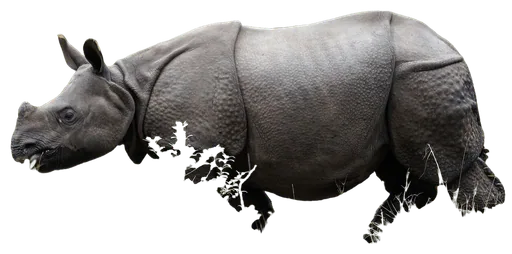
 Fight
FightPhoto: WOConservation · CC BY-SA 4.0
The Indian rhinoceros is a two-tonne floodplain giant wrapped in thick, deeply folded hide. Unlike African rhinos it fights mainly with sharp lower tusks rather than its single horn, and bull fights can be deadly, making it one of the roster's most heavily built and dangerous herbivores.
 Attack84
  Defense83
  Agility54
  Stamina70
  Intelligence50
  Special56
 Detailed ratings
Research-backed ratings on one 0–100 scale for all 341 animals (updated 2026-09-28). How ratings work
Special abilities
Ability 1Tusk SlashBulls fight mainly with the sharp lower incisor tusks, slashing deep wounds while the horn plays a secondary role; bull fights are the most common natural cause of death.
 Ability 2Floodplain Charge
A two-tonne rush from tall grass at up to 55 km/h for short bursts, backed by strong swimming that lets it use rivers and wallows as cover.
Unique traits
 TraitRiveted Hide
Deep skin folds and wart-like bumps give the look that the International Rhino Foundation likens to grey armor plates with rivets.
TraitComeback RhinoReduced to about 100 animals in the early 1900s and now over 4,000, one of Asia's major conservation recoveries.
How it fights
Weapons
- The Indian rhino fights differently from the African species. Its main weapons are the sharp lower incisor tusks, driven by a two-tonne body in slashing bites that open deep wounds. The single horn is shorter than an African rhino's front horn and is used less in fights. Charging, shoving and trampling add damage. Fights between dominant bulls are reported as the most common natural cause of death in the species, which shows how damaging the tusks are against an equally armored opponent.
 Struggles vs
- Poor eyesight.
- Thick hide is not true armor; flanks and belly can be wounded.
- Heat drives it into water and limits long exertion.
- Tusks require very close contact; the horn is short.
- Mass limits turning.
- Weight
- 2.1 t2.3 US tons
- Height
- 1.75 m5.7 ft
- Length
- 3.7 m12.1 ft
- Top speed
- 55 km/h34 mph
- Bite force
- No reliable measurement
- Lifespan
- 35 years
- Home biome
- Wetlands
- Lifestyle
- Mostly solitary
Rated specimen: Healthy mature bull of about 2,100 kg, 175 cm at the shoulder and 370 cm head-body length, with fully grown lower incisor tusks and neck folds.
Fun facts
- Indian rhinos fight mainly with their lower tusks, not their horn.
- The Asian rhinos are the only living rhinos with tusk-like incisors.
- They are excellent swimmers.
- Bulls can spray urine 3–4 m behind them when disturbed.
- Over 10 different calls have been recorded, from honks and bleats to roars and squeak-pants.
- The population rose from about 100 in the early 1900s to more than 4,000 today.
Closest rivals by power. Tap one for the full breakdown, or pick any opponent.
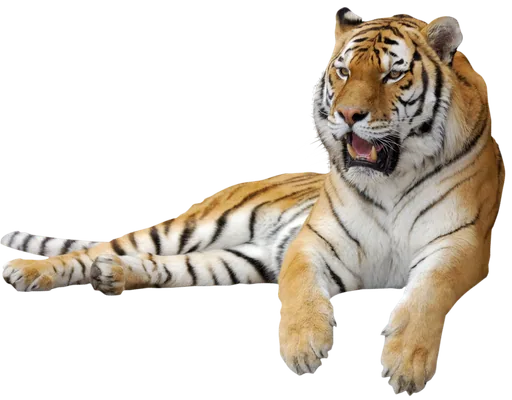
vs Bengal TigerWins · 50% · Toss-up 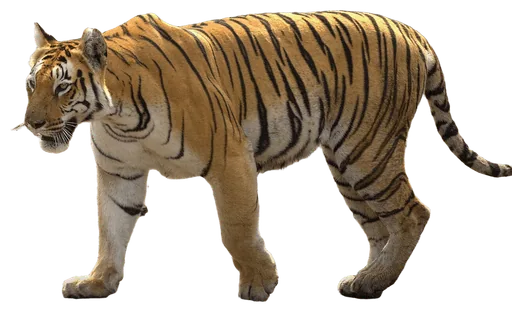 W vs Siberian TigerWins · 50% · Toss-up
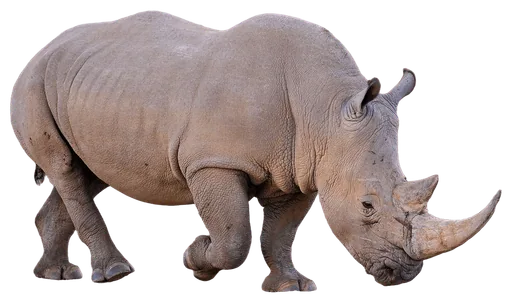
  W vs RhinocerosLoses · 51% · Toss-up
  L vs Fin WhaleLoses · 52% · Toss-up
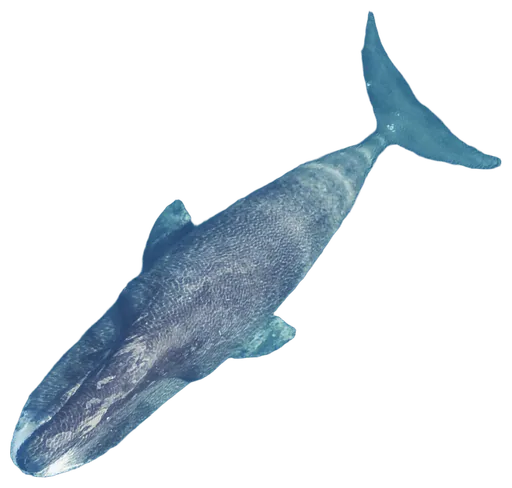
  L vs Bowhead WhaleLoses · 52% · Toss-up
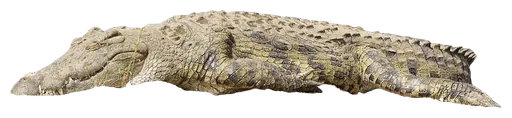
  L vs Nile CrocodileWins · 50% · Toss-up
  W vs False Killer WhaleLoses · 54% · Toss-up
  L vs Tiger SharkLoses · 51% · Toss-up
  L
L  Pick any opponent
 Indian Rhinoceros battle analysis
A prime Indian rhino bull looks like a tank built from grey leather: great folds of hide at the neck, shoulders and rump, studded with wart-like bumps, over roughly two tonnes of muscle and bone. A single horn rises from the snout, usually about 25 cm long. The real weapons are hidden until the mouth opens: sharp lower incisor tusks that bulls use to slash one another in fights that are reported as the leading natural cause of death in the species.
Most of the time Indian rhinos graze the tall grasses of the Brahmaputra and Terai floodplains, wallow in pools, swim rivers and keep to home ranges of a few square kilometres. They hear and smell well but see poorly, and a disturbed rhino either crashes away through the grass or charges. People living beside Nepal's parks lose crops and, every year, a few lives to rhinos.
On the ABS scale the Indian rhino sits beside the white rhinoceros at the top of the rhino group. The white rhino keeps a small edge in mass, raw power and horn reach, while the Indian rhino matches it in defense through its heavier folds and adds a slashing tusk system that no African rhino has. Both remain below the common hippopotamus in Attack, and far below elephants in size.
Habitat & range
Alluvial floodplain grasslands, swamps and adjoining riverine forest of the Brahmaputra basin and the Terai of northern India and southern Nepal, usually close to water. It survives in 12 protected areas, including Kaziranga, Orang, Pobitora, Manas, Jaldapara, Gorumara and Dudhwa in India and Chitwan, Bardia, Parsa and Shuklaphanta in Nepal.
Diet & hunting
Mainly a grazer of tall and short grasses, also eating twigs, leaves, shrubs, flowers, fruit and aquatic plants. By grazing and wallowing it keeps floodplain grasslands open. Mynahs and egrets feed on insects around it.
Social life
Largely solitary. Cows keep calves close for up to four years; subadults form stable groups; groups of up to 10 rhinos gather at wallows. Bulls hold overlapping home ranges of about 2–8 km² and become intolerant of rivals during breeding.
Conservation
Vulnerable on the IUCN Red List. From about 100 animals in the early 1900s and roughly 1,870–1,895 in the early 1990s, the population grew to an estimated 4,075 in March 2025 (3,323 in India and 752 in Nepal). More than 70% live in Kaziranga National Park, so a single disaster could hit most of the species. Poaching for horn remains the main threat, along with invasive plants, shrinking grasslands and silting wetlands.
Quick answers
How strong is an Indian Rhinoceros?
On the Animal Battle Stats scale, the Indian Rhinoceros has an attack rating of 84 and a power index of 71.8 out of 100, which ranks it #20 of 341 animals and puts it in A tier (Elite). Its strongest stat is attack (84).
How much does an Indian Rhinoceros weigh?
A typical adult Indian Rhinoceros weighs about 2.1 t (2.3 US tons). Rated specimen: healthy mature bull of about 2,100 kg, 175 cm at the shoulder and 370 cm head-body length, with fully grown lower incisor tusks and neck folds.
How fast is an Indian Rhinoceros?
The Indian Rhinoceros's top speed is about 55 km/h (34 mph). Its agility rating is 54 out of 100.
What does an Indian Rhinoceros eat?
Mainly a grazer of tall and short grasses, also eating twigs, leaves, shrubs, flowers, fruit and aquatic plants. By grazing and wallowing it keeps floodplain grasslands open. Mynahs and egrets feed on insects around it.
Is the Indian Rhinoceros endangered?
The Indian Rhinoceros's conservation status is Vulnerable. Vulnerable on the IUCN Red List. From about 100 animals in the early 1900s and roughly 1,870–1,895 in the early 1990s, the population grew to an estimated 4,075 in March 2025 (3,323 in India and 752 in Nepal). More than 70% live in Kaziranga National Park, so a single disaster could hit most of the species. Poaching for horn remains the main threat, along with invasive plants, shrinking grasslands
What animals can beat an Indian Rhinoceros?
Among its closest rivals, the Rhinoceros (51%), the Fin Whale (52%), the Bowhead Whale (52%), the False Killer Whale (54%), the Tiger Shark (51%) would be favored against the Indian Rhinoceros. It would be favored against the Bengal Tiger, the Siberian Tiger, the Nile Crocodile.
Researched 2026-09-28. Ratings are editorial judgments built from these sources; measurements describe a healthy adult male.
- Wikipedia, Indian rhinocerossize, speed, fighting, tusks, population, predators
- Animal Diversity Web, Rhinoceros unicornismass, dimensions, lifespan, home range, middens
- International Rhino Foundation, Greater one-horned rhinosize, horn, population, skin
- Zoo Biology body-mass review (2025/26)mass evidence quality, dimorphism
- Anthropogenic mortality and conflict in Nepal, Ecology and Evolution 2022danger to humans
- Taxonomic review of Rhinoceros, ZooKeys 2025tusks
- Human-wildlife conflict in Bardia-Banke, Ecology and Evolution 2024human attacks
- Kaziranga alert-distance study, Scientific Reports 2025senses
- Indian rhino interbirth intervals, Current Zoology 2017calf survival
- The Tribune, Tigers kill rhino in Dudhwapredation on adults
Photo: “Greater one-horned rhino.jpg” by WOConservation, CC BY-SA 4.0, background removed and cropped. Original
Suggest a correction