

Indian Cobra
Naja naja
 #136 of 273
  Jungle Venomous Hunter Least Concern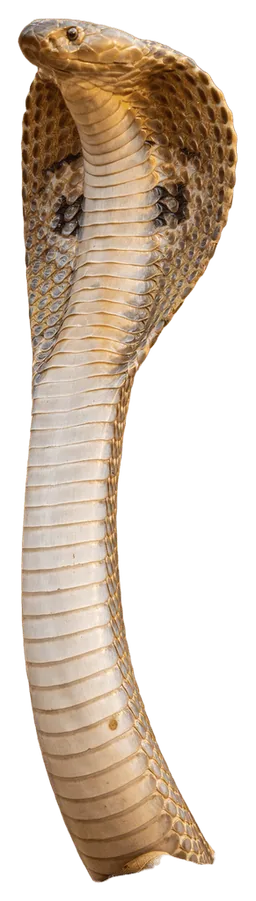
 Fight
FightPhoto: Drishtant Bidari · CC BY-SA 4.0
The Indian cobra is the spectacled cobra of South Asia, famous for its hooded threat display and its neurotoxic venom. At around 1.5 m and 2 kg it is small and unarmored, but its bite blocks the nerve signals to muscles and can stop breathing. It thrives around farms and villages hunting rats, which makes it one of the snakes behind most of India's snakebites.
 Attack57
  Defense22
  Agility71
  Stamina47
  Intelligence42
  Special92
 Detailed ratings
Research-backed ratings on one 0–100 scale for all 273 animals (updated 2026-09-28). How ratings work
Special abilities
Ability 1Receptor-Blocking VenomΑ-neurotoxins in a three-finger-toxin-rich venom block the acetylcholine receptors of muscle, causing paralysis that can stop breathing. They are only a few percent of the venom but are its paralysis-causing core.
 Ability 2Spectacled Hood Display
The cobra rears, spreads its hood and shows the spectacle mark, warning threats away and striking downward from the raised position if the warning fails.
Unique traits
 TraitEgg-Guarding Mother
Females lay about 12–20 eggs in a hollow tree or in the earth and guard them through incubation, leaving only to feed, until they hatch after roughly 50 days.
TraitVillage-Edge Rat HunterThe cobra thrives in cultivated land and around villages where rats are common, which makes it both a pest controller and one of the "Big Four" snakes behind most snakebites in India.
How it fights
Weapons
- The main weapon is a front-fanged bite delivering venom dominated by three-finger toxins. Postsynaptic α-neurotoxins block the acetylcholine receptors of muscle, producing paralysis that can reach the breathing muscles. PLA2 enzymes and other components add further effects. The secondary weapon is the hood display: the cobra raises its forebody and spreads its neck ribs into a hood marked with the spectacle pattern, which warns off threats and gives an elevated platform for striking.
 Struggles vs
- Low body mass and no armor.
- Short fangs and delayed venom action against large opponents.
- Its paralysis-causing toxins are a small share of the venom, so dose matters.
- Mongooses have receptors that α-neurotoxins bind poorly, blunting its main weapon.
- King cobras prey on Indian cobras.
- Weight
- 2 kg4 lb
- Height
- No reliable measurement
- Length
- 1.5 m4.9 ft
- Top speed
- No reliable measurement
- Bite force
- No reliable measurement
- Lifespan
- 24 years
- Home biome
- Jungle
- Lifestyle
- Mostly solitary
Rated specimen: Healthy representative adult, 2.0 kg and 150 cm total length, sex unspecified.
Fun facts
- The spectacle-shaped mark on the back of the hood gives the species its other name, the spectacled cobra.
- Its paralysis-causing neurotoxins make up only about 1% and 3% of the venom, yet they are the only components found to cause neuromuscular paralysis.
- Venom from different parts of India can differ so much that the same antivenom neutralizes some samples far better than others.
- A female guards her eggs for the whole incubation, leaving only to feed.
- Mongooses resist cobra neurotoxins because the toxins bind poorly to their muscle receptors.
- It is one of India's "Big Four" snakes, together with the common krait, Russell's viper and saw-scaled viper.
Closest rivals by power. Tap one for the full breakdown, or pick any opponent.
vs Alligator Snapping TurtleLoses · 50% · Toss-up 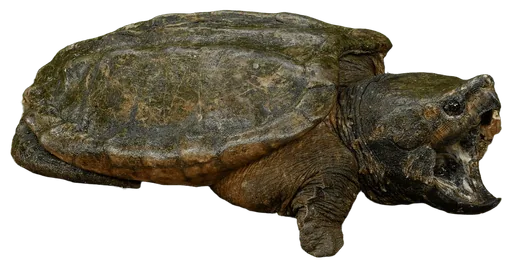 L vs Eastern Brown SnakeLoses · 51% · Toss-up
 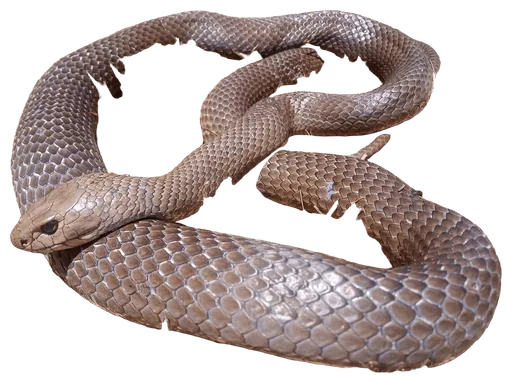 L vs Inland TaipanLoses · 51% · Toss-up
  L vs Galapagos TortoiseLoses · 52% · Toss-up
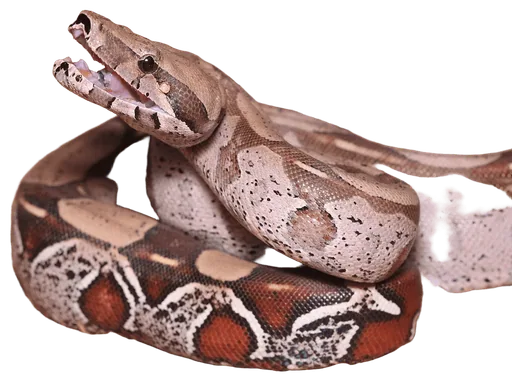
 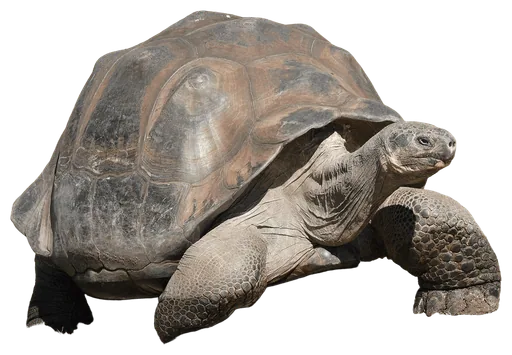 L vs Boa ConstrictorWins · 52% · Toss-up
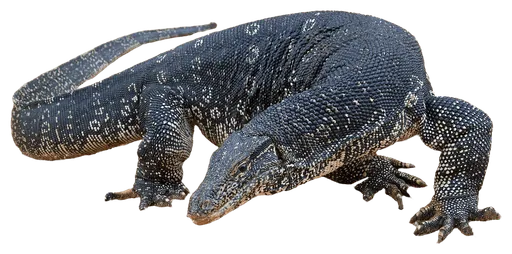
  W vs Monitor LizardLoses · 52% · Toss-up
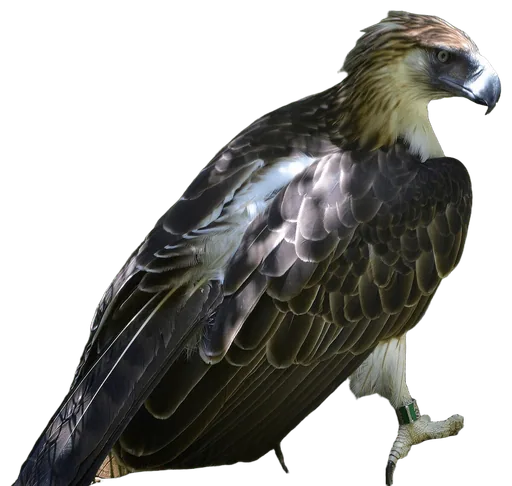
  L vs Philippine EagleLoses · 50% · Toss-up
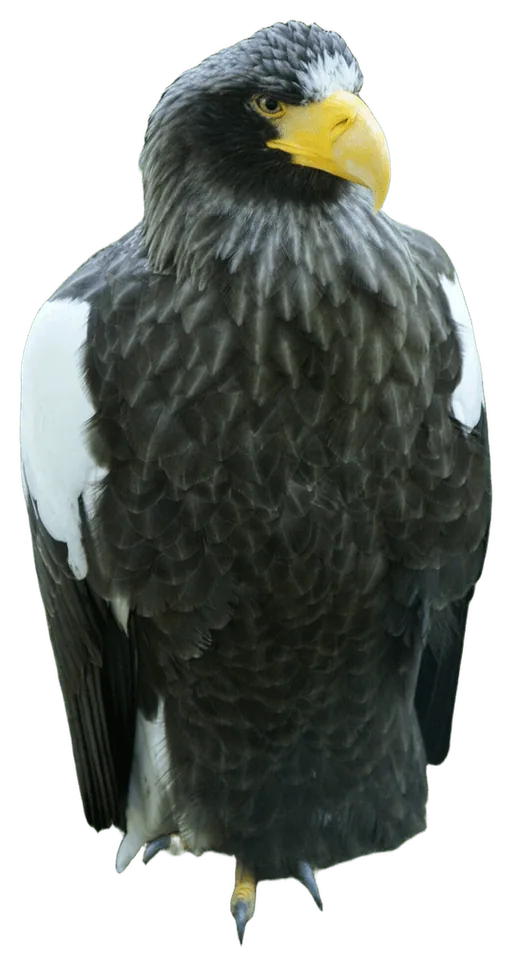
  L vs Steller's Sea EagleLoses · 50% · Toss-up
  L
L  Pick any opponent
 Indian Cobra battle analysis
The Indian cobra's reputation is built on a single, well-known image: a snake rising from the ground with its hood spread and the spectacle mark showing. That display is a real combat tool. It warns animals and people away before any contact, and if the warning fails the cobra strikes forward and down from its raised posture.
Behind the display is a venom dominated by three-finger toxins. The paralysis comes from a small fraction of them, α-neurotoxins that jam the receptors muscles use to receive nerve signals. PLA2 enzymes and other proteins add more effects, and the exact recipe changes from one region of India to another, sometimes enough to weaken antivenom treatment. For a matchup, the key point is simple: a clean bite on an unarmored animal can paralyze something far larger than the cobra.
On the absolute scale the cobra's limits are just as clear. A 2 kg snake has little strength and no armor, its fangs are short, and venom takes time. A heavy animal that crushes it fast, a raptor that strikes from above, or a mongoose whose receptors resist α-neurotoxins can beat it. Bigger snake-eaters such as the king cobra hunt it.
Its success comes from living where the food is. Farmland and village edges are full of rats, and the cobra follows them, which is also why people meet it so often. That closeness to people explains both its cultural fame and its large share of snakebite cases.
Habitat & range
The Indian cobra is found across the Indian subcontinent, including India, Sri Lanka and neighboring countries. Animal Diversity Web and other sources describe it in wild forest and cultivated land, with records from grassland, scrub, savanna-like country, mangroves and rainforest. It is common near villages and farmland.
Diet & hunting
It feeds mainly on rodents such as the black rat, and also takes frogs, birds, lizards and other snakes. As a rat predator in farmland it plays a real role in controlling crop and grain pests. It is itself eaten by king cobras and hunted by mongooses.
Social life
Solitary outside breeding.
Conservation
Listed as Least Concern by the IUCN. It remains widespread, though it is killed in large numbers when found near homes and is still used by snake charmers in some areas.
Quick answers
How strong is an Indian Cobra?
On the Animal Battle Stats scale, the Indian Cobra has an attack rating of 57 and a power index of 51.5 out of 100, which ranks it #136 of 273 animals and puts it in C tier (Capable). Its strongest stat is special (92).
How much does an Indian Cobra weigh?
A typical adult Indian Cobra weighs about 2 kg (4 lb). Rated specimen: healthy representative adult, 2.0 kg and 150 cm total length, sex unspecified.
How fast is an Indian Cobra?
There is no reliable measured top speed for the Indian Cobra, so we do not publish one. Its agility rating, which covers acceleration, reflexes and evasion, is 71 out of 100.
What does an Indian Cobra eat?
It feeds mainly on rodents such as the black rat, and also takes frogs, birds, lizards and other snakes. As a rat predator in farmland it plays a real role in controlling crop and grain pests. It is itself eaten by king cobras and hunted by mongooses.
Is the Indian Cobra endangered?
No. The Indian Cobra is listed as Least Concern. Listed as Least Concern by the IUCN. It remains widespread, though it is killed in large numbers when found near homes and is still used by snake charmers in some areas.
What animals can beat an Indian Cobra?
Among its closest rivals, the Alligator Snapping Turtle (50%), the Eastern Brown Snake (51%), the Inland Taipan (51%), the Galapagos Tortoise (52%), the Monitor Lizard (52%), the Philippine Eagle (50%), the Steller's Sea Eagle (50%) would be favored against the Indian Cobra. It would be favored against the Boa Constrictor.
Researched 2026-09-28. Ratings are editorial judgments built from these sources; measurements describe a healthy adult.
- Animal Diversity Web, Naja najahabitat, diet, reproduction, markings
- Britannica, Indian cobralength, hood mark, diet, snake charmers
- Britannica, Cobragenus context
- Senji Laxme et al. 2021, PLOS NTDregional venom variation, antivenom efficacy
- Same study, PMChuman burden
- Multilevel Comparison of Indian Naja Venoms (Toxins 2023)venom composition
- Eastern India N. naja venom proteome (PubMed)venom composition
- Two postsynaptic neurotoxins from Indian cobra venom (PMC 2022)neurotoxin mechanism
- Indian cobra reference genome and transcriptome (PMC)venom genes
- Trends in snakebite deaths in India 2000–2019 (eLife)human impact
- Cross-sectional survey of snakebite in India (Nature Communications 2025)human impact
- Venomics and antivenomics of N. naja from the Western Ghatsregional venom
- Proteomic comparison of Indian cobra and common krait venoms (Toxicon 2017)Big Four context
- Sri Lankan spectacled cobra venom (PMC)Sri Lankan population
- Toxins 2020, molecular resistance to snake α-neurotoxins (MDPI)mongoose matchup
- Wikipedia, Indian cobraIUCN status, habitat list
- Dimensions.com, Indian cobramass, lifespan claims
- Commons, Naja naja (Indian cobra)image candidate
Photo: “Graceful and dangerous.jpg” by Drishtant Bidari, CC BY-SA 4.0, background removed and cropped. Original
Suggest a correction