
Iguana
Iguana iguanaC tier · Capable30th of 39 reptiles
Size & speed

- Weight
- 7 kg15 lb
- Length
- 1.75 m5.7 ft
As heavy as 1.6 house cats
Heavier than 41% of animalsAbout as long as a person is tall
Bigger than 68% of animalsA large arboreal lizard of tropical America, the green iguana combines a long whip-like tail, sharp teeth and claws with unusually versatile escape biology. A mature male can approach 7–8 kg and well over 1.5 m total length, but much of that length is tail. Its strongest ABS advantages are maneuverability, intimidation, tail autotomy and the ability to move between canopy, ground and water, not heavyweight physical power.
Detailed ratings
Research-backed ratings on one 0–100 scale for all 344 animals (updated 2026-09-27). How ratings work


Card No. 260 of 344. Every animal on Animal Battle Stats has one: its power, tier and archetype on the front; its six battle stats, abilities and signature move on the back.
Special abilities
If seized by the tail, a green iguana can autotomize it and later regenerate a replacement, converting a vulnerable appendage into an escape mechanism rather than instant healing.
Arboreal climbing, tolerance of substantial drops and strong tail-driven swimming let the iguana shift rapidly between tree, ground and water escape routes.
Unique traits
A muscular tail making up roughly half the animal's total length gives a relatively small lizard unusually long defensive striking reach.
Mature males combine enlarged dewlap, jowls, dorsal crest, head-bobbing and body inflation into a visual assessment and intimidation system before physical escalation.
How it fights
Weapons
- A cornered green iguana can lash laterally with its long muscular tail, bite with sharp teeth, and scratch with claws. The tail gives unusually long defensive reach for a 7 kg lizard, but its absolute impact remains far below the force of large mammalian horns, hooves or jaws. The bite can cut tissue but should not be inflated from uncited PSI claims.
Struggles vs
- Ectothermic performance falls sharply when cold.
- No heavy armor.
- Tail and bite are dangerous at its size but low in absolute roster-wide power.
- Primarily defensive rather than predatory combat behavior.
- Confined quarters reduce the tail's reach and escape options.
- Weight
- 7 kg15 lb
- Height
- No reliable measurement
- Length
- 1.75 m5.7 ft
- Top speed
- No reliable measurement
- Bite force
- No reliable measurement
- Lifespan
- 20 years
- Home biome
- Jungle
- Lifestyle
- Social
Rated specimen: Healthy fully mature adult male, 7.0 kg, approximately 175.0 cm total length.
Fun facts
- Green iguanas can reach about 2 m total length, much of it tail.
- Mature males can reach roughly 7–8 kg, more than twice the typical upper mass cited by FWC for females.
- They are capable swimmers that can propel themselves mainly with the tail.
- A threatened iguana may escape from a tree by dropping toward water rather than fighting.
- The parietal eye is not a normal image-forming eye; it is especially relevant to light and overhead-shadow detection.
- Florida classifies the species as invasive and prohibited, and a 2026 cold event enabled removal of thousands of individuals.
Closest rivals by power. Tap one for the full breakdown, or pick any opponent.
vs GeckoWins · 69% · Slight edge  W vs House CatWins · 52% · Toss-up
 W vs CrowWins · 65% · Slight edge
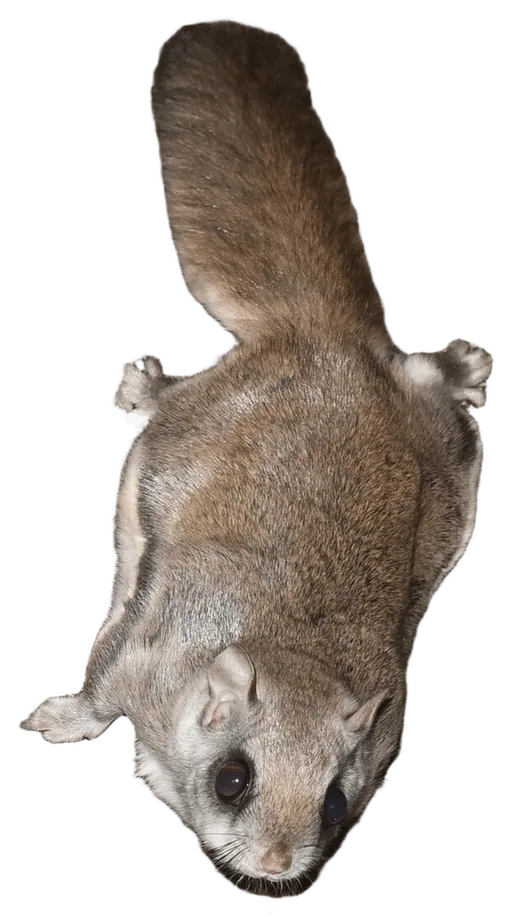
 W vs Flying SquirrelWins · 71% · Clear edge
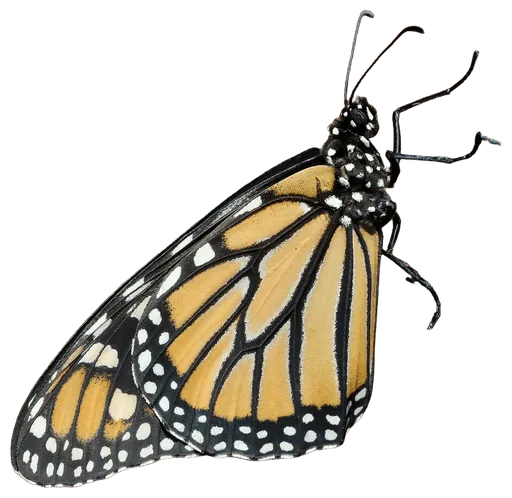
 W vs Monarch ButterflyWins · 90% · Decisive
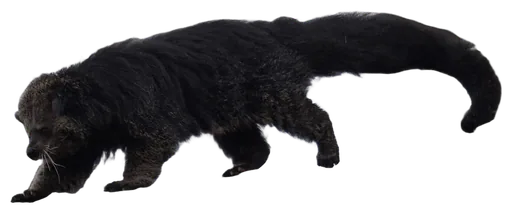
 W vs BinturongLoses · 54% · Toss-up
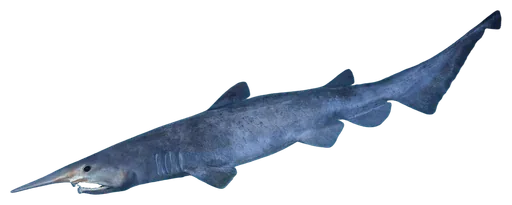
 L vs Goblin SharkLoses · 68% · Slight edge
 L vs Common Death AdderWins · 63% · Slight edge
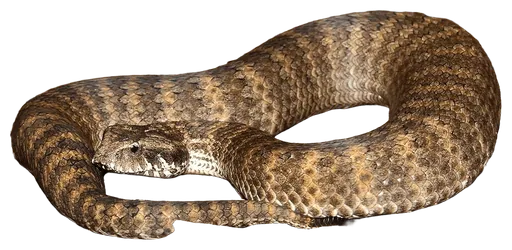 W
Iguana battle analysis
The green iguana looks larger than its mass because so much of its silhouette is tail, crest and display structure. That geometry matters in a fight. The tail gives reach and can be lashed at an approaching threat, while sharp teeth and claws punish an opponent that closes distance. Yet a healthy iguana's preferred strategy is often not to stand and trade blows. It climbs, drops, runs or dives, exploiting a tropical environment that offers vertical and aquatic exits.
Mature males add a social combat layer. Enlarged dewlaps, jowls, crests and head-bob displays advertise before contact, allowing rivals to assess one another. If escalation continues, biting and physical struggle become possible. The species therefore deserves more tactical and special credit than its small absolute mass alone suggests, while still remaining far below serious mammalian predators in Raw Power, Attack and Defense.
Habitat & range
Green iguanas are native to tropical parts of the Americas, with arboreal populations strongly associated with forest and waterside habitat. They have also established invasive populations outside the native range, notably in Florida. FWC documents established populations across multiple south Florida counties and describes canals as important dispersal corridors.
Diet & hunting
They are primarily herbivorous, consuming leaves, flowers and fruit. Their plant diet and arboreal habits make them browsers in tropical vegetation. Opportunistic animal material is reported occasionally, but it should not be used to portray the species as a routine predator.
Social life
Adults are not cooperative pack fighters. Males are territorial and communicate through posture, head bobs and dewlap displays. Reproductive competition is a major context for male aggression.
Conservation
The green iguana is globally widespread, heavily represented in the pet trade, and invasive in several introduced regions. In Florida it is a Prohibited species because of ecological and infrastructure impacts. FWC reports burrowing damage to sidewalks, seawalls, foundations and canal banks. In February 2026, FWC reported 5,195 invasive green iguanas removed during a cold-weather control operation.
Quick answers
How strong is an Iguana?
On the Animal Battle Stats scale, the Iguana has an attack rating of 27 and a power index of 42 out of 100, which ranks it #260 of 344 animals and puts it in C tier (Capable). Its strongest stat is special (70).
How much does an Iguana weigh?
A typical adult Iguana weighs about 7 kg (15 lb). Rated specimen: healthy fully mature adult male, 7.0 kg, approximately 175.0 cm total length.
How fast is an Iguana?
There is no reliable measured top speed for the Iguana, so we do not publish one. Its agility rating, which covers acceleration, reflexes and evasion, is 66 out of 100.
What does an Iguana eat?
They are primarily herbivorous, consuming leaves, flowers and fruit. Their plant diet and arboreal habits make them browsers in tropical vegetation. Opportunistic animal material is reported occasionally, but it should not be used to portray the species as a routine predator.
What animals can beat an Iguana?
Among its closest rivals, the Binturong (54%), the Goblin Shark (68%) would be favored against the Iguana. It would be favored against the Gecko, the House Cat, the Crow, the Flying Squirrel, the Monarch Butterfly, the Common Death Adder.
Researched 2026-09-27. Ratings are editorial judgments built from these sources; measurements describe a healthy adult male.
- Animal Diversity Web, Iguana iguanataxonomy, mass, length, dimorphism, dewlap, parietal eye
- Florida Fish and Wildlife Conservation Commission, Green Iguanasex-specific size, invasive ecology, reproduction, morphology
- National Geographic, Green Iguanalifespan, length/mass context, diet, swimming, tail weapon, autotomy
- FWC, 2025 prohibited-reptile ruleFlorida regulatory context
- FWC, Feb. 4 2026 removal reportcurrent human interaction/invasive management
- Wikimedia Commons, Iguana iguana (male resting)image candidate
- Wikimedia Commons, Male Green Iguana Belizeimage alternative
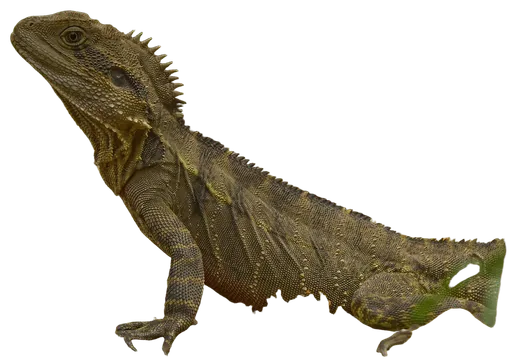
Photo: “Intellagama Lesueurii andrewmercer img30828.jpg” by Andrew Mercer (www.baldwhiteguy.co.nz), CC BY-SA 4.0, background removed and cropped. Original
Suggest a correction