
Ibex
Capra ibexB tier · Strong72nd of 163 mammals
Size & speed

- Weight
- 100 kg220 lb
- Length
- 1.6 m5.2 ft
About as heavy as a person
Heavier than 71% of animalsAbout as long as a person is tall
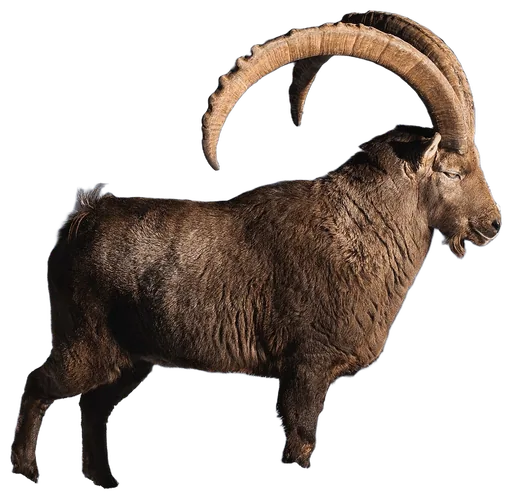
Bigger than 64% of animalsA heavily armed mountain goat of the European Alps, the Alpine ibex combines a roughly 100 kg mature male body with near-metre permanent horns and exceptional control on steep rock. Its combat system centers on ritualized assessment, frontal horn clashes, butts and downward thrusts, while cliff terrain provides its strongest defensive advantage. It is formidable among medium-large herbivores but should not be inflated into large-predator or megafauna tiers simply because its climbing and horn fights are spectacular.
Detailed ratings
Research-backed ratings on one 0–100 scale for all 344 animals (updated 2026-09-27). How ratings work


Card No. 112 of 344. Every animal on Animal Battle Stats has one: its power, tier and archetype on the front; its six battle stats, abilities and signature move on the back.
Special abilities
Specialized mountain footing and balance let the ibex hold, traverse and reposition on steep rocky surfaces that sharply constrain many heavier opponents.
Large permanent horns support frontal clashes, blunt butts, hooking, leverage and downward thrusts, giving a mature male several mechanically distinct ways to control close combat.
Unique traits
Male social rank is tied to remembered encounters and, in large/mobile populations, horn length, making the weapon itself part of pre-contact opponent assessment.
Males continue toward maximum body size into roughly the 8.5–10.5-year range, producing extreme adult sexual dimorphism compared with females.
How it fights
Weapons
- The mature male's horns dominate its fighting system. Mammalian Species describes direct aggression as horn butts or tip contact, rearing onto the hind legs followed by a downward horn thrust, and synchronized clashes. Equal-ranking males can also run shoulder-to-shoulder. The weapon therefore works as a blunt impact structure, hook/lever, display signal, and close-range control surface.
- Unlike a carnivore, an ibex does not have a killing bite or claws designed for prey capture. Its offensive ceiling is consequently limited despite a dangerous 100 kg body and long horns.
Struggles vs
- No penetrating carnivore bite or cutting claws.
- Horn attacks require orientation and useful spacing.
- Large horns and body are optimized for terrestrial mountain movement, not confined spaces.
- Much of its exceptional evasiveness is terrain-dependent.
- Defense is robust but unarmored; a large predator that secures the neck/flank can inflict serious trauma.
- Weight
- 100 kg220 lb
- Height
- 95 cm37.4 in
- Length
- 1.6 m5.2 ft
- Top speed
- No reliable measurement
- Bite force
- No reliable measurement
- Lifespan
- 16 years
- Home biome
- Mountains
- Lifestyle
- Social
Rated specimen: Healthy, fully mature adult male, approximately 100.0 kg, 95.0 cm shoulder height, 160.0 cm head-body length, with large permanent horns.
Fun facts
- A 2018 study compiled 44,088 annual horn-growth measurements from 8,355 male Alpine ibex, an unusually large long-term morphological dataset.
- Male horns can reach roughly one metre, while female horns are dramatically smaller.
- Male body size can continue increasing until roughly a decade of age.
- Mature males may lose around 20% of body mass in winter, showing why a single body-weight number needs seasonal context.
- Male contests include both ritualized displays and spectacular synchronized horn clashes.
- In cohesive groups, males can use memory of previous encounters to maintain a linear dominance hierarchy.
Closest rivals by power. Tap one for the full breakdown, or pick any opponent.
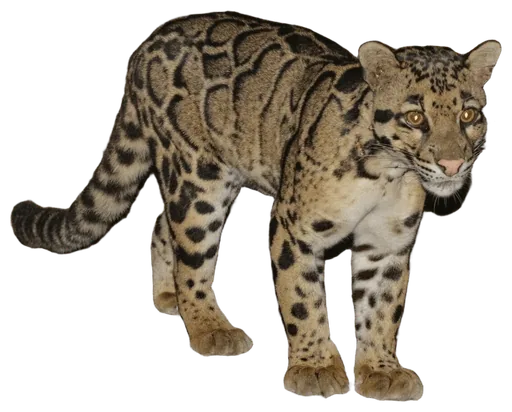
vs Honey BadgerWins · 61% · Slight edge 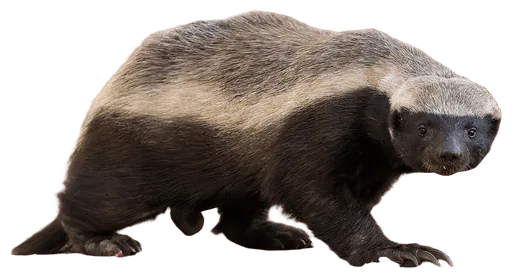 W vs Clouded LeopardWins · 58% · Slight edge
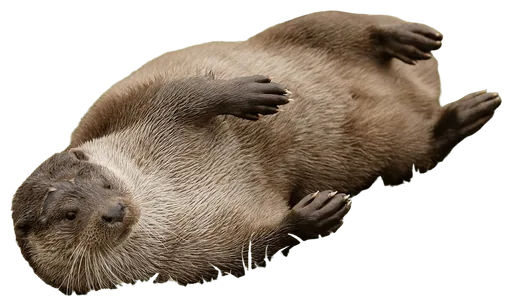
 W vs OtterWins · 62% · Slight edge
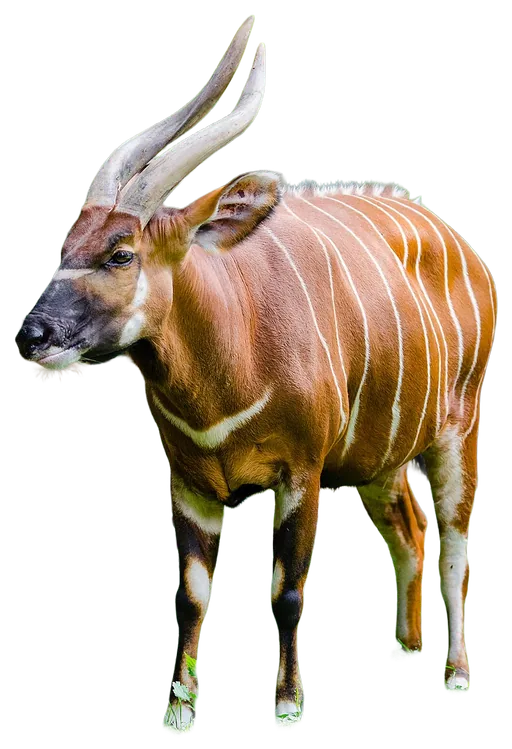
 W vs BongoLoses · 57% · Toss-up
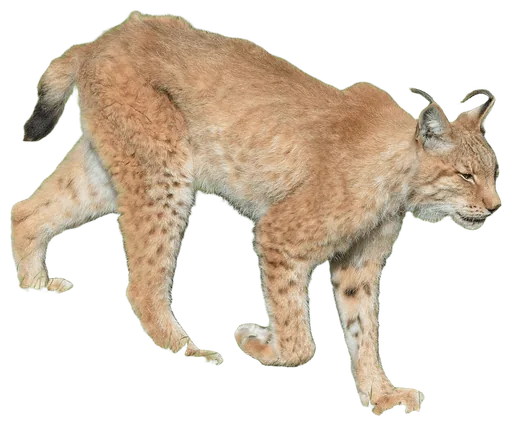
 L vs LynxWins · 57% · Toss-up
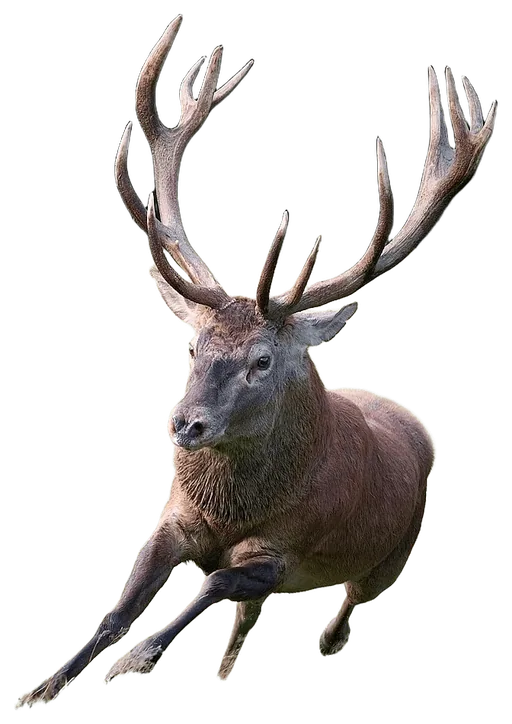
 W vs Red DeerLoses · 54% · Toss-up
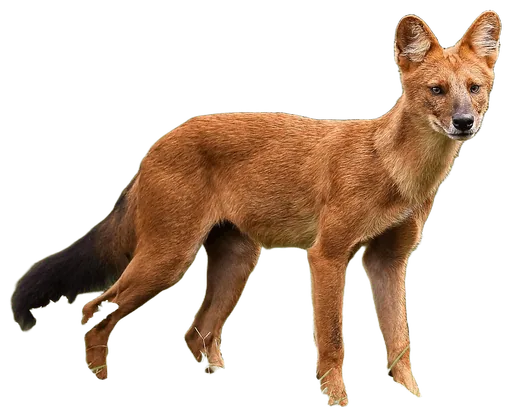
 L vs DholeWins · 58% · Slight edge
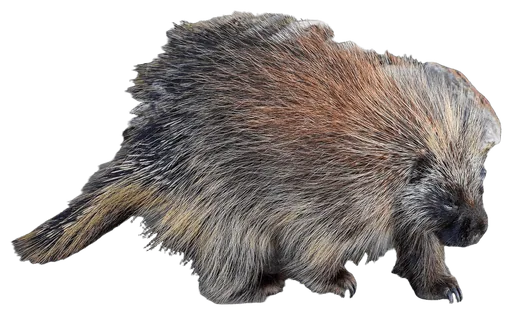
 W vs PorcupineWins · 61% · Slight edge
 W
Ibex battle analysis
The Alpine ibex is a terrain specialist whose biology turns mountain geometry into a defensive weapon. A mature male is not merely a goat with long horns: he is a late-maturing, heavily dimorphic bovid whose permanent horns can approach a metre and whose social system centers on assessing and safely deploying those weapons. Rivals posture, compare, remember previous outcomes, run shoulder-to-shoulder, butt, rear and crash horn against horn. Those contests reward mass, neck strength, balance and weapon geometry while limiting unnecessary lethal damage.
In an ABS matchup, its best environment matters enormously. On steep rock an opponent may be forced to slow, lose turning options, or expose itself while the ibex keeps stable footing. On level ground that advantage shrinks, leaving a powerful but still unarmored 100 kg herbivore. This is why its Agility can be strong without granting inflated Attack, Defense or Raw Power. The ibex is a good test case for the project's absolute-scaling rule: exceptional specialization should appear where it actually matters, not leak into every score.
Habitat & range
Alpine ibex occupy the European Alps, particularly steep rocky slopes, alpine meadows and terrain above or near the treeline. Zoo Görlitz summarizes typical habitat as steep, structurally complex rocky slopes around 1,600–3,200 m elevation. Modern populations reflect major conservation and reintroduction history after a severe historical bottleneck.
Diet & hunting
They are herbivorous grazers/browsers feeding chiefly on grasses, herbs, leaves and other available alpine vegetation. Seasonal food quality and snow strongly shape body condition. Their grazing links high-alpine plant communities with a large native herbivore suited to terrain unavailable to many competitors.
Social life
Females commonly live in herds with dominance relationships. Males often form smaller bachelor groups outside the rut, with strong rank relationships. During reproductive competition, mature males use display, parallel movement, butting and horn clashes rather than relying on indiscriminate injury.
Conservation
Capra ibex is currently treated as Least Concern in modern conservation references. The species nevertheless has an important conservation history because Alpine ibex were reduced to a small remnant population before protection and reintroduction rebuilt populations across the Alps. The bottleneck remains biologically relevant when discussing genetic diversity and population management.
Quick answers
How strong is an Ibex?
On the Animal Battle Stats scale, the Ibex has an attack rating of 51 and a power index of 55.1 out of 100, which ranks it #112 of 344 animals and puts it in B tier (Strong). Its strongest stat is agility (71).
How much does an Ibex weigh?
A typical adult Ibex weighs about 100 kg (220 lb). Rated specimen: healthy, fully mature adult male, approximately 100.0 kg, 95.0 cm shoulder height, 160.0 cm head-body length, with large permanent horns.
How fast is an Ibex?
There is no reliable measured top speed for the Ibex, so we do not publish one. Its agility rating, which covers acceleration, reflexes and evasion, is 71 out of 100.
What does an Ibex eat?
They are herbivorous grazers/browsers feeding chiefly on grasses, herbs, leaves and other available alpine vegetation. Seasonal food quality and snow strongly shape body condition. Their grazing links high-alpine plant communities with a large native herbivore suited to terrain unavailable to many competitors.
Is the Ibex endangered?
No. The Ibex is listed as Least Concern. Capra ibex is currently treated as Least Concern in modern conservation references. The species nevertheless has an important conservation history because Alpine ibex were reduced to a small remnant population before protection and reintroduction rebuilt populations across the Alps. The bottleneck remains biologically relevant when discussing genetic diversity and population management.
What animals can beat an Ibex?
Among its closest rivals, the Bongo (57%), the Red Deer (54%) would be favored against the Ibex. It would be favored against the Honey Badger, the Clouded Leopard, the Otter, the Lynx, the Dhole, the Porcupine.
Researched 2026-09-27. Ratings are editorial judgments built from these sources; measurements describe a healthy adult male.
- Corlatti et al., Mammalian Species: Capra ibextaxonomy, horns, fighting, social rank
- Animal Diversity Web, Capra ibexlongevity, behavior, sociality
- Zoo Bratislava, Alpine ibexsex-specific dimensions, mass, lifespan, diet
- Zoo Görlitz, Alpine ibexhabitat, horn use, reproduction
- Büntgen et al. 2018, Journal of Animal Ecologyhorn growth, hunting selection
- Bergeron et al. 2008, Oikoshorn growth and longevity
- Species synthesis / Zenodo recorddimorphism, horn range, seasonal mass, longevity
- Wikimedia Commons, Irene Vercellinoimage provenance
Photo: “Zoo des Marécottes - Bouquetin.jpg” by Christian David, CC BY-SA 4.0, background removed and cropped. Original
Suggest a correction