

Hyacinth Macaw
Anodorhynchus hyacinthinus
 #211 of 344
  Wetlands Bruiser Vulnerable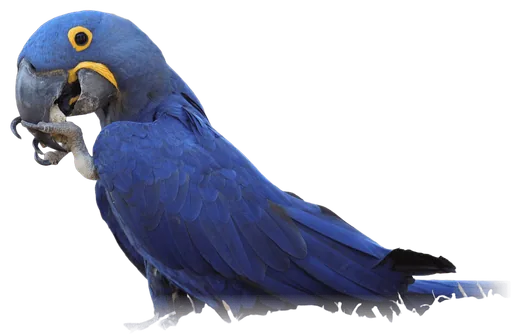
 Fight
FightPhoto: Alastair Rae from London, United Kingdom · CC BY-SA 2.0
The Hyacinth Macaw is the longest parrot in the world, about 1 m long and 1.3 kg, and it has the strongest measured bite of any bird, about 539 N. That bill cracks palm nuts that are hard to open with a hammer. In a real fight, though, it is a light, unarmored bird with one close-range weapon and no talons.
 Attack27
  Defense18
  Agility83
  Stamina64
  Intelligence87
  Special68
 Detailed ratings
Research-backed ratings on one 0–100 scale for all 344 animals (updated 2026-09-28). How ratings work
Special abilities
Ability 1Record Crusher BillSeven live hyacinths produced a mean measured bite of about 539 N, the highest measured bite force recorded for any bird, strong enough to crack palm nuts that are hard to break with a hammer.
 Ability 2Wedge Tool Nutcracker
The bird holds hard nuts with foot and tongue and may wedge a chewed leaf or wood chip against them so they do not slip, then chisels the shell open along one line.
Unique traits
 TraitLongest Parrot
About 1 m from head to tail tip, half of it tail, making it the longest parrot species in the world.
TraitCattle-Dung ForagerIn the Pantanal it picks acuri palm nuts out of cattle dung: the cattle eat the fruit and pass the nuts undigested, and the macaw cracks them. It also nests almost only in old manduvi trees spread by toucans.
How it fights
Weapons
- The bill is the one real weapon, and it is an exceptional one. Seven live hyacinth macaws produced a mean measured bite of about 539 N, the highest measured bite force of any bird in the published record read for this report, more than twice the measured bite of a Scarlet Macaw in the same study. The bill is built to crush and chisel palm nuts: the bird cracks the shell in one area and then breaks it cleanly in half (ADW). The same tool can badly injure a hand or a small animal. The feet grip and hold, but they are not killing talons, and the hyacinth is not a predator. Its food is almost entirely palm nuts, with some other fruit and apple snails (Pomacea) (WPT).
 Struggles vs
- About 1.3 kg in absolute mass.
- No armor; hollow-boned flying body.
- Only one real weapon, delivered at close range.
- Depends on one or two palm species and scarce old nest trees.
- Noisy and predictable, which made it vulnerable to trapping and shooting.
- Weight
- 1.3 kg3 lb
- Height
- No reliable measurement
- Length
- 1 m3.3 ft
- Top speed
- No reliable measurement
- Bite force
- No reliable measurement
- Lifespan
- 30 years
- Home biome
- Wetlands
- Lifestyle
- Social
Rated specimen: Healthy mature adult, 1.3 kg, 100.0 cm total length.
Fun facts
- A hyacinth macaw's measured bite of about 539 N is the strongest yet recorded for any bird.
- It is the longest parrot in the world, and half of its 1 m length is tail.
- In the Pantanal it picks acuri palm nuts out of cattle dung after the cattle have eaten the fruit.
- Captive hyacinths wedge bits of leaf or wood against nuts to stop them slipping while they crack them.
- The toco toucan both plants the macaw's favourite nest tree and eats many of its eggs.
- Only trees older than about 60 years have hollows big enough for hyacinth macaw nests.
Closest rivals by power. Tap one for the full breakdown, or pick any opponent.
vs PuffinWins · 50% · Toss-up  W vs VultureLoses · 51% · Toss-up
  L vs MacawWins · 52% · Toss-up
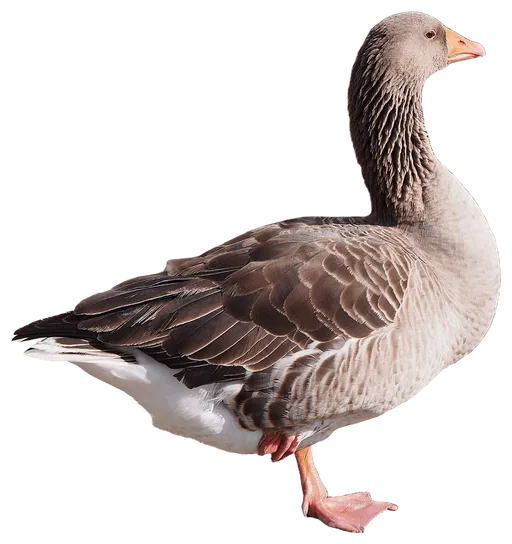
  W vs GooseWins · 52% · Toss-up
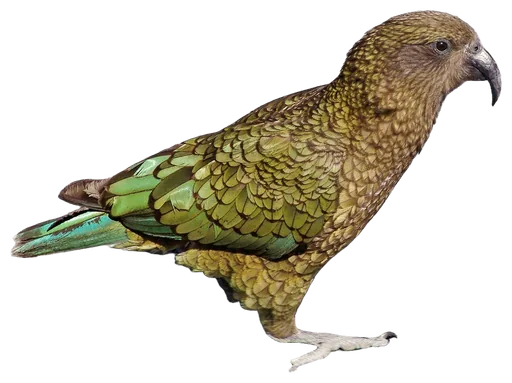
  W vs KeaWins · 52% · Toss-up
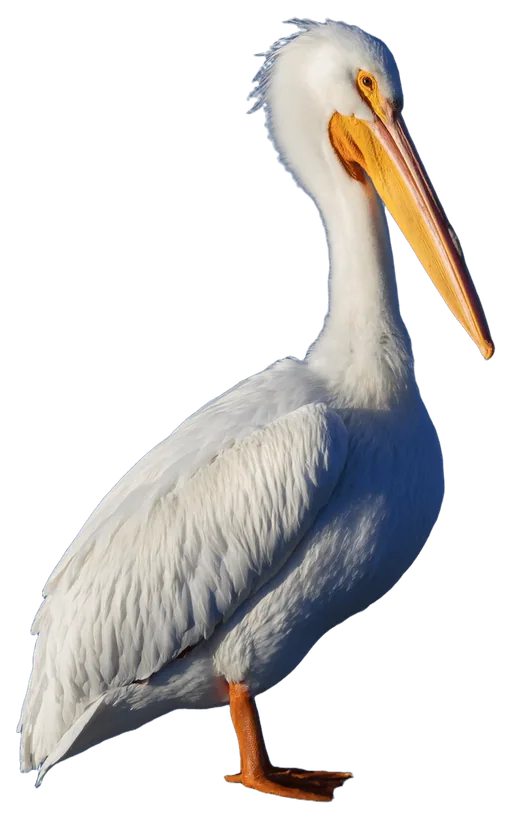
  W vs PelicanLoses · 52% · Toss-up
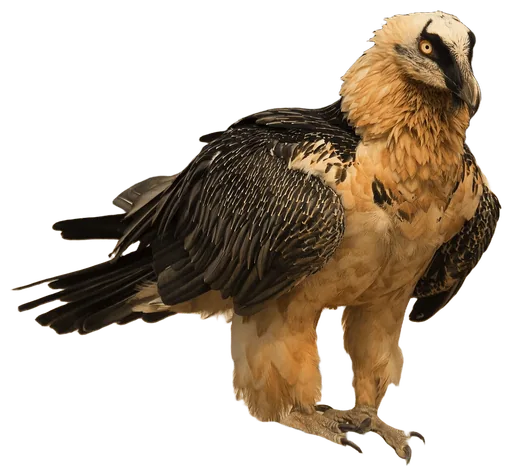
  L vs Bearded VultureLoses · 52% · Toss-up
  L vs GreyhoundWins · 50% · Toss-up
  W
W  Pick any opponent
 Hyacinth Macaw battle analysis
The hyacinth macaw is a specialist built around one extraordinary tool. Its huge black bill, powered by jaw muscles that produced a mean measured bite of about 539 N in live birds, lets it live almost entirely on palm nuts that few other animals can open. It holds the nut with its foot and tongue, sometimes wedges a chewed leaf against it, and chisels a line across the shell until it splits cleanly. In the Pantanal it even collects acuri nuts from cattle dung, after the cattle have eaten the fruit and passed the nuts.
Its life is tied to a few plants. It eats one or two palm species in each part of its range and nests almost only in old manduvi trees whose hollows take about 60 years to form. The toco toucan spreads most manduvi seeds and also takes about half of the macaw eggs lost to predators. Trapping for the pet trade in the 1970s and 1980s cut the wild population to a few thousand; protection by ranchers, artificial nests and the CITES Appendix I listing have helped it recover in the Pantanal.
In an absolute matchup the hyacinth has the best bite of any bird on the roster, but it sits on a 1.3 kg body with feathers for armor and feet made for holding nuts, not prey. It can deliver a crippling bite to anything small enough to be caught in it and can fly away from ground threats. Against a raptor or a carnivore that seizes it, that single weapon is not enough.
Habitat & range
The hyacinth macaw lives in central South America in three main areas: the Pantanal of Brazil with adjacent eastern Bolivia and north-eastern Paraguay; the cerrado of interior eastern Brazil; and open areas along the Tocantins, Xingu and Tapajós rivers and Marajó Island in the eastern Amazon basin. It uses palm savanna, forest edge, dry woodland with gallery forest, and swampy stands of palms such as the moriche palm. The key requirement is the presence of its food palms.
Diet & hunting
It feeds mainly on the nuts of a few palm species in each region. In the Pantanal the main palms are acuri (Attalea phalerata) and bocaiuva (Acrocomia aculeata); in the Amazon it uses Maximiliana, Orbignya and Astrocaryum; in north-eastern Brazil it uses Attalea funifera and Syagrus coronata (WPT). It also takes other fruit and apple snails. Its link with the toco toucan is unusual: the toucan spreads most seeds of the manduvi tree the macaw nests in, but is also its main egg predator.
Social life
Hyacinths live in pairs, family groups or small flocks of up to about 10 birds, and are noisy and conspicuous. Peak feeding activity is in the morning and late afternoon (WPT).
Conservation
The hyacinth macaw is listed as Vulnerable by the IUCN and is on CITES Appendix I. WPT gives a world population of about 4,700–11,000 mature birds. The first estimate, in 1987, was about 3,000 birds, after heavy trapping: an estimated 10,000 were taken from the wild in the 1980s. Threats are trapping for the cage-bird trade, burning and clearing of habitat, and the scarcity of old nest trees. It remains locally common in the Brazilian Pantanal, where many ranchers now protect it, and the Hyacinth Macaw Project has added artificial nests to make up for lost cavities.
Quick answers
How strong is a Hyacinth Macaw?
On the Animal Battle Stats scale, the Hyacinth Macaw has an attack rating of 27 and a power index of 47.2 out of 100, which ranks it #211 of 344 animals and puts it in C tier (Capable). Its strongest stat is intelligence (87).
How much does a Hyacinth Macaw weigh?
A typical adult Hyacinth Macaw weighs about 1.3 kg (3 lb). Rated specimen: healthy mature adult, 1.3 kg, 100.0 cm total length.
How fast is a Hyacinth Macaw?
There is no reliable measured top speed for the Hyacinth Macaw, so we do not publish one. Its agility rating, which covers acceleration, reflexes and evasion, is 83 out of 100.
What does a Hyacinth Macaw eat?
It feeds mainly on the nuts of a few palm species in each region. In the Pantanal the main palms are acuri (Attalea phalerata) and bocaiuva (Acrocomia aculeata); in the Amazon it uses Maximiliana, Orbignya and Astrocaryum; in north-eastern Brazil it uses Attalea funifera and Syagrus coronata (WPT). It also takes other fruit and apple snails. Its link with the toco toucan is unusual: the toucan spreads most seeds of the manduvi tree the macaw nests in, but is also its main egg predator.
Is the Hyacinth Macaw endangered?
The Hyacinth Macaw's conservation status is Vulnerable. The hyacinth macaw is listed as Vulnerable by the IUCN and is on CITES Appendix I. WPT gives a world population of about 4,700–11,000 mature birds. The first estimate, in 1987, was about 3,000 birds, after heavy trapping: an estimated 10,000 were taken from the wild in the 1980s. Threats are trapping for the cage-bird trade, burning and clearing of habitat, and the scarcity of old nest trees. It r
What animals can beat a Hyacinth Macaw?
Among its closest rivals, the Vulture (51%), the Pelican (52%), the Bearded Vulture (52%) would be favored against the Hyacinth Macaw. It would be favored against the Puffin, the Macaw, the Goose, the Kea, the Greyhound.
Researched 2026-09-28. Ratings are editorial judgments built from these sources; measurements describe a healthy adult.
- Harrison et al. 2025, Journal of Anatomy (Europe PMC full text)bite force, body mass
- Animal Diversity Web, Anodorhynchus hyacinthinuslength, mass, wingspan, bill, lifespan, egg predators
- World Parrot Trust encyclopedia, Hyacinth Macawsize, mass, longevity, population, threats, diet, behavior, breeding
- Wikipedia, Hyacinth macawrange, diet, tool use, nesting, population history, status
- Borsari and Ottoni 2005, Animal Cognitiontool use
- Pizo et al. 2008, Biological Conservationnest tree and nest predation
- Guedes et al. 2022, Scientific Reports (PMC full text)nestling survival, dwarfs, nest trees
- AnAge, Hyacinth macawlongevity, adult weight
- Wikimedia Commons, hyacinth macawsimage candidate
Photo: “Anodorhynchus hyacinthinus -Mato Grosso do Sul, Brazil -eating-8.jpg” by Alastair Rae from London, United Kingdom, CC BY-SA 2.0, background removed and cropped. Original
Suggest a correction