
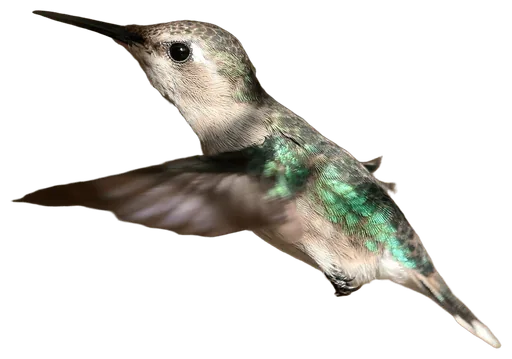
Hummingbird
Archilochus colubrisC tier · Capable41st of 55 birds
Size & speed
- Weight
- 3.8 g0.1 oz
- Length
- 8.5 cm3.3 in
As heavy as 3.8 paperclips
Heavier than 4% of animalsAbout 1 credit cards long
Bigger than 5% of animalsThe Ruby-throated Hummingbird is a 3-4 g aerial specialist with almost no armor or absolute attack power but extraordinary control of three-dimensional space. It can hover, reverse, brake and maneuver through clutter while sustaining migration-scale flight when fueled. It is an elite Agility specialist, not a pound-for-pound reason to inflate physical power.
Detailed ratings
Research-backed ratings on one 0–100 scale for all 344 animals (updated 2026-09-27). How ratings work


Card No. 254 of 344. Every animal on Animal Battle Stats has one: its power, tier and archetype on the front; its six battle stats, abilities and signature move on the back.
Special abilities
Specialized wing kinematics permit sustained hover, reverse and sideways flight, abrupt braking and tight repositioning.
Torpor sharply suppresses energy expenditure during cold or food limitation; 2026 physiology confirms downregulated ATP-demand pathways.
Unique traits
Pre-migratory fat loading can support exceptionally long flight bouts, including trans-Gulf migration.
Females are larger and longer-billed than males, so the canonical stronger specimen is female despite better-documented male territoriality.
How it fights
Weapons
- Absolute-force offense is extremely low. The bill can jab and the feet can grasp, but neither is a dedicated killing system. Cornell documents males defending flowers/feeders through chases, dogfights and occasional bill jabs. This matters against similarly tiny animals but cannot be scaled into serious vertebrate damage.
- Weight
- 3.8 g0.1 oz
- Height
- No reliable measurement
- Length
- 8.5 cm3.3 in
- Top speed
- No reliable measurement
- Bite force
- No reliable measurement
- Lifespan
- 5 years
- Home biome
- Jungle
- Lifestyle
- Social
Rated specimen: Healthy fully mature adult female, 0.0038 kg, 8.5 cm total length, about 10.0 cm wingspan.
Fun facts
- About 53 wingbeats/s according to Cornell.
- Feet are so reduced that normal walking/hopping is replaced by shuffling.
- Sustained hovering and backward flight are routine capabilities.
- Smithsonian reports roughly 18-20 hour trans-Gulf flight capability.
- Cornell's oldest known banded bird was at least 9 years 2 months old.
- The male gorget is iridescent and can look dark away from the reflecting angle.
Closest rivals by power. Tap one for the full breakdown, or pick any opponent.
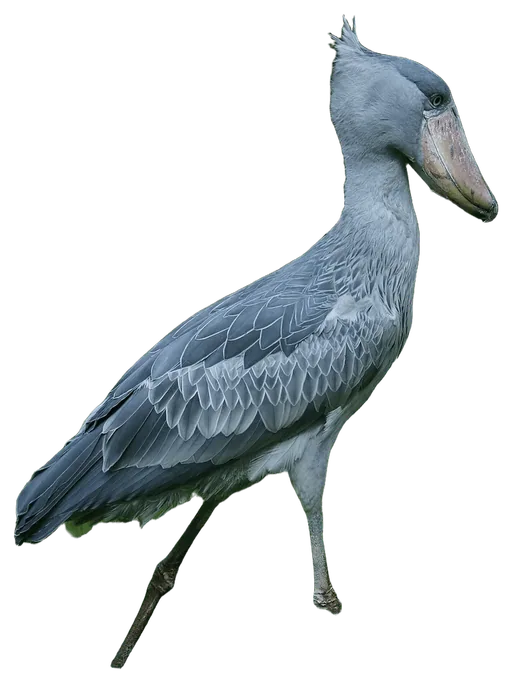
vs PeacockLoses · 84% · Clear edge 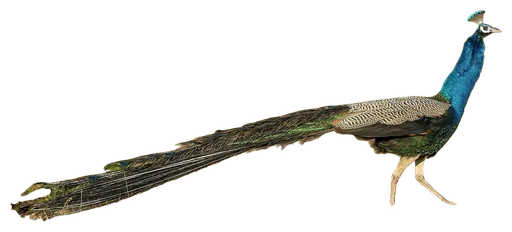 L vs ShoebillLoses · 85% · Decisive
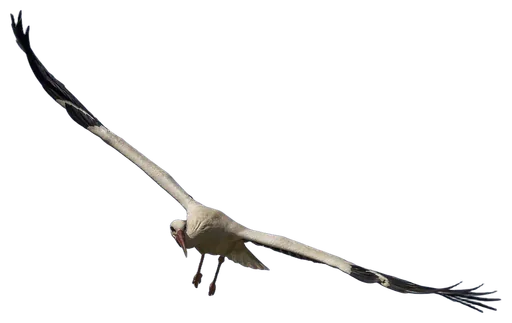
 L vs StorkLoses · 83% · Clear edge
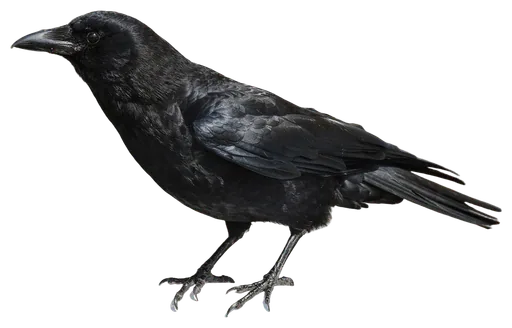
 L vs CrowLoses · 75% · Clear edge
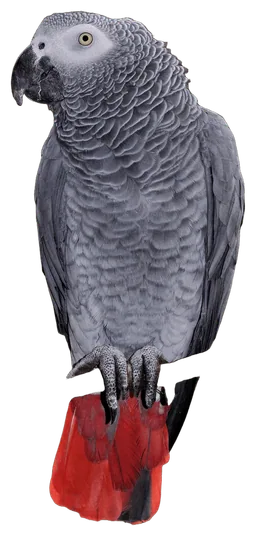
 L vs African Grey ParrotLoses · 75% · Clear edge
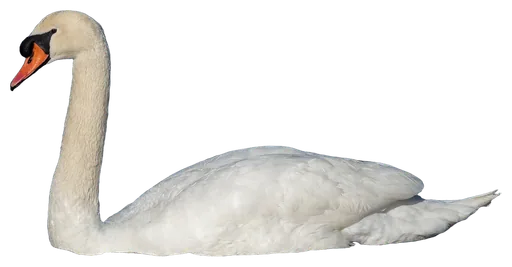
 L vs SwanLoses · 87% · Decisive
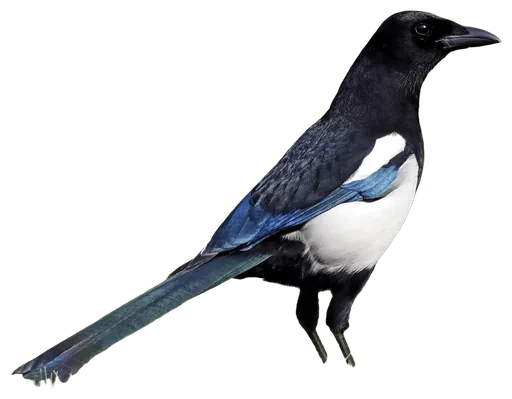
 L vs MagpieLoses · 70% · Clear edge
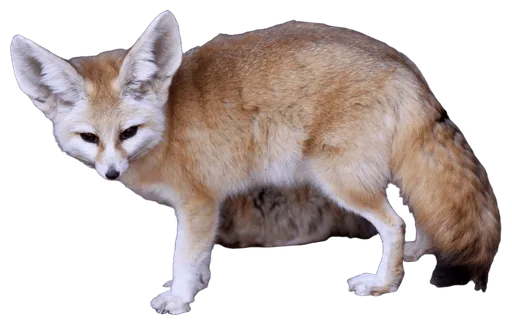
 L vs Fennec FoxLoses · 80% · Clear edge
 L
Hummingbird battle analysis
A Ruby-throat survives a matchup by refusing the force contest. At a few grams it cannot trade damage or absorb a serious hit, but its wings let it occupy and abandon tiny volumes of air with precision most vertebrates cannot match. The same physiology is expensive, demanding frequent refueling and seasonal fat loading, while torpor provides a radically different low-energy survival state. Its ABS identity is extreme Agility plus strong flight endurance and unusual physiology, paired with near-floor Attack, Protection and Raw Power.
Habitat & range
Ruby-throats breed across eastern North America and winter mainly in Mexico/Central America. They use woodland, forest edge, fields, orchards, gardens, riparian areas, scrub and tropical dry forest. Migration research confirms birds from natal latitudes roughly 30-50° N reaching Gulf Coast stopovers. Diet is floral nectar plus insects and spiders, coupling rapid carbohydrate intake with animal protein and a pollination role.
Social life
Outside mating they are largely solitary/resource-oriented. Males defend profitable flowers/feeders. Pair association is brief; females build the nest and perform parental care. Cornell reports 1-2 broods, 12-14 day incubation and 18-22 day nestling periods.
Conservation
Smithsonian lists the species as Least Concern and not endangered, while noting hazards including window collisions and domestic cats. Feeders and native flowering gardens create frequent human contact.
Quick answers
How strong is a Hummingbird?
On the Animal Battle Stats scale, the Hummingbird has an attack rating of 5 and a power index of 42.7 out of 100, which ranks it #254 of 344 animals and puts it in C tier (Capable). Its strongest stat is agility (98).
How much does a Hummingbird weigh?
A typical adult Hummingbird weighs about 3.8 g (0.1 oz). Rated specimen: healthy fully mature adult female, 0.0038 kg, 8.5 cm total length, about 10.0 cm wingspan.
How fast is a Hummingbird?
There is no reliable measured top speed for the Hummingbird, so we do not publish one. Its agility rating, which covers acceleration, reflexes and evasion, is 98 out of 100.
Is the Hummingbird endangered?
No. The Hummingbird is listed as Least Concern. Smithsonian lists the species as Least Concern and not endangered, while noting hazards including window collisions and domestic cats. Feeders and native flowering gardens create frequent human contact.
What animals can beat a Hummingbird?
Among its closest rivals, the Peacock (84%), the Shoebill (85%), the Stork (83%), the Crow (75%), the African Grey Parrot (75%), the Swan (87%), the Magpie (70%), the Fennec Fox (80%) would be favored against the Hummingbird. It would be favored against none of them.
Researched 2026-09-27. Ratings are editorial judgments built from these sources; measurements describe a healthy adult female.
- Cornell ID7-9 cm, 2-6 g, 8-11 cm, sex appearance
- Cornell life historyprecision flight, territorial chases/bill jabs, nesting
- Cornell overview~53 wingbeats/s, reduced walking, UV/color vision, 9 y 2 mo record
- Smithsonian National Zooadult size, migration, conservation
- Smithsonian Migratory Bird Center18-20 h Gulf flight, torpor
- Animal Diversity Web3.4 g male / 3.8 g female, length, dimorphism
- Chai & Dudley 1999exact-species flight-performance experiments
- Warrick et al. 2005hovering aerodynamics
- Warrick et al. 2009near-continuous lift
- Goller & Altshuler 2014optic-flow hovering control
- Zenzal et al. 2018exact-species migration/Gulf stopovers
- Zenzal et al. 2016sex/age fuel loads and potential flight range
- 2026 AJP studytorpor ATP-demand suppression
- Commons imageadult male, 2148x1637, CC BY-SA 2.0
Photo: “Bee hummingbird (Mellisuga helenae) female in flight.jpg” by Charles J. Sharp, CC BY-SA 4.0, background removed and cropped. Original
Suggest a correction