

Humboldt Squid
Dosidicus gigas
 #148 of 344
  Ocean Pack Hunter Data Deficient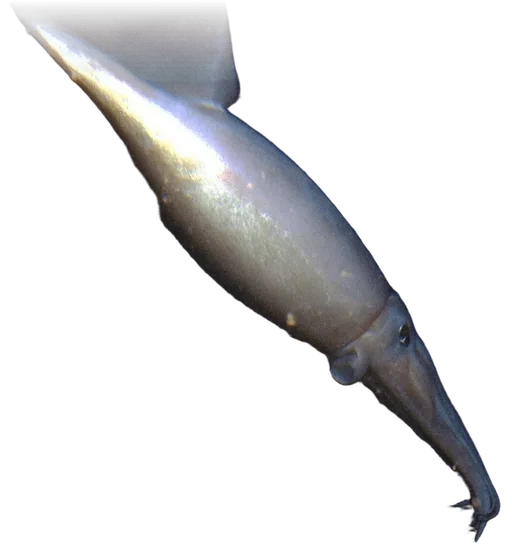
 Fight
FightPhoto: Rick Starr. Credit: NOAA/CBNMS. · CC BY 2.0
The Humboldt squid is a 25 kg "red devil" of the eastern Pacific that hunts in shoals of hundreds, striking with elastic tentacles covered in toothed suckers and tearing with one of the hardest organic beaks known. It flashes glowing color signals in the dark, but its soft body and small size limit it against large, armored or heavy-biting opponents.
 Attack46
  Defense28
  Agility74
  Stamina60
  Intelligence60
  Special82
 Detailed ratings
Research-backed ratings on one 0–100 scale for all 344 animals (updated 2026-09-28). How ratings work
Special abilities
Ability 1Toothed Tentacle StrikeTwo elastic tentacles shoot out and retract in about a frame of video, gripping prey with suckers ringed by hard teeth and dragging it to one of the hardest organic beaks known. It is a fast, hard-to-dodge first strike.
 Ability 2Glow-Lit Flash Signals
The squid flashes red and white and displays pigment patterns that it lights from inside with small photophores, making its signals visible in the dark deep sea. It lets a shoal coordinate and can startle opponents.
Unique traits
 TraitRed Devil Shoals
Humboldt squid hunt in shoals of up to 1,200 and form coordinated subgroups at night; injured squid are often eaten by their shoal-mates.
TraitLow-Oxygen CommuterEvery day it descends into the ocean's oxygen-poor layer and returns to the surface at night to feed and recover.
How it fights
Weapons
- The Humboldt squid attacks with two long, elastic tentacles that shoot out and retract so fast that nearly the whole strike fits in one frame of normal-speed video (Wikipedia). The tentacle and arm suckers are ringed with hard teeth, and prey is drawn to an extremely hard, sharp beak (Miserez et al. 2008). Humboldt squid can strip hooked fish to the bone before fishers reel them in, and they readily attack injured members of their own shoal; about a quarter of stomachs examined in one study held remains of other Humboldt squid (Wikipedia).
 Struggles vs
- Soft body with no armor; bites and blows cause real damage.
- Small absolute mass compared with large fish and marine mammals.
- Short life and sensitivity to warm, acidified water.
- Cannibalism within the shoal means injured squid are attacked by their own kind.
- Weight
- 25 kg55 lb
- Height
- No reliable measurement
- Length
- 1 m3.3 ft
- Top speed
- 24 km/h15 mph
- Bite force
- No reliable measurement
- Lifespan
- 1 years
- Home biome
- Ocean
- Lifestyle
- Social, nocturnal
Rated specimen: Healthy mature large adult female, 100 cm mantle length and 25 kg.
Fun facts
- Fishers in Mexico call it the "red devil" because it flashes red and white when caught.
- Its beak is one of the hardest and stiffest materials made entirely by a living thing without minerals.
- Every sucker is ringed with tiny teeth.
- It can light up its own color patterns from inside its body to signal in the dark.
- Shoals can contain up to 1,200 squid.
- It usually lives only about a year.
Closest rivals by power. Tap one for the full breakdown, or pick any opponent.
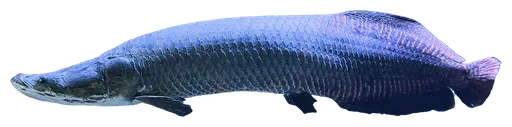
vs ManateeLoses · 51% · Toss-up 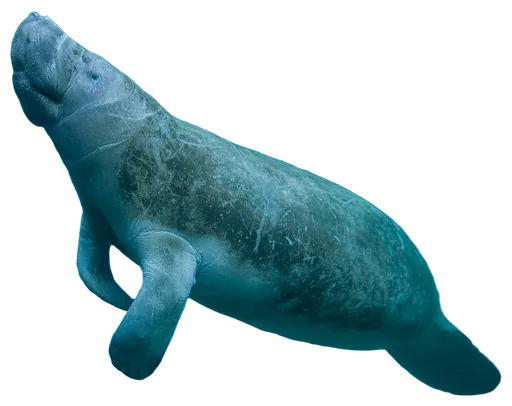 L vs ArapaimaWins · 51% · Toss-up
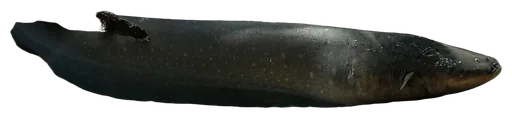
  W vs Electric EelLoses · 52% · Toss-up
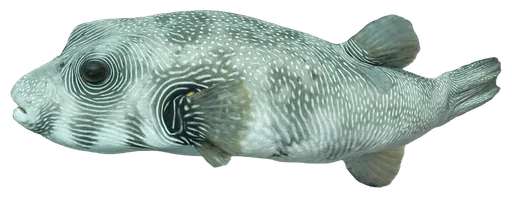
  L vs PufferfishWins · 52% · Toss-up
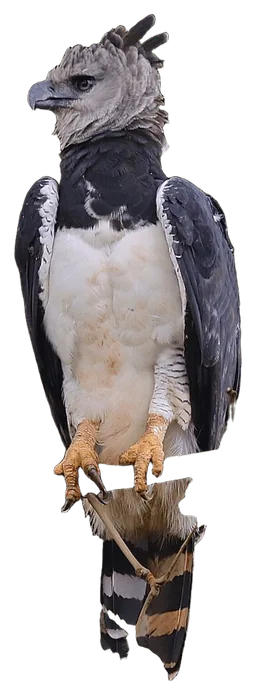
  W vs Harpy EagleWins · 50% · Toss-up
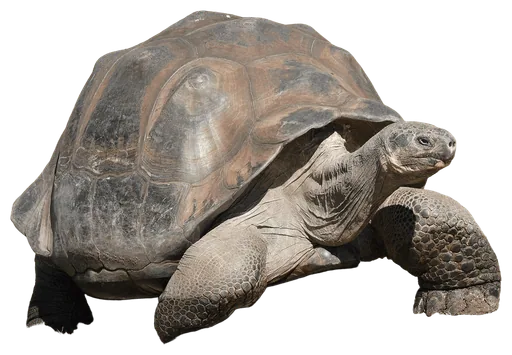
  W vs Galapagos TortoiseWins · 50% · Toss-up
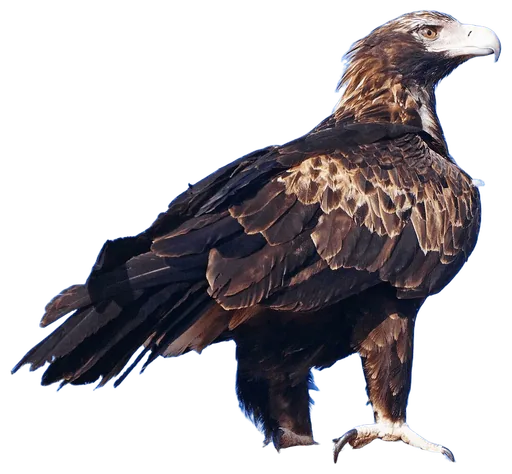
  W vs Wedge-tailed EagleWins · 50% · Toss-up
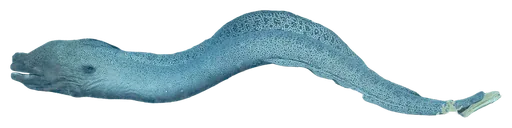
  W vs Moray EelLoses · 53% · Toss-up
  L
L  Pick any opponent
 Humboldt Squid battle analysis
The Humboldt squid is a short-lived, fast-growing predator that makes up for its soft body with speed, weapons and numbers. A large adult has a mantle about a metre long and weighs around 25 kg. When it attacks, two elastic tentacles shoot out almost too fast to film, gripping prey with suckers ringed by hard protein teeth and pulling it to a beak so hard and stiff that materials scientists study it.
It lives by a daily commute. By day it sinks into the ocean's oxygen-poor layer, hundreds of metres down; by night it rises to hunt. There it gathers in shoals of up to 1,200, and sonar shows small groups breaking away to spiral upward together after fish. The squid communicate with rapid red-and-white flashes and patterns that they light from inside with tiny photophores, a way of signaling in near-total darkness.
In a battle the Humboldt squid is a genuine glass cannon. Its tentacle strike is quick and its beak and toothed suckers can shred fish, and it is famous for aggression, even toward its own injured shoal-mates. But a 25 kg animal with no shell cannot absorb much punishment, and against large, well-armed opponents its best weapon is its speed in escaping.
Habitat & range
Humboldt squid live in the eastern Pacific from Tierra del Fuego to California, mostly at depths of about 200 to 700 m, and have been spreading north into the waters of Oregon, Washington, British Columbia and Alaska (Wikipedia). They spend daytime in deep, oxygen-poor water and move toward the surface at night (Rosa & Seibel 2009).
Diet & hunting
They are voracious carnivores, eating small fish, crustaceans and other squid, including their own species. In a study of more than 2,000 squid caught off Chile, other Humboldt squid were the most common prey (Wikipedia). Off Peru, small-, medium- and large-sized groups overlap in some habitats and divide food in others (Zhao et al. 2023).
Social life
Humboldt squid gather in shoals of up to 1,200 animals (Wikipedia). At night, small subgroups break away and hunt in coordinated spirals (Benoit-Bird & Gilly, via Deep Sea News). They communicate with pigment patterns and flashes shown selectively in foraging and social contexts (Burford & Robison 2020).
Conservation
The IUCN Red List classes the Humboldt squid as Data Deficient (as summarized by Wikipedia). It supports the most important squid fishery in the world, landed mainly in Chile, Peru and Mexico; the Gulf of California fishery collapsed in 2015 during warm-water conditions and had not recovered (Wikipedia). Warmer, more acidic water reduces its metabolic performance (Rosa & Seibel 2009).
Quick answers
How strong is a Humboldt Squid?
On the Animal Battle Stats scale, the Humboldt Squid has an attack rating of 46 and a power index of 52.5 out of 100, which ranks it #148 of 344 animals and puts it in B tier (Strong). Its strongest stat is special (82).
How much does a Humboldt Squid weigh?
A typical adult Humboldt Squid weighs about 25 kg (55 lb). Rated specimen: healthy mature large adult female, 100 cm mantle length and 25 kg.
How fast is a Humboldt Squid?
The Humboldt Squid's top speed is about 24 km/h (15 mph). Its agility rating is 74 out of 100.
What does a Humboldt Squid eat?
They are voracious carnivores, eating small fish, crustaceans and other squid, including their own species. In a study of more than 2,000 squid caught off Chile, other Humboldt squid were the most common prey (Wikipedia). Off Peru, small-, medium- and large-sized groups overlap in some habitats and divide food in others (Zhao et al. 2023).
Is the Humboldt Squid endangered?
The Humboldt Squid's conservation status is Data Deficient. The IUCN Red List classes the Humboldt squid as Data Deficient (as summarized by Wikipedia). It supports the most important squid fishery in the world, landed mainly in Chile, Peru and Mexico; the Gulf of California fishery collapsed in 2015 during warm-water conditions and had not recovered (Wikipedia). Warmer, more acidic water reduces its metabolic performance (Rosa & Seibel 2009).
What animals can beat a Humboldt Squid?
Among its closest rivals, the Manatee (51%), the Electric Eel (52%), the Moray Eel (53%) would be favored against the Humboldt Squid. It would be favored against the Arapaima, the Pufferfish, the Harpy Eagle, the Galapagos Tortoise, the Wedge-tailed Eagle.
Researched 2026-09-28. Ratings are editorial judgments built from these sources; measurements describe a healthy adult female.
- Wikipedia, Humboldt squidsize, speed, lifespan, shoals, weapons, cannibalism, behavior toward divers, IUCN status, fishery
- Miserez et al. 2008, Sciencebeak
- Rieu et al. 2016, Bioinspiration & Biomimeticssucker ring teeth
- Burford & Robison 2020, PNASsignaling, senses, intelligence
- Rosa & Seibel 2009, PNASendurance, oxygen minimum layer, climate sensitivity
- Zhao et al. 2023, Marine Biotechnologysize groups, sex differences, feeding
- Deep Sea News, Coordinated Hunting in Red Devilsgroup hunting
- Benoit-Bird & Gilly 2012, Marine Ecology Progress Seriescoordinated nocturnal foraging
- Gilly et al. 2006, Marine Ecology Progress Seriesmigrations
- Wikimedia Commons, Dosidicus gigasimage candidate
Photo: “Sanc1686 - Flickr - NOAA Photo Library.jpg” by Rick Starr. Credit: NOAA/CBNMS., CC BY 2.0, background removed and cropped. Original
Suggest a correction