
Howler Monkey
Alouatta carayaC tier · Capable135th of 163 mammals
Size & speed

- Weight
- 7 kg15 lb
- Length
- 60 cm23.6 in
As heavy as 1.6 house cats
Heavier than 41% of animalsAbout 2 rulers long
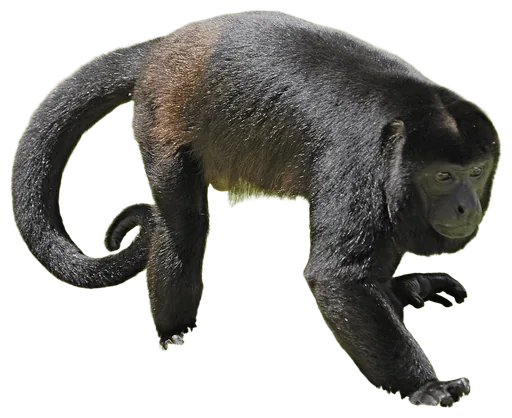
Bigger than 29% of animalsThe black-and-gold howler monkey is a slow-moving South American canopy primate built around grip, balance and communication rather than brute-force combat. A mature black male weighs about 7 kg, anchors itself with a tactile prehensile tail and uses an enlarged hyoid apparatus to broadcast powerful roars that help space neighboring groups. Its bite and grasp can matter against small opponents, but its strongest ABS advantages are canopy maneuverability, social-acoustic awareness and the ability to avoid direct contests.
Detailed ratings
Research-backed ratings on one 0–100 scale for all 344 animals (updated 2026-09-27). How ratings work


Card No. 251 of 344. Every animal on Animal Battle Stats has one: its power, tier and archetype on the front; its six battle stats, abilities and signature move on the back.
Special abilities
An enlarged hyoid and specialized vocal tract produce low-frequency, high-amplitude roars used for long-range group spacing and occupancy signaling. In a matchup this is intimidation and communication, not a damaging sonic blast.
The long prehensile tail, with its tactile hairless underside, can grip supports and stabilize the body while the hands and feet reposition, greatly improving canopy control.
Unique traits
Mature males are black and materially heavier, while adult females remain yellow-brown, making sex and maturity unusually visible when source metadata confirms age.
A leaf-heavy diet is paired with a rest-dominated daily budget, trading explosive sustained output for economical life in the canopy.
How it fights
Weapons
- The primary physical weapon is the bite. Hands and feet provide grasping control and can shove, pull or stabilize the body during a close encounter. The prehensile tail provides positional support rather than a killing weapon. The roar is a conflict-management mechanism rather than direct tissue-damaging weaponry.
- At only about 7 kg, even a large adult male remains a small combatant on the full ABS roster. Its primate dexterity and teeth matter against small opponents but cannot justify cat, canid or great-ape levels of absolute force.
Struggles vs
- Only about 7 kg in the canonical male.
- No armor or thick protective tissue.
- No specialized claws, venom, horns or high-force predatory jaw system.
- Slow routine locomotion and a rest-heavy energy budget.
- Tail advantage is terrain-dependent.
- Weight
- 7 kg15 lb
- Height
- No reliable measurement
- Length
- 60 cm23.6 in
- Top speed
- No reliable measurement
- Bite force
- No reliable measurement
- Lifespan
- 20 years
- Home biome
- Jungle
- Lifestyle
- Social
Rated specimen: Healthy fully mature adult male, 7.0 kg, 60.0 cm head-body length, with an approximately 60 cm prehensile tail.
Fun facts
- A northern Argentina field population found males averaging 6.7 kg versus 4.4 kg for females.
- Adult males are black, while females remain yellow-brown.
- The prehensile tail can account for about 6.5% of body mass in anatomical comparative data.
- In one 11-month field study, the monkeys spent 64.7% of observations resting.
- The same study found leaves made up 72.8% of feeding records.
- Roars from individual adult males contain enough acoustic information to classify callers significantly above chance.
Closest rivals by power. Tap one for the full breakdown, or pick any opponent.
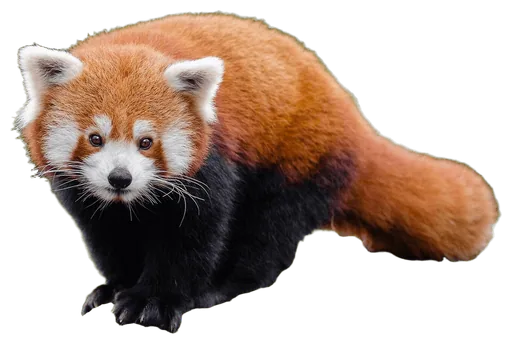
vs Fennec FoxWins · 59% · Slight edge 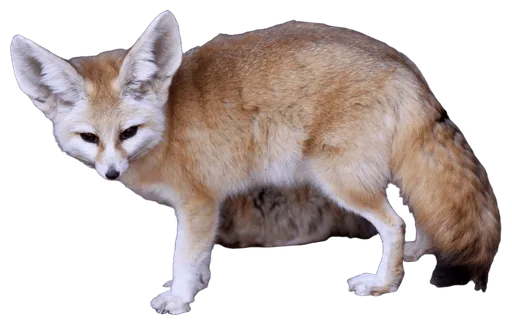 W vs Red PandaWins · 52% · Toss-up
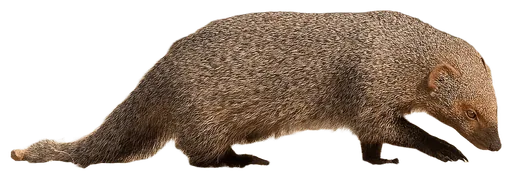
 W vs MongooseWins · 62% · Slight edge
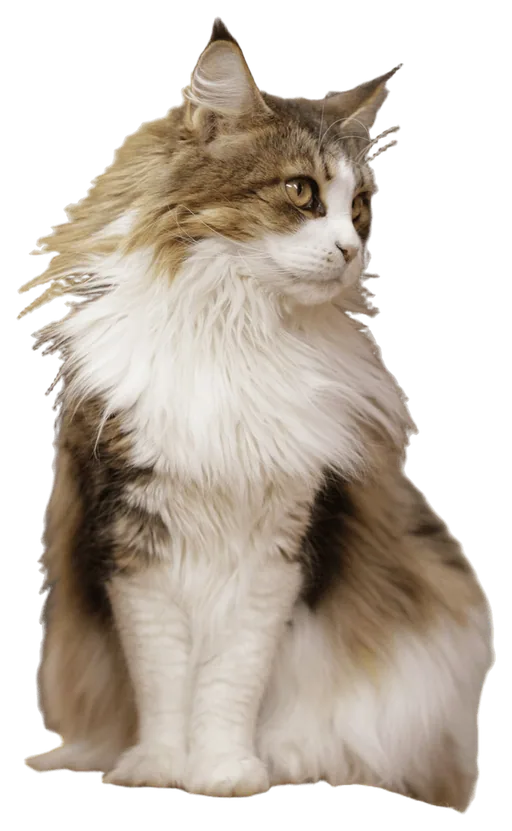
 W vs Maine CoonDraw · 50-50 · Dead even
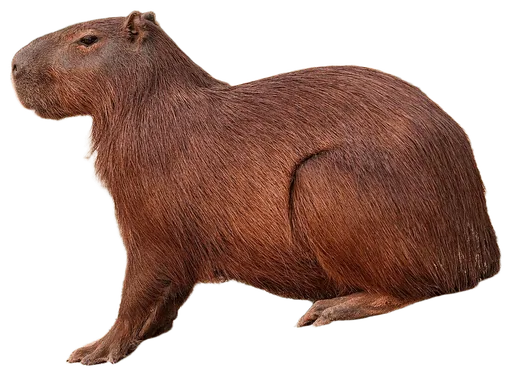
 D vs CapybaraLoses · 63% · Slight edge
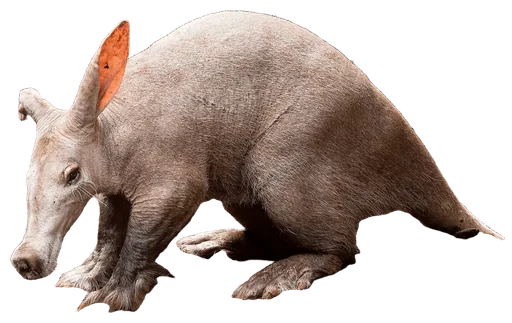
 L vs AardvarkLoses · 64% · Slight edge
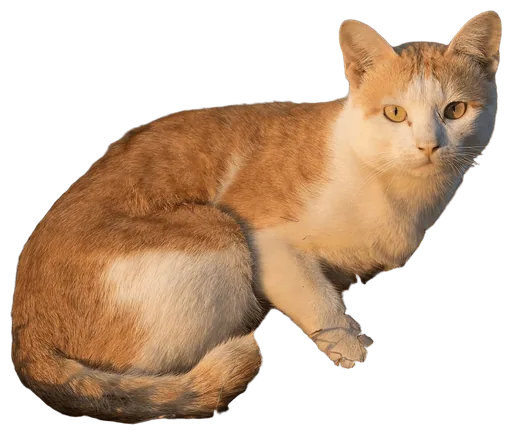
 L vs House CatWins · 54% · Toss-up
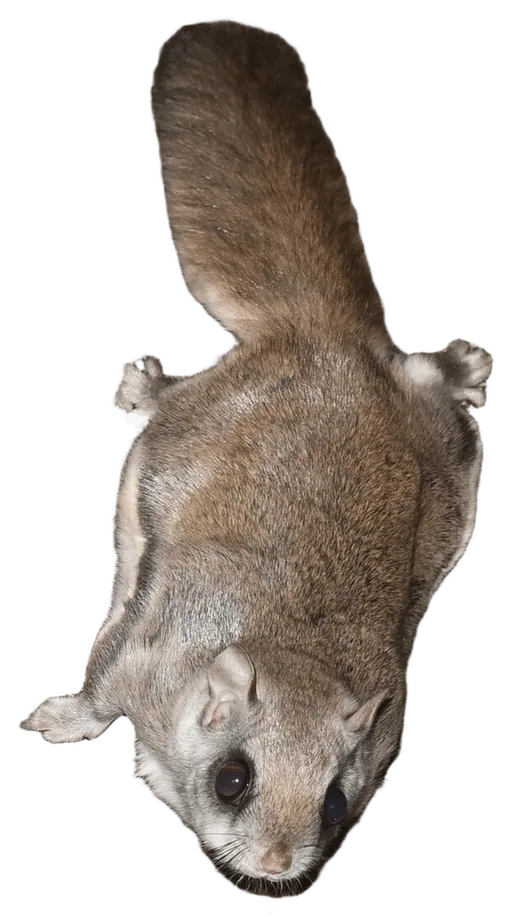
 W vs Flying SquirrelWins · 72% · Clear edge
 W
Howler Monkey battle analysis
A howler monkey's intimidating reputation begins with sound, not speed. Mature males carry a greatly enlarged vocal apparatus that turns respiratory cycles into low, far-carrying roars. Field experiments show that these calls are not simply random noise: males respond differently when a stranger's roar appears to come from inside the group's space versus at a border. The roar can therefore prevent some fights by advertising occupancy and can focus attention when an intrusion appears real.
Physically, A. caraya is a compact arboreal specialist. Its hands and feet grasp branches, while the long tail acts as another load-bearing contact. That architecture allows controlled movement in a three-dimensional canopy even though the species is not a high-speed primate. The tradeoff is energetic. Leaves dominate the diet in many populations, and field activity budgets show very high resting time. This is a monkey optimized to remain stable, digest difficult plant food and defend space economically, not to chase prey for kilometers.
In an ABS fight, environment matters enormously. Branches give the howler angles and escape paths unavailable to many ground animals. On flat open terrain, however, the same 7 kg male has little passive defense and only modest natural weapons. Its roar cannot injure an opponent, and its tail cannot somehow constrict one. The profile therefore keeps physical scores low while rewarding the genuine biology: precise arboreal anchoring, social-acoustic assessment and a specialized resonating system unique among the roster's primates.
Habitat & range
A. caraya occurs in South America, including Argentina, Paraguay, eastern Bolivia and Brazil. It occupies tropical/subtropical forest, gallery/riparian forest, semideciduous forest and forest-savanna mosaics. Argentina's National Parks database records it across multiple protected areas and forest structural types.
Diet & hunting
The species is primarily folivorous but seasonally uses fruit, flowers and buds. In an 11-month Cerrado-Pantanal ecotone study, observed diet was 72.8% leaves, 14.8% flowers, 8.2% fruits and 4.2% buds. Feeding choices shift with seasonal availability.
Social life
Groups are multi-individual social units. A northern Argentina population had mean troop sizes around 7.2-8.9, while another classic study found mean family size around seven. Group composition varies, and males can occur in multi-male groups with age grading and competition.
Conservation
The Argentina SIB page reports the current IUCN global category as Least Concern, while Argentina's national SAREM assessment lists the species as Vulnerable (2025). This difference is important: broad global status can coexist with serious regional habitat loss, fragmentation, hunting or disease risk.
Quick answers
How strong is a Howler Monkey?
On the Animal Battle Stats scale, the Howler Monkey has an attack rating of 27 and a power index of 42.9 out of 100, which ranks it #251 of 344 animals and puts it in C tier (Capable). Its strongest stat is agility (76).
How much does a Howler Monkey weigh?
A typical adult Howler Monkey weighs about 7 kg (15 lb). Rated specimen: Healthy fully mature adult male, 7.0 kg, 60.0 cm head-body length, with an approximately 60 cm prehensile tail.
How fast is a Howler Monkey?
There is no reliable measured top speed for the Howler Monkey, so we do not publish one. Its agility rating, which covers acceleration, reflexes and evasion, is 76 out of 100.
What does a Howler Monkey eat?
The species is primarily folivorous but seasonally uses fruit, flowers and buds. In an 11-month Cerrado-Pantanal ecotone study, observed diet was 72.8% leaves, 14.8% flowers, 8.2% fruits and 4.2% buds. Feeding choices shift with seasonal availability.
Is the Howler Monkey endangered?
No. The Howler Monkey is listed as Least Concern. The Argentina SIB page reports the current IUCN global category as Least Concern, while Argentina's national SAREM assessment lists the species as Vulnerable (2025). This difference is important: broad global status can coexist with serious regional habitat loss, fragmentation, hunting or disease risk.
What animals can beat a Howler Monkey?
Among its closest rivals, the Capybara (63%), the Aardvark (64%) would be favored against the Howler Monkey. It would be favored against the Fennec Fox, the Red Panda, the Mongoose, the House Cat, the Flying Squirrel. It is dead even with the Maine Coon: a draw.
Researched 2026-09-27. Ratings are editorial judgments built from these sources; measurements describe a healthy adult male.
- Thorington, Ruiz & Eisenberg, American Journal of PrimatologyMass, dimorphism, population/group structure
- Pope 1966, AJPADemography, dimorphism
- Argentina SIB / Parques NacionalesTaxonomy, dimensions, habitat, maturity, regional conservation
- Zoo ZagrebSex-specific size
- ADWMorphology, tail, diet, behavior, lifespan context
- Russo 2015, Anatomical RecordTail anatomy
- Rímoli et al., Oecologia AustralisActivity and diet
- Holzmann & Córdoba 2022, International Journal of PrimatologyAdult male roar individuality
- Holzmann & Areta 2020, EthologyRoar structure across habitats
- Kitchen et al. 2006, BehaviourRoar function/tactics
- Pérez-Granados & Schuchmann 2021, AJPCalling timing
- Kowalewski, Bravo & Zunino, Neotropical PrimatesMale aggression
- Dunn et al. 2015, Current BiologyHyoid/vocal mechanism
- Wikimedia Commons, Ryan E. PoplinImage identity/adult/sex/license
Photo: “Walking Alouatta palliata, Costa Rica.JPG” by Steven G. Johnson, CC BY-SA 3.0, background removed and cropped. Original
Suggest a correction