

House Cat
Felis catus
 #210 of 273
  Forest Hunter Domesticated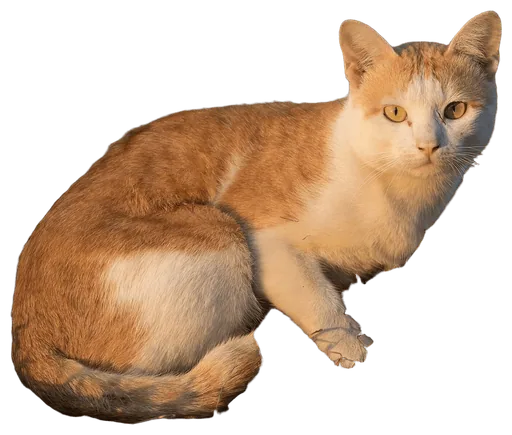
 Fight
FightPhoto: Basile Morin · CC BY-SA 4.0
The house cat is a 5 kg pocket predator with the same toolkit as small wild cats: stealth, a lightning pounce, retractable claws and a precise killing bite, backed by superb balance and ultrasonic hearing. It is deadly to mice and birds, but on the absolute scale it is a lightweight that cannot hurt large animals.
 Attack24
  Defense16
  Agility88
  Stamina48
  Intelligence63
  Special60
 Detailed ratings
Research-backed ratings on one 0–100 scale for all 273 animals (updated 2026-09-28). How ratings work
Special abilities
Ability 1Righting ReflexWhen a cat falls, its balance organs and flexible spine let it rotate to land feet-first, reducing injury and allowing it to recover position almost instantly.
 Ability 2Ultrasonic Ears
Cats hear from about 48 Hz up to about 85 kHz, far above human hearing, which lets them locate rodents by their high-pitched sounds and detect threats early.
Unique traits
 TraitWorld's Most Common Cat
Bred from Near Eastern wildcat stock and now living with people on every inhabited continent, the house cat is by far the most numerous member of the cat family.
TraitIsland InvaderFeral cats are listed among the world's 100 worst invasive alien species and have contributed to at least 14% of bird, mammal and reptile extinctions on islands.
How it fights
Weapons
- The house cat is a small ambush hunter with the same basic kit as small wild cats: stalking, a short explosive rush, a grab with retractable claws, and a killing bite to the nape of small prey. In a fight with another cat it also rakes with the hind claws while gripping with the forefeet. Its weapons are very effective against rodents, birds, lizards and insects, which is why free-roaming cats kill vast numbers of small animals. Against anything much larger than a rabbit, however, its 5 kg body cannot deliver serious damage.
 Struggles vs
- Very small absolute size and power.
- No armor or thick hide.
- Poor endurance in long chases.
- Weapons cannot seriously injure large animals.
- Weight
- 5 kg11 lb
- Height
- 25 cm9.8 in
- Length
- 76 cm29.9 in
- Top speed
- No reliable measurement
- Bite force
- No reliable measurement
- Lifespan
- 14 years
- Home biome
- Forest
- Lifestyle
- Mostly solitary, nocturnal
Rated specimen: Healthy mature intact adult male of about 5.0 kg, a typical non-obese tomcat rather than a giant breed or an overweight pet.
Fun facts
- Cats can hear sounds up to about 85 kHz, far above the human limit near 20 kHz.
- A cat buried beside a person in Cyprus about 9,500 years ago is one of the oldest signs of cats living with people.
- Genetic testing of 979 cats traced domestic cats to Near Eastern wildcat stock.
- In one feral-cat study, males had an estimated bite force of about 206 N, around a fifth more than females.
- Free-ranging cats in the contiguous US may kill billions of birds and mammals each year.
- A cat's claws are fully retractable and stay sharp because they are sheathed while walking.
Closest rivals by power. Tap one for the full breakdown, or pick any opponent.
vs Flying SquirrelWins · 50% · Toss-up 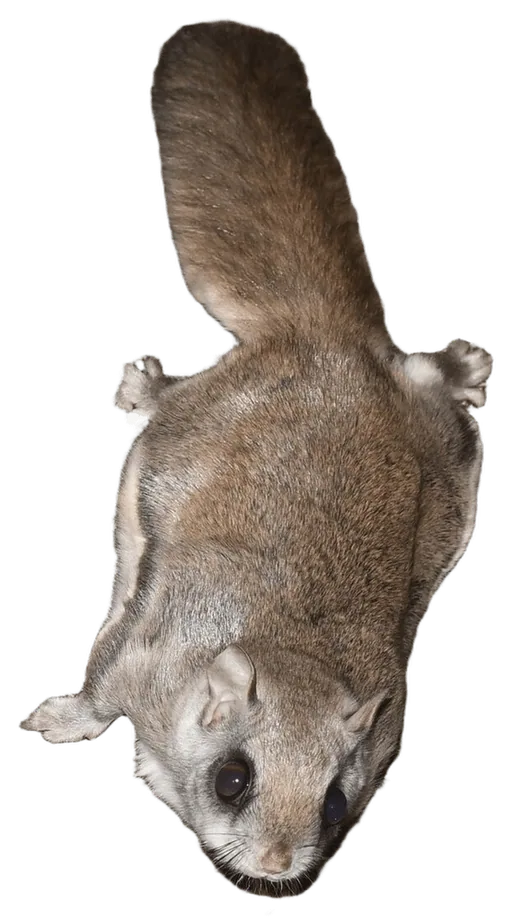 W vs Arctic FoxWins · 51% · Toss-up
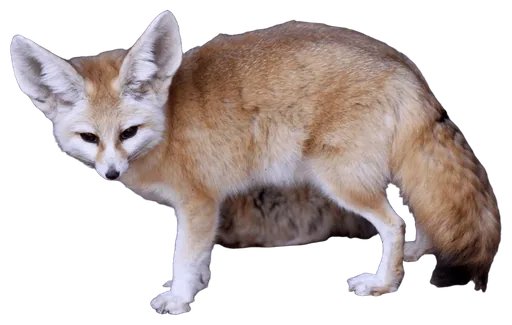
  W vs Fennec FoxLoses · 51% · Toss-up
  L vs Red PandaLoses · 51% · Toss-up
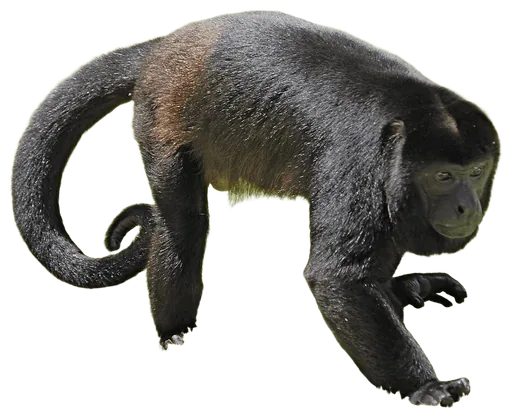
  L vs Howler MonkeyLoses · 52% · Toss-up
  L vs MongooseLoses · 52% · Toss-up
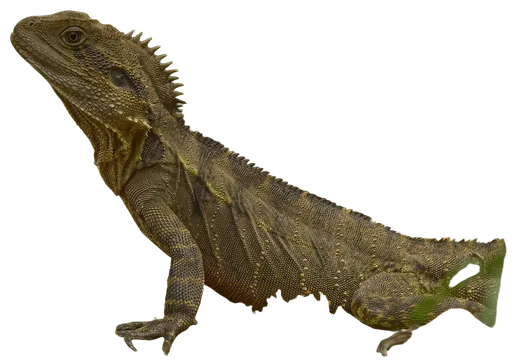
  L vs IguanaLoses · 50% · Toss-up
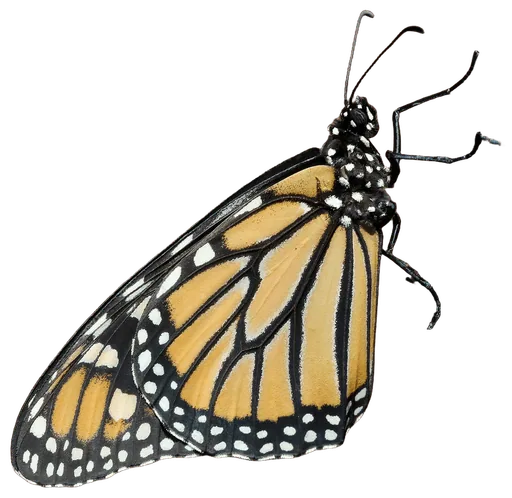
  L vs Monarch ButterflyWins · 50% · Toss-up
  W
W  Pick any opponent
 House Cat battle analysis
The house cat is the most familiar predator on Earth. Bred from Near Eastern wildcat stock and carried by people across the globe, it still hunts the way small wild cats do: it watches, creeps, waits, then explodes into a short rush and pins prey with its claws before a quick bite to the neck. Very flexible spine, strong hind legs, a righting reflex and hearing that reaches about 85 kHz make it one of the most capable small hunters anywhere.
That efficiency shows up in the numbers. Free-ranging cats are estimated to kill billions of birds and mammals each year in the United States alone, and feral cats on islands have helped drive many species to extinction. In a fight, cats can be fierce: an angry tomcat fights with bites, forefoot grabs and raking hind claws, and a cornered cat is hard to handle.
For ABS the key rule is absolute scale. Pound for pound the cat is formidable, but a 5 kg animal has very little absolute power, reach or durability. It therefore sits far below the leopard and well below the 10–17 kg wild cats such as the bobcat and caracal in Attack and Defense, while scoring high in Agility and Senses, where small size is not a handicap.
Habitat & range
Worldwide, wherever people live, from city apartments to farms, deserts, tropical islands and sub-Antarctic islands. Feral cats live independently of people in many of these places.
Diet & hunting
Obligate carnivores. Pet cats eat prepared food, but free-roaming cats hunt small mammals, birds, reptiles, amphibians and insects, and scavenge. A 2013 study estimated that free-ranging cats in the contiguous United States kill about 1.3–4.0 billion birds and 6.3–22.3 billion mammals each year, most of them killed by un-owned cats.
Social life
Solitary hunters with flexible social lives. Free-roaming cats can form colonies around food sources, where related females may nurse and guard each other's kittens. Males hold larger ranges and compete for females.
Conservation
Not applicable as a wild species; it is a Domesticated animal. Its conservation relevance is as a threat: feral and free-ranging cats are listed by IUCN among the 100 of the World's Worst Invasive Alien Species, and on islands they are implicated in at least 14% of bird, mammal and reptile extinctions and threaten at least 175 vertebrate taxa.
Quick answers
How strong is a House Cat?
On the Animal Battle Stats scale, the House Cat has an attack rating of 24 and a power index of 41.9 out of 100, which ranks it #210 of 273 animals and puts it in D tier (Underdog). Its strongest stat is agility (88).
How much does a House Cat weigh?
A typical adult House Cat weighs about 5 kg (11 lb). Rated specimen: healthy mature intact adult male of about 5.0 kg, a typical non-obese tomcat rather than a giant breed or an overweight pet.
How fast is a House Cat?
There is no reliable measured top speed for the House Cat, so we do not publish one. Its agility rating, which covers acceleration, reflexes and evasion, is 88 out of 100.
What does a House Cat eat?
Obligate carnivores. Pet cats eat prepared food, but free-roaming cats hunt small mammals, birds, reptiles, amphibians and insects, and scavenge. A 2013 study estimated that free-ranging cats in the contiguous United States kill about 1.3–4.0 billion birds and 6.3–22.3 billion mammals each year, most of them killed by un-owned cats.
Is the House Cat endangered?
The House Cat's conservation status is Domesticated. Not applicable as a wild species; it is a Domesticated animal. Its conservation relevance is as a threat: feral and free-ranging cats are listed by IUCN among the 100 of the World's Worst Invasive Alien Species, and on islands they are implicated in at least 14% of bird, mammal and reptile extinctions and threaten at least 175 vertebrate taxa.
What animals can beat a House Cat?
Among its closest rivals, the Fennec Fox (51%), the Red Panda (51%), the Howler Monkey (52%), the Mongoose (52%), the Iguana (50%) would be favored against the House Cat. It would be favored against the Flying Squirrel, the Arctic Fox, the Monarch Butterfly.
Researched 2026-09-28. Ratings are editorial judgments built from these sources; measurements describe a healthy adult male.
- Animal Diversity Web, Felis catusmass, length
- Britannica, physical features of domestic catssize, anatomy
- Body Size and Bite Force of Stray and Feral Cats, Animals (2020)bite force, dimorphism
- Bite Forces and Their Measurement in Dogs and Cats (review)bite force context
- Heffner and Heffner 1985, Hearing range of the domestic cathearing
- Loss, Will and Marra 2013, Nature Communicationspredation impact
- Medina et al. 2011, Global Change Biologyisland impacts
- The Wildlife Society issue statementinvasive status
- Driscoll et al. 2007, Sciencedomestic origin
- Science News, cat DNA studyCyprus burial
- International Cat Care, origins of catsdomestic history
- Psychology Today, super senses of catslow-light vision
- Catster, how fast can a house cat runspeed claim
- Commons, Orange Tabby Full Bodyimage candidate
Photo: “Felis silvestris catus sitting on rice straw.jpg” by Basile Morin, CC BY-SA 4.0, background removed and cropped. Original
Suggest a correction