
Hornet
Vespa crabroD tier · Underdog17th of 30 bugs & spiders
Size & speed
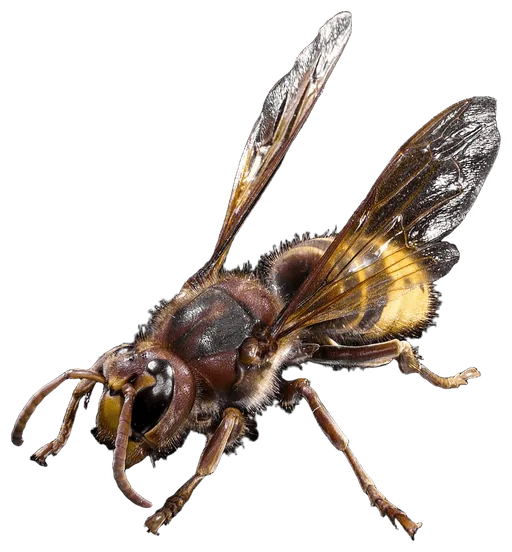
- Weight
- 800 mg0.028 oz
- Length
- 3.2 cm1.3 in
- Top speed
- 7 km/h4 mph
1 of them weigh as much as a paperclip
Heavier than 1% of animalsAbout 1.3 coins long
Bigger than 2% of animalsAbout jogging speed
Faster than 6% of animalsThe European hornet is a large eusocial wasp whose individual combat value comes from agile flight and a reusable venomous sting, not brute force. A mature queen is only around a gram, keeping absolute Attack and Defense very low, but three-dimensional maneuvering and a roughly 5.4 mm venom-delivery sting make it a dangerous specialist against other arthropods.
Detailed ratings
Research-backed ratings on one 0–100 scale for all 344 animals (updated 2026-09-27). How ratings work


Card No. 311 of 344. Every animal on Animal Battle Stats has one: its power, tier and archetype on the front; its six battle stats, abilities and signature move on the back.
Special abilities
A female can use the approximately 5.4 mm sting repeatedly to inject venom, allowing hit-disengage-hit combat rather than a one-use attack.
Powered flight combines with a venom-delivery weapon, letting the hornet attack from three dimensions and disengage from many terrestrial arthropods.
Unique traits
European hornets remain active in low light; experiments show workers adjust flight speed as illumination falls rather than simply losing flight capability.
An annual eusocial colony divides queen, worker and male roles and can concentrate hundreds of workers around a defended cavity, while individual ABS power remains unmultiplied.
How it fights
Weapons
- The primary weapon is the female sting, a roughly 5.4 mm piercing venom-delivery apparatus. Flight allows the hornet to approach from above or behind, disengage, and re-engage. Mandibles are important against arthropod prey and for cutting, but their absolute force is tiny on the full roster scale.
Struggles vs
- Sub-gram body mass gives negligible absolute force against medium and large vertebrates.
- Thin exoskeleton cannot withstand a clean vertebrate strike or bite.
- Cold conditions constrain insect performance despite thermoregulatory ability.
- Venom effect is strongly dose- and target-dependent.
- Queen is larger but is not the routine hunting caste, so some behavioral evidence comes from workers.
- Weight
- 800 mg0.028 oz
- Height
- No reliable measurement
- Length
- 3.2 cm1.3 in
- Top speed
- 7 km/h4 mph
- Bite force
- No reliable measurement
- Lifespan
- 1 years
- Home biome
- Forest
- Lifestyle
- Social
Rated specimen: Healthy mature adult queen, approximately 0.0008 kg (0.8 g) and 3.2 cm long.
Fun facts
- European hornet queens can reach about 35 mm, substantially larger than workers.
- A comparative study measured the sting at about 5.39 mm.
- Worker body mass in thermoregulation research averaged about 477.5 mg.
- Low light causes workers to reduce flight speed, showing active adjustment of flight behavior.
- In a 15-nest genetic study, males were queen-produced rather than worker-produced.
- Hornet venom is demonstrably toxic to other hornets, so they are not immune to their own venom.
Closest rivals by power. Tap one for the full breakdown, or pick any opponent.
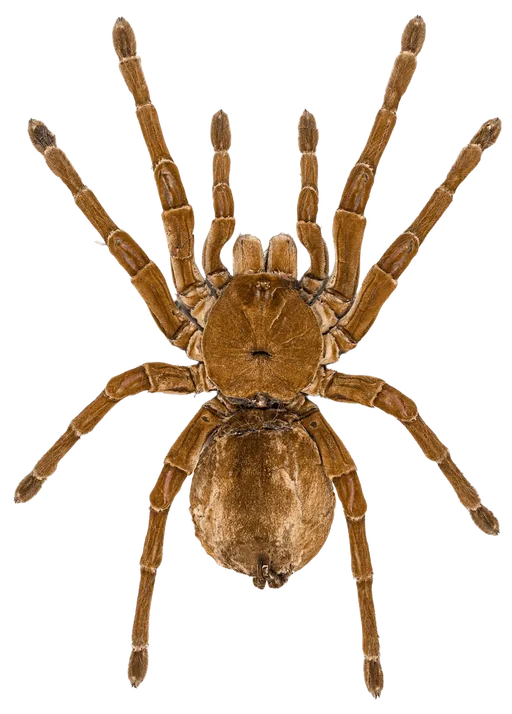
vs Bullet AntLoses · 55% · Toss-up 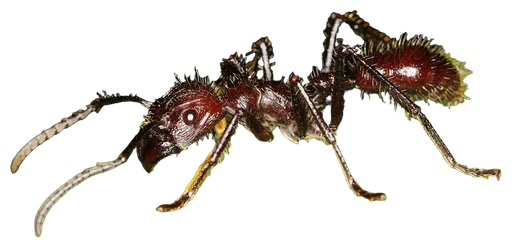 L vs Goliath BirdeaterLoses · 78% · Clear edge
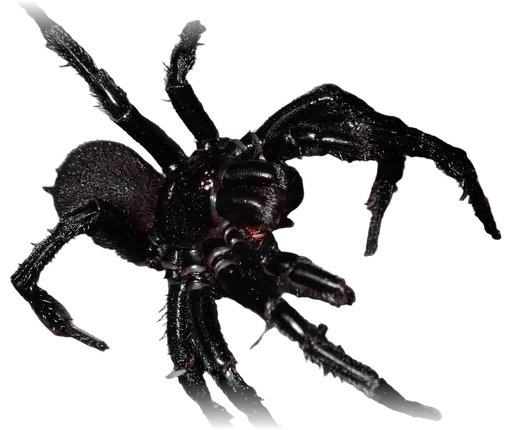
 L vs Sydney Funnel-web SpiderLoses · 57% · Toss-up
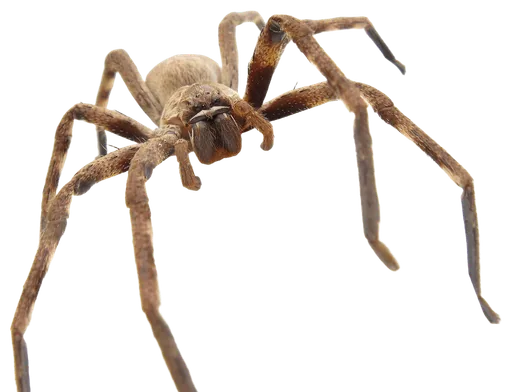
 L vs Huntsman SpiderLoses · 76% · Clear edge
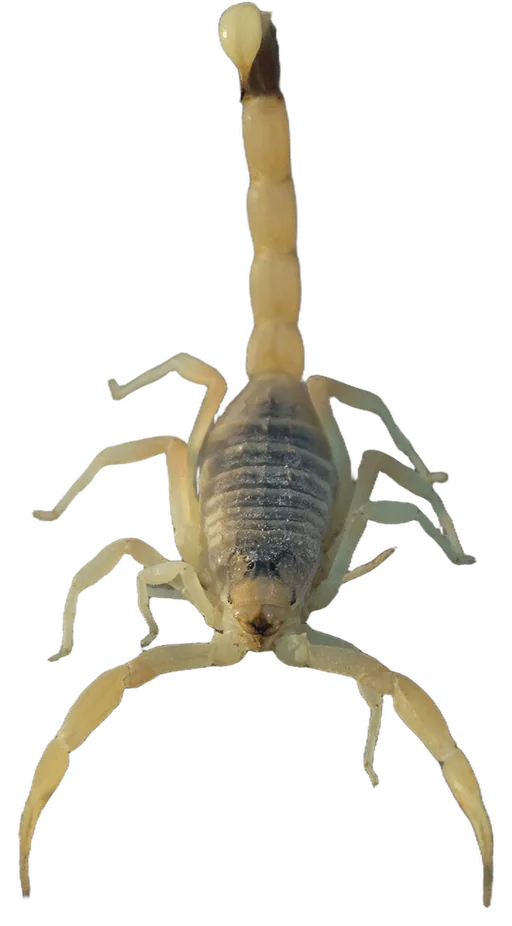
 L vs Deathstalker ScorpionLoses · 57% · Toss-up
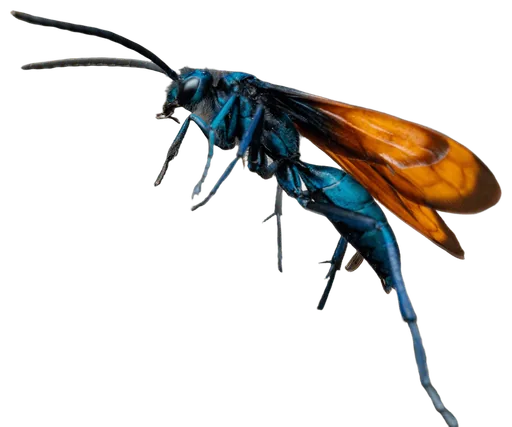
 L vs Tarantula HawkLoses · 54% · Toss-up
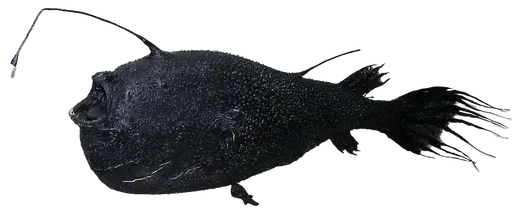
 L vs AnglerfishLoses · 72% · Clear edge
 L vs Africanized Honey BeeWins · 67% · Slight edge
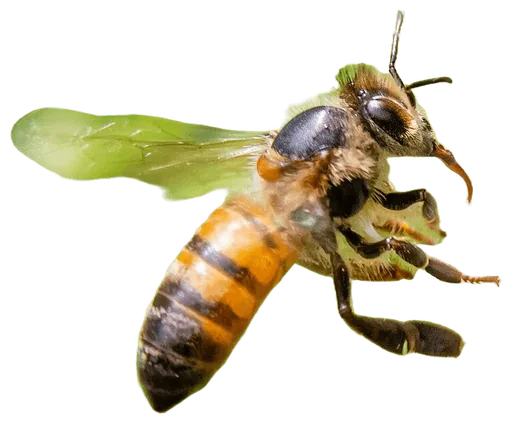 W
Hornet battle analysis
The hornet is a strong test of ABS's absolute scaling. At insect scale, Vespa crabro is a heavyweight aerial predator with a substantial sting, strong mandibles and sophisticated flight control. Across a roster containing wolves, bears and megafauna, however, the same animal has almost negligible raw force and durability. The correct profile therefore preserves a huge gap in physical stats while rewarding the mechanisms that genuinely change matchups.
Its most important weapon is not simply a sharp point. The female sting delivers a complex venom that has experimentally measurable toxicity to other hornets and other insects. Because the sting can be used repeatedly, flight permits a pattern of approach, injection and disengagement. That combination deserves a high Special score even though Attack stays low in absolute terms.
The species is also behaviorally more nuanced than a generic 'angry hornet' stereotype. European hornets forage, process prey, navigate back to cavity nests and operate in a seasonal division-of-labor society. Colony defense can involve many workers, but the individual battle model must not turn hundreds of nestmates into one individual's power. This separation between individual mechanics and colony ecology prevents sociality from becoming hidden stat inflation.
Habitat & range
Vespa crabro is native across much of Europe and Asia and was introduced to eastern North America in the nineteenth century. Penn State records it as established across much of eastern North America. Nests are commonly built in protected cavities such as hollow trees and wall voids.
Diet & hunting
Adults take sugary resources including sap, nectar and fruit. Workers hunt insects to provision developing larvae, making the species both a pollinator/flower visitor in some contexts and a predator of other arthropods.
Social life
A mated queen overwinters, emerges in spring, founds a nest and raises the first workers. Workers then assume foraging, nest construction and brood care. Colonies peak in late summer, produce males and new queens, and collapse with cold weather; newly mated queens survive to repeat the cycle.
Conservation
European hornets are ecologically useful insect predators but can conflict with people when nesting in structures. Stings are medically important because venom can cause intense local effects and allergic reactions, but the species should not be represented as automatically lethal to humans. Introduced North American populations are well established.
Quick answers
How strong is a Hornet?
On the Animal Battle Stats scale, the Hornet has an attack rating of 10 and a power index of 32.8 out of 100, which ranks it #311 of 344 animals and puts it in D tier (Underdog). Its strongest stat is agility (79).
How much does a Hornet weigh?
A typical adult Hornet weighs about 800 mg (0.028 oz). Rated specimen: healthy mature adult queen, approximately 0.0008 kg (0.8 g) and 3.2 cm long.
How fast is a Hornet?
The Hornet's top speed is about 7 km/h (4 mph). Its agility rating is 79 out of 100.
What does a Hornet eat?
Adults take sugary resources including sap, nectar and fruit. Workers hunt insects to provision developing larvae, making the species both a pollinator/flower visitor in some contexts and a predator of other arthropods.
What animals can beat a Hornet?
Among its closest rivals, the Bullet Ant (55%), the Goliath Birdeater (78%), the Sydney Funnel-web Spider (57%), the Huntsman Spider (76%), the Deathstalker Scorpion (57%), the Tarantula Hawk (54%), the Anglerfish (72%) would be favored against the Hornet. It would be favored against the Africanized Honey Bee.
Researched 2026-09-27. Ratings are editorial judgments built from these sources; measurements describe a healthy adult female.
- 1. Penn State Extension, European Hornetexact taxonomy, native/introduced range, workers to 25 mm, queens to 35 mm. High institutional synthesis.
- 2. Buck, Marshall & Cheung, Canadian Journal of Arthropod Identificationspecies diagnosis and forewing measurements, 16–20 mm workers and about 22–24 mm larger females. High taxonomic reference.
- 3. Kovac & Stabentheiner 2012, Biology Openworker mass 477.5 ± 59.9 mg and thermal physiology. High peer-reviewed worker data; not queen mass.
- 4. Spiewok & Schmolz 2006, Physiological and Biochemical Zoologyexperimental effects of temperature/light on flight performance; later literature cites about 1.86 m/s. High for experimental flight physiology; not a free-flight maximum trial.
- 5. Kairo et al. 2018, Pest Management Sciencecompiled V. crabro mass 0.495–0.900 g and flight 1.34–5.9 m/s. Moderate-high synthesis; ranges combine literature and should not be treated as queen-specific maxima.
- 6. Stetsun & Matushkina 2020, Entomological Sciencedetailed sting morphology. High peer-reviewed anatomy.
- 7. van der Vecht et al./comparative sting-length study 2018V. crabro sting 5.39 ± 0.28 mm, relative sting length 0.60. High comparative measurement.
- 8. Nadolski 2013, Journal of Venomous Animals and Toxins including Tropical Diseasesown-species worker LD50 4.0 mg/kg; summarizes rodent and insect toxicity literature. High for experiment; LD50 is not delivered dose per sting.
- 9. Foster et al. 2000, Molecular Ecology15 nests, 282 males, 500 worker ovary dissections, 50 h observation; colony kin/reproduction evidence. High peer-reviewed social biology.
- 10. Missouri Department of Conservation, European Hornetannual colony cycle and typical peak colony size. High agency synthesis.
- 11. Wikimedia Commons image candidateexact queen, 2048x1536, CC BY-SA 4.0, own work. High for identity/caste/license; visually inspected for complete framing.
Photo: “Frelon europeen.jpg” by Didier Descouens, CC BY-SA 4.0, background removed and cropped. Original
Suggest a correction