
Honey Badger
Mellivora capensisB tier · Strong71st of 163 mammals
Size & speed

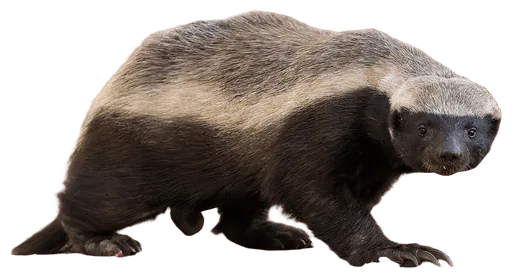
- Weight
- 14 kg31 lb
- Length
- 72 cm28.3 in
As heavy as 3.1 house cats
Heavier than 50% of animalsAbout 2.4 rulers long
Bigger than 34% of animalsThe honey badger is a compact, wide-ranging mustelid built for excavation and stubborn close combat. A mature male is only about 14 kg, so its absolute power is limited, but strong jaws and claws, thick loose skin, high ranging endurance and molecular resistance to snake alpha-neurotoxins make it unusually difficult to handle for its size.
Detailed ratings
Research-backed ratings on one 0–100 scale for all 344 animals (updated 2026-09-27). How ratings work


Card No. 111 of 344. Every animal on Animal Battle Stats has one: its power, tier and archetype on the front; its six battle stats, abilities and signature move on the back.
Special abilities
Functionally important substitutions in muscular nicotinic acetylcholine receptors impede binding of snake alpha-neurotoxins, reducing vulnerability to an important elapid venom mechanism without granting universal venom immunity.
Thick, unusually mobile skin lets the animal twist within a superficial hold and reorient its jaws toward an attacker, making simple grappling less reliable.
Unique traits
Massive foreclaws, short limbs and developed shoulders make rapid digging central to prey capture, refuge use and close-range leverage.
Males can use enormous ranges and the species switches prey with seasonal availability, coupling mobility with unusually broad dietary flexibility.
How it fights
Weapons
- The primary weapon is a powerful close-range bite backed by a short, robust neck and compact body. The foreclaws provide digging, raking and grappling utility. Honey badgers commonly excavate prey, break into nests and tackle snakes and other small vertebrates. They are not built for long-reach striking or high-speed pursuit.
Struggles vs
- Only about 14 kg, creating a severe absolute-power disadvantage against large carnivores and megafauna.
- Short reach and no long-range weapon.
- No true armor despite thick loose skin.
- No verified elite sprint speed.
- Venom resistance is toxin-specific and partial, not blanket immunity.
- Weight
- 14 kg31 lb
- Height
- 26 cm10.2 in
- Length
- 72 cm28.3 in
- Top speed
- No reliable measurement
- Bite force
- No reliable measurement
- Lifespan
- 7.5 years
- Home biome
- Savanna
- Lifestyle
- Mostly solitary, nocturnal
Rated specimen: Healthy fully mature adult male, 14.0 kg, approximately 72.0 cm head-body length, 26.0 cm shoulder height.
Fun facts
- The honey badger is the only living species in genus Mellivora.
- In the southern Kalahari, adult male home ranges averaged more than four times the female mean.
- Field-observed prey ranged from tiny 2 g items to prey around 2 kg.
- Its snake-venom resistance has a demonstrated molecular basis at the same receptor targeted by alpha-neurotoxins.
- Males traveled farther and faster during active periods than females in radio-tracking research.
- Despite the name, detailed diet studies show honey is only one part of a broad, seasonally changing menu.
Closest rivals by power. Tap one for the full breakdown, or pick any opponent.
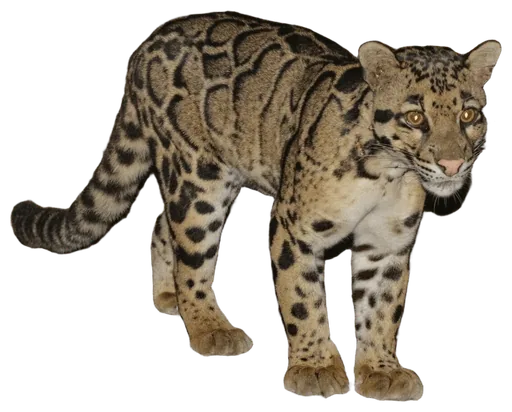
vs IbexLoses · 61% · Slight edge 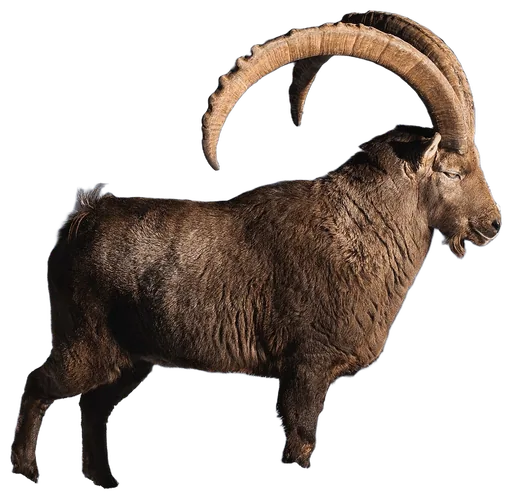 L vs Clouded LeopardLoses · 53% · Toss-up
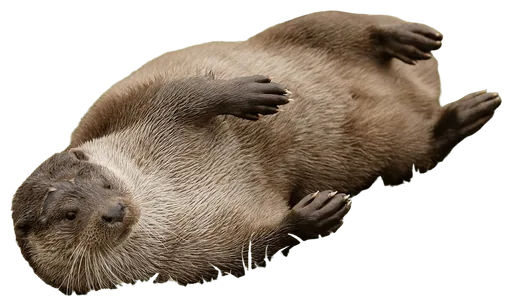
 L vs OtterDraw · 50-50 · Dead even
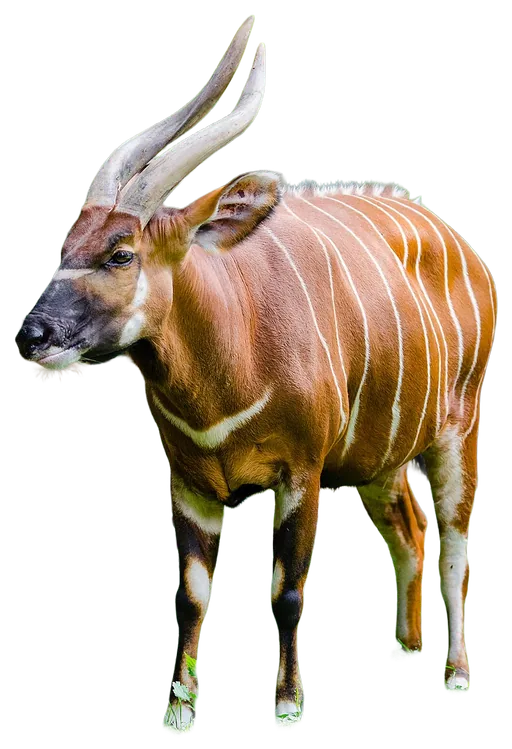
 D vs BongoLoses · 68% · Slight edge
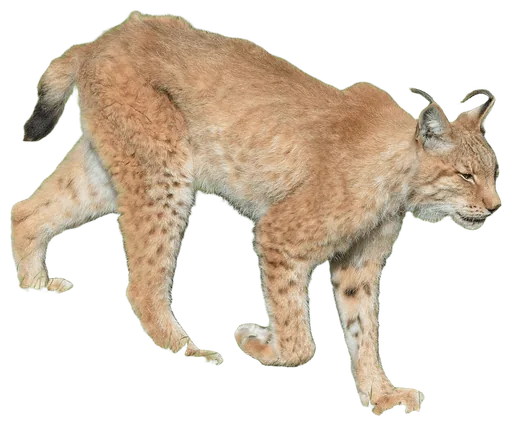
 L vs LynxLoses · 54% · Toss-up
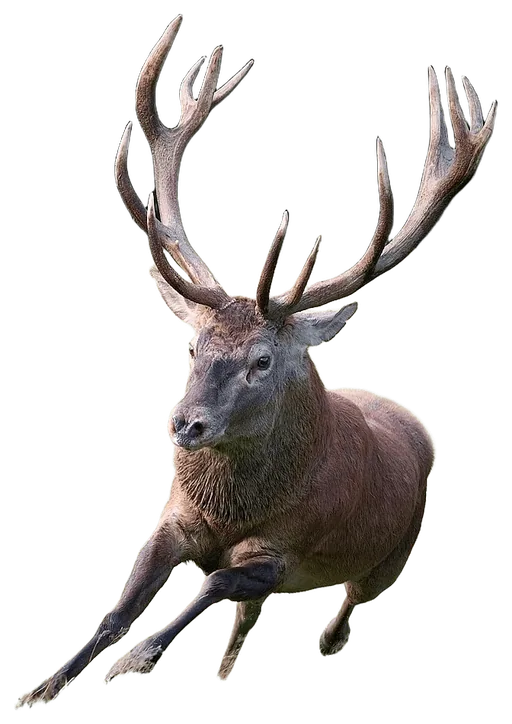
 L vs Red DeerLoses · 65% · Slight edge
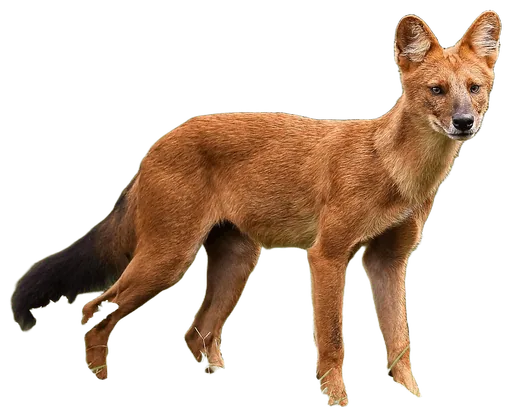
 L vs DholeLoses · 53% · Toss-up
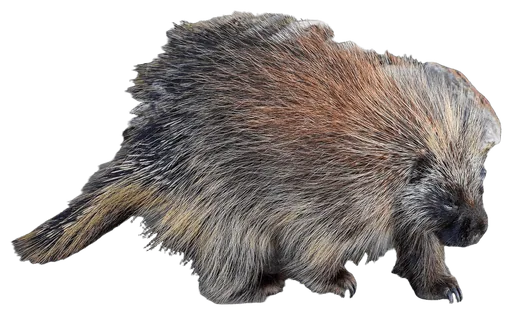
 L vs PorcupineDraw · 50-50 · Dead even
 D
Honey Badger battle analysis
The honey badger's real biology is more interesting than its internet exaggeration. It is not an indestructible miniature tank. It is a small but exceptionally well-equipped generalist whose specializations solve specific ecological problems. Strong forequarters open burrows and nests, a robust bite handles diverse prey, and loose skin makes a superficial grab less decisive than it would be on many similarly sized mammals.
Its strongest special claim also has unusually good mechanistic evidence. Honey badgers prey on venomous snakes, and molecular work shows changes in the muscular nicotinic acetylcholine receptor that impede binding by snake alpha-neurotoxins. That does not make the animal immune to all venom. In ABS terms, it is a matchup-specific resistance and belongs primarily in Special, not as a blanket increase to Defense.
The Kalahari movement record also corrects another common distortion. Honey badgers are not merely explosive brawlers. Adult males range across hundreds of square kilometres and can cover substantial distances during an active period. Their Stamina can therefore be strong even while maximum sprint speed remains unresolved. The resulting profile stays disciplined on the absolute scale: impressive toughness and special biology, but Attack and Defense remain far below much larger predators and megafauna.
Habitat & range
Honey badgers occupy a vast range across much of sub-Saharan Africa and extend through parts of North/East Africa, the Arabian region, southwest/central Asia and the Indian subcontinent. They tolerate habitats from semidesert and savanna to woodland and forest, provided prey and shelter are available.
Diet & hunting
They are opportunistic omnivorous carnivorans. Small mammals, reptiles including snakes, birds, eggs, amphibians and arthropods are important animal foods; bee brood and honey are taken when hives are exploited, and fruits, roots or bulbs can supplement the diet. Detailed Kalahari observations show active prey switching rather than dependence on honey.
Social life
Honey badgers are predominantly solitary. Adult male home ranges in the southern Kalahari averaged 541 ± 93 km², versus 126 ± 13 km² for females, and a male range could overlap those of many females. Females provide prolonged care, with cub dependence reported around 12–16 months in the Kalahari literature. ADW reports females maturing around 12–16 months and males around 2–3 years.
Conservation
The species is generally treated as Least Concern globally, but local pressures include persecution, trapping, road mortality and conflict with beekeepers or poultry keepers. Its broad distribution should not obscure local declines or fragmented populations.
Quick answers
How strong is a Honey Badger?
On the Animal Battle Stats scale, the Honey Badger has an attack rating of 42 and a power index of 55.1 out of 100, which ranks it #111 of 344 animals and puts it in B tier (Strong). Its strongest stat is special (80).
How much does a Honey Badger weigh?
A typical adult Honey Badger weighs about 14 kg (31 lb). Rated specimen: healthy fully mature adult male, 14.0 kg, approximately 72.0 cm head-body length, 26.0 cm shoulder height.
How fast is a Honey Badger?
There is no reliable measured top speed for the Honey Badger, so we do not publish one. Its agility rating, which covers acceleration, reflexes and evasion, is 61 out of 100.
What does a Honey Badger eat?
They are opportunistic omnivorous carnivorans. Small mammals, reptiles including snakes, birds, eggs, amphibians and arthropods are important animal foods; bee brood and honey are taken when hives are exploited, and fruits, roots or bulbs can supplement the diet. Detailed Kalahari observations show active prey switching rather than dependence on honey.
Is the Honey Badger endangered?
No. The Honey Badger is listed as Least Concern. The species is generally treated as Least Concern globally, but local pressures include persecution, trapping, road mortality and conflict with beekeepers or poultry keepers. Its broad distribution should not obscure local declines or fragmented populations.
What animals can beat a Honey Badger?
Among its closest rivals, the Ibex (61%), the Clouded Leopard (53%), the Bongo (68%), the Lynx (54%), the Red Deer (65%), the Dhole (53%) would be favored against the Honey Badger. It would be favored against none of them. It is dead even with the Otter, the Porcupine: a draw.
Researched 2026-09-27. Ratings are editorial judgments built from these sources; measurements describe a healthy adult male.
- Begg et al., Journal of Zoology, diet/foragingdiet, dimorphism, foraging
- Begg et al., Journal of Zoology, spatial organizationhome range, travel, social spacing
- Kheswa et al., Mammalian Biologymass, range ecology
- Drabeck, Dean & Jansa, Toxiconvenom resistance
- Animal Diversity Weblifespan, reproduction, behavior, diet
- African Wildlife Foundationmorphology, habitat, lifespan
- American Society of Mammalogists image libraryimage anatomy/taxon
- Wikimedia Commons / Bernard DUPONTprimary image candidate
- U.S. Fish & Wildlife Servicetaxonomy
Photo: “Honey Badger.jpg” by Sumeet Moghe, CC BY-SA 4.0, background removed and cropped. Original
Suggest a correction