
Hellbender
Cryptobranchus alleganiensis alleganiensisF tier · Snack3rd of 6 amphibians
Size & speed

- Weight
- 1 kg2 lb
- Length
- 50 cm19.7 in
As heavy as 5 smartphones
Heavier than 19% of animalsAbout 1.7 rulers long
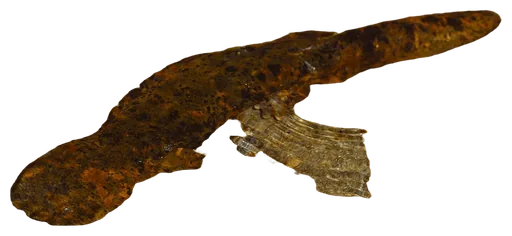
Bigger than 23% of animalsThe eastern hellbender is a giant fully aquatic salamander built for life beneath rocks in cold, fast streams. It is a low-power ambush predator whose real battle advantages are concealment, a muscular swimming tail, vibration and chemical sensing, slippery defensive mucus and extraordinary skin-based respiration. Those features work best underwater and do not compensate for its soft body against much larger opponents.
Detailed ratings
Research-backed ratings on one 0–100 scale for all 344 animals (updated 2026-09-27). How ratings work


Card No. 320 of 344. Every animal on Animal Battle Stats has one: its power, tier and archetype on the front; its six battle stats, abilities and signature move on the back.
Special abilities
Lateral-line receptors detect nearby water movement and pressure changes, helping the hellbender localize activity in darkness despite weak eyesight.
Copious slippery mucus, including foul/bitter defensive secretion, can make grasping and ingestion less attractive to predators.
Unique traits
Extensive lateral skin folds increase surface area for near-total cutaneous gas exchange in oxygen-rich streams.
Breeding males secure nest cavities, fertilize eggs externally and guard the clutch for weeks, giving the species a rare paternal territorial phase.
How it fights
Weapons
- The hellbender is an ambush predator, commonly waiting beneath cover rocks with its head exposed. Crayfish dominate adult diets; fish and other invertebrates supplement them. Its broad mouth and suction-assisted feeding are effective on small aquatic prey, but absolute bite damage and reach are low on the 225-animal scale.
Struggles vs
- Entirely aquatic and physiologically dependent on well-oxygenated water.
- Soft, permeable skin is poor protection from large teeth, claws or crushing.
- Poor eyesight and limited terrestrial capability.
- Sediment can degrade shelter/nest habitat and respiratory conditions.
- Ambush specialization offers little against large, fast, open-water attackers.
- Weight
- 1 kg2 lb
- Height
- No reliable measurement
- Length
- 50 cm19.7 in
- Top speed
- No reliable measurement
- Bite force
- No reliable measurement
- Lifespan
- 25 years
- Home biome
- Wetlands
- Lifestyle
- Social
Rated specimen: Healthy mature male, 1.0 kg and 50.0 cm total length.
Fun facts
- Hellbenders are the largest salamanders in North America.
- Adults retain small open gill slits even though they rely primarily on their skin for oxygen uptake.
- They are popularly called "snot otters" and "lasagna lizards."
- Males provide the egg guarding after fertilization.
- Despite small usual home ranges, documented movements can reach about 8 miles.
- Their loose side folds are functional respiratory surface, not merely wrinkled skin.
Closest rivals by power. Tap one for the full breakdown, or pick any opponent.
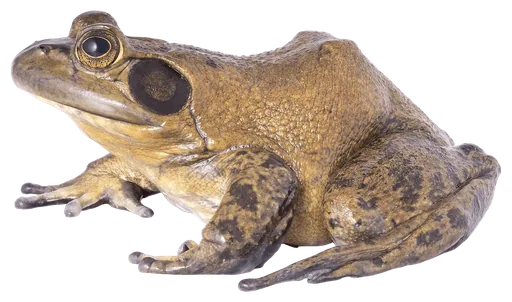
vs Red-Eyed Tree FrogWins · 72% · Clear edge 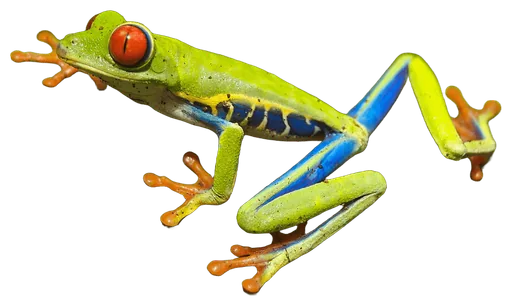 W vs BullfrogWins · 55% · Toss-up
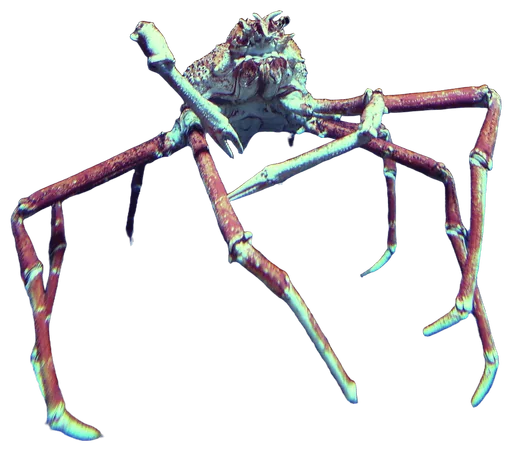
 W vs Japanese Spider CrabLoses · 64% · Slight edge
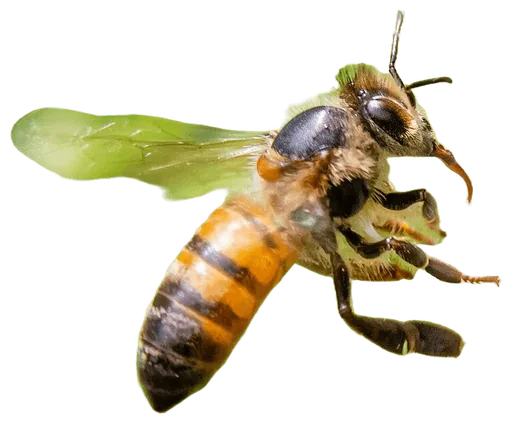
 L vs Africanized Honey BeeWins · 90% · Decisive
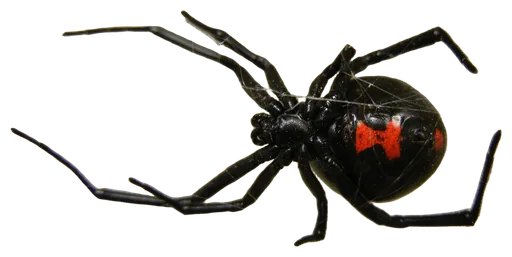
 W vs Black WidowWins · 83% · Clear edge
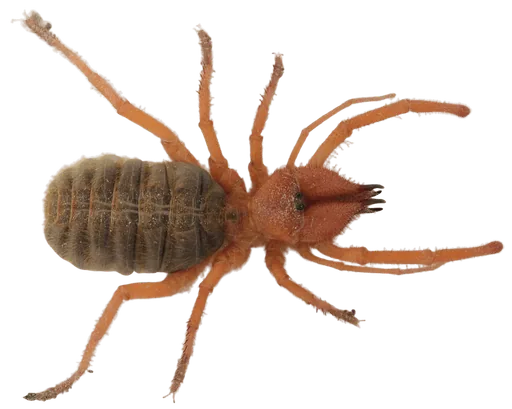
 W vs Camel SpiderWins · 66% · Slight edge
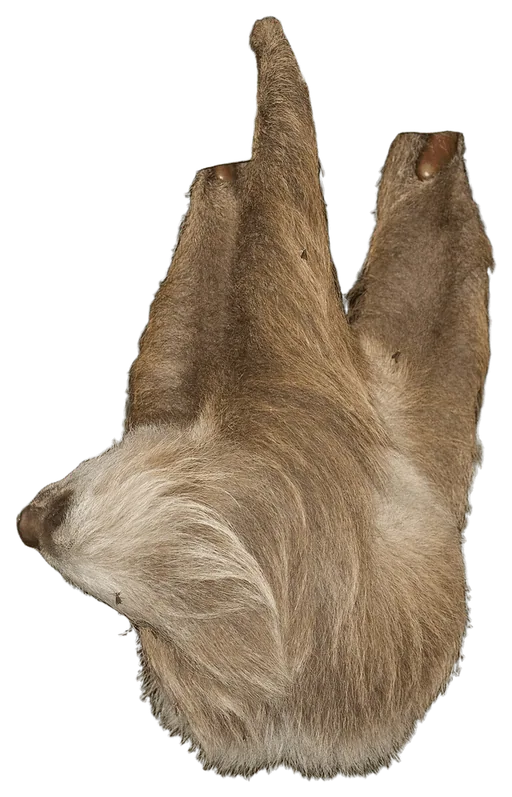
 W vs SlothLoses · 58% · Slight edge
 L vs SalamanderWins · 65% · Slight edge
 W
Hellbender battle analysis
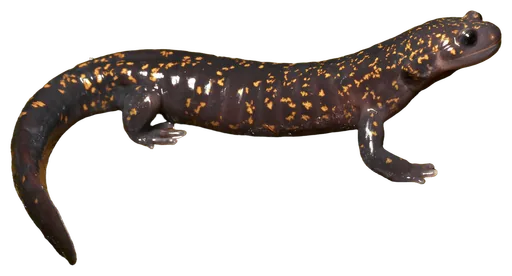
A hellbender looks heavy and ungainly, but its body is a specialized stream machine. The broad flattened head and torso slide beneath cover rocks, the muscular tail controls movement in current, and wrinkled lateral folds turn much of the skin into respiratory surface. Because its eyesight is poor, it reads the underwater environment through chemical information and a lateral line sensitive to pressure and vibration.
Its combat niche is correspondingly narrow. The animal waits near cover and takes crayfish and other small prey at close range. Against something of comparable scale, surprise, suction-assisted capture and the ability to retreat beneath a rock can matter. A predator trying to seize it also has to contend with slippery, unpleasant mucus. But none of this makes the hellbender physically powerful in absolute terms. At roughly a kilogram, it has no armor, no venom and no evidence-backed high-force bite. Large predators overwhelm the soft body if they can deny it cover.
This makes the hellbender a useful calibration case for ABS: Special and Senses can be meaningful without inflating Attack, Defense or Raw Power. Its specializations are real and unusual, but tightly coupled to clean, oxygen-rich running water.
Habitat & range
Eastern hellbenders occupy perennial cool streams and rivers across the eastern and central United States, requiring abundant large flat rocks and well-oxygenated water. USFWS recognizes the eastern subspecies separately from the Ozark hellbender.
Diet & hunting
Adults are nocturnal benthic carnivores dominated by crayfish, with fish and other aquatic prey taken opportunistically. Their presence is widely treated as an indicator of high-quality stream habitat.
Social life
Adults are mainly solitary. Sexual maturity occurs roughly at 5-8 years. Breeding occurs in late summer/autumn depending on population. Females deposit strings of eggs in male nest cavities; males fertilize externally, drive females out, then guard eggs. Smithsonian reports hatching after roughly 68-75 days.
Conservation
The range-wide eastern hellbender was proposed for U.S. Endangered Species Act listing on December 13, 2024, but as of the fresh September 2026 USFWS material the range-wide listing remains proposed, not final. The Missouri eastern-hellbender DPS is already federally endangered, as is the separate Ozark subspecies. USFWS reports major losses and declines driven by sedimentation, degraded water quality, habitat destruction, disease, collection and direct mortality.
Quick answers
How strong is a Hellbender?
On the Animal Battle Stats scale, the Hellbender has an attack rating of 12 and a power index of 30.9 out of 100, which ranks it #320 of 344 animals and puts it in F tier (Snack). Its strongest stat is special (68).
How much does a Hellbender weigh?
A typical adult Hellbender weighs about 1 kg (2 lb). Rated specimen: healthy mature male, 1.0 kg and 50.0 cm total length.
How fast is a Hellbender?
There is no reliable measured top speed for the Hellbender, so we do not publish one. Its agility rating, which covers acceleration, reflexes and evasion, is 49 out of 100.
What does a Hellbender eat?
Adults are nocturnal benthic carnivores dominated by crayfish, with fish and other aquatic prey taken opportunistically. Their presence is widely treated as an indicator of high-quality stream habitat.
Is the Hellbender endangered?
The Hellbender's conservation status is Endangered. The range-wide eastern hellbender was proposed for U.S. Endangered Species Act listing on December 13, 2024, but as of the fresh September 2026 USFWS material the range-wide listing remains proposed, not final. The Missouri eastern-hellbender DPS is already federally endangered, as is the separate Ozark subspecies. USFWS reports major losses and declines driven by sedimentation, degraded water qua
What animals can beat a Hellbender?
Among its closest rivals, the Japanese Spider Crab (64%), the Sloth (58%) would be favored against the Hellbender. It would be favored against the Red-Eyed Tree Frog, the Bullfrog, the Africanized Honey Bee, the Black Widow, the Camel Spider, the Salamander.
Researched 2026-09-27. Ratings are editorial judgments built from these sources; measurements describe a healthy adult male.
- Smithsonian National Zoo, Hellbenderadult size, sex tendency, habitat, diet, lifespan, reproduction
- Animal Diversity Web, C. alleganiensissize, mass, development, senses, diet, defense
- USFWS Eastern Hellbender species pageexact taxon, habitat, conservation
- USFWS listing Q&Alongevity, decline, threats
- USFWS 2026 Hellbender Heroescurrent federal status context
- Missouri State thesis, Wiggs 1976diet, starvation tolerance
- USFWS Northeast standing analysismovement/home range
- USFWS Adult eastern hellbender mediaimage provenance
Photo: “Schlammteufel (Cryptobranchus alleganiensis), schwimmend.jpg” by Peter Paplanus, CC BY 2.0, background removed and cropped. Original
Suggest a correction