
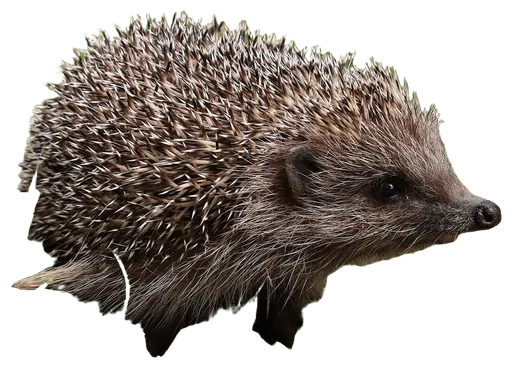
Hedgehog
Erinaceus europaeusD tier · Underdog153rd of 163 mammals
Size & speed
- Weight
- 1 kg2 lb
- Length
- 25 cm9.8 in
- Top speed
- 10 km/h6 mph
As heavy as 5 smartphones
Heavier than 19% of animalsAbout 2.9 credit cards long
Bigger than 12% of animalsAbout jogging speed
Faster than 9% of animalsThe Western European Hedgehog is a small nocturnal mammal whose battle value comes almost entirely from defense. About 5,000 keratin spines and a specialized muscular curl can turn the animal into a compact spine-covered ball, frustrating many similarly sized attackers. Its bite, speed and raw power are modest, so large or specialized predators remain overwhelming threats.
Detailed ratings
Research-backed ratings on one 0–100 scale for all 344 animals (updated 2026-09-27). How ratings work


Card No. 294 of 344. Every animal on Animal Battle Stats has one: its power, tier and archetype on the front; its six battle stats, abilities and signature move on the back.
Special abilities
The panniculus carnosus contracts the body into a tight defensive sphere while thousands of spines erect, hiding the face, limbs and belly and making safe biting difficult for many attackers.
Roughly 5,000 independently rooted keratin spines can be raised together, converting the dorsal surface into a dense passive deterrent without treating the spines as projectile weapons.
Unique traits
Strong smell/hearing, low-profile movement and nightly roaming suit cluttered hedgerows, gardens and field margins.
Major seasonal fat storage and metabolic suppression permit overwintering when prey availability falls, but do not count as combat regeneration.
How it fights
Weapons
- The hedgehog has small insectivore teeth, jaws and digging claws. These are adequate for invertebrate prey and close defensive nipping but provide little absolute stopping power against medium or large roster animals. The spines are primarily defensive rather than active projectile or stabbing weapons.
Struggles vs
- Open ground exposes a slow animal to vehicles and large predators.
- Curling prevents active repositioning while the defense is fully deployed.
- The face, belly and limbs are vulnerable when uncurled.
- Spines do not stop crushing, trampling or sufficiently powerful specialized attacks.
- Seasonal body condition and hibernation strongly affect available energy.
- Weight
- 1 kg2 lb
- Height
- No reliable measurement
- Length
- 25 cm9.8 in
- Top speed
- 10 km/h6 mph
- Bite force
- No reliable measurement
- Lifespan
- 2.5 years
- Home biome
- Forest
- Lifestyle
- Social
Rated specimen: Healthy mature male, 1.0 kg and 25.0 cm head-body length.
Fun facts
- An adult typically carries around 5,000 spines, each a modified keratinous hair.
- The spines are hollow and longitudinally grooved, reducing weight while retaining stiffness.
- Hedgehogs can swim and climb as well as walk through dense ground vegetation.
- The oldest scientifically confirmed individual in the 2023 Danish sample reached 16 years, despite population life expectancy being only a few years.
- Male home ranges expand during breeding season as males search for mates.
- A 2026 DNA study detected slugs/snails in 92% of sampled European hedgehogs.
Closest rivals by power. Tap one for the full breakdown, or pick any opponent.
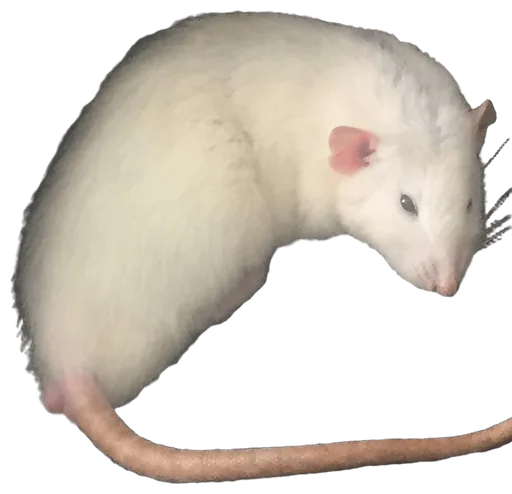
vs QuokkaLoses · 57% · Toss-up 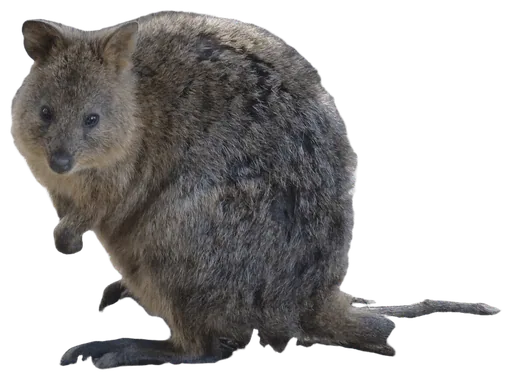 L vs Fancy RatWins · 54% · Toss-up
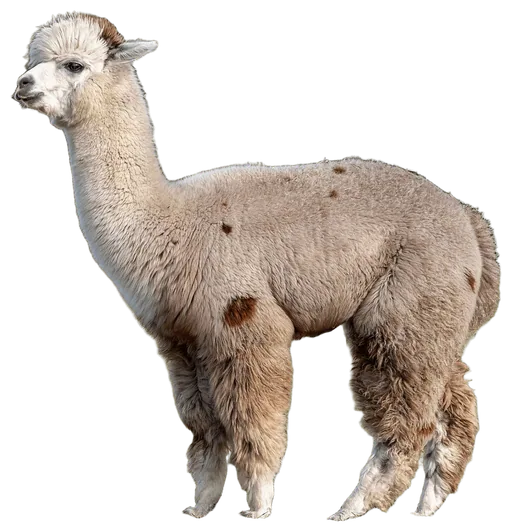
 W vs AlpacaLoses · 71% · Clear edge
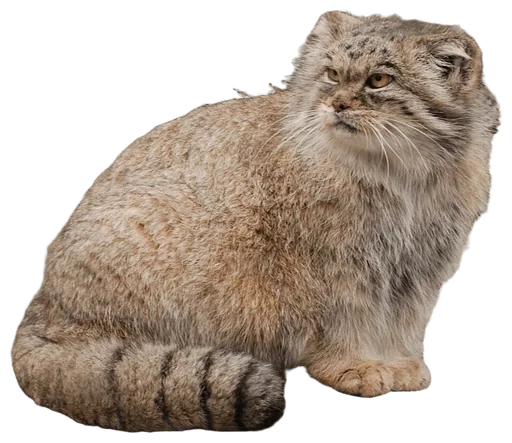
 L vs Pallas's CatLoses · 59% · Slight edge
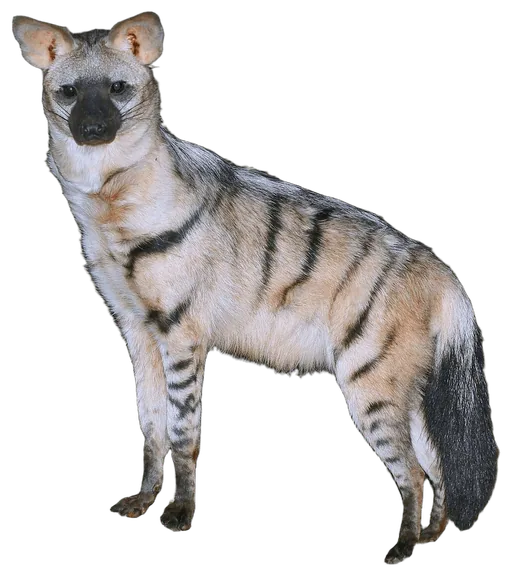
 L vs AardwolfLoses · 64% · Slight edge
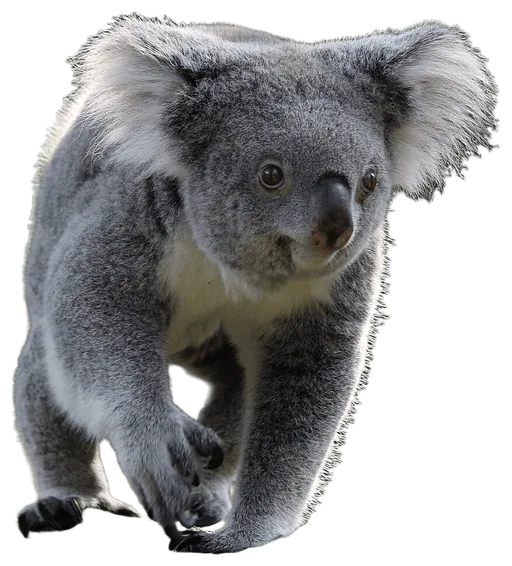
 L vs KoalaLoses · 63% · Slight edge
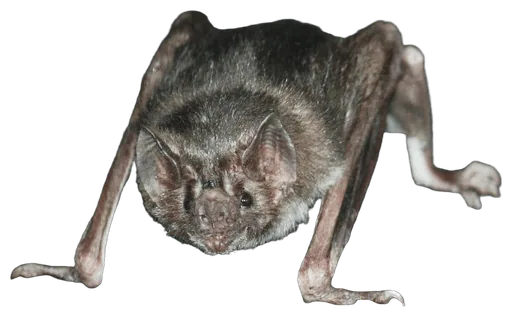
 L vs Vampire BatWins · 70% · Clear edge
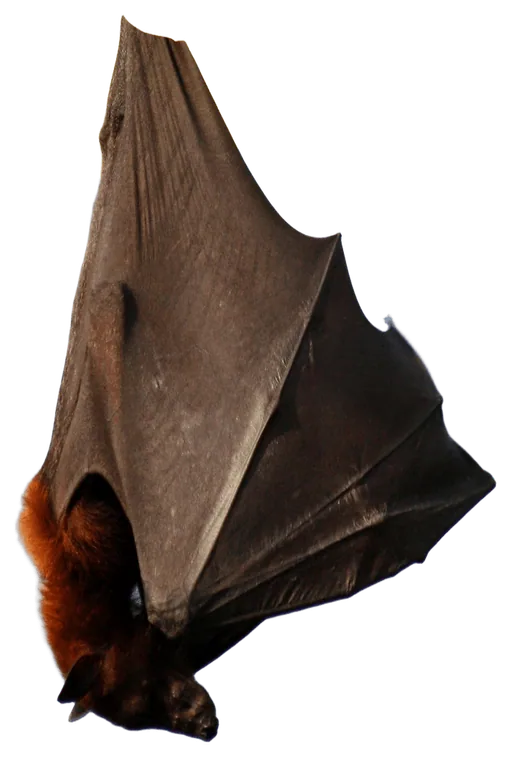
 W vs Flying FoxLoses · 52% · Toss-up
 L
Hedgehog battle analysis
A hedgehog is not a miniature porcupine and should not be scored like one. Its spines do not launch, and its offensive tools are ordinary small-mammal teeth and claws. What makes it unusual is the integration of thousands of spines with a body-wide muscular defense. When the animal curls, vulnerable anatomy disappears behind a dense field of erected points. Against an attacker that depends on placing a bite around a small prey animal, this can transform an apparently easy target into an awkward and painful problem.
That defense has strict limits. The hedgehog weighs around a kilogram, carries no rigid shell and has little ability to absorb heavy crushing trauma. Curling also exchanges mobility for protection. A sufficiently large opponent can manipulate, crush or wait out the animal, and specialist predators such as badgers can overcome the defense. ABS therefore gives the hedgehog a much higher Protection and Special profile than Attack or Raw Power without letting proportional defensive success inflate its absolute durability.
Its ecology reinforces that interpretation. The European hedgehog is a nocturnal roaming forager, not a pursuit hunter or territorial fighter. It searches ground litter for invertebrates, travels across fragmented landscapes, and relies on avoidance and curling when danger arrives. The result is a classic defensive specialist: difficult for the right small opponent to attack efficiently, but physically outclassed once its one major defensive system is bypassed.
Habitat & range
The species occupies temperate Europe and extends eastward into parts of western/central Eurasia, with introduced populations in New Zealand. It favors hedgerows, field margins, gardens, parks, scrub and woodland edges and can occur from sea level to high elevations. Human-modified landscapes can provide excellent forage and nesting cover when connectivity remains intact.
Diet & hunting
European hedgehogs are opportunistic ground-foraging omnivores dominated by invertebrate prey. The 2026 European metabarcoding study provides unusually strong modern diet evidence: gastropods were nearly ubiquitous, while earthworms, beetles, Lepidoptera and Orthoptera were also frequent. Anthropogenic food occurred in 29% of sampled individuals, showing substantial interaction with human landscapes.
Social life
Adults are mainly solitary and non-territorial. Males roam more widely during breeding season. Gestation is roughly five weeks, litters commonly contain several young, and the mother provides care alone. Juveniles must accumulate sufficient mass before their first winter.
Conservation
The IUCN moved E. europaeus from Least Concern to Near Threatened on 28 October 2024. IUCN reported declines in more than half the countries in its range, with national estimates of roughly 16–33% over ten years in several areas. Agricultural intensification, habitat degradation/fragmentation, roads and urban development are major pressures.
Quick answers
How strong is a Hedgehog?
On the Animal Battle Stats scale, the Hedgehog has an attack rating of 11 and a power index of 37.2 out of 100, which ranks it #294 of 344 animals and puts it in D tier (Underdog). Its strongest stat is special (69).
How much does a Hedgehog weigh?
A typical adult Hedgehog weighs about 1 kg (2 lb). Rated specimen: healthy mature male, 1.0 kg and 25.0 cm head-body length.
How fast is a Hedgehog?
The Hedgehog's top speed is about 10 km/h (6 mph). Its agility rating is 41 out of 100.
What does a Hedgehog eat?
European hedgehogs are opportunistic ground-foraging omnivores dominated by invertebrate prey. The 2026 European metabarcoding study provides unusually strong modern diet evidence: gastropods were nearly ubiquitous, while earthworms, beetles, Lepidoptera and Orthoptera were also frequent. Anthropogenic food occurred in 29% of sampled individuals, showing substantial interaction with human landscapes.
Is the Hedgehog endangered?
No. The Hedgehog is listed as Least Concern. The IUCN moved E. europaeus from Least Concern to Near Threatened on 28 October 2024. IUCN reported declines in more than half the countries in its range, with national estimates of roughly 16–33% over ten years in several areas. Agricultural intensification, habitat degradation/fragmentation, roads and urban development are major pressures.
What animals can beat a Hedgehog?
Among its closest rivals, the Quokka (57%), the Alpaca (71%), the Pallas's Cat (59%), the Aardwolf (64%), the Koala (63%), the Flying Fox (52%) would be favored against the Hedgehog. It would be favored against the Fancy Rat, the Vampire Bat.
Researched 2026-09-27. Ratings are editorial judgments built from these sources; measurements describe a healthy adult male.
- Animal Diversity Web, E. europaeusanatomy, mass, length, spines, behavior, reproduction, movement
- Natural History Museumdimensions, wild lifespan
- Vincent Wildlife Trustadult sex/size context
- British Wildlife Centresprint, spines, natural history
- Rasmussen et al. 2023, Animalslongevity/mortality
- Rasmussen et al. 2019, Ecology and Evolutionmovement/home range/hibernation
- Fieschi-Méric et al. 2026, Integrative Zoologydiet
- IUCN press release, 28 Oct 2024conservation
- Wikimedia Commons, Hraldimage candidate
Photo: “Erinaceus roumanicus 2020 G2.jpg” by George Chernilevsky, Public domain, background removed and cropped. Original
Suggest a correction