

Guinea Pig
Cavia porcellus
 #338 of 344
  Mountains Herd Animal Domesticated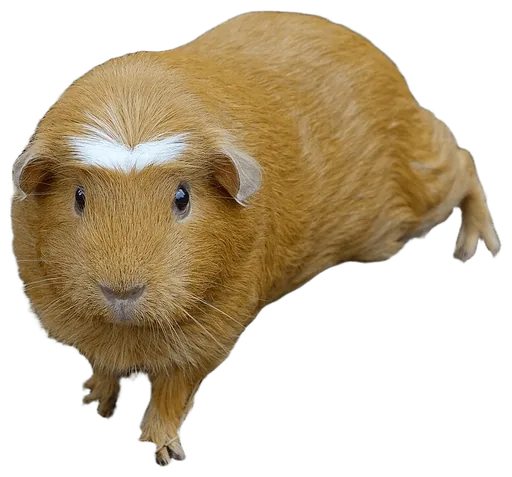
 Fight
FightPhoto: Gzen92 · CC BY-SA 4.0
The guinea pig is a 1 kg Andean grazer bred from wild cavies, with nearly all-round vision, a busy social life and a freeze-or-scatter escape plan. Its incisors are built for grass rather than fighting, so on the absolute scale it is one of the least dangerous mammals on the roster.
 Attack10.5
  Defense10
  Agility40
  Stamina45
  Intelligence48
  Special36
 Detailed ratings
Research-backed ratings on one 0–100 scale for all 344 animals (updated 2026-09-28). How ratings work
Special abilities
Ability 1Scatter StampedeWhen a group is startled, guinea pigs bolt in haphazard directions to confuse a predator, while a lone animal freezes motionless until the threat passes. In a matchup this buys escape time but does no damage.
 Ability 2Panoramic Watch
Laterally placed eyes give about 340° of vision, backed by alarm squeals and contact whistles, so a guinea pig rarely misses an approaching threat even while grazing.
Unique traits
 TraitAndean Livestock
First domesticated for meat in the Andes thousands of years ago, the guinea pig is still raised and eaten as cuy in Peru, Bolivia, Ecuador and Colombia, where improved meat lines reach 3 kg.
TraitBorn ReadyUnlike most rodents, guinea pig pups are born fully furred with teeth, claws and open eyes, and can run and eat solid food almost immediately.
How it fights
Weapons
- A guinea pig has incisors and small claws, but it is a grazer built for chewing grass, not for fighting. Its jaw muscles are organized for grinding rather than a hard incisor bite. Between boars, dominance is settled by chattering teeth, raised fur, head thrusts, leaping attacks and bites, especially to the ears. These fights can draw blood between guinea pigs, but they cannot seriously hurt a predator.
 Struggles vs
- Weak incisor bite for a rodent and very low absolute power.
- No armor; poor climbing and jumping.
- Depends on dietary vitamin C and suffers scurvy without it.
- Freezing in place can fail against a predator that has already spotted it.
- Weight
- 1 kg2 lb
- Height
- No reliable measurement
- Length
- 25 cm9.8 in
- Top speed
- No reliable measurement
- Bite force
- No reliable measurement
- Lifespan
- 6 years
- Home biome
- Mountains
- Lifestyle
- Social
Rated specimen: Healthy adult male (boar) of about 1.0 kg of a standard pet breed, not a 3 kg Peruvian meat-breed animal and not an obese pet.
Fun facts
- Guinea pigs, like people, must get vitamin C from their food.
- A startled group scatters in random directions to confuse predators.
- Domestic guinea pigs learned a water maze faster than wild cavies, despite smaller relative brains.
- Pups are born with fur, teeth and open eyes and can eat solid food almost at once.
- Excited guinea pigs perform little vertical jumps called "popcorning".
- The oldest guinea pig recorded by Guinness World Records lived to 14 years and 10 months.
Closest rivals by power. Tap one for the full breakdown, or pick any opponent.
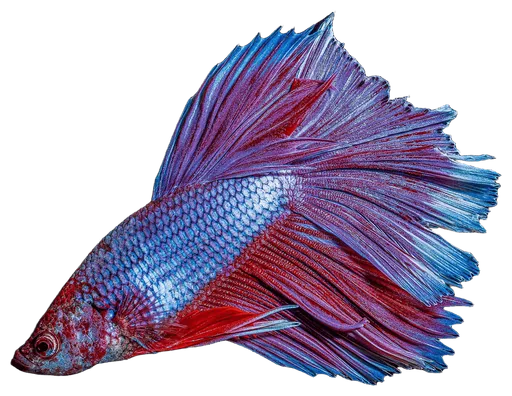
vs Syrian HamsterLoses · 53% · Toss-up 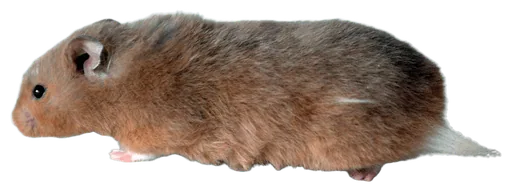 L vs Betta FishLoses · 51% · Toss-up
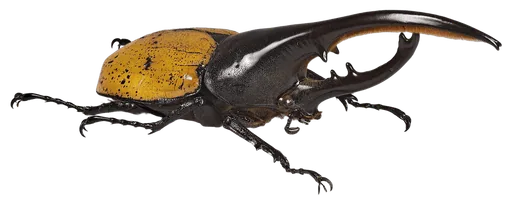
  L vs Hercules BeetleWins · 52% · Toss-up
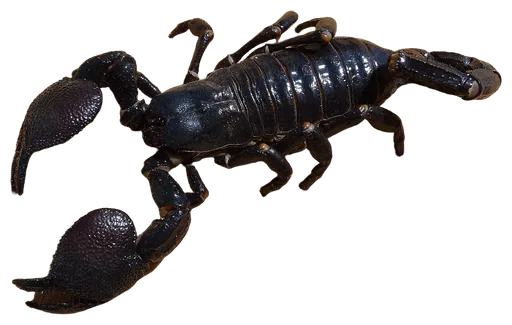
  W vs Emperor ScorpionLoses · 52% · Toss-up
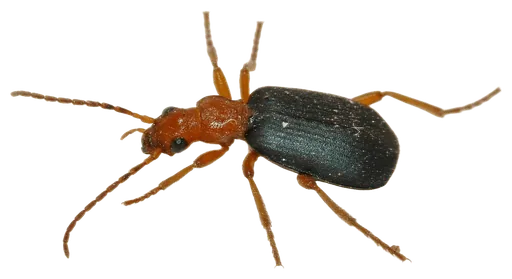
  L vs Bombardier BeetleLoses · 52% · Toss-up
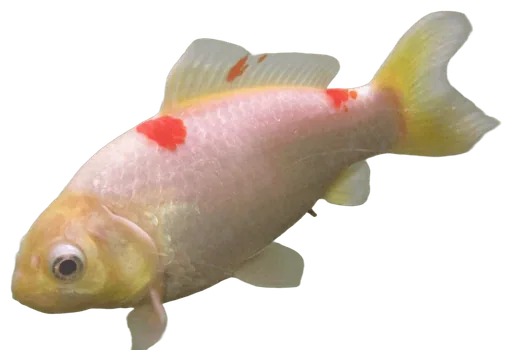
  L vs GoldfishLoses · 54% · Toss-up
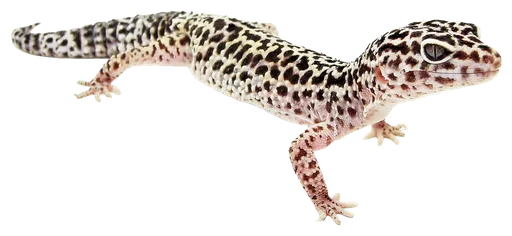
  L vs Leopard GeckoLoses · 55% · Toss-up
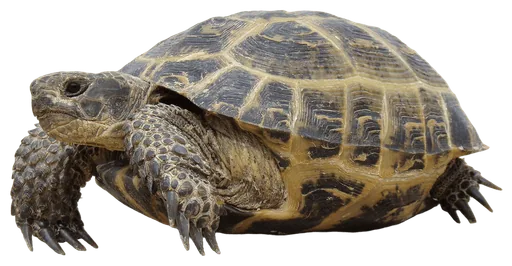
  L vs Russian TortoiseLoses · 55% · Toss-up
  L
L  Pick any opponent
 Guinea Pig battle analysis
The guinea pig is a domestic animal with a long Andean history. People in the highlands of South America bred it from wild cavies thousands of years ago as a compact source of meat, and it still fills that role there, while elsewhere it is one of the most popular small pets. It lives in groups, talks constantly in squeaks, whistles and purrs, and keeps watch with eyes that see almost all the way around its head.
In a fight it has very little to offer. Its jaws are organized for grinding grass, and a comparative study of rodent jaw muscles found the guinea pig built for a relatively weak incisor bite. Boars do fight each other with chattering, head thrusts, leaping attacks and ear bites, but these contests matter only between guinea pigs. Against a predator, its options are to freeze, scatter with the herd, or dash for cover, and it is neither a good climber nor a good jumper.
On the absolute ABS scale the guinea pig therefore sits near the floor for Attack and Defense, below similarly sized predators and the spined hedgehog, with moderate scores for intelligence and senses. Its real distinctions are social and historical rather than martial: a herd animal that became Andean livestock, a laboratory model and a household pet.
Habitat & range
As a domestic animal the guinea pig lives worldwide in homes, laboratories and Andean farms. Its main wild source species, the montane guinea pig, lives in the high Andes from Peru to northern Chile and Argentina at about 2,000–3,800 m, in moist habitats with rocks and coarse vegetation where it makes runways through the plants.
Diet & hunting
Strict herbivores: grasses, hay, leafy vegetables and fruit. Like humans, and unlike most mammals, guinea pigs cannot make their own vitamin C and need about 10 mg a day from food. Wild cavies graze open grassy ground and shelter in other animals' burrows, rock crevices and vegetation tunnels.
Social life
Social herd animals. Wild groups are usually one male with several females and young. Domestic groups form dominance hierarchies, with boars competing for rank and mates. Groups huddle, groom and communicate constantly by voice.
Conservation
Domesticated; the domestic guinea pig has no wild population to assess. Its main wild source species, the montane guinea pig, is listed as Least Concern.
Quick answers
How strong is a Guinea Pig?
On the Animal Battle Stats scale, the Guinea Pig has an attack rating of 10.5 and a power index of 25.1 out of 100, which ranks it #338 of 344 animals and puts it in F tier (Snack). Its strongest stat is intelligence (48).
How much does a Guinea Pig weigh?
A typical adult Guinea Pig weighs about 1 kg (2 lb). Rated specimen: healthy adult male (boar) of about 1.0 kg of a standard pet breed, not a 3 kg Peruvian meat-breed animal and not an obese pet.
How fast is a Guinea Pig?
There is no reliable measured top speed for the Guinea Pig, so we do not publish one. Its agility rating, which covers acceleration, reflexes and evasion, is 40 out of 100.
What does a Guinea Pig eat?
Strict herbivores: grasses, hay, leafy vegetables and fruit. Like humans, and unlike most mammals, guinea pigs cannot make their own vitamin C and need about 10 mg a day from food. Wild cavies graze open grassy ground and shelter in other animals' burrows, rock crevices and vegetation tunnels.
Is the Guinea Pig endangered?
The Guinea Pig's conservation status is Domesticated. Domesticated; the domestic guinea pig has no wild population to assess. Its main wild source species, the montane guinea pig, is listed as Least Concern.
What animals can beat a Guinea Pig?
Among its closest rivals, the Syrian Hamster (53%), the Betta Fish (51%), the Emperor Scorpion (52%), the Bombardier Beetle (52%), the Goldfish (54%), the Leopard Gecko (55%), the Russian Tortoise (55%) would be favored against the Guinea Pig. It would be favored against the Hercules Beetle.
Researched 2026-09-28. Ratings are editorial judgments built from these sources; measurements describe a healthy adult male.
- Wikipedia, Guinea pigsize, lifespan, behavior, senses, history, vitamin C
- Wikipedia, Montane guinea pigwild stock, habitat, status
- Animal Diversity Web, Cavia porcellusmass, length, dimorphism, lifespan, behavior
- MSD Veterinary Manual, guinea pig description (pet owner)mass, lifespan, teeth, temperament
- Künzl and Sachser 1999, Hormones and Behaviordomestic vs wild behavior
- Lewejohann et al. 2010, Frontiers in Zoologylearning
- Sachser 1998, Naturwissenschaftensocial behavior
- Brocklehurst et al. 2026, Communications Biologybite
Photo: “Cochon d'Inde (Cavia porcellus) (1).jpg” by Gzen92, CC BY-SA 4.0, background removed and cropped. Original
Suggest a correction