
Guanaco
Lama guanicoeC tier · Capable113th of 163 mammals
Size & speed

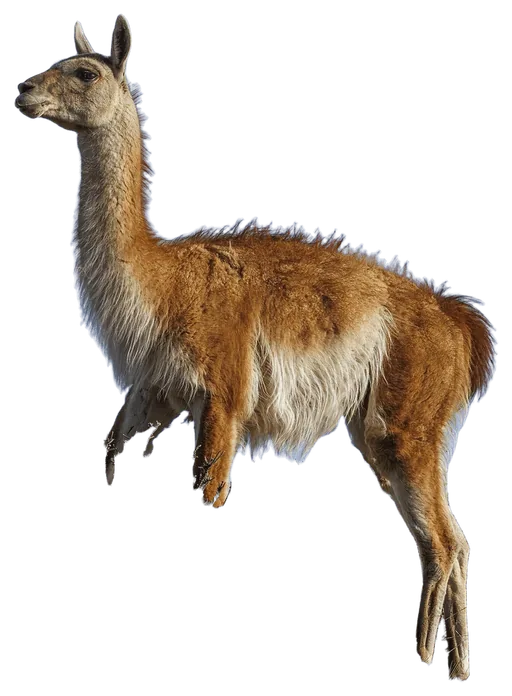
- Weight
- 120 kg265 lb
- Length
- 2 m6.6 ft
As heavy as 1.7 people
Heavier than 74% of animalsAbout as long as a person is tall
Bigger than 71% of animalsA hardy wild South American camelid built for vigilance, distance travel and territorial combat. Mature males combine kicks, enlarged canines, ramming and neck wrestling with strong terrain awareness and social predator detection, but lack the armor and heavy weapons of the roster's top ungulate fighters.
Detailed ratings
Research-backed ratings on one 0–100 scale for all 344 animals (updated 2026-09-27). How ratings work


Card No. 199 of 344. Every animal on Animal Battle Stats has one: its power, tier and archetype on the front; its six battle stats, abilities and signature move on the back.
Special abilities
Mature territorial males use enlarged canines while biting an opponent's legs, hindquarters and neck during close contests, adding cutting injury to chest and neck wrestling.
Social groups improve predator detection through shared vigilance, allowing earlier flight or defensive response when companions are present.
Unique traits
Mature males repeatedly defend feeding territories, with strong year-to-year site fidelity and a documented repertoire of escalating aggressive behaviors.
Physiology and behavior support survival and movement across cold, dry, windy, high-elevation and seasonally harsh South American landscapes.
How it fights
Weapons
- Guanacos are not passive livestock analogues. Mature males compete for resource-defense territories and breeding access. Documented aggressive behavior includes threats, pursuit, biting at legs/hindquarters/neck, chest ramming, neck wrestling and spitting. Wounds to the neck, legs and body are commonly observed in territorial males, establishing that contests can be genuinely injurious.
- The main damaging tools are teeth and kicks rather than a specialized horn or antler system. A territorial male's enlarged canines improve close-range weaponry, but a roughly 120 kg camelid remains far below large carnivores and megafauna in absolute damage output.
Struggles vs
- Dense cover shortens warning distance and helps ambush predators.
- No armor or heavy cranial weapon.
- Close grappling against a large carnivore is dangerous.
- Long limbs are vulnerable to bites and destabilization.
- Fences are an anthropogenic entanglement hazard documented in mortality studies.
- Weight
- 120 kg265 lb
- Height
- 1.15 m3.8 ft
- Length
- 2 m6.6 ft
- Top speed
- No reliable measurement
- Bite force
- No reliable measurement
- Lifespan
- 28 years
- Home biome
- Desert
- Lifestyle
- Social
Rated specimen: Healthy mature territorial male, 120.0 kg, 115.0 cm shoulder height, 200.0 cm total length.
Fun facts
- Guanacos are the wild South American camelids from which domestic llamas were bred.
- Adult males and females are similar in overall body size, but males carry enlarged combat canines.
- Territorial males may spit roughly two meters during aggressive encounters.
- A long-term Torres del Paine study found 73% of tracked territorial males returned to the same territory location between years.
- More than 15,000 guanacos participate in the La Payunia seasonal migration, described as the longest known ungulate migration in South America.
- Chulengos are highly precocial and may stand within minutes after birth.
Closest rivals by power. Tap one for the full breakdown, or pick any opponent.
vs BeaverWins · 59% · Slight edge 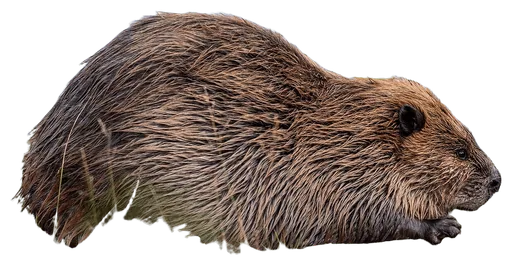 W vs Red FoxWins · 65% · Slight edge
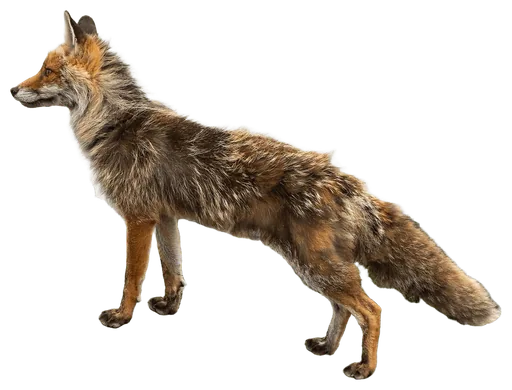 W vs FisherWins · 67% · Slight edge
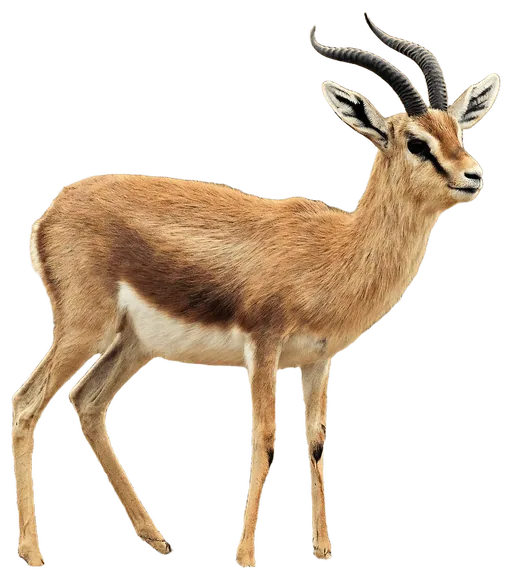
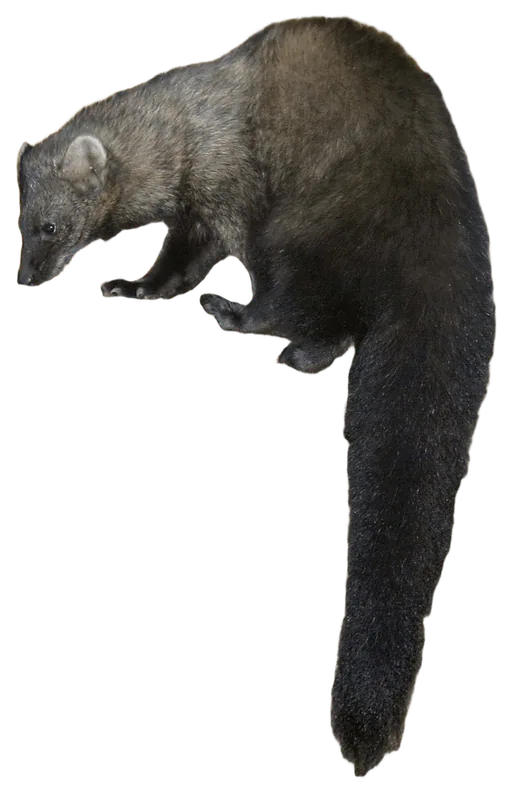 W vs GazelleWins · 60% · Slight edge
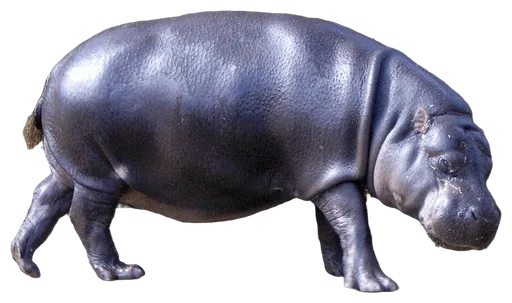
 W vs Pygmy HippopotamusLoses · 54% · Toss-up
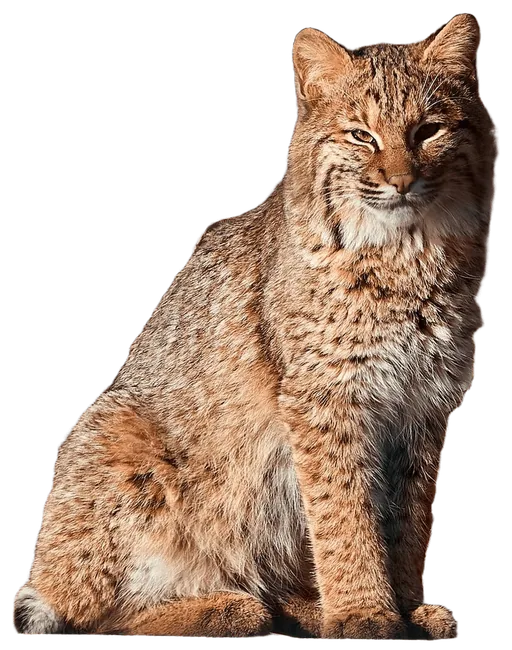
 L vs BobcatWins · 62% · Slight edge
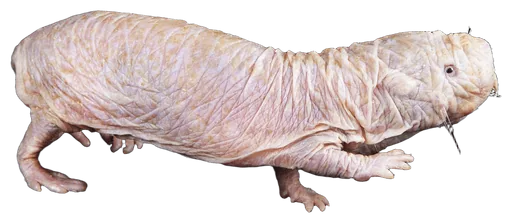
 W vs Naked Mole RatWins · 86% · Decisive
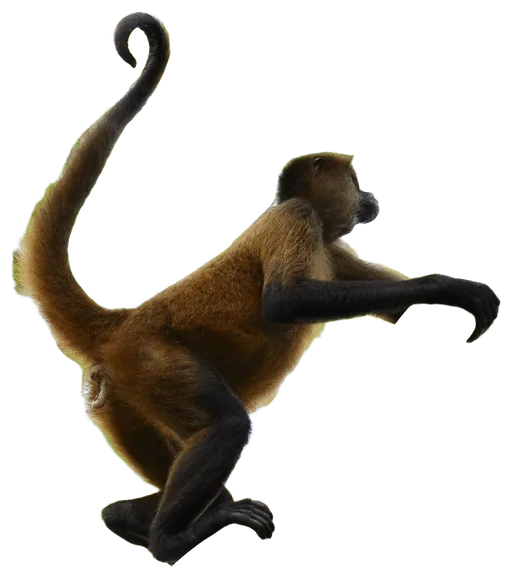
 W vs Spider MonkeyWins · 67% · Slight edge
 W
Guanaco battle analysis
The guanaco's combat reputation should sit between two misleading extremes. It is not a harmless, lightly built grazer, but it is also not a horned heavyweight. A mature territorial male spends years competing for space and reproductive access. Its fights can involve pursuit, chest impacts, neck wrestling and targeted bites to the legs, hindquarters and neck, with combat canines large enough that wounds are commonly observed on territorial males. Against smaller opponents, its height, long legs and kicking reach create meaningful danger.
Its strongest survival system operates before a fight begins. Guanacos use exposed terrain, alert senses and group vigilance to detect predators early. Their social organization is flexible, and territorial males can show remarkable fidelity to defended sites across years. In Patagonia, migration and environmental hardiness add a stamina advantage that should be reflected in ABS without turning low-cost long-distance survival into implausible near-maximal combat endurance.
The limiting factor is direct weapon quality. A guanaco has neither armor nor a horn, antler or tusk system. Once a puma or other powerful predator successfully closes and controls the body, the guanaco's options narrow sharply. Its ABS profile is therefore a mobile, enduring and tactically aware medium ungulate with credible close-range defenses, rather than a high-damage bruiser.
Habitat & range
Guanacos are native South American camelids occupying open and semi-open habitats from Peru through the Andes and Patagonian steppe to Tierra del Fuego. Populations use grassland, shrubland, semi-desert, mountain slopes and cold temperate environments. Body size varies geographically, with northern animals generally smaller than southern animals.
Diet & hunting
They are herbivorous grazers and browsers consuming grasses, forbs and woody vegetation. As dominant native large herbivores in many Patagonian systems, they strongly influence vegetation and provide important prey biomass for pumas and scavengers.
Social life
The breeding system is resource-defense polygyny. A family group generally includes one territorial adult male, several females and offspring. Nonterritorial males can form bachelor groups, while solitary territorial males and large mixed aggregations also occur. Social organization varies with season, forage and migratory strategy.
Conservation
The species remains widespread compared with many large South American mammals, but historical hunting, livestock competition, fencing and habitat alteration have caused major local declines and fragmentation. Conservation context varies strongly by country and population, so site copy should avoid implying uniform abundance everywhere.
Quick answers
How strong is a Guanaco?
On the Animal Battle Stats scale, the Guanaco has an attack rating of 38 and a power index of 49 out of 100, which ranks it #199 of 344 animals and puts it in C tier (Capable). Its strongest stat is stamina (78).
How much does a Guanaco weigh?
A typical adult Guanaco weighs about 120 kg (265 lb). Rated specimen: healthy mature territorial male, 120.0 kg, 115.0 cm shoulder height, 200.0 cm total length.
How fast is a Guanaco?
There is no reliable measured top speed for the Guanaco, so we do not publish one. Its agility rating, which covers acceleration, reflexes and evasion, is 63 out of 100.
What does a Guanaco eat?
They are herbivorous grazers and browsers consuming grasses, forbs and woody vegetation. As dominant native large herbivores in many Patagonian systems, they strongly influence vegetation and provide important prey biomass for pumas and scavengers.
What animals can beat a Guanaco?
Among its closest rivals, the Pygmy Hippopotamus (54%) would be favored against the Guanaco. It would be favored against the Beaver, the Red Fox, the Fisher, the Gazelle, the Bobcat, the Naked Mole Rat, the Spider Monkey.
Researched 2026-09-27. Ratings are editorial judgments built from these sources; measurements describe a healthy adult male.
- Animal Diversity Web, Lama guanicoe90-140 kg adult mass, 90-130 cm shoulder height, 190-215 cm length, little size dimorphism, enlarged male canines, combat repertoire, social system, reproduction, lifespan
- Young & Franklin, Journal of Mammalogy (2004)10-year territorial-male study, resource-defense polygyny, 73% interannual territory return
- Wilson & Franklin (1985), Zeitschrift für Tierpsychologiemale-group dynamics and inter-male aggression
- Lucherini (1996), Aggressive Behaviorfree-ranging aggression and social-unit differences
- Panebianco et al. (2021), Ethologyaggression peaks/context changes around mating and resource quality
- Marino & Baldi, cooperative vigilancegroup predator detection, terrain/vegetation effects on flight
- Bank et al. (2002), Journal of Zoologysevere-winter mortality, puma predation, adult vs juvenile mortality
- Velasquez Calderon (2023), Universidad Católica de Santa Maríafive Peruvian adults estimated 109 ± 13.8 kg; morphometry
- Scientific Reports, drone response studysocial-unit definitions and context-dependent flight behavior
- PubMed, puma response to guanaco migration>15,000 migrating guanacos and La Payunia migration context
- Wikimedia Commons, Charles J. Sharpexact-species 5334x4000 wild photo, CC BY-SA 4.0, Featured/Quality status
- Current ABS schemaconfirms Lama guanicoe and current 12-substat schema; exposes legacy unreviewed values
Photo: “Guanaco (Lama guanicoe) Leona Amarga.jpg” by Charles J. Sharp, CC BY-SA 4.0, background removed and cropped. Original
Suggest a correction