
Grizzly Bear
Ursus arctos horribilisA tier · Elite24th of 163 mammals
Size & speed

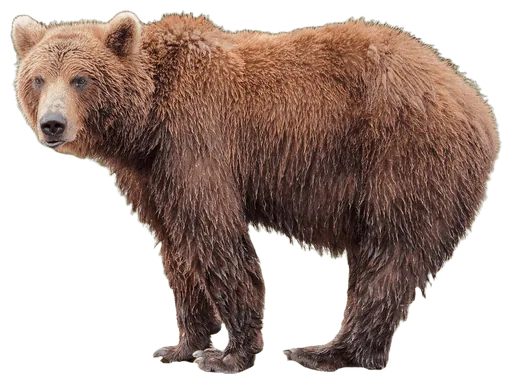
- Weight
- 220 kg485 lb
- Length
- 2.1 m6.9 ft
- Top speed
- 56 km/h35 mph
As heavy as 3.1 people
Heavier than 81% of animalsAbout as long as a person is tall
Bigger than 74% of animalsFaster than Usain Bolt (44.7 km/h)
Faster than 69% of animalsThe grizzly is a large interior brown bear built for close-range control: a prime male combines roughly 220 kg of mass with powerful jaws, long claws, massive forequarters, fast bursts, exceptional smell and flexible behavior. Its real strength is versatility rather than exaggerated one-swipe claims. It is far stronger than a black bear but remains well below near-tonne bovids and giant megafauna in absolute force.
Detailed ratings
Research-backed ratings on one 0–100 scale for all 344 animals (updated 2026-09-27). How ratings work


Card No. 44 of 344. Every animal on Animal Battle Stats has one: its power, tier and archetype on the front; its six battle stats, abilities and signature move on the back.
Special abilities
Massive shoulder and forelimb musculature, long claws and plantigrade leverage let a grizzly dig, hook, pull, shove and control opponents at close range.
Months-long true hibernation sharply reduces heart/respiration rates while preserving enough body temperature for arousal, an exceptional survival trait rather than instant combat regeneration.
Unique traits
A representative grizzly is substantially larger and more powerfully armed than a black bear while remaining distinctly smaller than Kodiak/coastal brown-bear giants.
Individuals can switch among roots, insects, nuts, fish, carrion and active ungulate predation, with documented learning and strong behavioral individuality.
How it fights
Weapons
- A grizzly is a massive close-range grappler. Its jaws deliver a high-force carnivoran bite, while powerful forelimbs can pull, pin, shove and rake. Long claws add hooking and tearing but should not be portrayed as cat-like slicing blades. Body mass and shoulder musculature make rushes, wrestling and positional control dangerous. The shoulder hump is musculature associated strongly with digging and forelimb power, not literal armor.
Struggles vs
- No true armor.
- Heavy body limits fine evasive maneuverability.
- Heat and prolonged maximal exertion are less favorable than cool conditions.
- Long claws are primarily digging tools rather than retractile cutting weapons.
- Large horned/tusked megafauna can outrange the bear and exceed its mass.
- Weight
- 220 kg485 lb
- Height
- 1.07 m3.5 ft
- Length
- 2.1 m6.9 ft
- Top speed
- 56 km/h35 mph
- Bite force
- No reliable measurement
- Lifespan
- 25 years
- Home biome
- Forest
- Lifestyle
- Mostly solitary
Rated specimen: USFWS reports adult males in the contiguous United States averaging roughly 200–300 kg, while Yellowstone's long-term summary gives an adult-male mean of 187 kg and a known GYE maximum of 324 kg.
Fun facts
- Yellowstone adult males average about 187 kg, much less than the giant coastal/Kodiak bears often used in sensational comparisons.
- Yellowstone reports average front claws around 45 mm, while rare claws can be dramatically longer.
- A Yellowstone study observed one grizzly catching five elk calves within 15 minutes.
- Wild brown-bear tool use has been documented: one bear repeatedly manipulated rocks to rub its body.
- Yellowstone grizzlies can lose roughly 15–30% of body mass while denning.
- Adult males in Yellowstone average about 131 days in dens.
Closest rivals by power. Tap one for the full breakdown, or pick any opponent.
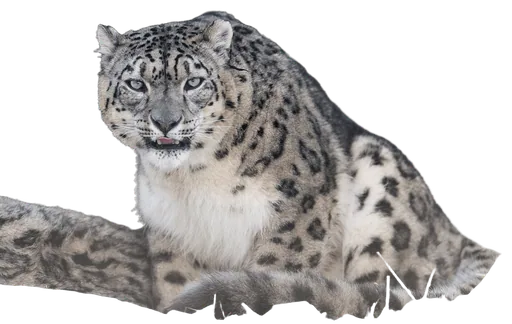
vs HyenaWins · 57% · Toss-up 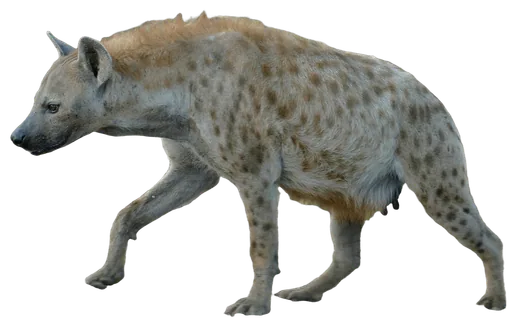 W vs Snow LeopardWins · 59% · Slight edge
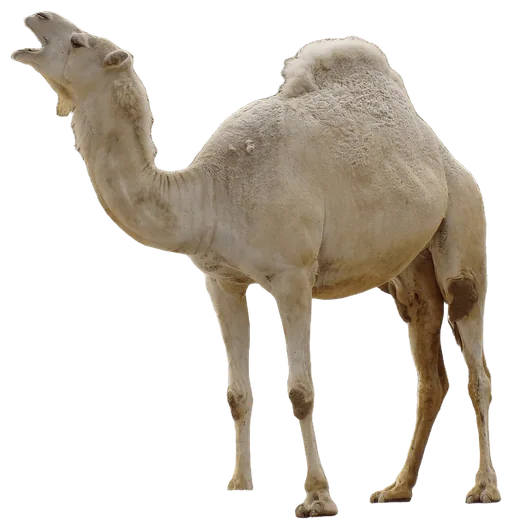
 W vs CamelLoses · 54% · Toss-up
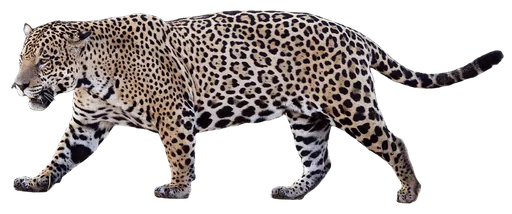
 L vs JaguarWins · 53% · Toss-up
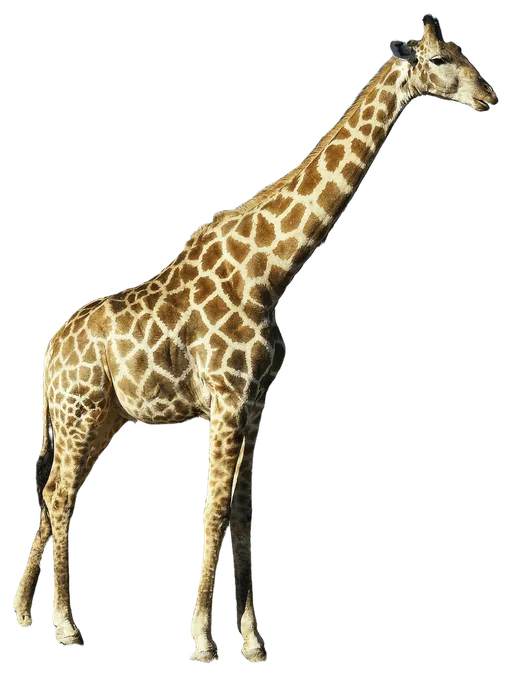
 W vs GiraffeLoses · 62% · Slight edge
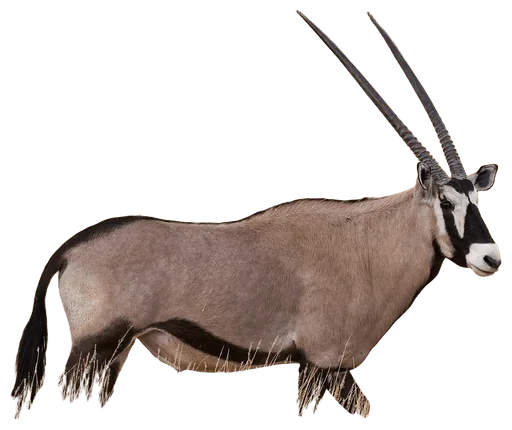
 L vs OryxWins · 52% · Toss-up
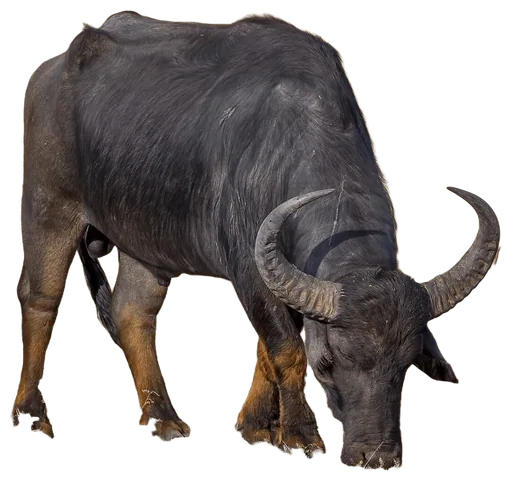
 W vs Water BuffaloLoses · 61% · Slight edge
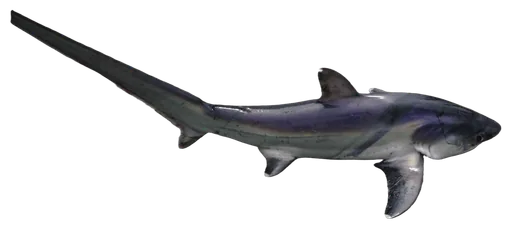
 L vs Thresher SharkLoses · 51% · Toss-up
 L
Grizzly Bear battle analysis
A grizzly wins space by making close contact expensive. Its forequarters are built to dig and move heavy substrate, and those same muscles support grappling, swatting and body control. Jaws and canines provide the primary damaging bite while claws add purchase and raking. At 220 kg, this is a serious predator-sized weapon system, but ABS should resist folklore: there is no scientific basis here for “one swipe kills a moose,” a universal 1,160 PSI bite, or coastal-bear mass silently assigned to an interior grizzly.
The species is also more behaviorally flexible than its bruiser stereotype suggests. Yellowstone bears learn seasonal elk-calf hunting, individuals differ strongly in fishing competence and temperament, and brown bears have demonstrated tool use, puzzle solving and conditional discrimination. That raises Tactics and Intelligence, while exceptional smell raises Senses. Hibernation is biologically extreme but is kept mostly in Special and survival context rather than triple-counted as Defense, Stamina and Recovery.
Habitat & range
Grizzlies occupy portions of Alaska, western Canada and recovering populations in the contiguous northwestern United States, using forests, meadows, mountains, river basins and subalpine habitats. Male home ranges can be enormous and vary strongly with food density.
Diet & hunting
Opportunistic omnivore. Foods include grasses, roots, berries, pine nuts, insects, rodents, fish, carrion and ungulates. Yellowstone research shows both active predation and scavenging, with diet changing as resources change. Bears redistribute nutrients through digging, carcass use and seed consumption.
Social life
Generally solitary except mothers with offspring, courtship and temporary aggregations at concentrated food. Home ranges overlap; they are not rigid territorial carnivores. Dominance and spacing at rich foods can create intense competition.
Conservation
The brown bear species is widespread globally, while North American grizzly populations have a complex jurisdiction-specific conservation history. USFWS reports recovering but geographically restricted Lower-48 populations. Human-caused mortality remains a major management issue. Conflict often involves food conditioning, livestock, hunters/carcasses or surprise encounters. Bear-safe food storage and distance are critical coexistence tools.
Quick answers
How strong is a Grizzly Bear?
On the Animal Battle Stats scale, the Grizzly Bear has an attack rating of 66 and a power index of 64.7 out of 100, which ranks it #44 of 344 animals and puts it in A tier (Elite). Its strongest stat is stamina (75).
How much does a Grizzly Bear weigh?
A typical adult Grizzly Bear weighs about 220 kg (485 lb). Rated specimen: USFWS reports adult males in the contiguous United States averaging roughly 200–300 kg, while Yellowstone's long-term summary gives an adult-male mean of 187 kg and a known GYE maximum of 324 kg.
How fast is a Grizzly Bear?
The Grizzly Bear's top speed is about 56 km/h (35 mph). Its agility rating is 59 out of 100.
What does a Grizzly Bear eat?
Opportunistic omnivore. Foods include grasses, roots, berries, pine nuts, insects, rodents, fish, carrion and ungulates. Yellowstone research shows both active predation and scavenging, with diet changing as resources change. Bears redistribute nutrients through digging, carcass use and seed consumption.
What animals can beat a Grizzly Bear?
Among its closest rivals, the Camel (54%), the Giraffe (62%), the Water Buffalo (61%), the Thresher Shark (51%) would be favored against the Grizzly Bear. It would be favored against the Hyena, the Snow Leopard, the Jaguar, the Oryx.
Researched 2026-09-27. Ratings are editorial judgments built from these sources; measurements describe a healthy adult male.
- Yellowstone NPS, Grizzly Bear FactsMass, speed, claws, lifespan, denning, physiology, reproduction
- USFWS Grizzly Bear profileTaxon, Lower-48 mass, life history, hibernation, conservation
- Yellowstone NPS Bear EcologyHeight, mass range, habitat, diet, home range
- Montana FWP, Bears in MontanaSize, speed, daily travel, behavior
- Grand Teton NPSSex-specific mass, claws
- ADW, Ursus arctosBroad brown-bear dimensions, intercanine spacing, geographic variation
- French & French 1990 / USGSHunting behavior
- Mattson 1997 / USGSUngulate diet/predation vs scavenging
- Deecke 2012Cognition/tool use
- Johnson-Ulrich et al. 2026 PubMedBehavioral flexibility
- Fagen & Fagen 1996Individual behavior
- Animals 2026 forensic studyIntraspecific attacks, bite-force context
- Oldfield et al. 2012Bite biomechanics
- Wikimedia CommonsImage provenance
Photo: “Kamchatka Brown Bear near Dvuhyurtochnoe on 2015-07-23.jpg” by Robert F. Tobler, CC BY-SA 4.0, background removed and cropped. Original
Suggest a correction