

Greyhound
Canis familiaris
 #209 of 341
  Savanna Speedster Domesticated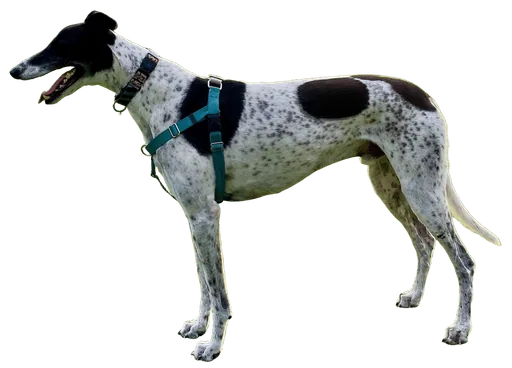
 Fight
FightPhoto: Sgroey · CC BY-SA 4.0
The Greyhound is a 32 kg sprint sighthound that reaches about 19.5 m/s within 150 m and holds its speed through tight bends. It wins by catching or escaping, not by fighting: its lean, short-coated body is easily wounded and its speed fades over longer distances, so any opponent that stands its ground has the advantage.
 Attack39
  Defense22
  Agility80
  Stamina52
  Intelligence55
  Special68
 Detailed ratings
Research-backed ratings on one 0–100 scale for all 341 animals (updated 2026-09-28). How ratings work
Special abilities
Ability 1Double-Suspension SprintA gallop in which all four feet leave the ground twice per stride, powered by large hip-extensor muscles, taking it to about 19.5 m/s within 80–150 m. In a matchup it can close distance or escape faster than almost any other dog.
 Ability 2Bend Runner
Keeps its foot-contact timing through tight bends and absorbs 65% higher limb forces rather than slowing, as Usherwood and Wilson showed. It turns at speed where other runners must brake.
Unique traits
 TraitRed-Cell Rich Athlete
Retired racing greyhounds have higher red blood cell mass than other breeds, part of a distinct blood profile that veterinarians must account for.
TraitHip-Driven Sprinter BuildA deep chest, long legs, very flexible spine and the highest share of fast oxidative muscle fibres of any breed, with running power coming mainly from torque about the hips.
How it fights
Weapons
- The Greyhound was bred to run down game by sight and catch it, historically hares in coursing. Its weapon is the bite delivered at the end of a sprint, from a long head on a long neck. It is built to catch and kill small, fast prey, not to wrestle large or armed animals.
 Struggles vs
- Lean, lightly protected body with no undercoat.
- Speed drops off after a few hundred metres.
- Poor at close grappling; no heavy musculature in the forequarters or jaw built for fighting.
- Sensitive to heat and cold.
- Far outmatched by any serious fighter of its size or larger.
- Weight
- 32 kg71 lb
- Height
- 74 cm29.1 in
- Length
- 76 cm29.9 in
- Top speed
- 68 km/h43 mph
- Bite force
- No reliable measurement
- Lifespan
- 11.5 years
- Home biome
- Savanna
- Lifestyle
- Social
Rated specimen: Healthy adult male, 32.0 kg, 74.0 cm at the withers.
Fun facts
- Racing greyhounds typically reach top speed, just under 19.5 m/s, within 80–150 m of the start.
- Greyhounds do not slow down for tight bends; their legs simply take about 65% more force.
- Greyhounds have more red blood cells than other dog breeds, which can confuse vets unfamiliar with the breed.
- The FCI breed standard claims that "only the cheetah tops the Greyhound for speed".
- Many greyhounds sleep with their eyes partly open.
- A UK study of 5,419 pet greyhounds found males averaged 32.3 kg and females 27.2 kg.
Closest rivals by power. Tap one for the full breakdown, or pick any opponent.
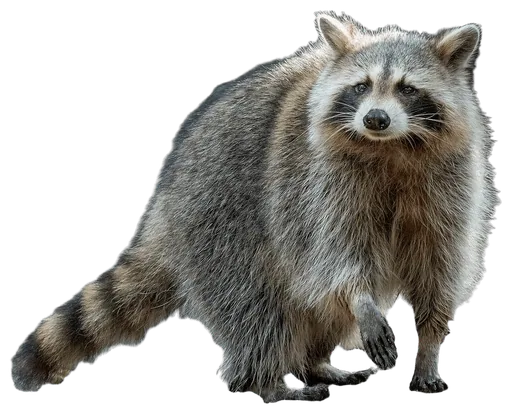
vs JackalLoses · 50% · Toss-up 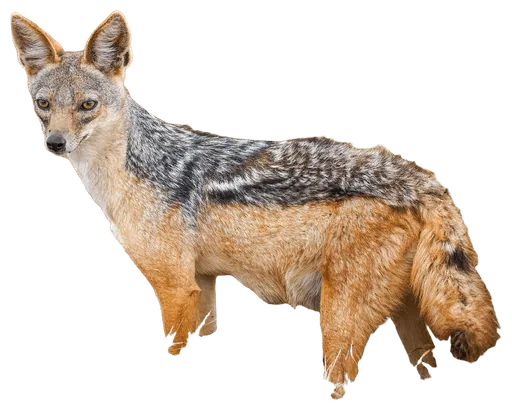 L vs RaccoonLoses · 51% · Toss-up
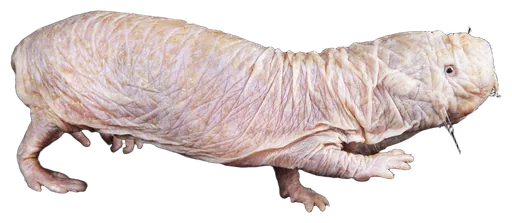
  L vs Naked Mole RatLoses · 51% · Toss-up
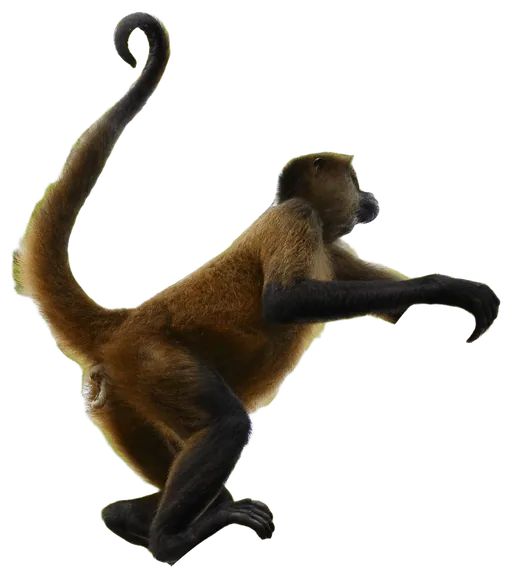
  L vs Spider MonkeyLoses · 51% · Toss-up
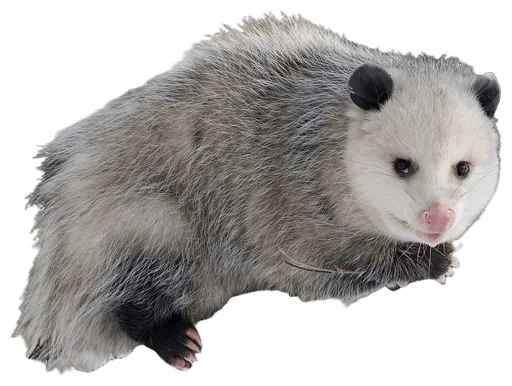
  L vs OpossumWins · 51% · Toss-up
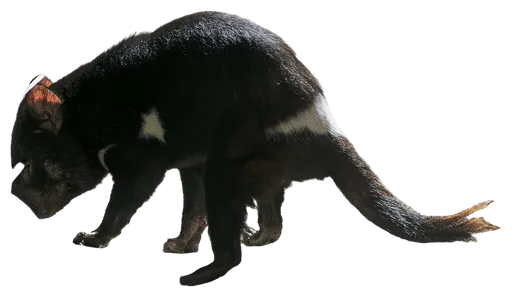
  W vs Tasmanian DevilWins · 51% · Toss-up
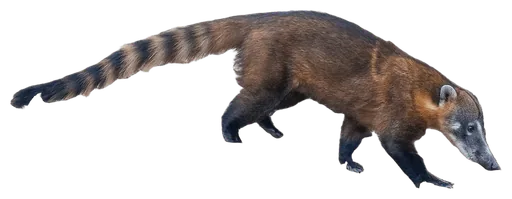
  W vs South American CoatiWins · 52% · Toss-up
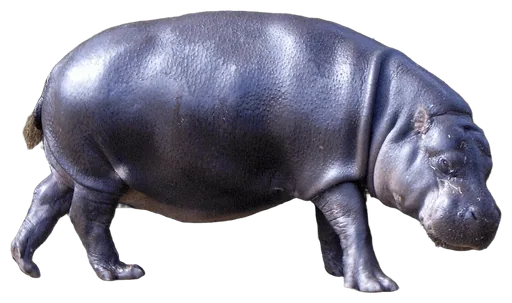
  W vs Pygmy HippopotamusLoses · 52% · Toss-up
  L
L  Pick any opponent
 Greyhound battle analysis
The Greyhound was bred in Britain to hunt by sight, running down hares in open country, and its racing and coursing studbooks go back to the 18th century. A typical male weighs about 32 kg and stands about 74 cm, with long legs, a deep chest for a large heart and a spine that flexes and extends with every stride of its double-suspension gallop.
It is one of the best-measured sprinters in the animal world. Tracking studies show racing greyhounds reach just under 19.5 m/s within 80–150 m, and biomechanics research shows their power comes mainly from huge hip-extensor muscles. They do not slow down for tight bends; their legs simply absorb about 65% more force. Their blood carries more red cells than other breeds, helping supply oxygen during the race, but speed still falls to about 16 m/s by 500–600 m.
In a fight that speed is the Greyhound's only real weapon. It can catch and kill a hare, and it can escape from almost anything on open ground, but its lean body, thin coat and gentle temperament make it one of the weakest dogs on the roster in close combat. It rates high in Agility and Special, below the cheetah and pronghorn, and low in Attack and Defense.
Habitat & range
A domestic breed from Britain, now kept worldwide as a racing dog, coursing dog and pet, mostly in homes. It was historically used for hunting by sight in open country.
Diet & hunting
Fed by its owners on commercial dog food, meat and household scraps.
Social life
Usually gentle and quiet with people and often good with other dogs, though many have a strong urge to chase small animals and poor recall.
Conservation
Not applicable as a wild species; it is a Domesticated breed.
Quick answers
How strong is a Greyhound?
On the Animal Battle Stats scale, the Greyhound has an attack rating of 39 and a power index of 47.2 out of 100, which ranks it #209 of 341 animals and puts it in C tier (Capable). Its strongest stat is agility (80).
How much does a Greyhound weigh?
A typical adult Greyhound weighs about 32 kg (71 lb). Rated specimen: healthy adult male, 32.0 kg, 74.0 cm at the withers.
How fast is a Greyhound?
The Greyhound's top speed is about 68 km/h (43 mph). Its agility rating is 80 out of 100.
What does a Greyhound eat?
Fed by its owners on commercial dog food, meat and household scraps.
Is the Greyhound endangered?
The Greyhound's conservation status is Domesticated. Not applicable as a wild species; it is a Domesticated breed.
What animals can beat a Greyhound?
Among its closest rivals, the Jackal (50%), the Raccoon (51%), the Naked Mole Rat (51%), the Spider Monkey (51%), the Pygmy Hippopotamus (52%) would be favored against the Greyhound. It would be favored against the Opossum, the Tasmanian Devil, the South American Coati.
Researched 2026-09-28. Ratings are editorial judgments built from these sources; measurements describe a healthy adult male.
- Eager et al. (2021), Animals, Analysis of Racing Greyhound Path Following Dynamics Using a Tracking Systemspeed, acceleration, speed decay
- Usherwood & Wilson (2005), Nature, No force limit on greyhound sprint speedbend running
- Williams et al. (2008), Journal of Anatomy, Pelvic limb of the racing greyhoundmuscle build
- Williams et al. (2009), Journal of Experimental Biology, Pelvic limb function during accelerations in racing greyhoundsacceleration mechanics
- O'Neill et al. (2019), Greyhounds under general veterinary care in the UK during 2016body mass, disorders
- Zaldívar-López et al. (2011), Veterinary Clinical Pathology, Clinical pathology of Greyhounds and other sighthoundsblood profile
- FCI Standard No. 158, Greyhoundheight, build, temperament
- Wikipedia, Greyhoundsize, speed summary, physiology, lifespan, behavior
- AKC, Greyhoundsize and lifespan summary
- McMillan et al. (2024), Scientific Reports, Longevity of companion dog breedslifespan
Photo: “A male domestic greyhound.jpg” by Sgroey, CC BY-SA 4.0, background removed and cropped. Original
Suggest a correction