

Greenland Shark
Somniosus microcephalus
 #169 of 273
  Arctic Ambush Predator Vulnerable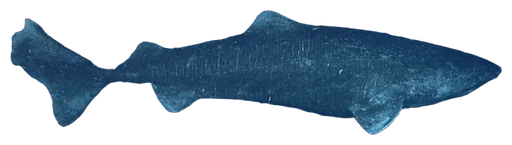
 Fight
FightPhoto: NOAA Photo Library · CC BY 2.0
The Greenland shark is a 4-metre, 400 kg Arctic sleeper shark that can live for centuries and cuts round chunks of flesh from seals with a rolling bite. It is the slowest fish measured for its size, so it wins by stealth and patience in cold, dark water rather than by speed or agility.
 Attack55
  Defense54
  Agility12
  Stamina58
  Intelligence38
  Special66
 Detailed ratings
Research-backed ratings on one 0–100 scale for all 273 animals (updated 2026-09-28). How ratings work
Special abilities
Ability 1Roll-Cut BiteThin upper teeth pin the prey while the shark rolls its head so the interlocking lower blade cuts out a round chunk of flesh. It can remove large pieces from seals and whale carcasses once contact is made.
 Ability 2Silent Sleeper Approach
Cruising at about 0.34 m/s with a slow tail beat makes very little disturbance, and researchers suggest this lets it reach seals that are asleep or resting. In a matchup it favors surprise over pursuit.
Unique traits
 TraitCenturies-Old Survivor
Eye-lens radiocarbon dating shows a lifespan of at least 272 years, the longest known of any vertebrate, with maturity at about 150 years.
TraitRod-Only Night VisionIts retina holds only rod cells tuned for dim light and stays working for centuries, even though most adults carry parasitic copepods on their corneas.
How it fights
Weapons
- The Greenland shark's weapon is its jaw: anchoring upper teeth and a lower row of broad, interlocking blade-like teeth. Holding prey with the upper jaw and rolling its head, it carves out round plugs of flesh. Large Greenland sharks eat ringed, bearded and hooded seals, as well as whale tissue and large fish, and they scavenge carcasses including polar bears and reindeer that end up in the sea. The problem is delivery: a shark whose top measured burst is 0.74 m/s cannot run down a healthy seal. Watanabe et al. suggested it may instead catch seals while they sleep or rest in the water, approaching slowly and quietly. Its offense is therefore powerful on contact but hard to bring to bear on an alert, mobile opponent.
 Struggles vs
- Extremely slow and low in acceleration.
- No armor.
- Cannot chase or escape.
- Poor in warm water, which it avoids.
- Weight
- 400 kg882 lb
- Height
- No reliable measurement
- Length
- 4 m13.1 ft
- Top speed
- 3 km/h2 mph
- Bite force
- No reliable measurement
- Lifespan
- 272 years
- Home biome
- Arctic
- Lifestyle
- Mostly solitary
Rated specimen: Healthy mature adult female, 400 kg and 4.0 m total length, a large adult below the 5–6 m, 1,000+ kg exceptional animals.
Fun facts
- At least one Greenland shark was estimated to be about 392 years old.
- A Greenland shark's tail beats only about once every seven seconds when cruising.
- The fastest burst ever measured was 0.74 m/s, slower than a brisk human walk.
- Most adults carry a parasite attached to their eyes, yet their vision still works.
- Their retina contains only rod cells, suited to near-darkness.
- Their raw flesh is poisonous, but in Iceland it is fermented into kæstur hákarl.
Closest rivals by power. Tap one for the full breakdown, or pick any opponent.
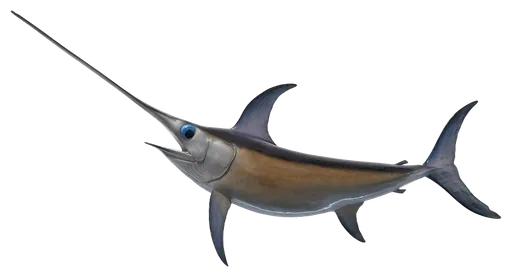
vs WalrusLoses · 50% · Toss-up 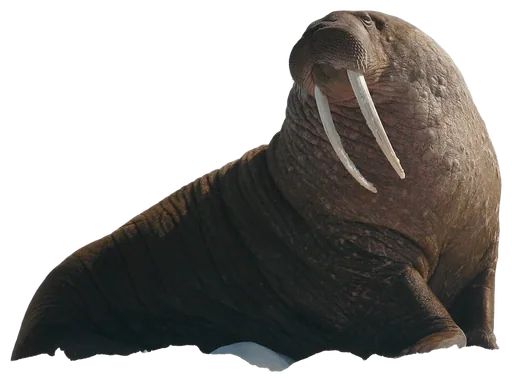 L vs SwordfishWins · 51% · Toss-up
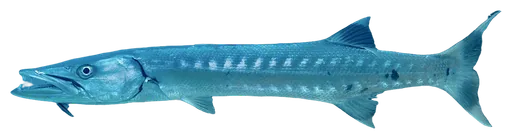
  W vs BarracudaLoses · 52% · Toss-up
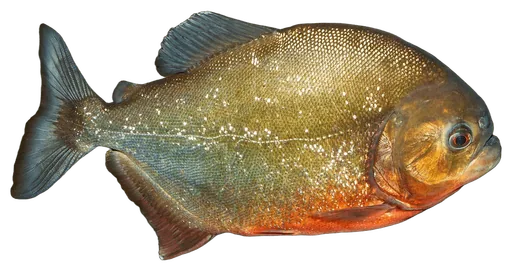
  L vs PiranhaWins · 52% · Toss-up
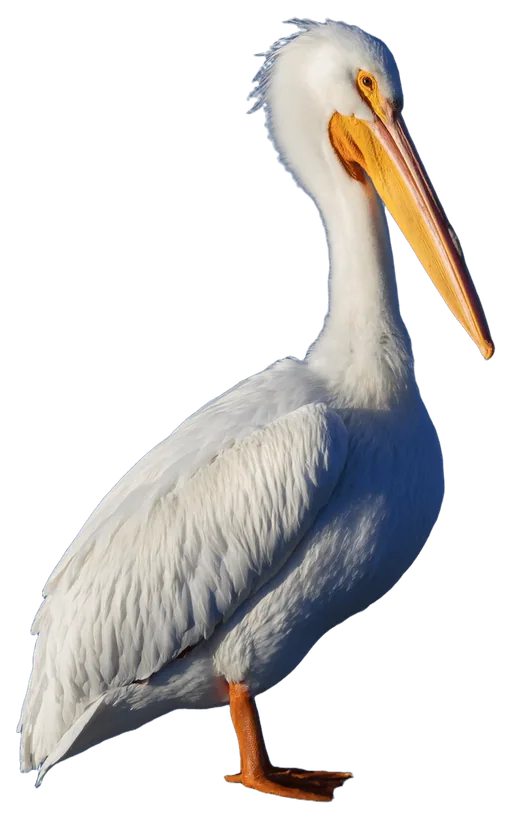
  W vs PelicanLoses · 50% · Toss-up
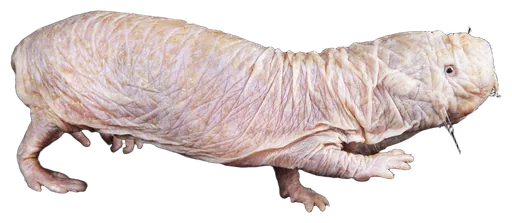
  L vs Naked Mole RatWins · 50% · Toss-up
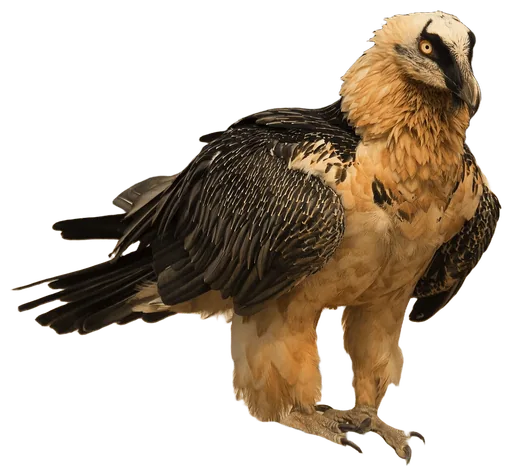
  W vs Bearded VultureLoses · 51% · Toss-up
  L vs RaccoonWins · 51% · Toss-up
  W
W  Pick any opponent
 Greenland Shark battle analysis
The Greenland shark lives slowly. It cruises through near-freezing water at about a third of a metre per second, its tail sweeping once every several seconds, and it grows extremely slowly. Radiocarbon trapped in its eye lenses shows that some individuals are well over two centuries old, and the species may not breed until it is around 150.
It is still a real predator. Large Greenland sharks eat seals, and their jaws are made for it: thin upper teeth pin the prey while a row of interlocking lower teeth works like a blade as the shark rolls its head. Since it could never chase down an alert seal, scientists think it approaches resting or sleeping animals so slowly and quietly that they never wake. Its eyes, though often colonized by parasites, contain a rod-only retina that still works in near-darkness.
In a battle, the Greenland shark is a slow heavyweight with a dangerous bite and almost no mobility. Against a fast predator such as an orca or great white it cannot dodge, chase or flee, so it must rely on mass and toughness. Against anything that blunders into its jaws in cold, dark water, that rolling bite can do serious damage.
Habitat & range
Greenland sharks live in the cold North Atlantic and Arctic, from the surface in the far north to more than 2,000 m deep further south. They are usually found in near-freezing water and are commonest at several hundred metres depth.
Diet & hunting
They are generalist predators and scavengers. Small sharks mainly eat squid; larger sharks mainly eat seals and fish. They also scavenge whale carcasses and the remains of land animals, including polar bears and reindeer, that end up in the sea. They are among the largest predators in Arctic seas.
Social life
Solitary. Individuals gather at carcasses and baited sites but are not known to form groups.
Conservation
The Greenland shark is listed as Vulnerable on the IUCN Red List (2020 assessment, raised from Near Threatened). The main threat is bycatch in Arctic and North Atlantic fisheries; with maturity at about 150 years, populations recover extremely slowly. The Northwest Atlantic Fisheries Organization adopted protections in 2022.
Quick answers
How strong is a Greenland Shark?
On the Animal Battle Stats scale, the Greenland Shark has an attack rating of 55 and a power index of 48.2 out of 100, which ranks it #169 of 273 animals and puts it in C tier (Capable). Its strongest stat is special (66).
How much does a Greenland Shark weigh?
A typical adult Greenland Shark weighs about 400 kg (882 lb). Rated specimen: healthy mature adult female, 400 kg and 4.0 m total length, a large adult below the 5–6 m, 1,000+ kg exceptional animals.
How fast is a Greenland Shark?
The Greenland Shark's top speed is about 3 km/h (2 mph). Its agility rating is 12 out of 100.
What does a Greenland Shark eat?
They are generalist predators and scavengers. Small sharks mainly eat squid; larger sharks mainly eat seals and fish. They also scavenge whale carcasses and the remains of land animals, including polar bears and reindeer, that end up in the sea. They are among the largest predators in Arctic seas.
Is the Greenland Shark endangered?
The Greenland Shark's conservation status is Vulnerable. The Greenland shark is listed as Vulnerable on the IUCN Red List (2020 assessment, raised from Near Threatened). The main threat is bycatch in Arctic and North Atlantic fisheries; with maturity at about 150 years, populations recover extremely slowly. The Northwest Atlantic Fisheries Organization adopted protections in 2022.
What animals can beat a Greenland Shark?
Among its closest rivals, the Walrus (50%), the Barracuda (52%), the Pelican (50%), the Bearded Vulture (51%) would be favored against the Greenland Shark. It would be favored against the Swordfish, the Piranha, the Naked Mole Rat, the Raccoon.
Researched 2026-09-28. Ratings are editorial judgments built from these sources; measurements describe a healthy adult female.
- Nielsen et al. 2016, Science, eye lens radiocarbonlifespan, maturity, sample size range
- Watanabe et al. 2012, Journal of Experimental Marine Biology and Ecologyspeed, mass of tagged sharks
- The slowest fish (ADS abstract record)speed corroboration
- Earthdive, slowest shark hunts sleeping preyhunting hypothesis
- Leclerc et al. 2012, Polar Biology (Svalbard stomach contents)diet
- Nielsen et al. 2014, Polar Biology (Greenland waters feeding ecology)size-related diet
- Nature Communications 2025, visual system of the Greenland sharkvision
- Smithsonian Magazine, Greenland shark visionvision summary
- Wikipedia, Ommatokoitaeye parasite
- Anthoni et al. 1991, Toxicon (PubMed)toxic flesh
- Wikipedia, Greenland sharkdentition, size range, depth, status
- Mongabay 2022, Greenland shark protectionconservation
- NAFO commission document 2022conservation management
- PNAS, Greenland shark genomelongevity biology
- PLOS One, reproductive biology of the Greenland sharklife history
- ReefQuest, Polar Seas: Greenland sharkgeneral ecology
Photo: “Expl9984 (14318817140).jpg” by NOAA Photo Library, CC BY 2.0, background removed and cropped. Original
Suggest a correction