
Green Anaconda
Eunectes murinusB tier · Strong9th of 39 reptiles
Size & speed

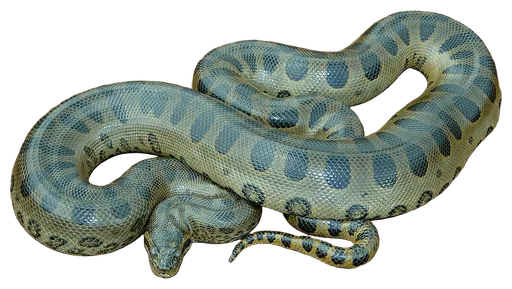
- Weight
- 50 kg110 lb
- Length
- 4.5 m14.8 ft
About as heavy as a person
Heavier than 63% of animals2.6× a person's height
Bigger than 92% of animalsThe Green Anaconda is a heavyweight wetland grappler whose entire body becomes a weapon after one successful bite. A large adult female combines recurved prey-holding teeth, immense trunk musculature, heat and chemical sensing, and submerged ambush tactics. It is devastating once coils are established, but lacks rigid armor and loses much of its mobility advantage on open dry ground.
Detailed ratings
Research-backed ratings on one 0–100 scale for all 344 animals (updated 2026-09-27). How ratings work


Card No. 92 of 344. Every animal on Animal Battle Stats has one: its power, tier and archetype on the front; its six battle stats, abilities and signature move on the back.
Special abilities
A successful tooth hold allows the snake to wrap multiple muscular loops around the opponent and convert close contact into sustained circumferential compression and positional control.
Dorsal eyes/nostrils, labial heat sensitivity, chemosensation and aquatic camouflage let the snake detect and strike from a mostly concealed waterline position.
Unique traits
Extreme female-biased size dimorphism makes the mature female dramatically larger and more powerful than the male, reversing the common male-fighter assumption.
The semi-aquatic body plan lets a very heavy snake move and conceal itself more effectively in water than its terrestrial bulk would suggest.
How it fights
Weapons
- The green anaconda is a nonvenomous ambush constrictor. Smithsonian describes the attack sequence as seizure with the jaws followed by wrapping the muscular body around prey. Constriction is best treated as a positional circulatory/compressive weapon rather than an exaggerated fixed PSI number. Once several coils are established around a vulnerable torso, a similarly sized opponent can lose effective movement quickly. Before that point, the snake must still land and maintain a close-range hold.
Struggles vs
- No rigid armor.
- Critical dependence on securing first contact.
- Head remains a decisive target.
- Limited pursuit and ranged threat.
- Long body exposes substantial surface area during failed grappling attempts.
- Weight
- 50 kg110 lb
- Height
- No reliable measurement
- Length
- 4.5 m14.8 ft
- Top speed
- No reliable measurement
- Bite force
- No reliable measurement
- Lifespan
- 10 years
- Home biome
- Wetlands
- Lifestyle
- Social
Rated specimen: Healthy mature adult female, because female-biased sexual size dimorphism is extreme in green anacondas and the female is the substantially larger fighting form.
Fun facts
- Green anacondas are generally considered the heaviest living snakes even though reticulated pythons can grow longer.
- Females are dramatically larger than males.
- The eyes and nostrils sit high on the head so the snake can remain mostly submerged while monitoring the surface.
- A breeding ball can contain many males around one female and persist for weeks.
- Females have been documented cannibalizing smaller males.
- After a large meal, an anaconda can go weeks or months before feeding again.
Closest rivals by power. Tap one for the full breakdown, or pick any opponent.
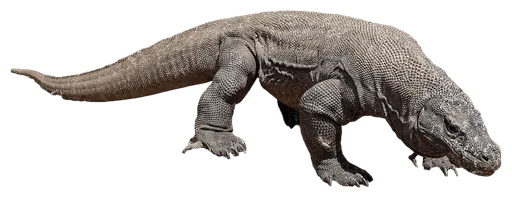
vs AnacondaWins · 51% · Toss-up 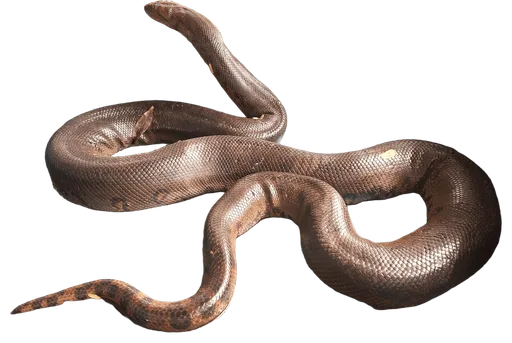 W vs Komodo DragonLoses · 55% · Toss-up
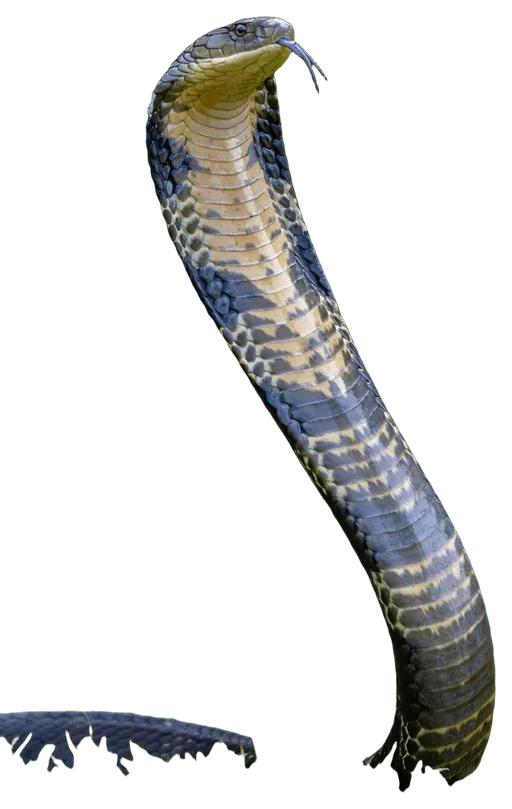
 L vs King CobraWins · 63% · Slight edge
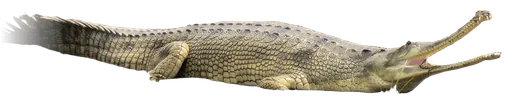
 W vs GharialLoses · 55% · Toss-up
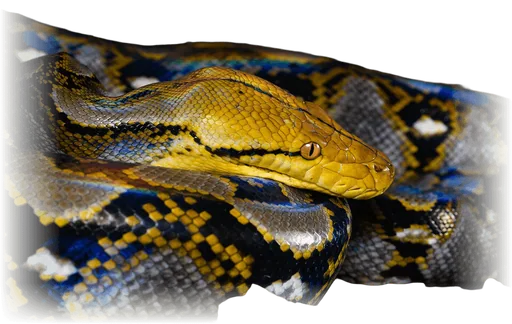
 L vs PythonLoses · 53% · Toss-up
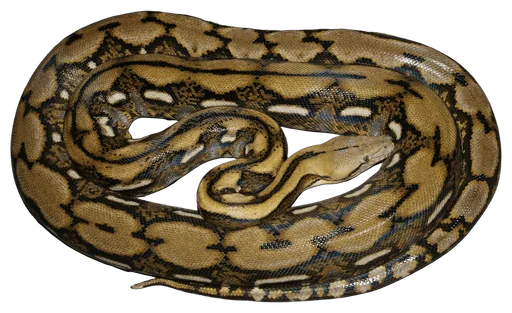
 L vs Reticulated PythonLoses · 53% · Toss-up
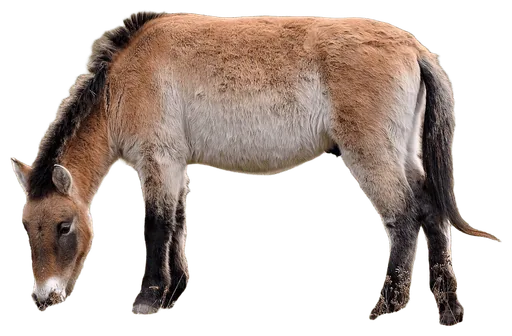
 L vs Wild HorseLoses · 60% · Slight edge
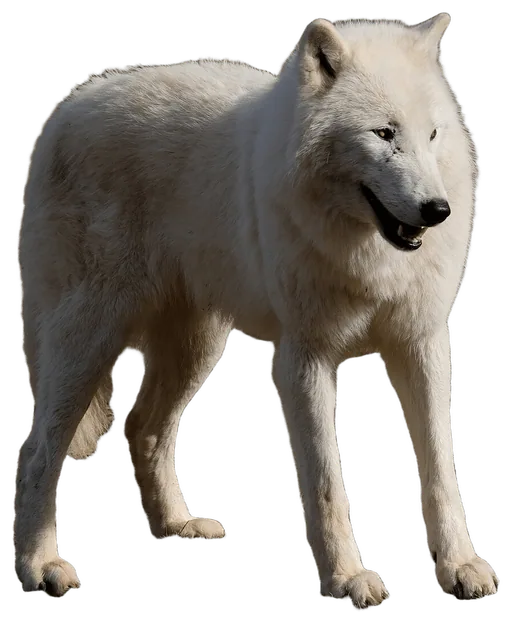
 L vs Arctic WolfWins · 51% · Toss-up
 W
Green Anaconda battle analysis
A green anaconda does not win by trading strikes. It wins by changing the geometry of the fight. From shallow water, only the upper head may be obvious while metres of muscular body remain concealed. A short bite is the entry point. Recurved teeth hold the target long enough for the trunk to loop, and each secure coil reduces the opponent's freedom to use its own weapons.
That makes the animal unusually nonlinear in a matchup. Before contact, it can be outmaneuvered. After a good coil, an opponent near its size may suddenly have almost no useful space. The same specialization also creates its limits. A 4.5 m snake looks enormous but the canonical animal is only about 50 kg, so length must not be mistaken for megafaunal mass. A failed wrap exposes a long unarmored body, and powerful claws, jaws, horns or trampling can punish the attempt.
Water is therefore central rather than cosmetic. It supports the body, hides the approach, and can compromise the footing of terrestrial prey. On dry open ground the snake's tactical profile becomes much more ordinary. ABS should preserve that environment dependence instead of converting sensational size stories into universal Attack, Defense or Agility inflation.
Habitat & range
Green anacondas inhabit tropical South American freshwater systems, especially swamps, marshes, slow rivers, flooded forest and vegetated banks. Traditional range descriptions span the Amazon and Orinoco systems and the Guianas, though exact boundaries depend on how the recent E. akayima proposal is ultimately treated.
Diet & hunting
They are opportunistic carnivores. Smithsonian lists fish, birds and small mammals for juveniles and much larger vertebrates including deer, capybaras, caimans and large birds for adults. Their ecological role is that of a large semi-aquatic ambush predator rather than an active long-distance pursuit hunter.
Social life
Normally solitary. Temporary aggregations occur during breeding, when numerous males can gather around a female in a breeding ball.
Conservation
Smithsonian describes green anacondas as Least Concern and notes habitat loss, persecution and trade as threats. International trade is regulated under CITES Appendix II. Taxonomic splitting could alter conservation assessments because a broad old range may contain more than one distinct taxon.
Quick answers
How strong is a Green Anaconda?
On the Animal Battle Stats scale, the Green Anaconda has an attack rating of 70 and a power index of 57.1 out of 100, which ranks it #92 of 344 animals and puts it in B tier (Strong). Its strongest stat is special (75).
How much does a Green Anaconda weigh?
A typical adult Green Anaconda weighs about 50 kg (110 lb). Rated specimen: healthy mature adult female, because female-biased sexual size dimorphism is extreme in green anacondas and the female is the substantially larger fighting form.
How fast is a Green Anaconda?
There is no reliable measured top speed for the Green Anaconda, so we do not publish one. Its agility rating, which covers acceleration, reflexes and evasion, is 46 out of 100.
What does a Green Anaconda eat?
They are opportunistic carnivores. Smithsonian lists fish, birds and small mammals for juveniles and much larger vertebrates including deer, capybaras, caimans and large birds for adults. Their ecological role is that of a large semi-aquatic ambush predator rather than an active long-distance pursuit hunter.
Is the Green Anaconda endangered?
No. The Green Anaconda is listed as Least Concern. Smithsonian describes green anacondas as Least Concern and notes habitat loss, persecution and trade as threats. International trade is regulated under CITES Appendix II. Taxonomic splitting could alter conservation assessments because a broad old range may contain more than one distinct taxon.
What animals can beat a Green Anaconda?
Among its closest rivals, the Komodo Dragon (55%), the Gharial (55%), the Python (53%), the Reticulated Python (53%), the Wild Horse (60%) would be favored against the Green Anaconda. It would be favored against the Anaconda, the King Cobra, the Arctic Wolf.
Researched 2026-09-27. Ratings are editorial judgments built from these sources; measurements describe a healthy adult female.
- Smithsonian National Zoo, Green Anacondadiet, constriction, senses, reproduction, sociality, conservation
- Animal Diversity Web, Eunectes murinusmorphology, dimorphism, size context, sensory anatomy
- Rivas & Burghardt 2005, Journal of Comparative Psychologymating system and female-biased dimorphism context
- Rivas et al. 2024, Diversitytaxonomy conflict
- Wikispecies, Eunectes murinuscurrent nomenclatural context
- Muséum national d'Histoire naturelleinstitutional size/longevity context
- SeaWorld, Green Anacondamass, maturity, reproduction, longevity
- Franklin Park Zooecology, prey, aquatic behavior, lifespan
- Wikimedia Commons / iNaturalist candidateimage provenance
Photo: “Sucuri verde.jpg” by MKAMPIS, CC BY-SA 4.0, background removed and cropped. Original
Suggest a correction