
Gray Wolf
Canis lupusB tier · Strong40th of 163 mammals
Size & speed

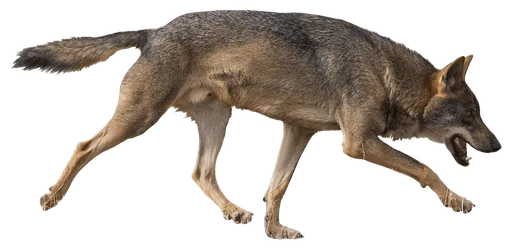
- Weight
- 50 kg110 lb
- Length
- 1.81 m5.9 ft
- Top speed
- 56 km/h35 mph
About as heavy as a person
Heavier than 63% of animalsAbout as long as a person is tall
Bigger than 70% of animalsFaster than Usain Bolt (44.7 km/h)
Faster than 69% of animalsA 50 kg adult male Gray Wolf is a mobile, intelligent endurance predator built around repeated biting, efficient long-distance travel and sophisticated social hunting. It lacks armor and the grappling weapons of a big cat, but excels at prey assessment, re-engagement and sustained pressure. Its strongest ABS categories are Stamina, Intelligence and Tactics, while its individual Attack remains firmly below the roster's large cats, bears and megafauna.
Detailed ratings
Research-backed ratings on one 0–100 scale for all 344 animals (updated 2026-09-27). How ratings work


Card No. 68 of 344. Every animal on Animal Battle Stats has one: its power, tier and archetype on the front; its six battle stats, abilities and signature move on the back.
Special abilities
Wolves repeatedly approach, withdraw and re-engage dangerous prey while packmates create changing attack angles. The biological basis is cooperative cursorial predation and risk-sensitive target pressure. In strict one-on-one ABS battles, only the individual re-engagement component remains active; the score must not secretly add absent packmates.
Efficient trotting, long daily travel and repeated pursuit allow a wolf to keep useful pressure on prey after many burst-oriented opponents would lose output. This is sustained locomotor ecology, not a claim of infinite stamina.
Unique traits
Communication, social roles and prey assessment allow flexible group tactics, including learning how to handle unfamiliar large prey.
Wolves routinely patrol and search large ranges, combining strong sensory tracking with economical long-distance locomotion.
How it fights
Weapons
- The jaws are the decisive individual weapon. A wolf uses rapid approach, snapping bites, sustained grips and repeated re-engagement. Canines puncture and anchor; carnassials slice tissue. Neck and forequarter musculature let the wolf pull, wrench and maintain a grip. Against ungulates, wolves do not normally win by one exaggerated crushing bite. They create cumulative trauma while forcing prey to keep moving, exploit instability, and target vulnerable regions.
Struggles vs
- No armor or specialized passive trauma shield.
- Primary weapon requires close head-first contact.
- Non-retractile claws are poor cutting weapons.
- A single wolf is far less dangerous to megafauna than a coordinated pack.
- Large cats generally have stronger close-range grappling toolkits.
- Weight
- 50 kg110 lb
- Height
- 81 cm31.9 in
- Length
- 1.81 m5.9 ft
- Top speed
- 56 km/h35 mph
- Bite force
- No reliable measurement
- Lifespan
- 7.5 years
- Home biome
- Forest
- Lifestyle
- Social
Rated specimen: Healthy fully mature adult male, 50.0 kg, 81.0 cm shoulder height, 181.0 cm nose-to-tail length.
Fun facts
- Yellowstone's documented heaviest wolf was 148 lb, substantially above the 110 lb male average, illustrating why records should not define the canonical animal.
- NPS reports the leading natural cause of adult wolf mortality inside Yellowstone as other wolves.
- A dispersing wolf may travel hundreds of miles while searching for a mate and territory.
- Yellowstone researchers documented wolves learning to kill bison after reintroduction despite most founders having no prior bison experience.
- Group hunting has diminishing returns: Yellowstone elk-hunt success leveled off beyond about four participating wolves in one major study.
- Howls can carry for many kilometers, providing long-distance territorial and social communication.
Closest rivals by power. Tap one for the full breakdown, or pick any opponent.
vs LeopardLoses · 51% · Toss-up 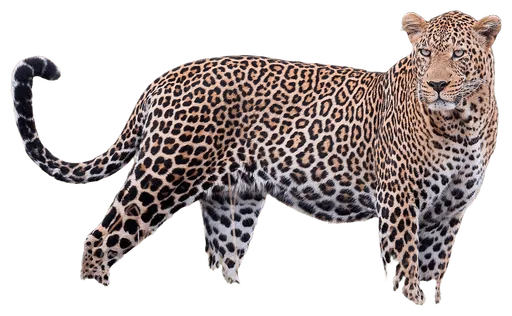 L vs Sloth BearLoses · 55% · Toss-up
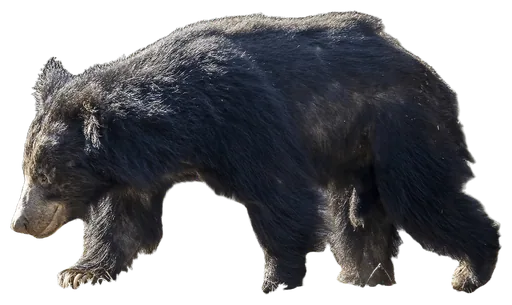 L vs Bactrian CamelLoses · 63% · Slight edge
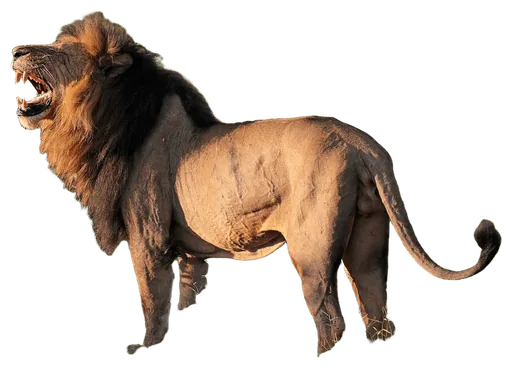
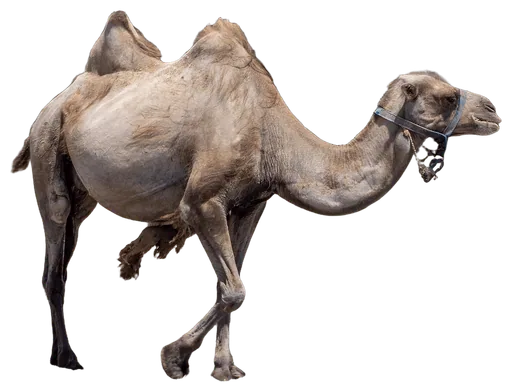 L vs African LionLoses · 57% · Toss-up
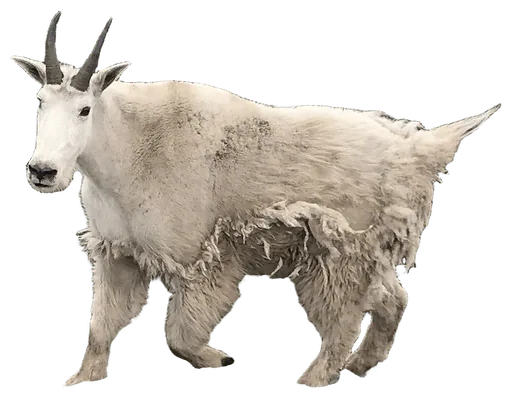
 L vs Mountain GoatLoses · 55% · Toss-up
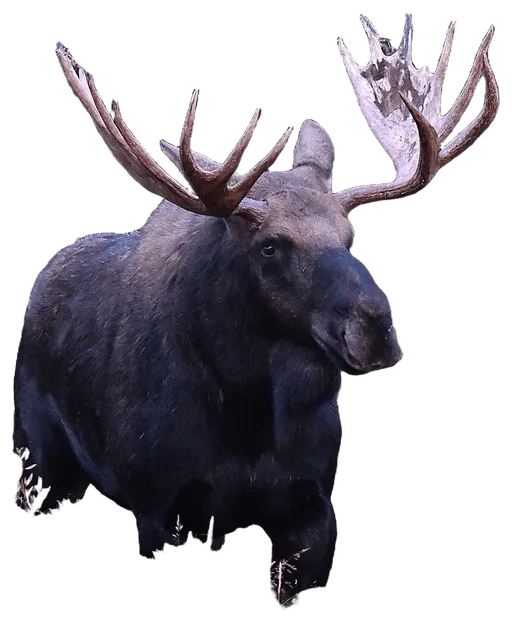
 L vs MooseLoses · 64% · Slight edge
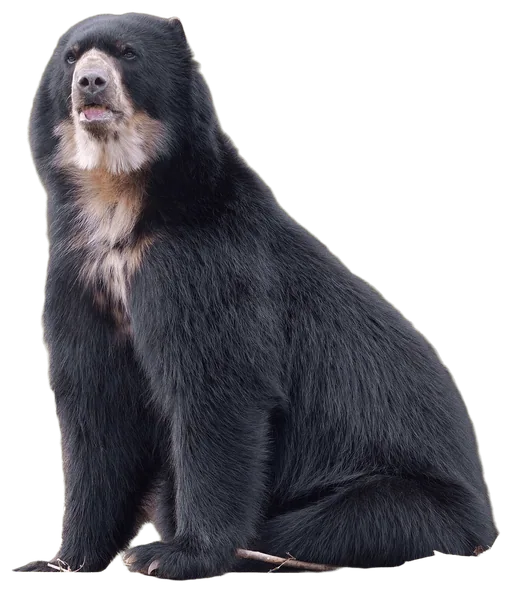
 L vs Spectacled BearLoses · 54% · Toss-up
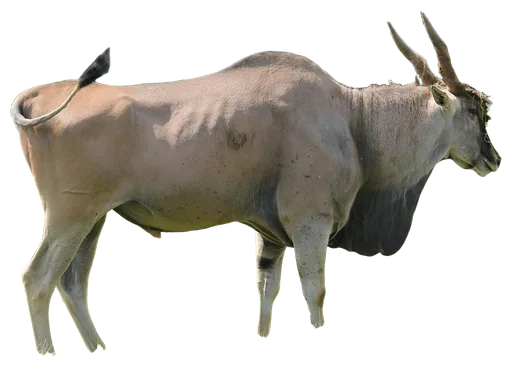
 L vs Common ElandLoses · 66% · Slight edge
 L
Gray Wolf battle analysis
The gray wolf's danger comes from integration rather than a single superweapon. Its jaws are effective, but the animal is not a walking bite-force number. Long limbs and digitigrade feet let it cover ground economically; smell and hearing help it find prey; social communication keeps a family group coordinated; and repeated attack-withdrawal decisions limit exposure to hooves, antlers and horns. Yellowstone field studies show both sides of that strategy. Wolves can kill elk and even bison, but success depends on prey condition, weather, experience and group behavior. They learn, they select vulnerable targets, and they abandon bad risks. That is precisely why ABS should rate the wolf highly in Stamina, Tactics and Intelligence while resisting the temptation to inflate Raw Power or Defense.
A one-on-one 50 kg wolf remains a formidable medium predator. It can inflict deep punctures and tearing injuries, sustain pursuit, and exploit fatigue. Yet it has no armor, must bring its head into contact to use its main weapon, and cannot reproduce a pack's multi-angle pressure alone. Against a similar-sized poorly armed mammal those strengths are decisive. Against a cougar-like grappler, a large bear, a healthy adult bison or megafauna, the absolute force and weapon gap becomes severe. This profile preserves both realities.
Habitat & range
Gray wolves historically occupied one of the broadest ranges of any terrestrial mammal across North America and Eurasia. They use tundra, boreal and temperate forests, mountains, grasslands and other habitats where sufficient prey and human tolerance remain. Smithsonian emphasizes their broad habitat flexibility outside tropical forest.
Diet & hunting
Primarily carnivorous and strongly oriented toward ungulates where available. Yellowstone diets are dominated by elk, with bison, deer and smaller mammals contributing. Wolves also scavenge and can consume smaller prey opportunistically.
Social life
The normal pack is a family unit centered on a breeding pair and offspring of multiple ages. Packs defend territories with scent marking, howling and direct confrontation. Social structure is dynamic: dispersers leave, new pairs form, packs split, and territorial encounters can be lethal.
Conservation
Global status and regional legal status should be verified at production-migration time because wolf management is politically and geographically variable. Populations are robust in some northern regions and absent or recovering in others. The species' conservation story cannot be represented accurately by one local management label.
Quick answers
How strong is a Gray Wolf?
On the Animal Battle Stats scale, the Gray Wolf has an attack rating of 55 and a power index of 60.5 out of 100, which ranks it #68 of 344 animals and puts it in B tier (Strong). Its strongest stat is stamina (89).
How much does a Gray Wolf weigh?
A typical adult Gray Wolf weighs about 50 kg (110 lb). Rated specimen: healthy fully mature adult male, 50.0 kg, 81.0 cm shoulder height, 181.0 cm nose-to-tail length.
How fast is a Gray Wolf?
The Gray Wolf's top speed is about 56 km/h (35 mph). Its agility rating is 66 out of 100.
What does a Gray Wolf eat?
Primarily carnivorous and strongly oriented toward ungulates where available. Yellowstone diets are dominated by elk, with bison, deer and smaller mammals contributing. Wolves also scavenge and can consume smaller prey opportunistically.
What animals can beat a Gray Wolf?
Among its closest rivals, the Leopard (51%), the Sloth Bear (55%), the Bactrian Camel (63%), the African Lion (57%), the Mountain Goat (55%), the Moose (64%), the Spectacled Bear (54%), the Common Eland (66%) would be favored against the Gray Wolf. It would be favored against none of them.
Researched 2026-09-27. Ratings are editorial judgments built from these sources; measurements describe a healthy adult male.
- Yellowstone NPS, Wolf Ecologymass, height, length, speed, lifespan, diet, mortality, dentition
- NPS, Yellowstone Wolf Factssame population physical controls
- Smithsonian National Zoo, Gray Wolfspecies-wide size, habitat, lifespan, social behavior
- Animal Diversity Web, Canis lupusdimorphism, size range, canine spacing, coat
- USGS, Mech et al. 2001hunting success / prey selection
- USGS, Smith et al. 2000learning, bison predation, limits
- USGS, MacNulty et al. 2012pack hunting mechanics
- NPS, Wolf Ecology Basicsdaily travel, dispersal, broad sprint context
- NPS, Lamar Valley Predators and Preydiet and ecological role
- Mammal Diversity Database v2.5taxonomy reference
- Commons, Carlos Delgadoimage provenance
- Commons, Arturo de Frias Marquesimage adulthood comparison
Photo: “Canis lupus signatus - 01 white background.jpg” by Carlos Delgado, CC BY-SA 4.0, background removed and cropped. Original
Suggest a correction