
Goose
Anser anserC tier · Capable30th of 55 birds
Size & speed

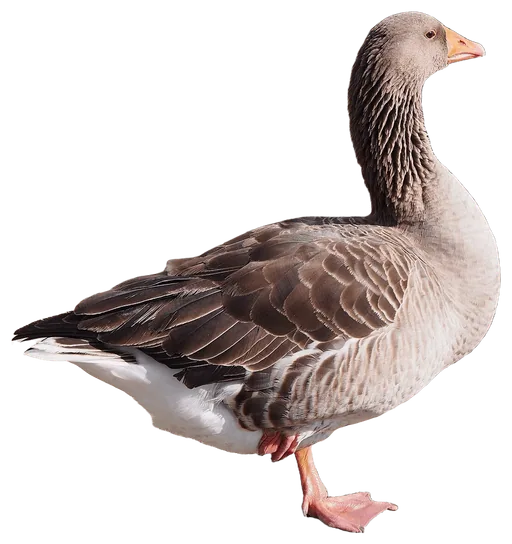
- Weight
- 3.5 kg8 lb
- Length
- 80 cm31.5 in
- Top speed
- 69 km/h43 mph
About as heavy as a house cat
Heavier than 32% of animalsAbout 2.7 rulers long
Bigger than 38% of animals1.5× Usain Bolt's top speed
Faster than 90% of animalsThe Greylag Goose is a 3.5 kg wild gander built more for endurance, mobility and social defense than raw damage. Its bill and aggressive charges are credible close-range tools, but its real battle advantages are sustained flight, water mobility, vigilance, strong territorial behavior and sophisticated family support. It is a stubborn, highly mobile lightweight rather than the supernaturally powerful fighter suggested by goose memes.
Detailed ratings
Research-backed ratings on one 0–100 scale for all 344 animals (updated 2026-09-27). How ratings work


Card No. 219 of 344. Every animal on Animal Battle Stats has one: its power, tier and archetype on the front; its six battle stats, abilities and signature move on the back.
Special abilities
Powerful sustained flight lets the goose rapidly leave ground-bound threat envelopes and reposition across water or open terrain; this is escape/repositioning, not a damage multiplier.
Grounded in documented serial agonistic support, where family members repeatedly attack the same opponent and can reverse a family member's lost encounter. For solo ABS this is contextual rather than free extra combatants.
Unique traits
Males are modestly larger and, in studied flocks, tend to occupy higher social rank, matching the canonical mature-male combat specimen.
One animal can walk/run on land, swim effectively at the surface and sustain long-distance flight, making terrain denial harder than for a single-mode fighter.
How it fights
Weapons
- The principal close-range weapon is the bill, used to peck, nip, seize feathers/skin and threaten. Unlike an eagle, the goose lacks a hooked raptorial beak and large piercing talons. Its feet and wings can contribute to shoving, striking, balance and space control, but direct force data were not found and should not be exaggerated into bone-breaking weapons.
Struggles vs
- Confined terrestrial space: flight advantage may disappear.
- Dense cover: reduces takeoff and long-neck visibility.
- Close grappling with a mammalian carnivore: feathers, neck and legs are poorly protected.
- Underwater combat: not a diving specialist.
- Weight
- 3.5 kg8 lb
- Height
- 80 cm31.5 in
- Length
- 80 cm31.5 in
- Top speed
- 69 km/h43 mph
- Bite force
- No reliable measurement
- Lifespan
- 8 years
- Home biome
- Wetlands
- Lifestyle
- Social
Rated specimen: Healthy fully mature male (gander) of a wild-type population, approximately 3.5 kg, not a domestic heavy breed and not an exceptional eastern-subspecies maximum.
Fun facts
- Most familiar European domestic geese were bred from wild greylag geese.
- BTO's displayed ring record exceeds 19 years, more than twice the typical 8-year expectancy for a bird reaching breeding age.
- GPS-tracked western European migrants averaged about 69 km/h while migrating and returned to breeding grounds with very high site fidelity.
- Greylag family members sometimes launch serial attacks on the same opponent; researchers documented sequences of up to five follow-up attackers.
- Aggressiveness is individually repeatable enough to predict social dominance rank in a free-flying flock.
- A gander's combat reputation is partly real biology: males are both modestly larger and higher-ranking on average in studied social groups.
Closest rivals by power. Tap one for the full breakdown, or pick any opponent.
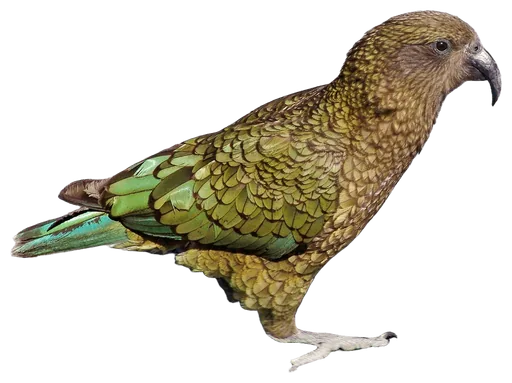
vs MacawWins · 56% · Toss-up 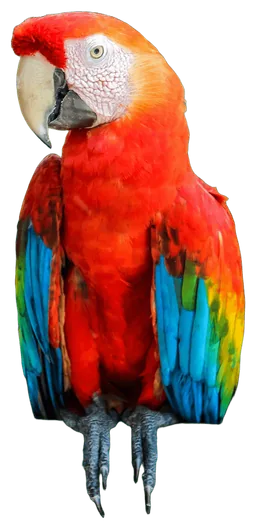 W vs KeaWins · 58% · Slight edge
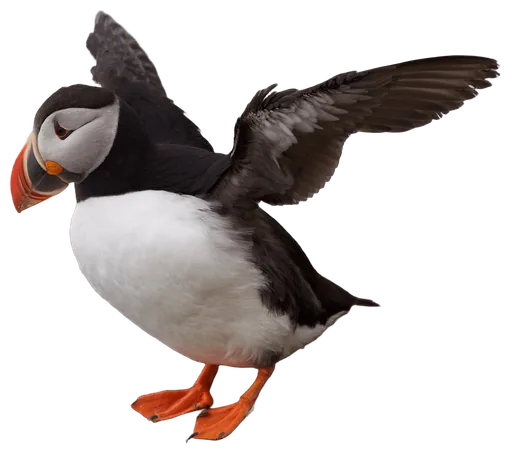
 W vs PuffinWins · 60% · Slight edge
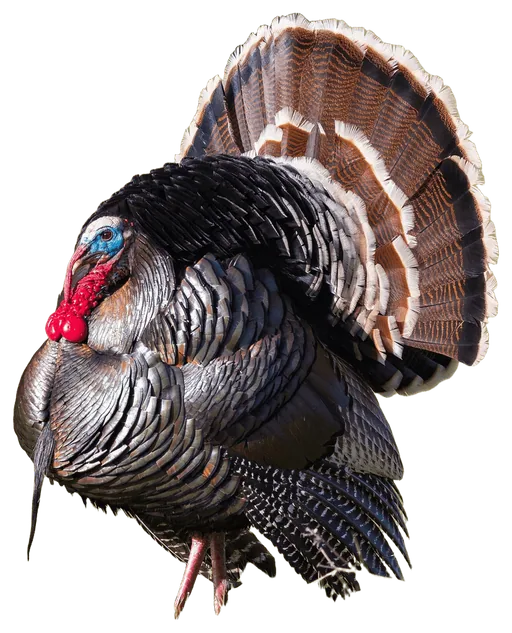
 W vs Wild TurkeyLoses · 53% · Toss-up
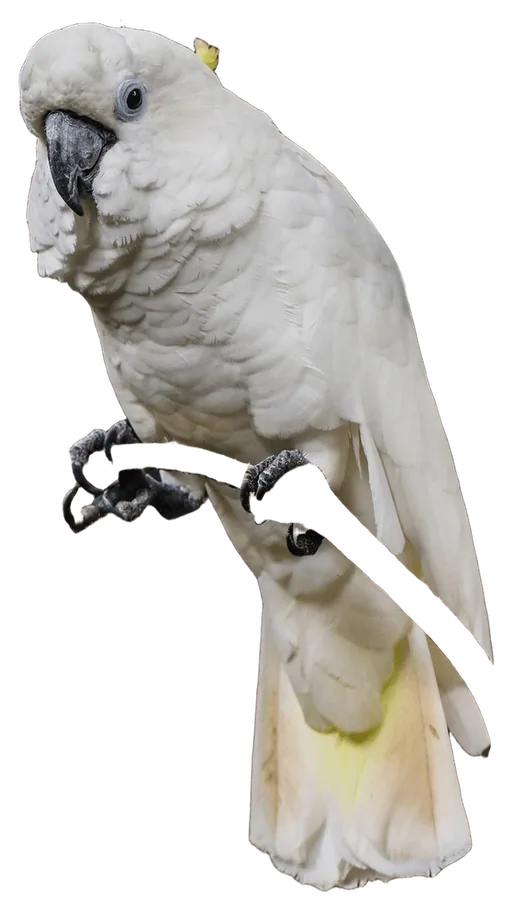
 L vs CockatooWins · 60% · Slight edge
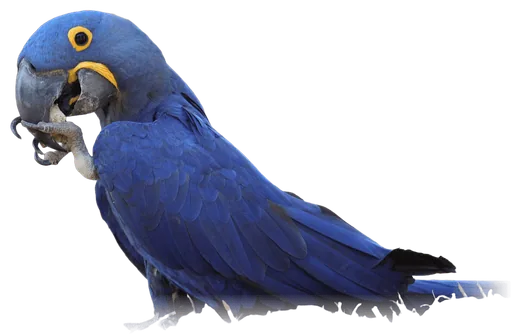
 W vs Hyacinth MacawWins · 54% · Toss-up
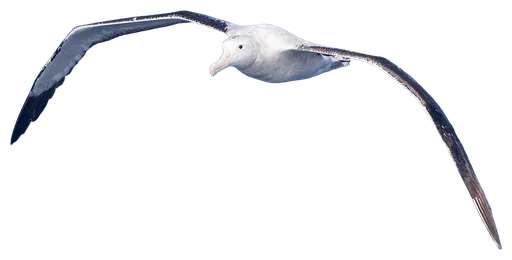
 W vs AlbatrossLoses · 54% · Toss-up
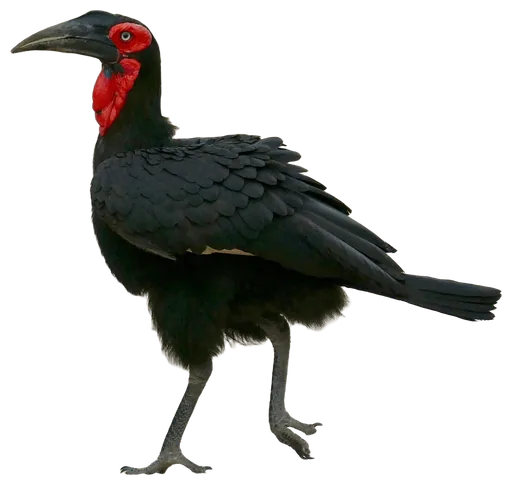
 L vs Southern Ground HornbillWins · 51% · Toss-up
 W
Goose battle analysis
A mature Greylag gander is a compact migratory athlete. At roughly 3.5 kg it is dwarfed by the roster's serious mammalian predators, and neither its bill nor webbed feet can bridge that absolute power gap. What it does have is options. On land it can stand its ground long enough to threaten, peck, grab and chase. On water it gains stable mobility. In open air it can simply remove itself from the reach of many terrestrial opponents and sustain flight over distances that burst-oriented animals cannot match.
Its social biology is unusually relevant to combat interpretation. Greylags remember social relationships, occupy structured dominance hierarchies and show stable individual differences in aggressiveness. Families actively support one another in disputes, sometimes chaining attacks against the same rival. That does not turn one goose into a flock in a solo matchup, but it demonstrates that the species' confrontational behavior is organized and context-sensitive rather than random bluff.
The goose's biggest calibration trap is reputation. Territorial birds can intimidate humans and other animals, but fearlessness is not force. Feathers do not stop canine teeth, the long neck is vulnerable, and a goose has no eagle-grade talons or carnivore-grade jaw. ABS should therefore preserve the contrast: high Stamina and Agility, respectable Ferocity and Intelligence, but low absolute Attack and Defense.
Habitat & range
Greylag geese use temperate freshwater and brackish wetlands, marshes, lakes, river valleys, estuaries, pasture, stubble and agricultural fields. Native/wild populations span much of Europe and Asia, with resident, migratory and naturalized populations depending on region.
Diet & hunting
Primarily herbivorous. They graze grasses and consume marsh-plant rhizomes/roots, grain, seeds and agricultural root crops. ADW also records occasional small aquatic animal matter. Their abundance can make them significant grazers and agricultural crop consumers.
Social life
Strongly social outside some nesting contexts. Long-term monogamous pair bonds are common, offspring can remain with parents for an extended period, and family membership has measurable effects on rank and conflict outcomes. Flocks possess structured dominance relationships rather than being socially uniform.
Conservation
The species is globally treated as Least Concern in the conservation references recovered. Local management can be complicated because abundant or naturalized populations may conflict with agriculture and human recreation, while some regional native populations receive protection.
Quick answers
How strong is a Goose?
On the Animal Battle Stats scale, the Goose has an attack rating of 25 and a power index of 46.2 out of 100, which ranks it #219 of 344 animals and puts it in C tier (Capable). Its strongest stat is stamina (82).
How much does a Goose weigh?
A typical adult Goose weighs about 3.5 kg (8 lb). Rated specimen: healthy fully mature male (gander) of a wild-type population, approximately 3.5 kg, not a domestic heavy breed and not an exceptional eastern-subspecies maximum.
How fast is a Goose?
The Goose's top speed is about 69 km/h (43 mph). Its agility rating is 76 out of 100.
What does a Goose eat?
Primarily herbivorous. They graze grasses and consume marsh-plant rhizomes/roots, grain, seeds and agricultural root crops. ADW also records occasional small aquatic animal matter. Their abundance can make them significant grazers and agricultural crop consumers.
Is the Goose endangered?
No. The Goose is listed as Least Concern. The species is globally treated as Least Concern in the conservation references recovered. Local management can be complicated because abundant or naturalized populations may conflict with agriculture and human recreation, while some regional native populations receive protection.
What animals can beat a Goose?
Among its closest rivals, the Wild Turkey (53%), the Albatross (54%) would be favored against the Goose. It would be favored against the Macaw, the Kea, the Puffin, the Cockatoo, the Hyacinth Macaw, the Southern Ground Hornbill.
Researched 2026-09-27. Ratings are editorial judgments built from these sources; measurements describe a healthy adult male.
- British Trust for Ornithology, BirdFactsAdult sex-specific mass/wing length, lifespan
- Animal Diversity WebMorphology, reproduction, habitat, diet, predators
- MME Hungarian Ornithological and Nature Conservation SocietyIndependent sex/size check, conservation
- BTO / Wildlife Trusts species accountEcology, territorial behavior, diet
- Kölzsch et al./Bird Study, migratory flightsFlight speed and site fidelity
- Li et al. 2020, Integrative ZoologyMigration/endurance
- Gatt et al. 2020, Journal of Avian BiologyControlled flight development
- Kleindorfer et al. 2024, Royal Society Open ScienceAggression/dominance/intelligence
- Scheiber et al., Animal BehaviourSerial family attacks
- Scheiber et al., BehaviourActive/passive social support
- Weiß et al. 2011, Behavioral EcologyLong-term dominance/aggression
- Scientific Reports 2026 goose aggression studyCurrent field aggression context
- Wikimedia Commons, Andreas TrepteImage candidate
- Wikimedia Commons, Vera BuhlAdult image cross-check
Photo: “Χήνα 4565.JPG” by C messier, CC0, background removed and cropped. Original
Suggest a correction