

Goliath Grouper
Epinephelus itajara
 #197 of 344
  Ocean Ambush Predator Vulnerable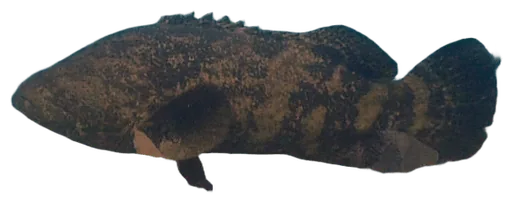
 Fight
FightPhoto: Brett Seymour · Public domain
The goliath grouper is the Atlantic's largest grouper, a 2-metre, 150 kg ambusher that guards wrecks and caves with an open-mouth threat display and a booming call. It lunges from cover and swallows lobsters, rays and even young turtles whole, but it is slow and has no cutting teeth.
 Attack50
  Defense48
  Agility42
  Stamina45
  Intelligence52
  Special64
 Detailed ratings
Research-backed ratings on one 0–100 scale for all 344 animals (updated 2026-09-28). How ratings work
Special abilities
Ability 1Gulp AmbushA sudden rush and snap from cover; the expanding mouth pulls prey in and rows of small teeth hold it while it is swallowed whole. Spiny lobsters, stingrays and young sea turtles all fit.
 Ability 2Swim-Bladder Boom
Muscles on the swim bladder produce a loud, low rumbling call that travels great distances underwater, used to warn intruders and to find other goliaths.
Unique traits
 TraitAtlantic's Largest Grouper
Reaching about 2.5 m and 363 kg or more, it dwarfs every other Atlantic grouper.
TraitWreck GuardianIt defends caves, ledges and shipwrecks with an open-mouth, body-quivering threat display.
How it fights
Weapons
- The goliath grouper kills by ambush and engulfment. It waits near a cave, ledge or wreck, then rushes and snaps open its huge mouth; the sudden expansion draws prey in, and rows of small teeth hold it while it is swallowed whole (Florida Museum). Its diet shows what that gulp can handle: spiny lobsters, crabs and shrimps, stingrays, parrotfish, catfish, toadfish, burrfish and cowfish, octopus and young sea turtles (Florida Museum, FishBase, Wikipedia). The Florida Museum records very large goliaths stalking divers and even making unsuccessful ambushes on them.
- It has no cutting teeth, so it cannot take chunks out of large animals. Its offense depends on getting the whole target, or a limb of it, into the mouth.
 Struggles vs
- Slow, heavy swimmer with no pursuit speed.
- No cutting teeth; must engulf prey.
- No armor or venom.
- Stays near home sites, making it easy to find and spear.
- Weight
- 150 kg331 lb
- Height
- No reliable measurement
- Length
- 2 m6.6 ft
- Top speed
- No reliable measurement
- Bite force
- No reliable measurement
- Lifespan
- 37 years
- Home biome
- Ocean
- Lifestyle
- Mostly solitary
Rated specimen: Healthy mature adult, 200 cm total length and 150 kg, a large adult of the kind seen on spawning aggregation sites, rather than the 2.5 m, 363–455 kg maxima.
Fun facts
- A goliath grouper can make a booming sound loud enough to travel great distances underwater.
- It swallows most prey whole, including spiny lobsters and young sea turtles.
- Juvenile goliaths spend their first 5–6 years hiding among mangrove roots.
- The oldest verified goliath grouper was 37 years old, and they may live to about 50.
- U.S. waters banned taking goliath groupers for 32 years, from 1990 until Florida reopened a small harvest in 2023.
- A well-known goliath called "Wilbur" at Boynton Beach, Florida, lets divers approach it.
Closest rivals by power. Tap one for the full breakdown, or pick any opponent.
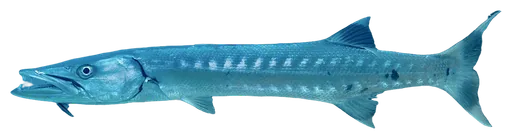
vs StingrayWins · 50% · Toss-up 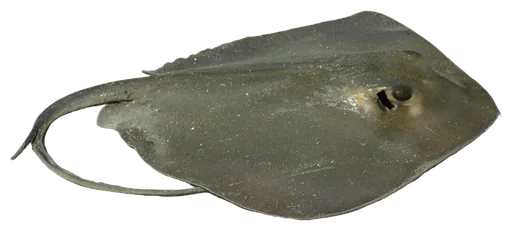 W vs BarracudaLoses · 51% · Toss-up
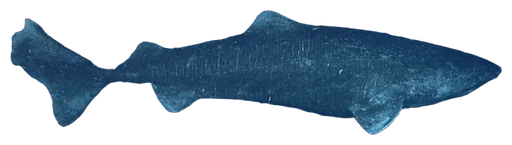
  L vs Greenland SharkWins · 51% · Toss-up
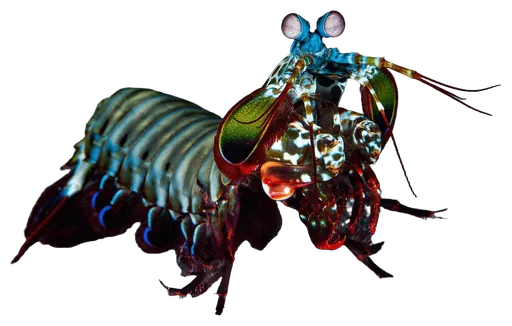
  W vs Mantis ShrimpLoses · 52% · Toss-up
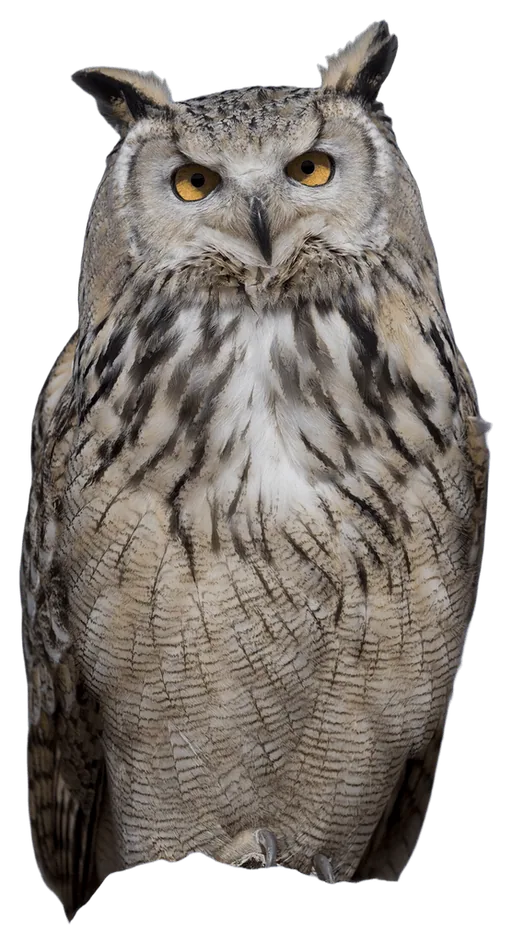
  L vs Great Horned OwlLoses · 50% · Toss-up
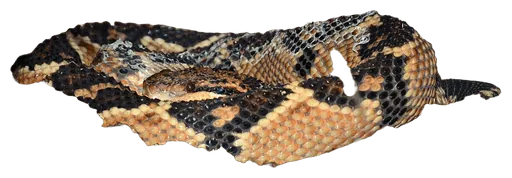
  L vs BushmasterLoses · 50% · Toss-up
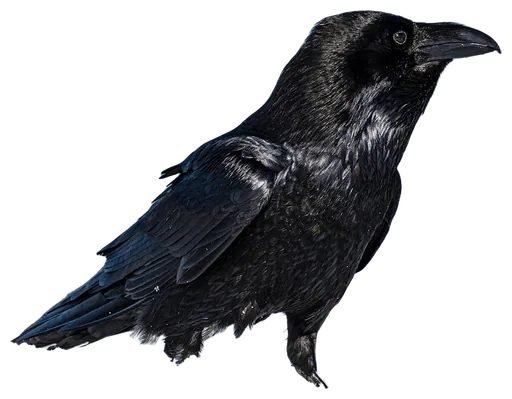
  L vs RavenWins · 50% · Toss-up
  W vs GuanacoWins · 50% · Toss-up
  W
W  Pick any opponent
 Goliath Grouper battle analysis
The goliath grouper is a heavyweight that prefers to let food come to it. A large adult, about 2 metres long and around 150 kg, spends most of its time near a favourite cave, ledge or shipwreck, its mottled brown body blending into the shadows. When a lobster, stingray or parrotfish passes too close, the grouper rushes forward and snaps open its enormous mouth, drawing the prey in and swallowing it whole.
It defends its home with a clear warning system. An intruder first sees an open mouth and a quivering body, then hears a deep boom produced by muscles on the swim bladder, a sound that carries far through the water and also lets goliaths find each other at spawning time. The largest individuals have been seen stalking divers, although most goliaths are curious and tolerant of people.
In a battle, the goliath grouper is a close-range gulper with a lot of mass. Anything small enough to fit in its mouth is in serious danger, but it has no cutting teeth, no armor and no speed, so larger sharks and fast predators outclass it. Overfished almost to disappearance in the 20th century, it has become a symbol of recovery on Florida's reefs.
Habitat & range
Found in the tropical and subtropical Atlantic: from Florida and the Gulf of Mexico through the Caribbean to Brazil in the west, and along the coast of West Africa from Senegal to Cabinda in the east. Adults live on reefs, wrecks, ledges and rocky or muddy bottoms, usually shallower than 46 m; juveniles grow up in mangroves and estuaries.
Diet & hunting
Feeds largely on crustaceans, especially spiny lobsters, shrimps and crabs, plus fish such as stingrays and parrotfish, octopus and young sea turtles. It prefers slow-moving prey. Juveniles in mangroves eat mostly shrimp. Researchers have suggested that recovering goliaths could help control invasive lionfish.
Social life
Solitary and territorial for most of the year, gathering in small spawning aggregations of fewer than 150 fish at traditional sites.
Conservation
Listed as Vulnerable on the IUCN Red List after earlier assessment as Critically Endangered. U.S. harvest was banned in 1990, and Florida reopened a limited harvest in 2023 after a 32-year moratorium, issuing up to 200 permits a year by lottery. Threats include overfishing of spawning aggregations, red tides, cold snaps, loss of mangrove nurseries and high mercury levels in large fish.
Quick answers
How strong is a Goliath Grouper?
On the Animal Battle Stats scale, the Goliath Grouper has an attack rating of 50 and a power index of 49.1 out of 100, which ranks it #197 of 344 animals and puts it in C tier (Capable). Its strongest stat is special (64).
How much does a Goliath Grouper weigh?
A typical adult Goliath Grouper weighs about 150 kg (331 lb). Rated specimen: healthy mature adult, 200 cm total length and 150 kg, a large adult of the kind seen on spawning aggregation sites, rather than the 2.5 m, 363–455 kg maxima.
How fast is a Goliath Grouper?
There is no reliable measured top speed for the Goliath Grouper, so we do not publish one. Its agility rating, which covers acceleration, reflexes and evasion, is 42 out of 100.
What does a Goliath Grouper eat?
Feeds largely on crustaceans, especially spiny lobsters, shrimps and crabs, plus fish such as stingrays and parrotfish, octopus and young sea turtles. It prefers slow-moving prey. Juveniles in mangroves eat mostly shrimp. Researchers have suggested that recovering goliaths could help control invasive lionfish.
Is the Goliath Grouper endangered?
The Goliath Grouper's conservation status is Vulnerable. Listed as Vulnerable on the IUCN Red List after earlier assessment as Critically Endangered. U.S. harvest was banned in 1990, and Florida reopened a limited harvest in 2023 after a 32-year moratorium, issuing up to 200 permits a year by lottery. Threats include overfishing of spawning aggregations, red tides, cold snaps, loss of mangrove nurseries and high mercury levels in large fish.
What animals can beat a Goliath Grouper?
Among its closest rivals, the Barracuda (51%), the Mantis Shrimp (52%), the Great Horned Owl (50%), the Bushmaster (50%) would be favored against the Goliath Grouper. It would be favored against the Stingray, the Greenland Shark, the Raven, the Guanaco.
Researched 2026-09-28. Ratings are editorial judgments built from these sources; measurements describe a healthy adult.
- NOAA Fisheries, Atlantic goliath grouper species pagesize, lifespan, research
- Florida Museum, Discover Fishes: Epinephelus itajarasize, age, growth, maturity, diet, feeding, sound, territoriality, predators, diver ambushes
- FishBase, Epinephelus itajara summarylength, weight, age, diet, territorial display, IUCN, length-weight
- Wikipedia, Atlantic goliath grouperrange, diet, mangrove nursery, aggregation size, IUCN history, harvest permits, Wilbur
- High mercury concentrations in Atlantic Goliath Grouper, Marine Pollution Bulletin 2019 (PubMed)threats
- Estimates of goliath grouper bycatch mortality in U.S. commercial fisheries, 2002–2022 (Qeios preprint)threats
- Seasonal dynamics of goliath grouper sound production, Fishes 2023acoustic behavior
- Absolute abundance estimates on spawning aggregation sites, Fishes 2023management history
- Frias-Torres 2012, Oryx, Should the Critically Endangered Goliath grouper be culled in Florida?human conflict, ecology
- Juvenile trophic ecology, Marine Environmental Research 2023 (PubMed)juvenile diet, size
- Local ecological knowledge of fishers on E. itajara, Journal of Ethnobiology and Ethnomedicine 2014 (PubMed)size
- Wikimedia Commons, Itajara.JPGimage candidate
Photo: “AtlanticGoliathGrouper.jpg” by Brett Seymour, Public domain, background removed and cropped. Original
Suggest a correction