
Goliath Birdeater
Theraphosa blondiD tier · Underdog16th of 30 bugs & spiders
Size & speed
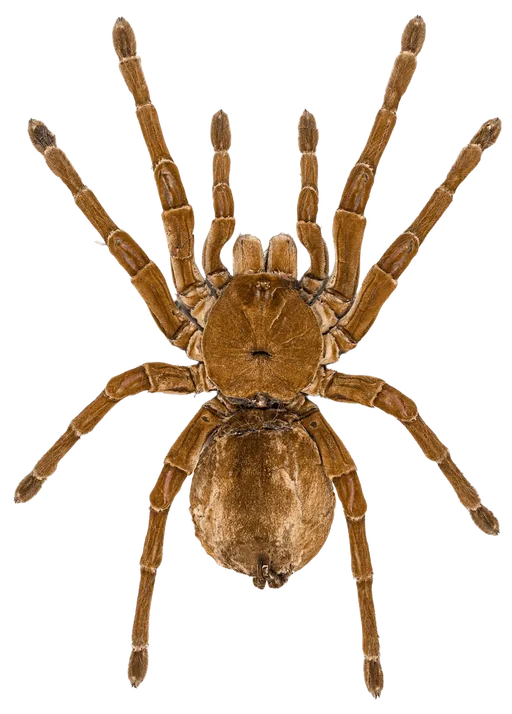
- Weight
- 150 g5.3 oz
- Length
- 25 cm9.8 in
About as heavy as a smartphone
Heavier than 11% of animalsAbout 2.9 credit cards long
Bigger than 12% of animalsThe Goliath Birdeater is the heavyweight champion of living spiders: a burrow-dwelling South American tarantula armed with large venom-delivering fangs, vibration-sensitive hairs and a cloud of irritating defensive setae. Its weapons are formidable against small prey, but ABS's absolute scale keeps its raw power and durability far below vertebrate heavyweights.
Detailed ratings
Research-backed ratings on one 0–100 scale for all 344 animals (updated 2026-09-27). How ratings work


Card No. 310 of 344. Every animal on Animal Battle Stats has one: its power, tier and archetype on the front; its six battle stats, abilities and signature move on the back.
Special abilities
Kicks detachable abdominal urticating setae toward an approaching threat, creating a contact-deterrence zone around sensitive eyes, mouth and skin before the opponent reaches the fangs.
Uses close-range seizure and large cheliceral fangs to puncture and deliver venom into appropriately sized prey, combining mechanical restraint with biochemical subdual.
Unique traits
T. blondi is the best-supported living spider mass extreme, reaching about 175 g, although ABS correctly treats that as tiny in absolute roster terms.
Stridulatory hairs can generate an audible hiss before escalation to rearing, fang display and biting, adding a rare acoustic warning layer to its defense.
How it fights
Weapons
- The primary weapon is the paired cheliceral fang system. The spider closes distance over a very short range, seizes prey with the anterior legs/pedipalps and drives the fangs downward. Venom assists prey subdual and feeding. Against tiny prey this is formidable; on the full ABS roster, however, a 150 g spider cannot translate proportional performance into mammal-scale damage.
- The second combat-relevant system is the abdominal urticating setae. These are principally defensive rather than a killing weapon. They can contaminate the face and sensitive tissues of an approaching predator and create a reason to disengage before physical contact.
Struggles vs
- Only about 150 g representative mass.
- Fragile abdomen and low absolute trauma tolerance.
- No pursuit speed advantage.
- Fang attack requires very close contact.
- Venom is not a roster-wide instant-kill mechanism.
- Weight
- 150 g5.3 oz
- Height
- No reliable measurement
- Length
- 25 cm9.8 in
- Top speed
- No reliable measurement
- Bite force
- No reliable measurement
- Lifespan
- 15 years
- Home biome
- Jungle
- Lifestyle
- Mostly solitary, nocturnal
Rated specimen: Healthy mature adult female, approximately 0.15 kg, with about 25 cm leg span.
Fun facts
- It is the best-known contender for the world's heaviest living spider, with Guinness reporting up to 175 g.
- A documented 1965 specimen reached a 28 cm leg span.
- The common name exaggerates the importance of birds in its normal diet.
- Its defensive hiss is produced by stridulation rather than vocal cords.
- Females can live several times longer than males.
- The famous 23.5 cm Toulouse museum specimen is a female from French Guiana.
Closest rivals by power. Tap one for the full breakdown, or pick any opponent.
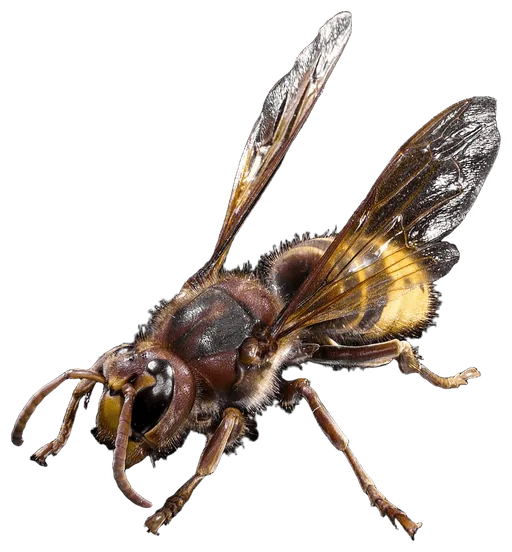
vs Sydney Funnel-web SpiderWins · 72% · Clear edge 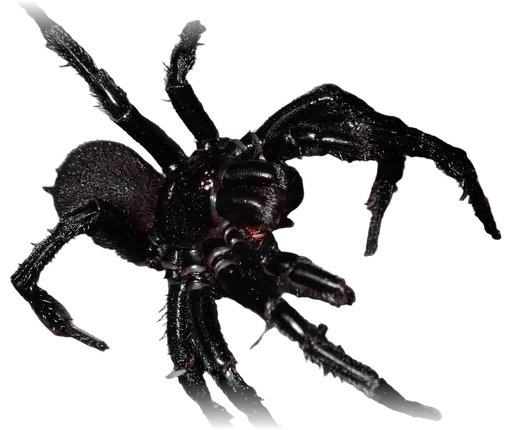 W vs HornetWins · 78% · Clear edge
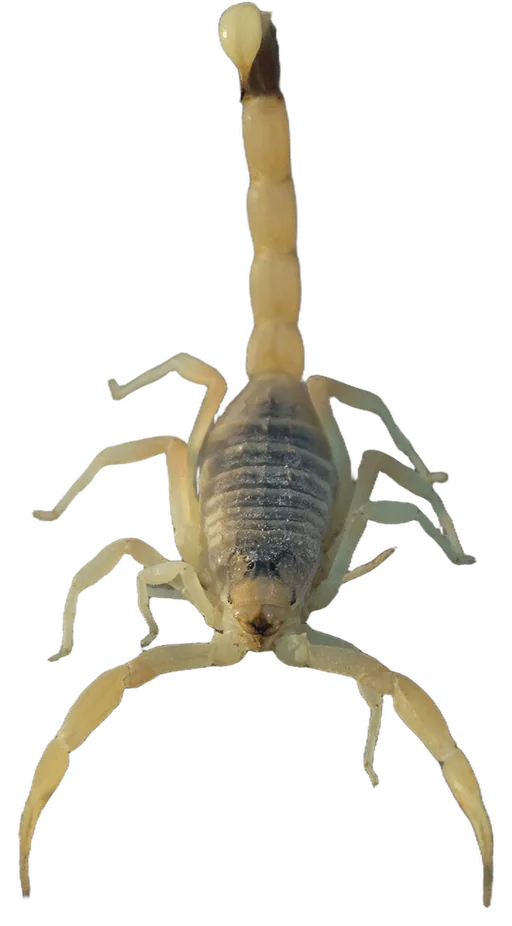
 W vs Deathstalker ScorpionWins · 72% · Clear edge
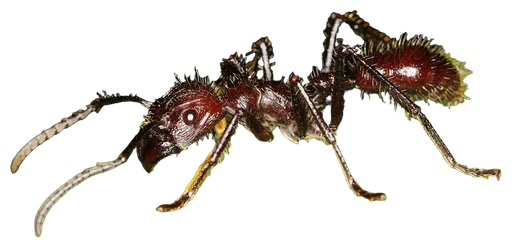
 W vs Bullet AntWins · 74% · Clear edge
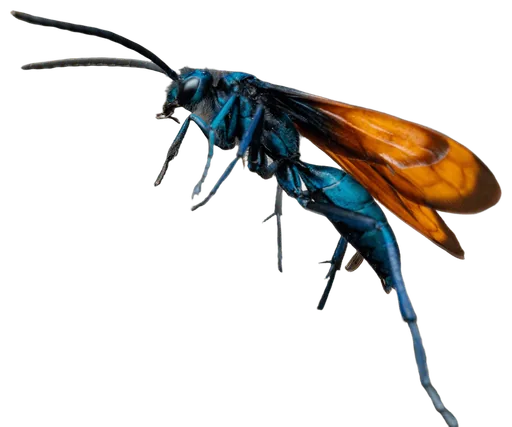
 W vs Tarantula HawkWins · 75% · Clear edge
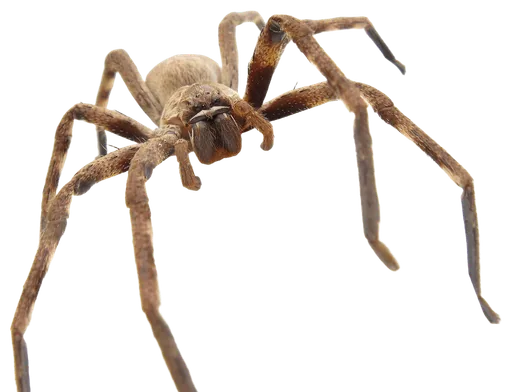
 W vs Huntsman SpiderWins · 52% · Toss-up
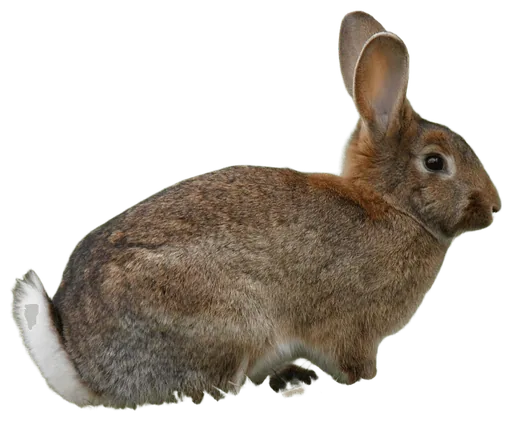
 W vs RabbitLoses · 65% · Slight edge
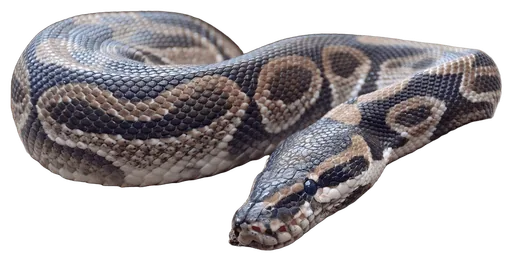
 L vs Ball PythonLoses · 63% · Slight edge
 L
Goliath Birdeater battle analysis
At the mouth of a humid rainforest burrow, Theraphosa blondi is built to make a few centimeters of ground dangerous. It does not need a long chase. Vibration cues reveal movement nearby, eight legs stabilize a rapid close approach, and the chelicerae finish the capture with deep fang penetration and venom. If the contact is unwanted, the spider has a different escalation ladder: concealment, retreat, audible stridulation, urticating hairs, a raised fang display and finally a bite.
That toolkit makes the animal much more interesting than a simple 'largest spider' label, but it also illustrates why ABS must remain absolute rather than pound-for-pound. A 150 g spider can be extraordinary at controlling prey its own size and still possess very little raw force compared with a fox, eagle, wolf or megafaunal animal. Its best ratings therefore belong to Special, close maneuverability and sensory ambush, not Raw Power or Defense.
Habitat & range
The World Spider Catalog recognizes T. blondi from Venezuela, Brazil and Guyana. Other institutional/popular accounts extend the familiar range into the Guianas/Suriname, but identification is complicated by historically confused Theraphosa species. For production taxonomy, use the catalog-supported range conservatively and label broader legacy locality claims where voucher identification is uncertain.
Diet & hunting
It is an opportunistic nocturnal predator. Invertebrates are important prey, while sufficiently small frogs, lizards, rodents and occasional birds can also be taken. The spider is not a specialized bird hunter despite its name. Predation is short-range and mechanically assisted by venom rather than based on long pursuit.
Social life
Adults are solitary outside reproduction. Females are dramatically longer lived than males, with Smithsonian giving up to 20 years for females versus 3-6 years for males. This sex difference is one reason the mature female is the canonical ABS specimen.
Conservation
No current IUCN Red List assessment was verified in this run. Do not assign a fabricated global category. Habitat loss and collection/trade can be discussed as plausible pressures only with local evidence rather than presented as a quantified global trend.
Quick answers
How strong is a Goliath Birdeater?
On the Animal Battle Stats scale, the Goliath Birdeater has an attack rating of 16 and a power index of 33.3 out of 100, which ranks it #310 of 344 animals and puts it in D tier (Underdog). Its strongest stat is special (90).
How much does a Goliath Birdeater weigh?
A typical adult Goliath Birdeater weighs about 150 g (5.3 oz). Rated specimen: Healthy mature adult female, approximately 0.15 kg, with about 25 cm leg span.
How fast is a Goliath Birdeater?
There is no reliable measured top speed for the Goliath Birdeater, so we do not publish one. Its agility rating, which covers acceleration, reflexes and evasion, is 61 out of 100.
What does a Goliath Birdeater eat?
It is an opportunistic nocturnal predator. Invertebrates are important prey, while sufficiently small frogs, lizards, rodents and occasional birds can also be taken. The spider is not a specialized bird hunter despite its name. Predation is short-range and mechanically assisted by venom rather than based on long pursuit.
What animals can beat a Goliath Birdeater?
Among its closest rivals, the Rabbit (65%), the Ball Python (63%) would be favored against the Goliath Birdeater. It would be favored against the Sydney Funnel-web Spider, the Hornet, the Deathstalker Scorpion, the Bullet Ant, the Tarantula Hawk, the Huntsman Spider.
Researched 2026-09-27. Ratings are editorial judgments built from these sources; measurements describe a healthy adult female.
- Smithsonian National Zoo, Goliath bird-eating tarantulalifespan, behavior, diet, burrow ecology, stridulation, urticating hairs
- World Spider Catalogaccepted taxonomy and range
- Guinness World Records, largest spidermaximum mass and span
- Silva et al. 2021, J Comp Physiol Atheraphosid locomotion/adhesion
- Foley et al. 2019, Mol Phylogenet Evolurticating-setae family-level context
- Commons, T. blondi Brazilimage candidate
- Commons/Muséum de Toulouse femalesex and span reference
Photo: “Theraphosa blondi MHNT.jpg” by Didier Descouens, CC BY-SA 4.0, background removed and cropped. Original
Suggest a correction