

Goldfish
Carassius auratus
 #330 of 341
  Wetlands Survivor Least Concern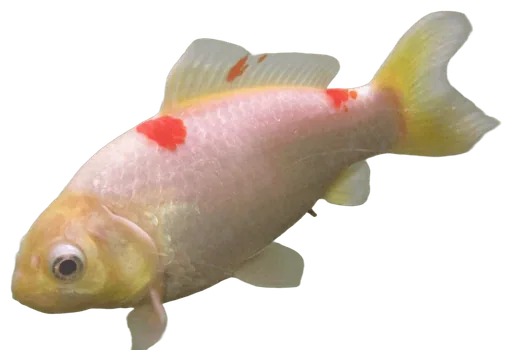
 Fight
FightPhoto: Kolforn ( Kolforn ) I'd appreciate if you could mail me (Kolforn@gmail.com) if you want to use this picture out of the Wikimedia project scope. · CC BY-SA 4.0
The goldfish is a small East Asian carp bred for colour for more than a thousand years. It has no weapon and swims poorly, but it can see ultraviolet light, hear well, learn to navigate, and survive long spells without oxygen by turning sugar into alcohol.
 Attack3
  Defense9
  Agility60
  Stamina42
  Intelligence48
  Special58
 Detailed ratings
Research-backed ratings on one 0–100 scale for all 341 animals (updated 2026-09-28). How ratings work
Special abilities
Ability 1Ethanol EngineWithout oxygen, goldfish (and crucian carp) switch to a pathway that turns pyruvate into ethanol, using a pyruvate decarboxylase like that of brewer's yeast, the first described in a vertebrate (Fagernes et al. 2017). With ethanol as the end-product they survive prolonged oxygen loss, tolerating several months of low oxygen at 2 °C (ADW), in water where most fish die within minutes.
 Ability 2Mauthner Escape
Giant Mauthner neurons trigger a short-latency, C-shaped escape bend in response to a sudden sound or looming shadow, launching the fish away at up to about 1.2 m/s in small individuals.
Unique traits
 TraitFour-Colour Eyes
Goldfish have red, green, blue and ultraviolet cones and are among the most studied colour-vision systems in fish.
TraitMillennium PetSelectively bred for colour in imperial China for more than 1,000 years; by the Song dynasty, gold and red fish were kept in dedicated ponds.
How it fights
Weapons
- The goldfish has essentially no weapon. It suction-feeds on midge and mosquito larvae, small crustaceans, pondweeds, worms and detritus (ADW) and is not aggressive toward other goldfish (ADW). In a fight it cannot injure anything larger than a tadpole or an insect larva.
 Struggles vs
- No weapon and no meaningful bite.
- Small, soft-bodied fish with only scales and fin spines for protection.
- Poor sustained swimmer.
- Eaten by herons, otters, snakes, bullfrogs, cats, dogs and many other predators (ADW).
- Weight
- 100 g3.5 oz
- Height
- No reliable measurement
- Length
- 20 cm7.9 in
- Top speed
- 4 km/h3 mph
- Bite force
- No reliable measurement
- Lifespan
- 10 years
- Home biome
- Wetlands
- Lifestyle
- Social
Rated specimen: Healthy adult common-type goldfish of 20 cm total length and about 0.1 kg.
Fun facts
- Goldfish make alcohol: without oxygen they turn sugar into ethanol instead of lactic acid.
- Researchers taught goldfish to drive a wheeled tank across a room toward a target.
- Goldfish see ultraviolet light as well as red, green and blue.
- A released goldfish caught in a South Carolina lake in 2020 weighed about 4.1 kg.
- The longest-lived goldfish on record reached 43 years in captivity (ADW).
- Goldfish memory lasts at least three months, not three seconds.
Closest rivals by power. Tap one for the full breakdown, or pick any opponent.
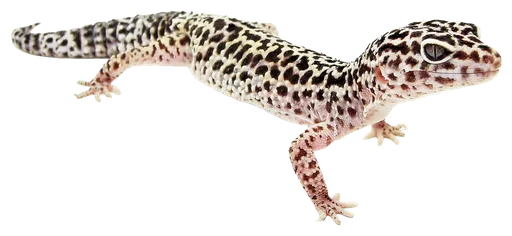
vs Portuguese Man o' WarLoses · 53% · Toss-up 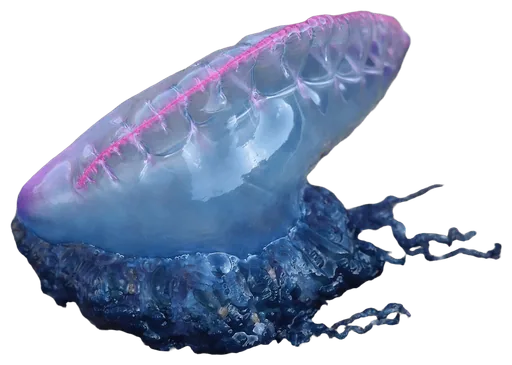 L vs Leopard GeckoLoses · 50% · Toss-up
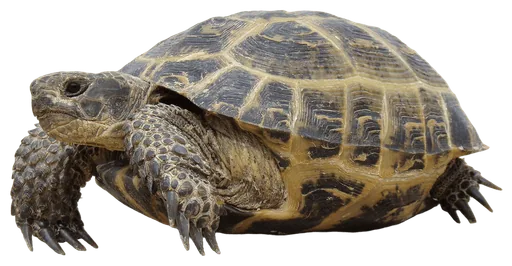
  L vs Russian TortoiseLoses · 51% · Toss-up
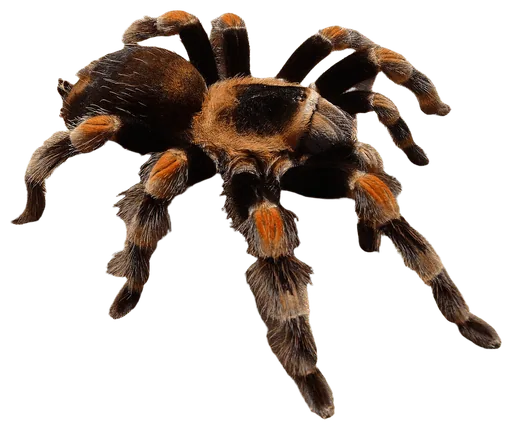
  L vs Mexican Red-knee TarantulaLoses · 51% · Toss-up
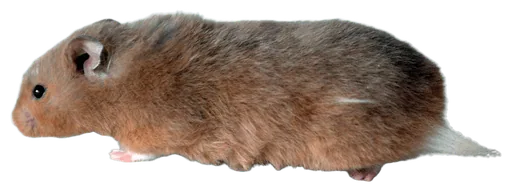
  L vs Syrian HamsterWins · 51% · Toss-up
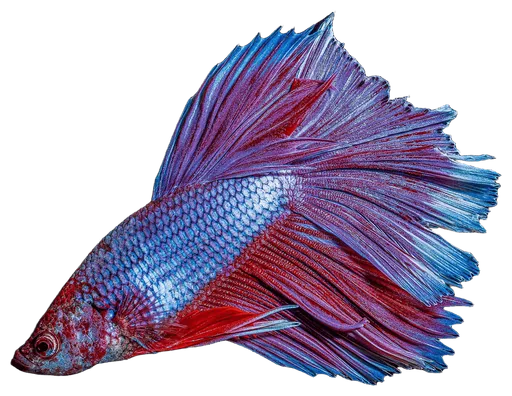
  W vs Betta FishWins · 54% · Toss-up
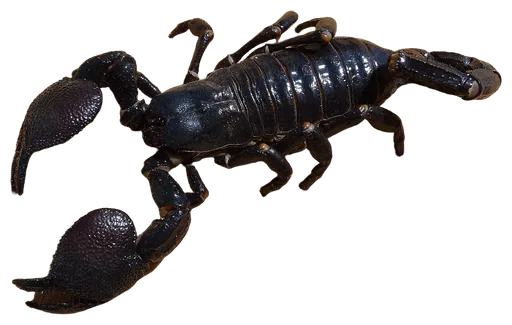
  W vs Emperor ScorpionWins · 52% · Toss-up
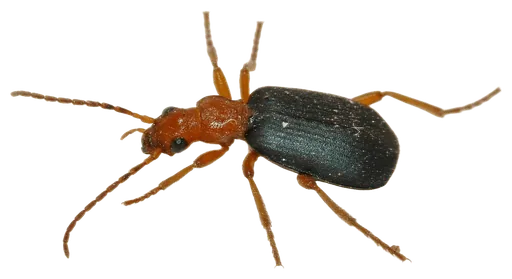
  W vs Bombardier BeetleWins · 52% · Toss-up
  W
W  Pick any opponent
 Goldfish battle analysis
Behind the bowl-and-castle image, the goldfish is a tough wild carp. Wild goldfish are olive-brown fish of East Asian ponds and ditches, where the water can turn warm, stagnant and oxygen-poor in summer and freeze over in winter. Goldfish and crucian carp cope with a metabolic trick described in no other vertebrate: when oxygen runs out, they convert pyruvate to ethanol as their metabolic end-product, and in cold water they can endure months of very low oxygen that would kill most fish within minutes.
The goldfish is also one of science's favourite fish. Its four-cone eyes see into the ultraviolet, bony Weberian ossicles give it sensitive hearing, and its Mauthner neurons have made its lightning-fast startle escape a textbook case. It learns and remembers for months, copies other goldfish, and has even learned to steer a wheeled tank toward a target on land.
None of that makes it a fighter. A healthy 20 cm goldfish weighs around 100 grams, has a toothless suction mouth for larvae and pondweed, and relies on scales, fin spines, schooling and a quick escape. Herons, otters, snakes and almost any predatory fish can eat it. Its best matchups are the ones decided by outlasting bad water, not by trading blows.
Habitat & range
Native to East Asia, including China and Japan (FishBase), in rivers, lakes, ponds and ditches with stagnant or slow-flowing, often eutrophic and weedy water (FishBase; ADW). Introduced almost worldwide, with established populations in North America, Europe, Australia, South Africa and elsewhere, where it can harm native ecosystems (FishBase; Wikipedia).
Diet & hunting
Opportunistic omnivore. One Quebec pond study found vegetation made up 45% of the diet, midge and mosquito larvae 21%, and small crustaceans 4%, with worms, detritus and amphibian eggs also taken (ADW). Goldfish lack a stomach and produce a lot of waste (Wikipedia). Predators include herons, river otters, water snakes, bullfrogs, cats, dogs, coyotes, bears and mountain lions (ADW).
Social life
Schooling and gregarious, without hierarchies or territories. Injured fish release an alarm substance that puts the school on watch, and goldfish copy each other's feeding choices (ADW).
Conservation
Least Concern on the IUCN Red List (assessed 2010, via FishBase). Outside its native range it is a potential pest and an invasive species in parts of North America and Australia (FishBase; Wikipedia).
Quick answers
How strong is a Goldfish?
On the Animal Battle Stats scale, the Goldfish has an attack rating of 3 and a power index of 27.7 out of 100, which ranks it #330 of 341 animals and puts it in F tier (Snack). Its strongest stat is agility (60).
How much does a Goldfish weigh?
A typical adult Goldfish weighs about 100 g (3.5 oz). Rated specimen: healthy adult common-type goldfish of 20 cm total length and about 0.1 kg.
How fast is a Goldfish?
The Goldfish's top speed is about 4 km/h (3 mph). Its agility rating is 60 out of 100.
What does a Goldfish eat?
Opportunistic omnivore. One Quebec pond study found vegetation made up 45% of the diet, midge and mosquito larvae 21%, and small crustaceans 4%, with worms, detritus and amphibian eggs also taken (ADW). Goldfish lack a stomach and produce a lot of waste (Wikipedia). Predators include herons, river otters, water snakes, bullfrogs, cats, dogs, coyotes, bears and mountain lions (ADW).
Is the Goldfish endangered?
No. The Goldfish is listed as Least Concern. Least Concern on the IUCN Red List (assessed 2010, via FishBase). Outside its native range it is a potential pest and an invasive species in parts of North America and Australia (FishBase; Wikipedia).
What animals can beat a Goldfish?
Among its closest rivals, the Portuguese Man o' War (53%), the Leopard Gecko (50%), the Russian Tortoise (51%), the Mexican Red-knee Tarantula (51%) would be favored against the Goldfish. It would be favored against the Syrian Hamster, the Betta Fish, the Emperor Scorpion, the Bombardier Beetle.
Researched 2026-09-28. Ratings are editorial judgments built from these sources; measurements describe a healthy adult.
- FishBase, Carassius auratussize, weight, age, habitat, temperature, salinity, morphology, status
- FishBase species summary (length-weight)mass estimate
- Animal Diversity Web, Carassius auratussize, lifespan, behaviour, senses, movements, diet, predators
- Wikipedia, Goldfishhistory, size records, vision, memory, invasiveness
- Fagernes et al. 2017, Scientific Reportsanoxia survival
- Wilkie et al. 2011, J. Exp. Biol.ammonia tolerance
- Blake, Li and Chan 2009, Journal of Fish Biologyswimming and fast-start
- Fu, Cao and Fu 2013, J. Exp. Biol.swimming capacity, fin regrowth
- Preuss and Faber 2003, Journal of Neuroscienceescape reflex
- Ladich and Wysocki 2003, Hearing Researchhearing
- Givon et al. 2022, Behavioural Brain Researchnavigation and learning
Photo: “2018-05-13 Goldfish, Cromer, Norfolk (2).JPG” by Kolforn ( Kolforn ) I'd appreciate if you could mail me (Kolforn@gmail.com) if you want to use this picture out of the Wikimedia project scope., CC BY-SA 4.0, background removed and cropped. Original
Suggest a correction