
Golden Eagle
Aquila chrysaetosB tier · Strong8th of 55 birds
Size & speed

- Weight
- 5 kg11 lb
- Length
- 82 cm32.3 in
About as heavy as a house cat
Heavier than 37% of animalsAbout 2.7 rulers long
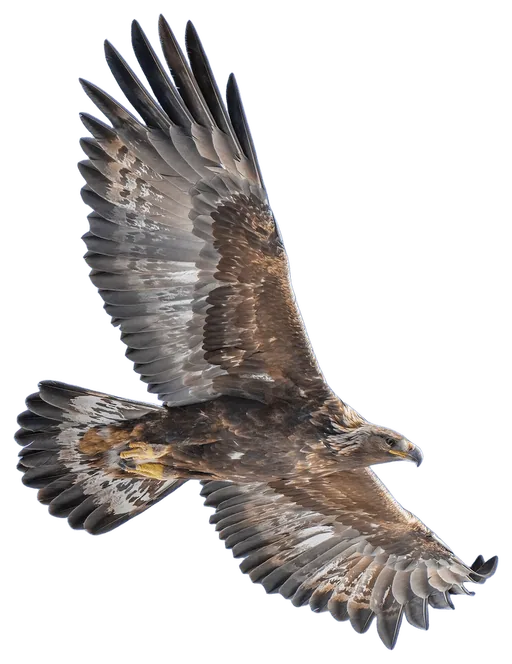
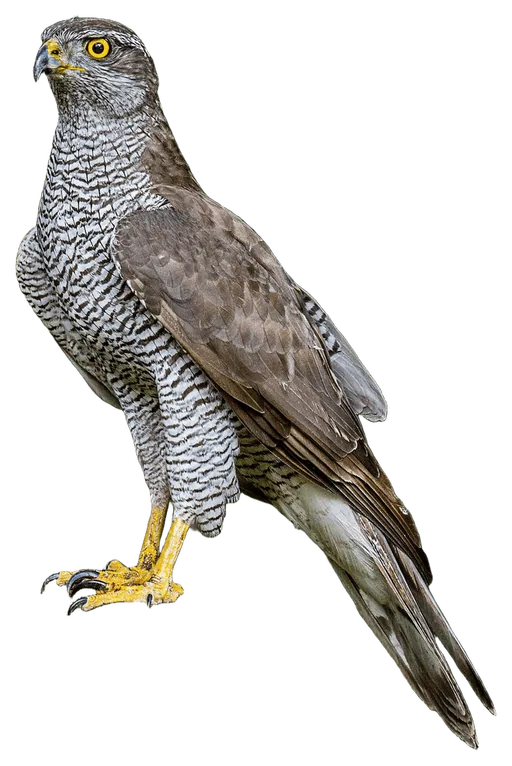
Bigger than 39% of animalsThe Golden Eagle is a large Holarctic raptor built around aerial initiative, long talons and terrain-assisted predation. A representative adult female weighs about 5.0 kg and spans roughly 2.15 m across the wings. Its combat strength is not mammal-like brute force: it comes from seeing prey at distance, choosing the engagement angle, descending rapidly and locking curved talons into the target. In ABS scaling, that produces elite Agility, Senses and strong Weaponry while low absolute mass and lack of armor keep Attack and Defense far below large terrestrial predators.
Detailed ratings
Research-backed ratings on one 0–100 scale for all 344 animals (updated 2026-09-27). How ratings work


Card No. 137 of 344. Every animal on Animal Battle Stats has one: its power, tier and archetype on the front; its six battle stats, abilities and signature move on the back.
Special abilities
Uses terrain masking, soaring position and rapid descent to arrive foot-first with reduced warning time, turning elevation into a repeatable attack-angle advantage.
Long curved talons, especially the hallux, puncture and anchor while the foot maintains restraint, allowing the eagle to stay attached to struggling prey rather than relying on a single impact.
Unique traits
Broad wings exploit thermals and ridge lift for low-cost patrol, migration and repeated high-ground positioning.
Females are materially larger than males, giving the canonical female greater reach, mass and prey-control capacity while retaining the same aerial hunting architecture.
How it fights
Weapons
- Primary weapon: the feet. Golden eagles strike foot-first, puncture with curved talons and maintain a sustained grip. The large hallux claw is especially important in anchoring and penetrating prey.
- Secondary weapon: the hooked bill, best used once the feet have established control. The bill cuts and tears rather than functioning as the primary initial killing weapon.
- Delivery system: powered flight, soaring, contour flight and steep attack descents let the eagle bring its feet onto prey from above or behind. The delivery geometry matters more than absolute body force.
Struggles vs
- Only about 5 kg of representative body mass on an absolute roster.
- No armor and low tolerance for crushing trauma.
- Primary weapons require contact and successful foot placement.
- Much weaker once grounded or entangled.
- Large wings require operating space.
- Weight
- 5 kg11 lb
- Height
- No reliable measurement
- Length
- 82 cm32.3 in
- Top speed
- No reliable measurement
- Bite force
- No reliable measurement
- Lifespan
- 25 years
- Home biome
- Mountains
- Lifestyle
- Social
Rated specimen: Healthy fully mature adult female, approximately 5.0 kg, in definitive adult plumage.
Fun facts
- Females are larger than males, the opposite of the size pattern familiar from many mammals.
- The species occurs across much of the Northern Hemisphere rather than being restricted to North America.
- Adults can live about 30 years in the wild.
- USGS analyzed roughly 870,000 GPS locations from 68 golden eagles in one movement study.
- Golden eagles use thermals and ridge lift to travel efficiently and can forage while migrating.
- The hallux claw is substantially larger than the comparable Bald Eagle claw in morphometric comparisons.
Closest rivals by power. Tap one for the full breakdown, or pick any opponent.
vs Martial EagleDraw · 50-50 · Dead even 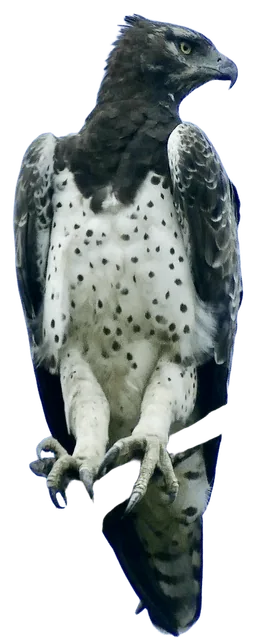 D vs GyrfalconWins · 56% · Toss-up
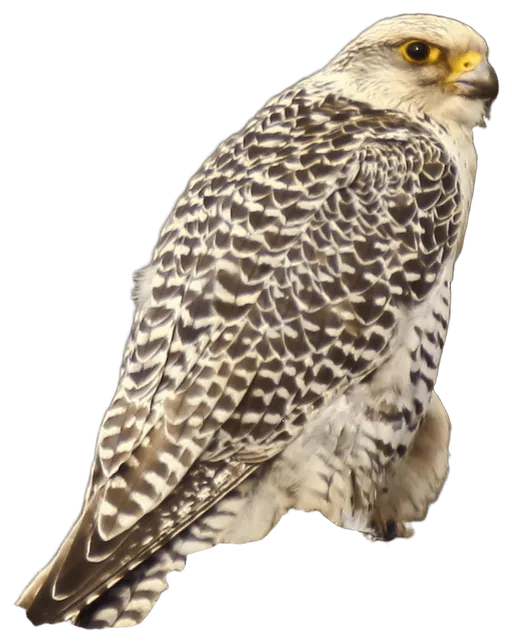 W vs Emperor PenguinLoses · 61% · Slight edge
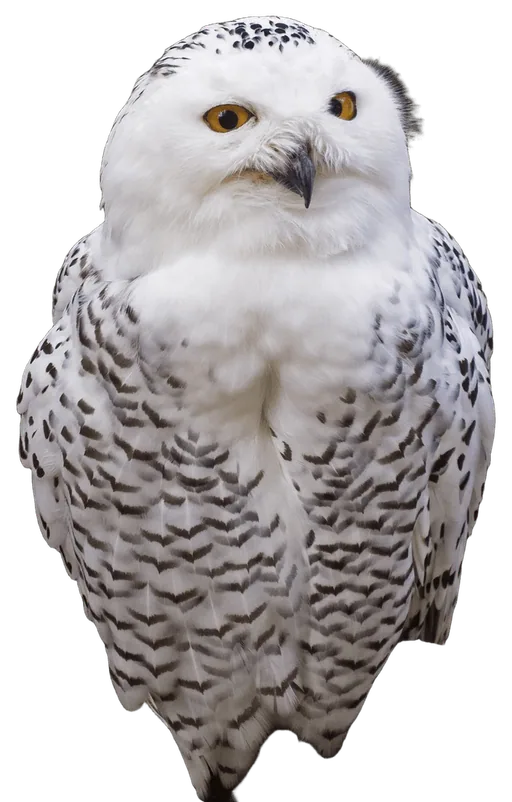
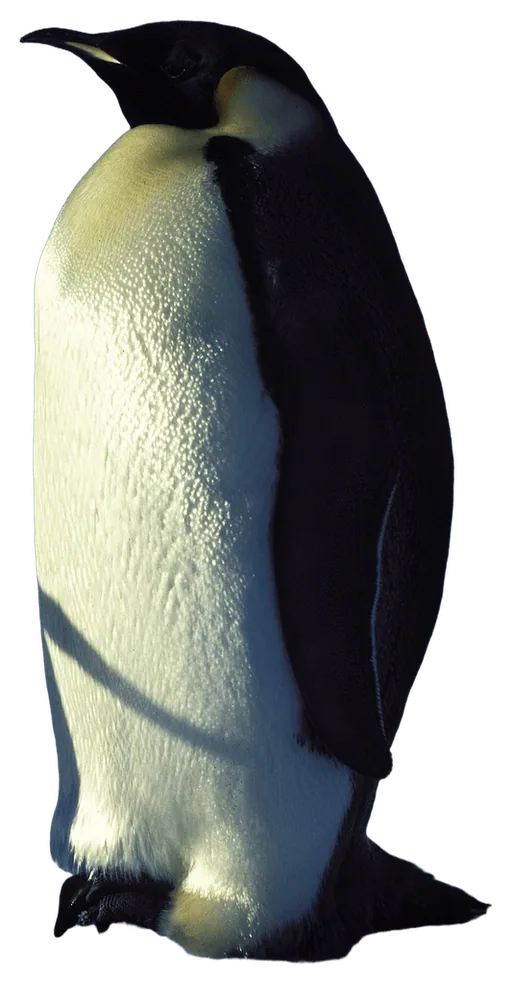 L vs Snowy OwlWins · 54% · Toss-up
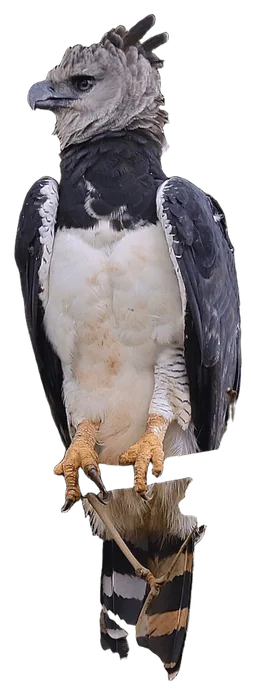
 W vs Harpy EagleLoses · 52% · Toss-up
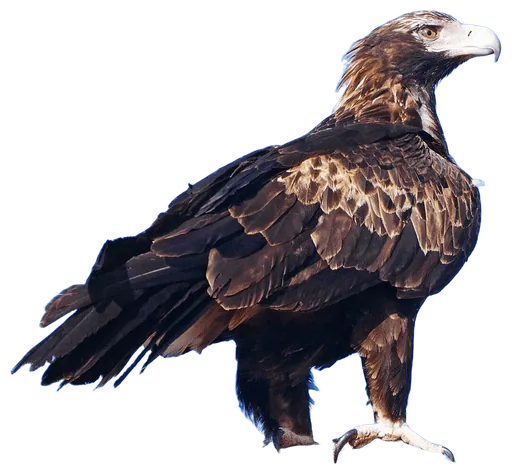
 L vs Wedge-tailed EagleWins · 52% · Toss-up
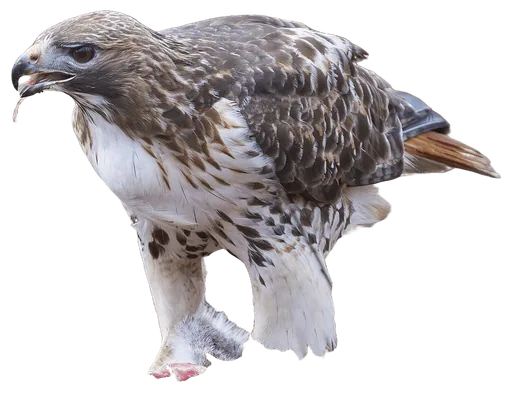
 W vs Red-tailed HawkWins · 60% · Slight edge
 W vs Northern GoshawkWins · 60% · Slight edge
 W
Golden Eagle battle analysis
The golden eagle is a useful test of absolute scaling because it looks more powerful than its mass suggests. It can attack from a dimension most roster animals cannot contest, can use a ridge to hide an approach, and carries penetrating weapons on the first body part it presents to prey. Those advantages are real, but they are delivery advantages. A five-kilogram eagle does not become physically stronger than a wolf, leopard or great ape simply because it can kill a hare spectacularly or occasionally tackle larger prey.
The feet solve the eagle's core predatory problem. The bird does not need to win a prolonged jaw-to-jaw exchange. It needs to arrive before the prey can react, drive curved talons into useful purchase points and maintain control while the target loses mobility. The hallux claw acts as a particularly important anchor. The hooked bill then becomes more useful once the feet have already reduced the prey's freedom.
Open terrain magnifies this architecture. Thermals and ridges make patrol economical. High visual acuity allows search from altitude. Terrain breaks can hide a low approach. A failed attempt does not necessarily force a ground fight because the eagle can often regain altitude. In a cramped forest interior or after a larger predator catches a wing, almost all of those advantages collapse at once.
That is why this report keeps Defense low despite extraordinary evasion, and why Agility is high without simply copying a dive-speed claim. It also keeps Raw Power low despite impressive prey feats. The result is a specialist profile: dangerous natural weapons, superb engagement control, strong endurance and vision, but a fragile five-kilogram body that cannot absorb the punishment tolerated by the roster's heavy mammals.
Habitat & range
Golden eagles have a broad Holarctic distribution across North America, Eurasia and parts of North Africa. They favor open or semi-open landscapes such as mountains, cliffs, grasslands, shrublands, tundra, canyon country and woodland edges where large hunting areas and suitable nest sites coexist. USFWS notes sensitivity to human development and disturbance around important breeding and foraging areas.
Diet & hunting
The diet is carnivorous and strongly regional. Rabbits, hares, ground squirrels, prairie dogs and marmots are recurring core prey. Birds, reptiles, fish, carrion and occasional larger mammals broaden the diet. As a top aerial predator, the eagle connects open-country terrestrial prey populations with cliff and tree nesting systems and also participates in scavenger networks.
Social life
Adults are commonly solitary or paired. Breeding pairs generally maintain long-term bonds and territories, with multiple alternate nests possible within a territory. Rich food conditions can create temporary aggregations, and migration corridors concentrate otherwise dispersed birds.
Conservation
The species is globally treated as Least Concern, but local populations face important human-caused mortality. USFWS highlights concern over U.S. population trends, and USGS research identifies electrocution, collision and other anthropogenic mortality as major management issues. Golden eagles are protected in the United States under the Bald and Golden Eagle Protection Act, Migratory Bird Treaty Act and Lacey Act.
Quick answers
How strong is a Golden Eagle?
On the Animal Battle Stats scale, the Golden Eagle has an attack rating of 40 and a power index of 53.2 out of 100, which ranks it #137 of 344 animals and puts it in B tier (Strong). Its strongest stat is agility (88).
How much does a Golden Eagle weigh?
A typical adult Golden Eagle weighs about 5 kg (11 lb). Rated specimen: Healthy fully mature adult female, approximately 5.0 kg, in definitive adult plumage.
How fast is a Golden Eagle?
There is no reliable measured top speed for the Golden Eagle, so we do not publish one. Its agility rating, which covers acceleration, reflexes and evasion, is 88 out of 100.
What does a Golden Eagle eat?
The diet is carnivorous and strongly regional. Rabbits, hares, ground squirrels, prairie dogs and marmots are recurring core prey. Birds, reptiles, fish, carrion and occasional larger mammals broaden the diet. As a top aerial predator, the eagle connects open-country terrestrial prey populations with cliff and tree nesting systems and also participates in scavenger networks.
Is the Golden Eagle endangered?
No. The Golden Eagle is listed as Least Concern. The species is globally treated as Least Concern, but local populations face important human-caused mortality. USFWS highlights concern over U.S. population trends, and USGS research identifies electrocution, collision and other anthropogenic mortality as major management issues. Golden eagles are protected in the United States under the Bald and Golden Eagle Protection Act, Migratory Bird Treaty
What animals can beat a Golden Eagle?
Among its closest rivals, the Emperor Penguin (61%), the Harpy Eagle (52%) would be favored against the Golden Eagle. It would be favored against the Gyrfalcon, the Snowy Owl, the Wedge-tailed Eagle, the Red-tailed Hawk, the Northern Goshawk. It is dead even with the Martial Eagle: a draw.
Researched 2026-09-27. Ratings are editorial judgments built from these sources; measurements describe a healthy adult female.
- U.S. Fish & Wildlife Service, Golden EagleTaxonomy, range/ecology, reproduction, migration behavior, longevity, legal status
- Animal Diversity Web, Aquila chrysaetosSex-specific mass, length, wingspan, dimorphism, diet and behavior
- NPS Bryce Canyon, Golden EagleDimensions, diet, institutional dive-speed claim, carrying claim, territory
- SeaWorld, Golden Eagle factsIndependent sex-specific size check and life history
- USGS, Katzner et al., movement driversFlight ecology and movement evidence
- USGS, age/season movement studyHome ranges, long-distance movement, endurance context
- USGS, age-specific survivalAdult survival and mortality context
- U.S. Forest Service FEIS, Aquila chrysaetosBreeding season, clutch/incubation, migration, longevity synthesis
- Wikimedia Commons, Tony HisgettImage candidate and provenance
Photo: “015 Wild Golden Eagle in flight at Pfyn-Finges (Switzerland) Photo by Giles Laurent.jpg” by Giles Laurent, CC BY-SA 4.0, background removed and cropped. Original
Suggest a correction