

Goblin Shark
Mitsukurina owstoni
 #262 of 341
  Ocean Ambush Predator Least Concern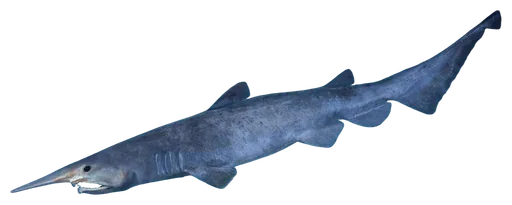
 Fight
FightPhoto: Michigan State University/USFWS · Public domain
The goblin shark is a pink, soft-bodied deep-sea shark whose jaws shoot forward on elastic ligaments faster and farther than any other shark's. It senses prey electrically with its long snout and snatches it in the dark, but its flabby body, weak bite and slow swimming make it a poor fighter against active predators.
 Attack46
  Defense36
  Agility25
  Stamina40
  Intelligence32
  Special80
 Detailed ratings
Research-backed ratings on one 0–100 scale for all 341 animals (updated 2026-09-28). How ratings work
Special abilities
Ability 1Slingshot JawsElastic ligaments fire both jaws forward at up to 3.1 m/s, reaching 8.6–9.4% of the shark's length beyond the head, the fastest and greatest jaw protrusion measured in any shark. Prey that thinks it is out of reach is not.
 Ability 2Electric Snout Radar
The long, flat snout is covered with ampullae of Lorenzini that sense the faint electric fields of hidden animals in total darkness.
Unique traits
 TraitPink Ghost of the Slope
Soft, semi-translucent skin lets blood vessels show through, giving adults their pink colour; young goblin sharks are almost white.
TraitNeutral-Buoyancy DrifterLow-density flesh and a large oily liver let it hang in the water and drift toward prey with very little movement.
How it fights
Weapons
- The goblin shark's weapon is its slingshot jaw. At rest the jaws sit tucked under the head. When it strikes, the lower jaw swings down and back to open a gape of up to about 116°, then elastic ligaments at the jaw joint release and both jaws fly forward. Nakaya et al. (2016) filmed the lower jaw reaching 3.1 m/s and both jaws moving forward by 8.6–9.4% of the shark's total length, by far the fastest and farthest jaw protrusion known in sharks; Wikipedia summarises the range as 2.1–9.5 times more protrusible than other sharks. It also opens and closes its mouth a second time while pulling the jaws back, something not seen in other sharks.
- The long nail-like teeth snag soft, slippery prey such as squid, fish and shrimps, while the rear teeth crush crabs. Bite force is low: its jaw muscles are the least mechanically efficient among lamniform sharks. The weapon is built for a fast snatch, not for cutting large animals.
 Struggles vs
- Soft, flabby, unarmored body.
- Weak bite despite long teeth.
- Probably slow, with little acceleration.
- Rarely leaves the deep; shallow water is outside its normal range.
- Weight
- 210 kg463 lb
- Height
- No reliable measurement
- Length
- 3.8 m12.5 ft
- Top speed
- No reliable measurement
- Bite force
- No reliable measurement
- Lifespan
- No reliable measurement
- Home biome
- Ocean
- Lifestyle
- Mostly solitary
Rated specimen: Healthy mature adult, 380 cm total length and 210 kg, the weighed specimen that held the species weight record until 2022 and sits at the top of the usual 3–4 m adult range.
Fun facts
- Its jaws shoot forward faster and farther than those of any other shark measured.
- A goblin shark opens and closes its mouth twice during one strike, a pattern unseen in other sharks.
- A goblin shark tooth was once found stuck in an undersea cable 1,370 m down.
- Its pink colour comes from blood vessels showing through its skin.
- Early scientists described several "new species" by mistake because preserved goblin sharks had their jaws fixed at different positions.
- The first goblin sharks filmed in their natural deep habitat were seen near Jarvis Island in 2019 and in the Tonga Trench in 2024; earlier footage showed animals brought up to the surface.
Closest rivals by power. Tap one for the full breakdown, or pick any opponent.
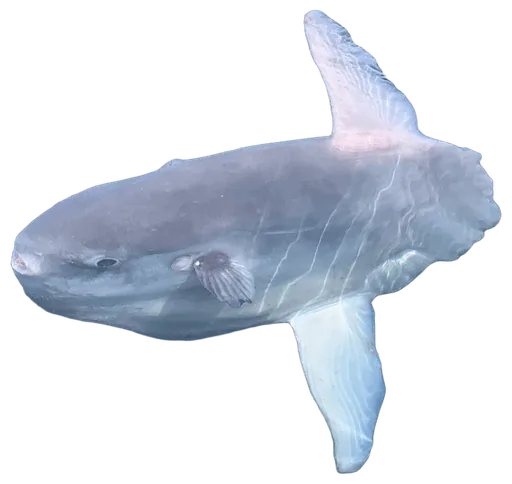
vs StonefishWins · 50% · Toss-up 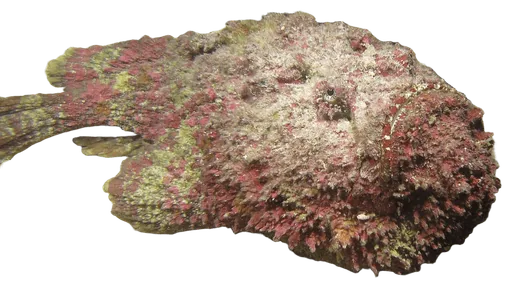 W vs Ocean SunfishLoses · 52% · Toss-up
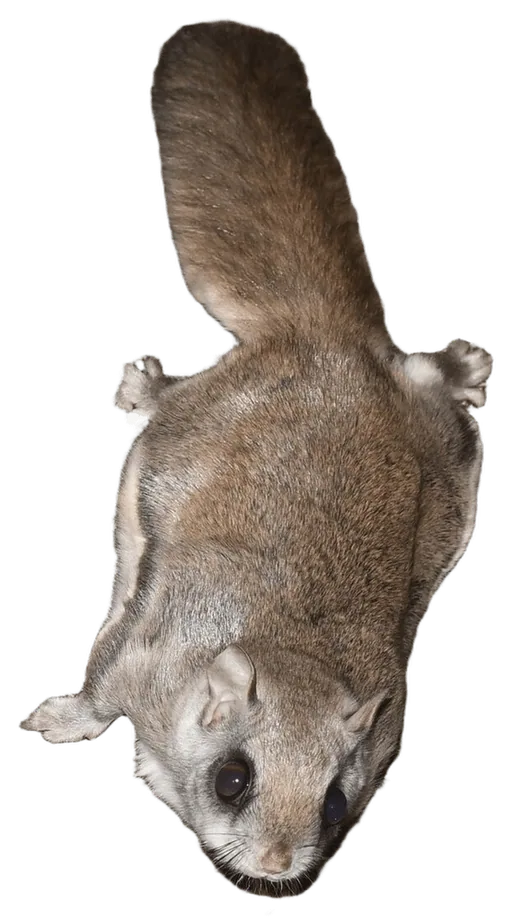
  L vs Flying SquirrelLoses · 50% · Toss-up
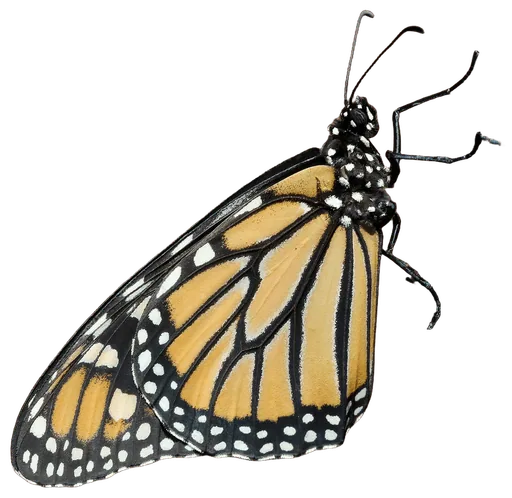
  L vs Monarch ButterflyWins · 50% · Toss-up
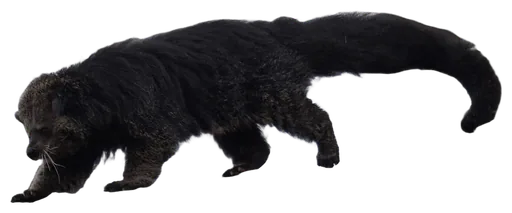
  W vs BinturongWins · 50% · Toss-up
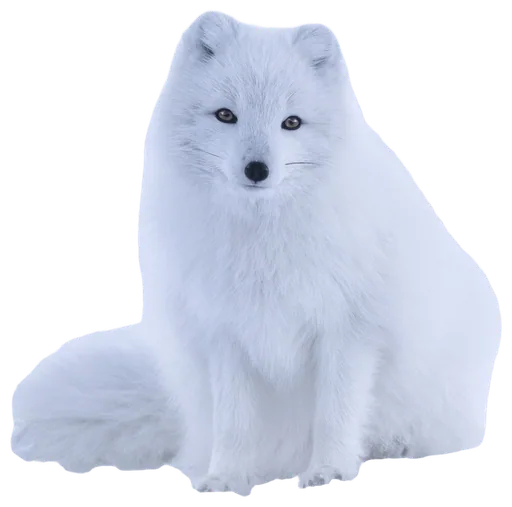
  W vs Arctic FoxWins · 50% · Toss-up
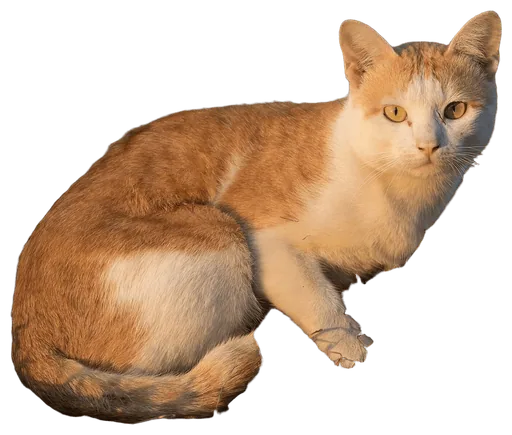
  W vs House CatLoses · 50% · Toss-up
  L vs NautilusWins · 50% · Toss-up
 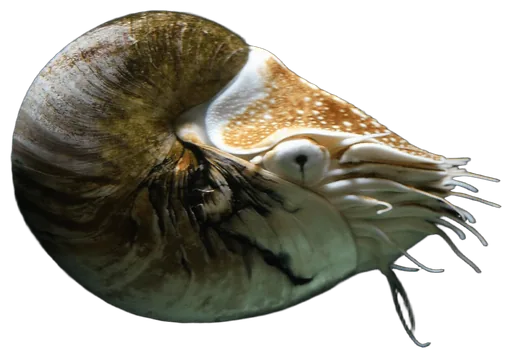 W
W  Pick any opponent
 Goblin Shark battle analysis
The goblin shark lives on the dark slopes and seamounts of the deep ocean, hundreds of metres down. A mature adult of about 3.8 m and 210 kg has a soft, pale pink body, small fins, and a long flat snout that sticks out over its mouth like a blade. That snout is not a weapon; it is a sensor, covered underneath with electroreceptors that pick up the faint electric signals of squid, fish and crabs hidden in the darkness.
When prey comes close, the goblin shark fires its jaws. Elastic ligaments that were held taut release, and both jaws shoot forward out of the head. Filmed strikes show the lower jaw moving at 3.1 m/s and the jaws reaching almost a tenth of the shark's body length forward, farther and faster than in any other shark. Its long, nail-like front teeth snag slippery prey, and its back teeth crush crabs.
Outside that strike, the goblin shark has little to fight with. Its jaw muscles are mechanically inefficient, its body is flabby and unarmored, and it almost certainly swims slowly, drifting on neutral buoyancy instead of chasing. In the deep, dark water it calls home, that is enough. Against an active hunter it would rely on the darkness and depth that keep it out of reach.
Habitat & range
Goblin sharks have been found in scattered deep-water locations across the Atlantic, Pacific and Indian Oceans, over upper continental slopes, submarine canyons and seamounts. Most records come from 270–960 m, with catches to 1,300 m, a tooth in an undersea cable at 1,370 m and sightings to about 2,000 m. Juveniles use shallower canyons, occasionally coming as shallow as 40 m.
Diet & hunting
A deep-water ambush predator of soft-bodied and bottom animals: rockfish such as the blackbelly rosefish, squid, pelagic octopus, crabs, shrimps and ostracods. It drifts close using neutral buoyancy and snatches prey with its projecting jaws.
Social life
Unknown; specimens are caught singly.
Conservation
Listed as Least Concern on the IUCN Red List (2017) because of its wide range and low catch rate, despite its rarity. It is taken occasionally as bycatch in deep trawls, longlines and gillnets.
Quick answers
How strong is a Goblin Shark?
On the Animal Battle Stats scale, the Goblin Shark has an attack rating of 46 and a power index of 41.7 out of 100, which ranks it #262 of 341 animals and puts it in D tier (Underdog). Its strongest stat is special (80).
How much does a Goblin Shark weigh?
A typical adult Goblin Shark weighs about 210 kg (463 lb). Rated specimen: healthy mature adult, 380 cm total length and 210 kg, the weighed specimen that held the species weight record until 2022 and sits at the top of the usual 3–4 m adult range.
How fast is a Goblin Shark?
There is no reliable measured top speed for the Goblin Shark, so we do not publish one. Its agility rating, which covers acceleration, reflexes and evasion, is 25 out of 100.
What does a Goblin Shark eat?
A deep-water ambush predator of soft-bodied and bottom animals: rockfish such as the blackbelly rosefish, squid, pelagic octopus, crabs, shrimps and ostracods. It drifts close using neutral buoyancy and snatches prey with its projecting jaws.
Is the Goblin Shark endangered?
No. The Goblin Shark is listed as Least Concern. Listed as Least Concern on the IUCN Red List (2017) because of its wide range and low catch rate, despite its rarity. It is taken occasionally as bycatch in deep trawls, longlines and gillnets.
What animals can beat a Goblin Shark?
Among its closest rivals, the Ocean Sunfish (52%), the Flying Squirrel (50%), the House Cat (50%) would be favored against the Goblin Shark. It would be favored against the Stonefish, the Monarch Butterfly, the Binturong, the Arctic Fox, the Nautilus.
Researched 2026-09-28. Ratings are editorial judgments built from these sources; measurements describe a healthy adult.
- Wikipedia, Goblin sharksize, weight records, depth, diet, buoyancy, jaw summary, IUCN
- FishBase, Mitsukurina owstoni summarylength, maturity, depth, diet, IUCN
- Florida Museum, Discover Fishes: Mitsukurina owstoniteeth, maturity sizes, colour, danger
- Australian Museum, Goblin Sharksize, body form, depth
- Nakaya et al. 2016, Scientific Reports, Slingshot feeding of the goblin shark (PMC full text)jaw kinematics
- Jaw mechanics in macrophagous lamniform sharks, Anatomical Record 2023 (PubMed)bite efficiency
- First in situ observations of the goblin shark, Journal of Fish Biology 2026 (PubMed)live observations, depth range
- Oceana, Goblin sharksize, senses, depth
- Wikimedia Commons, Goblin shark (Mitsukurina owstoni)image candidate
Photo: “Goblin shark (Mitsukurina owstoni).jpg” by Michigan State University/USFWS, Public domain, background removed and cropped. Original
Suggest a correction