
Gila Monster
Heloderma suspectumD tier · Underdog32nd of 39 reptiles
Size & speed

- Weight
- 1.1 kg2 lb
- Length
- 50 cm19.7 in
- Top speed
- 3 km/h2 mph
As heavy as 5.5 smartphones
Heavier than 22% of animalsAbout 1.7 rulers long
Bigger than 23% of animalsSlower than a walk (5 km/h)
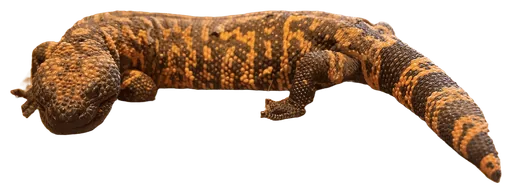
Faster than 2% of animalsThe Gila monster is a slow, stout venomous lizard of the North American desert. Its absolute strength and speed are low, but a tenacious clamp-and-chew bite delivers potent venom through grooved lower teeth. Fat storage, low metabolism and the ability to reclaim water from its urinary bladder make it exceptionally well equipped for long dry intervals.
Detailed ratings
Research-backed ratings on one 0–100 scale for all 344 animals (updated 2026-09-27). How ratings work


Card No. 281 of 344. Every animal on Animal Battle Stats has one: its power, tier and archetype on the front; its six battle stats, abilities and signature move on the back.
Special abilities
Enlarged grooved lower-jaw teeth, venom glands and sustained chewing deliver venom while the lizard remains clamped to the target.
Water stored in the urinary bladder can be reabsorbed into circulation, buffering dehydration during long dry intervals.
Unique traits
Distinctive bead-like scales over small bony elements provide a tougher outer layer than ordinary soft-scaled lizards.
Large meals, fat storage and low metabolic demand support unusually long intervals between feeding bouts.
How it fights
Weapons
- The main weapon is a clamp-and-chew bite. The lower-jaw venom glands feed venom toward enlarged grooved teeth; repeated jaw movement improves venom delivery into a wound. This is slower than a viper's injection system but unusually difficult to interrupt once the lizard has established a grip. Published human cases document immediate intense pain, swelling and systemic symptoms including nausea, dizziness and, in severe cases reported across the literature, hypotension or airway edema.
Struggles vs
- Very slow top movement speed.
- Short limbs and low chase capacity.
- Small absolute mass and limited reach.
- Venom delivery requires a successful bite and sustained contact rather than a rapid hollow-fang injection.
- High-output combat endurance is limited despite excellent fasting/dehydration resilience.
- Weight
- 1.1 kg2 lb
- Height
- 12 cm4.7 in
- Length
- 50 cm19.7 in
- Top speed
- 3 km/h2 mph
- Bite force
- No reliable measurement
- Lifespan
- 20 years
- Home biome
- Desert
- Lifestyle
- Social
Rated specimen: Healthy mature male, 1.1 kg, approximately 50.0 cm total length.
Fun facts
- The Gila monster is the largest lizard native to the United States.
- It spends most of its life underground and much of its visible activity is concentrated in spring.
- It can remain clamped to a threat for many minutes while chewing venom into the wound.
- Exendin-4, a peptide isolated from H. suspectum, became scientifically important because of its glucose-regulating pharmacology and helped inspire a class of diabetes drugs.
- Its name comes from the Gila River region.
- Individual dorsal patterns can be distinctive enough for USGS researchers to recognize animals photographically.
Closest rivals by power. Tap one for the full breakdown, or pick any opponent.
vs GeckoWins · 55% · Toss-up 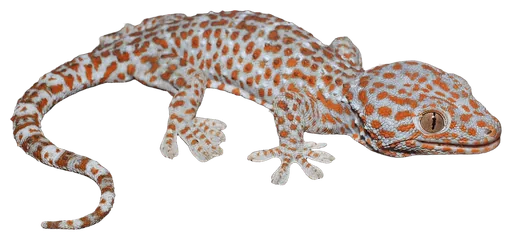 W vs LobsterDraw · 50-50 · Dead even
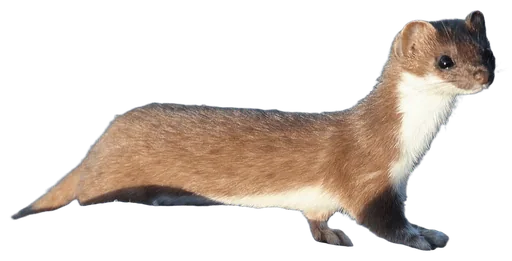
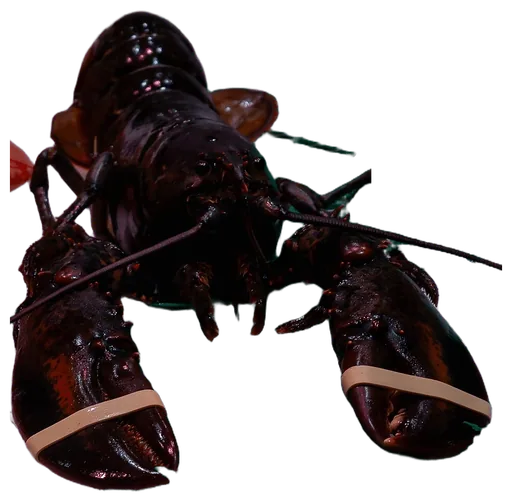 D vs StoatWins · 58% · Slight edge
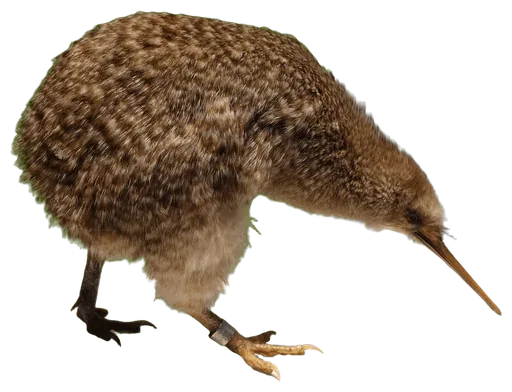
 W vs KiwiLoses · 56% · Toss-up
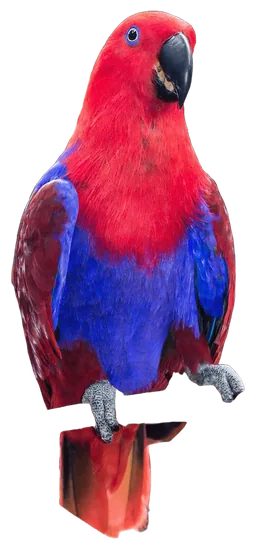
 L vs Eclectus ParrotWins · 55% · Toss-up
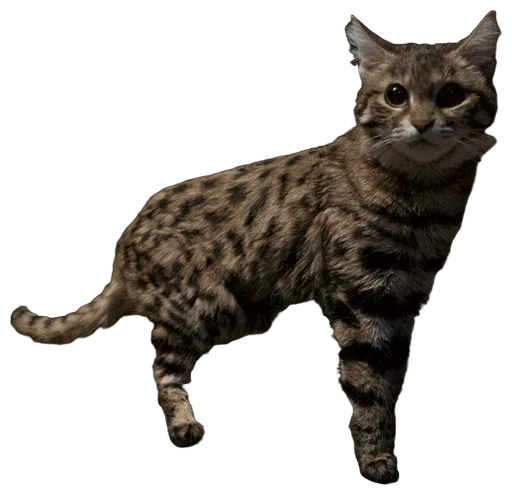
 W vs Black-footed CatLoses · 54% · Toss-up
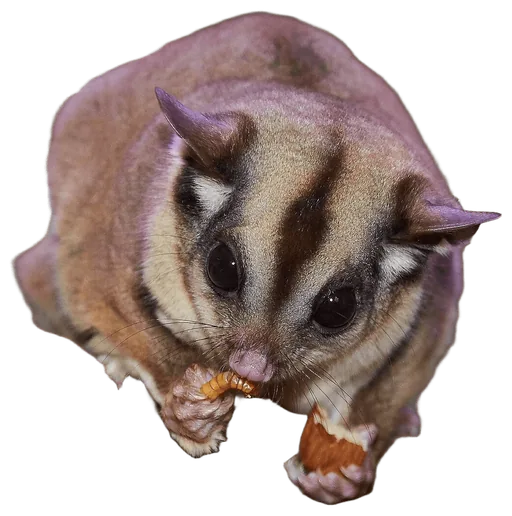
 L vs Sugar GliderWins · 61% · Slight edge
 W vs IguanaLoses · 64% · Slight edge
 L
Gila Monster battle analysis
The Gila monster is a strong example of why ABS must separate physical power from special biology. A roughly one-kilogram lizard cannot compete with medium mammals in raw force, reach or speed. Its danger comes from a specialized delivery system: establish a bite, hold on, chew, and allow venom to enter through grooves in the lower teeth. That mechanism can turn a low-power contact into an intensely painful and sometimes systemic injury.
Its desert physiology is equally unusual but should not be double-counted as fighting stamina. The urinary bladder can function as a water reservoir, while low metabolism and large meals permit long periods underground. Those traits improve survival between opportunities rather than creating a tireless high-output fighter. The resulting profile is intentionally polarized: low Raw Power and Speed, modest Defense, but very high Abilities and Special.
Habitat & range
The species occurs in the desert Southwest, centered in western and southern Arizona and Sonora, Mexico, with range extensions into southeastern California, southern Nevada, southwestern Utah and southwestern New Mexico. Smithsonian describes rocky foothills, washes, arroyos, desert scrub and semiarid grasslands, with elevations up to about 1,500 m. Open flats and agricultural areas are generally less favored.
Diet & hunting
Gila monsters are nest-raiding carnivores and opportunists. Their diet includes bird and reptile eggs, nestlings, small mammals, lizards, frogs, insects and carrion. Smithsonian and San Diego Zoo report that they can consume roughly one-third of their body mass in a meal. They spend most of their time sheltered underground and concentrate aboveground activity seasonally.
Social life
They are usually solitary. Spring brings mating and male combat. Smithsonian reports females laying 2–12 eggs; San Diego Zoo reports 3–13 and maturity around 3–5 years. These differences are retained as source/context variation rather than forced into one exact clutch number.
Conservation
The species is legally protected in parts of its U.S. range and is vulnerable to habitat destruction, roads, persecution and illegal collection. San Diego Zoo notes it became the first venomous wildlife in North America to receive legal protection in 1952. Human bites are uncommon but medically significant. Published clinical literature documents severe pain and swelling, with severe systemic envenomation a minority outcome.
Quick answers
How strong is a Gila Monster?
On the Animal Battle Stats scale, the Gila Monster has an attack rating of 31 and a power index of 39.7 out of 100, which ranks it #281 of 344 animals and puts it in D tier (Underdog). Its strongest stat is special (93).
How much does a Gila Monster weigh?
A typical adult Gila Monster weighs about 1.1 kg (2 lb). Rated specimen: healthy mature male, 1.1 kg, approximately 50.0 cm total length.
How fast is a Gila Monster?
The Gila Monster's top speed is about 3 km/h (2 mph). Its agility rating is 43 out of 100.
What does a Gila Monster eat?
Gila monsters are nest-raiding carnivores and opportunists. Their diet includes bird and reptile eggs, nestlings, small mammals, lizards, frogs, insects and carrion. Smithsonian and San Diego Zoo report that they can consume roughly one-third of their body mass in a meal. They spend most of their time sheltered underground and concentrate aboveground activity seasonally.
Is the Gila Monster endangered?
The Gila Monster's conservation status is Vulnerable. The species is legally protected in parts of its U.S. range and is vulnerable to habitat destruction, roads, persecution and illegal collection. San Diego Zoo notes it became the first venomous wildlife in North America to receive legal protection in 1952. Human bites are uncommon but medically significant. Published clinical literature documents severe pain and swelling, with severe systemic enve
What animals can beat a Gila Monster?
Among its closest rivals, the Kiwi (56%), the Black-footed Cat (54%), the Iguana (64%) would be favored against the Gila Monster. It would be favored against the Gecko, the Stoat, the Eclectus Parrot, the Sugar Glider. It is dead even with the Lobster: a draw.
Researched 2026-09-27. Ratings are editorial judgments built from these sources; measurements describe a healthy adult male.
- Smithsonian National Zootaxonomy, length, speed, diet, venom delivery, behavior, range
- San Diego Zoo Wildlife Alliancemass, length, lifespan, maturity, diet, conservation
- USGS Fact Sheet 2006-3061range, morphology, ecology, individual recognition
- Kwiatkowski et al. 2008, Journal of Zoology / USGSsex differences in movement and spatial ecology
- Davis & DeNardo 2007, Journal of Experimental Biologydehydration physiology
- Wong et al. 2018, emergency medicine case reportbite mechanics and clinical effects
- Strimple et al. 1997adult male envenomation
- Christel & DeNardo 2006exendin-4 biology
- Eng et al. 1992exendin-4 provenance
- Wikimedia Commons / Burgers' Zooimage provenance
- USFWS / Wikimedia Commonsalternate image
Photo: “Gila monster (Heloderma suspectum).jpg” by Theo Kruse / Burgers' Zoo, CC BY-SA 4.0, background removed and cropped. Original
Suggest a correction