
Gibbon
Hylobates larC tier · Capable104th of 163 mammals
Size & speed

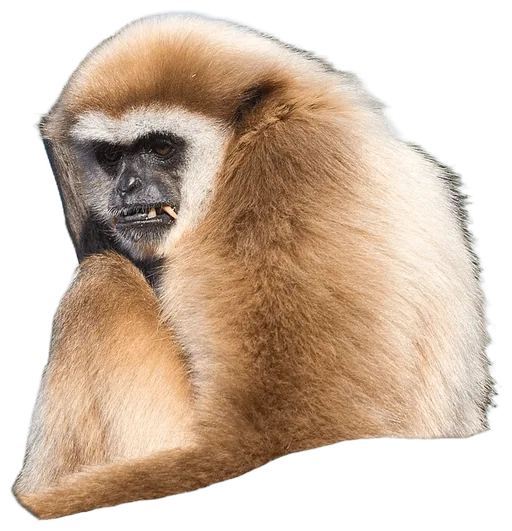
- Weight
- 6.5 kg14 lb
- Length
- 52 cm20.5 in
- Top speed
- 55 km/h34 mph
As heavy as 1.4 house cats
Heavier than 40% of animalsAbout 1.7 rulers long
Bigger than 26% of animalsFaster than Usain Bolt (44.7 km/h)
Faster than 64% of animalsThe white-handed gibbon is a small Southeast Asian ape built for extreme canopy mobility. A healthy adult male weighs only about 6.5 kg, so its absolute strength, durability and weapon damage remain modest, but its long arms, hook-like hands and specialized shoulders make it one of the roster's most maneuverable animals in trees. It can brachiate at high speed, launch across canopy gaps, communicate territorially through loud songs and, when conflict escalates, use grasping and canine bites capable of serious injury.
Detailed ratings
Research-backed ratings on one 0–100 scale for all 344 animals (updated 2026-09-27). How ratings work


Card No. 180 of 344. Every animal on Animal Battle Stats has one: its power, tier and archetype on the front; its six battle stats, abilities and signature move on the back.
Special abilities
At high travel speeds the gibbon uses aerial phases and whip-like energy transfer between swings, enabling exceptionally rapid canopy repositioning and evasive angle changes.
Long arms, mobile shoulders and hook-like hands allow ballistic transitions between separated supports, creating escape and approach routes unavailable to most similarly sized mammals.
Unique traits
Elongated fingers, highly mobile shoulders and very long forelimbs form an anatomy optimized for hanging travel rather than terrestrial force production.
Loud pair and group vocalizations advertise occupancy and coordinate boundary defense over forest distances before physical contact is required.
How it fights
Weapons
- The primary physical weapons are the jaws and canines, backed by grasping hands and feet. Long arms can pull, shove, grapple and control position, but their strongest specialization is locomotor reach rather than gorilla-like absolute force. A 6.5 kg gibbon should never be power-scaled like a great ape simply because both are apes.
- Weight
- 6.5 kg14 lb
- Height
- No reliable measurement
- Length
- 52 cm20.5 in
- Top speed
- 55 km/h34 mph
- Bite force
- No reliable measurement
- Lifespan
- 30 years
- Home biome
- Jungle
- Lifestyle
- Social
Rated specimen: Healthy mature adult male, 6.5 kg and 52.0 cm head-body length.
Fun facts
- White-handed gibbons are apes, not monkeys, and have no tail.
- Their arms are extraordinarily long relative to their legs, and institutional sources report arm spans around 1.5 m.
- Fast brachiation is mechanically distinct from slow brachiation and includes an aerial phase.
- A gibbon can perform one-armed brachiation while carrying food, with kinematic adjustments that preserve forward momentum.
- Institutional sources report canopy travel around 55-56 km/h, remarkable for an animal weighing only several kilograms.
- Territorial conflict is not purely ritual: a peer-reviewed field report documented an adult male receiving wounds severe enough to plausibly cause his later death.
Closest rivals by power. Tap one for the full breakdown, or pick any opponent.
vs LlamaLoses · 67% · Slight edge  L vs WarthogLoses · 64% · Slight edge
 L vs Ethiopian WolfLoses · 56% · Toss-up
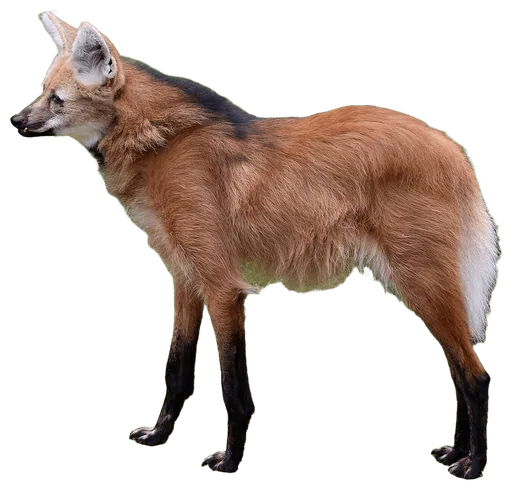
 L vs Maned WolfLoses · 57% · Toss-up
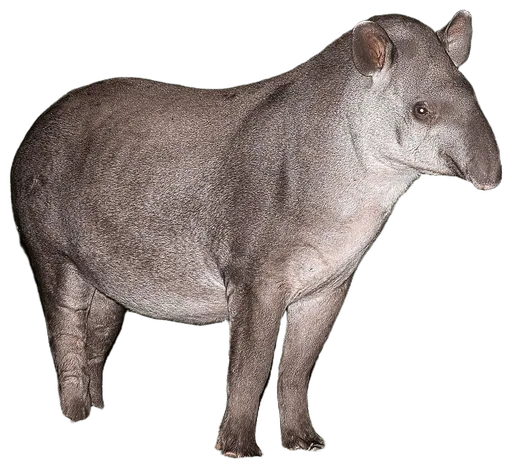
 L vs TapirLoses · 70% · Clear edge
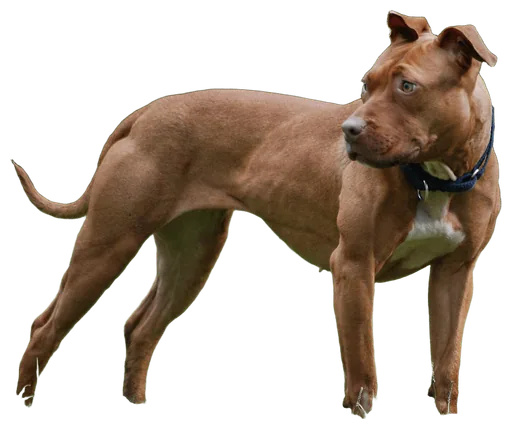
 L vs American Pit Bull TerrierLoses · 57% · Toss-up
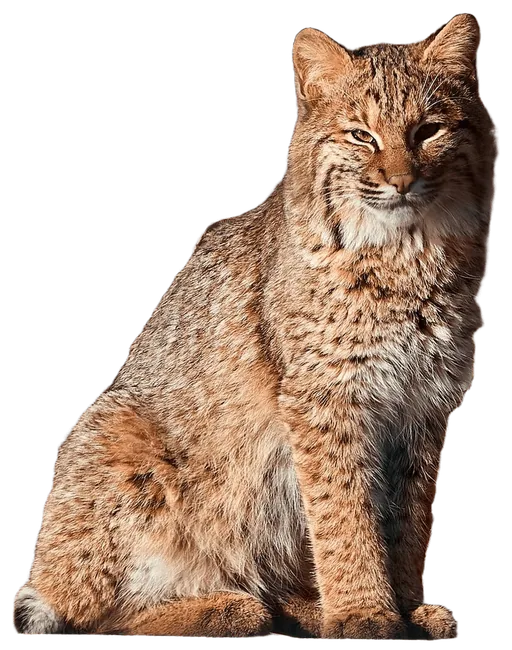
 L vs BobcatLoses · 52% · Toss-up
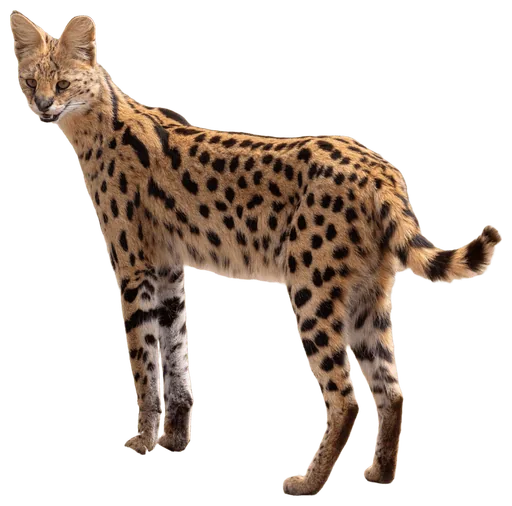
 L vs ServalLoses · 55% · Toss-up
 L
Gibbon battle analysis
The gibbon's battle identity is defined by separation between mobility and power. Its skeleton and soft tissues are organized around suspension: a compact torso hangs beneath elongated forelimbs while the hands repeatedly become hooks, release, and recapture supports. At low speed, the animal can use continuous-contact pendular movement. At high speed, H. lar shifts into ricochetal brachiation with aerial phases and a more dynamic transfer of rotational and translational energy. In a forest canopy, that gives the gibbon a route-planning advantage that few mammals can match.
That spectacular locomotion must not leak into Attack or Defense. At roughly 6.5 kg, a gibbon is far below large carnivores and great apes in absolute force and trauma tolerance. Its canines are real weapons and territorial males can inflict grave wounds, but it has no armor and no heavy crushing apparatus. A matchup that becomes a stationary grapple against a much larger animal is unfavorable. Its best combat is positional: evade, change level, exploit overhead routes, bite if cornered, and disengage.
Cognition and communication strengthen that positional style. Gibbons maintain spatial knowledge of a complex canopy, coordinate family life and advertise territories through conspicuous vocal routines. Those capacities justify high intelligence and tactics relative to most mammals, while remaining below the roster's strongest evidence-based problem solvers. The resulting ABS profile is intentionally polarized: elite Agility, strong cognition and environment-dependent Special, but only low absolute Attack and Defense.
Habitat & range
White-handed gibbons inhabit tropical evergreen, dipterocarp, monsoon and related forests in Southeast Asia. ADW places them mainly in the high canopy and notes occurrence up to roughly 1,200 m elevation. Modern range descriptions include Thailand, Malaysia, Myanmar, Laos and northern Sumatra, with historical loss from portions of the former range.
Diet & hunting
Fruit is the major food, supplemented by leaves, flowers, shoots, insects and eggs or other small animal foods. Their frugivory makes them important participants in tropical forest food webs and likely seed movement. They are diurnal and strongly arboreal.
Social life
Groups generally center on a breeding pair and offspring, although gibbon social systems are more flexible than the old simplistic 'always monogamous' label suggests. Territorial songs and duets are prominent. Gestation is around seven months in zoo references. Young remain dependent for an extended period, consistent with slow ape life history.
Conservation
The species is listed as Endangered in current institutional/IUCN-linked references. Major pressures include forest loss, fragmentation, hunting and capture for the illegal pet trade.
Quick answers
How strong is a Gibbon?
On the Animal Battle Stats scale, the Gibbon has an attack rating of 28 and a power index of 50.2 out of 100, which ranks it #180 of 344 animals and puts it in C tier (Capable). Its strongest stat is agility (98).
How much does a Gibbon weigh?
A typical adult Gibbon weighs about 6.5 kg (14 lb). Rated specimen: healthy mature adult male, 6.5 kg and 52.0 cm head-body length.
How fast is a Gibbon?
The Gibbon's top speed is about 55 km/h (34 mph). Its agility rating is 98 out of 100.
What does a Gibbon eat?
Fruit is the major food, supplemented by leaves, flowers, shoots, insects and eggs or other small animal foods. Their frugivory makes them important participants in tropical forest food webs and likely seed movement. They are diurnal and strongly arboreal.
Is the Gibbon endangered?
The Gibbon's conservation status is Endangered. The species is listed as Endangered in current institutional/IUCN-linked references. Major pressures include forest loss, fragmentation, hunting and capture for the illegal pet trade.
What animals can beat a Gibbon?
Among its closest rivals, the Llama (67%), the Warthog (64%), the Ethiopian Wolf (56%), the Maned Wolf (57%), the Tapir (70%), the American Pit Bull Terrier (57%), the Bobcat (52%), the Serval (55%) would be favored against the Gibbon. It would be favored against none of them.
Researched 2026-09-27. Ratings are editorial judgments built from these sources; measurements describe a healthy adult male.
- Animal Diversity Web, Hylobates larmass, length, dimorphism, habitat, behavior, lifespan
- Copenhagen Zoosize, arm span, speed, diet, lifespan
- American Museum of Natural Historylocomotion and speed context
- Chang, Bertram & Lee, 2000, AJPAbrachiation kinetics
- Mechanical energy oscillations of two brachiation gaitslocomotor mechanics
- Gibbons & Lockwood, one-armed brachiationone-arm locomotor flexibility
- Palombit 1993, American Journal of Primatologyterritorial combat
- Columbus Zoodiet, range, managed longevity context
- Wikimedia Commons, Bernard Dupont maleimage taxon, sex, provenance, dimensions, license
Photo: “Weißhandgibbon (Hylobates lar).jpg” by Alexander Leisser, CC BY-SA 4.0, background removed and cropped. Original
Suggest a correction