

Giant Panda
Ailuropoda melanoleuca
 #144 of 273
  Forest Tank Vulnerable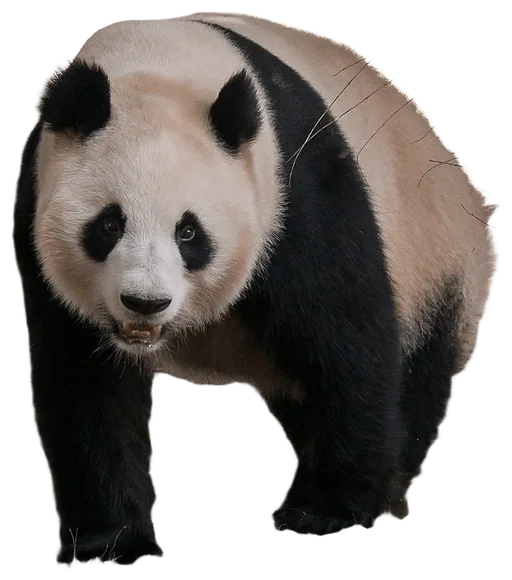
 Fight
FightPhoto: CEphoto, Uwe Aranas · CC BY-SA 3.0
The giant panda is a 100–115 kg bamboo-eating bear from the mountain forests of central China. Its broad skull gives it a bite modelled close to a lion's, and it can climb well. But it saves energy instead of spending it, rarely runs, and avoids fights unless cornered, so it has little stamina or offensive skill for a sustained battle.
 Attack57
  Defense48
  Agility48
  Stamina40
  Intelligence55
  Special57
 Detailed ratings
Research-backed ratings on one 0–100 scale for all 273 animals (updated 2026-09-28). How ratings work
Special abilities
Ability 1Bamboo-Crusher BiteAn extremely broad skull, big chewing muscles and flat crushing teeth give a canine bite force modelled at about 1,299 N, close to a lion's. A cornered panda can inflict deep, surgery-level wounds.
 Ability 2Low-Power Mode
Wild pandas use only about 45% of the daily energy expected for their size, with low thyroid hormone levels and small internal organs. They survive on a poor-quality diet, but have almost no reserve for a long fight.
Unique traits
 TraitRadial-Sesamoid Thumb
An enlarged wrist bone under a skin pad works as a sixth digit, letting the panda grip bamboo stems precisely.
TraitConservation ComebackChina's fourth national survey counted 1,864 wild pandas, and in 2016 the IUCN moved the species from Endangered to Vulnerable.
How it fights
Weapons
- The panda's real weapon is its bite. The skull, jaw muscles and teeth are built to crush tough bamboo, and skull modelling places its canine bite force close to a lion's in absolute terms. Claws and forelimbs are strong enough for climbing and pulling bamboo but are not used to hunt. A panda does not stalk, chase or kill large animals, so its offense is defensive: a hard bite and swipes delivered when it is cornered or disturbed.
 Struggles vs
- Very low stamina from an energy-saving physiology.
- Slow, with no sprint or pursuit ability.
- No real offensive technique beyond biting and swiping.
- Low willingness to fight unless cornered.
- Weight
- 115 kg254 lb
- Height
- No reliable measurement
- Length
- 1.6 m5.2 ft
- Top speed
- No reliable measurement
- Bite force
- No reliable measurement
- Lifespan
- 18 years
- Home biome
- Forest
- Lifestyle
- Mostly solitary
Rated specimen: Healthy adult male, 115.0 kg, about 160.0 cm head-body length.
Fun facts
- A panda's "thumb" is really an enlarged wrist bone covered by a pad of skin.
- Bamboo makes up more than 99% of a wild panda's diet.
- Wild pandas use only about 45% of the daily energy expected for a mammal their size.
- In skull modelling, a panda's canine bite force is close to a lion's.
- China's 2015 national survey counted 1,864 wild giant pandas.
- The IUCN moved the giant panda from Endangered to Vulnerable in 2016.
Closest rivals by power. Tap one for the full breakdown, or pick any opponent.
vs Japanese MacaqueWins · 50% · Toss-up 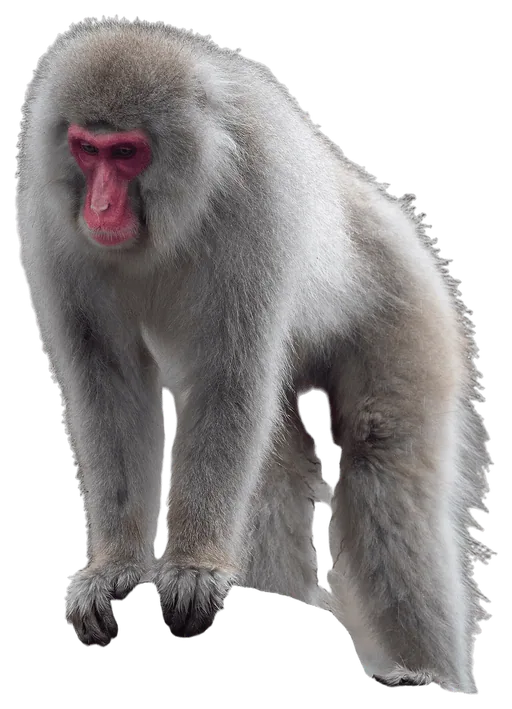 W vs CaracalWins · 50% · Toss-up
 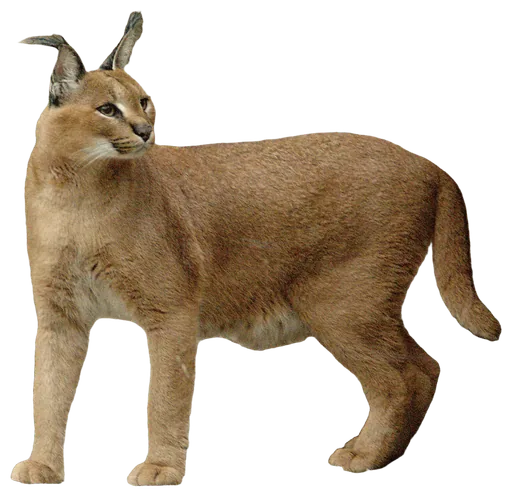 W vs PlatypusLoses · 50% · Toss-up
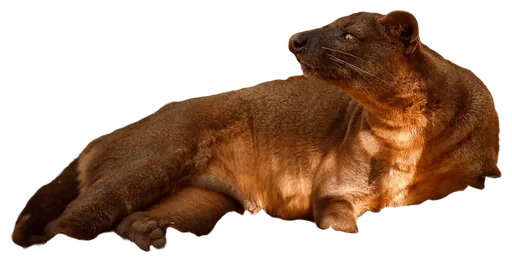
 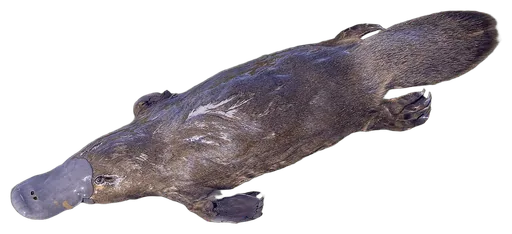 L vs FossaLoses · 50% · Toss-up
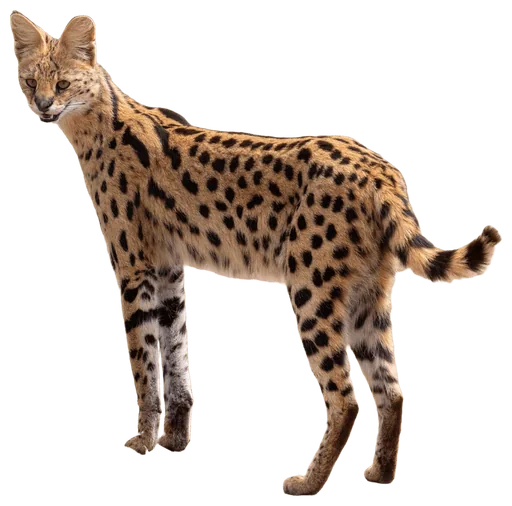
  L vs ServalWins · 50% · Toss-up
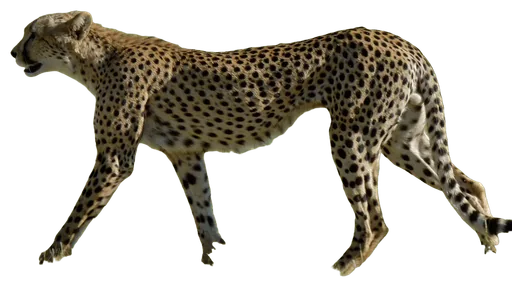
  W vs CheetahLoses · 50% · Toss-up
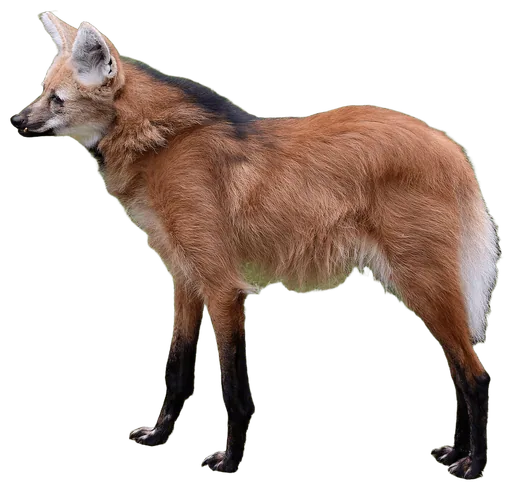
  L vs Maned WolfWins · 51% · Toss-up
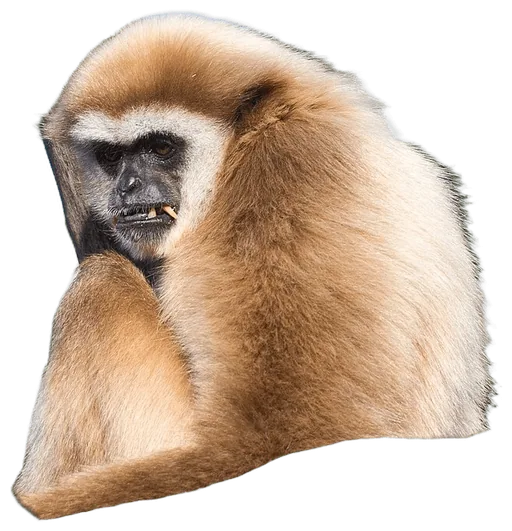
  W vs GibbonWins · 51% · Toss-up
  W
W  Pick any opponent
 Giant Panda battle analysis
The giant panda is a bear that lives almost entirely on bamboo. That single fact shapes everything about it as a fighter. To crush tough stems it has one of the broadest skulls and heaviest sets of chewing muscles among the carnivorans, and when researchers modelled its bite, the force at the canines came out close to a lion's. The pseudo-thumb, an enlarged wrist bone, lets it hold bamboo precisely while it eats for much of the day.
The other side of that diet is energy. Bamboo is poor food, and the panda copes by spending as little energy as possible. Measurements published in Science found wild pandas using only about 45% of the energy expected for a mammal their size, with low thyroid hormone levels, smaller organs and very little movement. In a fight, that means the panda has almost no reserve: it cannot chase, cannot keep up a long exchange, and generally chooses to walk away or climb a tree.
None of this makes it harmless. An adult male of around 115 kg with thick fur and a crushing bite can badly hurt anything that corners it, as visitors who entered a panda enclosure at Beijing Zoo found out. On the roster it sits near the other medium bears in size and bite, but well below them in stamina, speed and willingness to fight. It is a defensive heavyweight whose best tactic is to avoid battle, and whose worst matchups are fast, persistent predators that can wear it down.
Habitat & range
Giant pandas live only in cool, wet mountain forests with dense bamboo understory in six mountain ranges of central China (Sichuan, Shaanxi and Gansu provinces), usually at middle to high elevations.
Diet & hunting
Bamboo, eaten as shoots, stems and leaves, makes up more than 99% of the diet, with occasional small animals or carrion. Because bamboo is poor food and the panda's gut is that of a carnivore, pandas eat large quantities for most of the day and save energy the rest of the time.
Social life
Solitary. Adults keep separate home ranges and communicate by scent marking and calls. Males and females meet briefly during the spring breeding season.
Conservation
The giant panda is assessed as Vulnerable on the IUCN Red List, moved down from Endangered in 2016 after China's fourth national survey (2015) counted 1,864 wild pandas. Scientists have argued over whether the change was premature, because habitat fragmentation, bamboo die-offs and climate change remain threats. Panda reserves protect many other species living in the same forests.
Quick answers
How strong is a Giant Panda?
On the Animal Battle Stats scale, the Giant Panda has an attack rating of 57 and a power index of 50.8 out of 100, which ranks it #144 of 273 animals and puts it in C tier (Capable). Its strongest stat is attack (57).
How much does a Giant Panda weigh?
A typical adult Giant Panda weighs about 115 kg (254 lb). Rated specimen: healthy adult male, 115.0 kg, about 160.0 cm head-body length.
How fast is a Giant Panda?
There is no reliable measured top speed for the Giant Panda, so we do not publish one. Its agility rating, which covers acceleration, reflexes and evasion, is 48 out of 100.
What does a Giant Panda eat?
Bamboo, eaten as shoots, stems and leaves, makes up more than 99% of the diet, with occasional small animals or carrion. Because bamboo is poor food and the panda's gut is that of a carnivore, pandas eat large quantities for most of the day and save energy the rest of the time.
Is the Giant Panda endangered?
The Giant Panda's conservation status is Vulnerable. The giant panda is assessed as Vulnerable on the IUCN Red List, moved down from Endangered in 2016 after China's fourth national survey (2015) counted 1,864 wild pandas. Scientists have argued over whether the change was premature, because habitat fragmentation, bamboo die-offs and climate change remain threats. Panda reserves protect many other species living in the same forests.
What animals can beat a Giant Panda?
Among its closest rivals, the Platypus (50%), the Fossa (50%), the Cheetah (50%) would be favored against the Giant Panda. It would be favored against the Japanese Macaque, the Caracal, the Serval, the Maned Wolf, the Gibbon.
Researched 2026-09-28. Ratings are editorial judgments built from these sources; measurements describe a healthy adult male.
- Animal Diversity Web, Ailuropoda melanoleucapseudo-thumb, diet, lifespan
- San Diego Zoo Wildlife Alliance Library, Giant panda diet and feedingdaily intake
- International Association for Bear Research and Management, giant pandaidentity, range
- Nie et al. 2015, Science (PubMed)energetics, stamina
- Nie et al. 2015, Science (publisher page)energetics
- Christiansen & Wroe 2007, Ecologybite force
- Christiansen 2007, Journal of Zoology, bite mechanics in bearsbite context
- Three cases of giant panda attack on humans at Beijing Zoo (PubMed)ferocity, bite damage
- San Diego Zoo Wildlife Alliance, pandas now Vulnerable (2016)conservation status
- Conservation Letters, Panda Downlisted but not Out of the Woodsconservation debate
- Science, Premature downgrade of panda's statusconservation debate
- Wikipedia, Giant pandamass, length, dimorphism, survey count
- Single-nucleus transcriptome of giant panda under low metabolism (PMC)low-energy physiology
Photo: “Chengdu Sichuan China Panda-breeding-and-research-center-02.jpg” by CEphoto, Uwe Aranas, CC BY-SA 3.0, background removed and cropped. Original
Suggest a correction