

Giant Otter
Pteronura brasiliensis
 #83 of 341
  Jungle Pack Hunter Endangered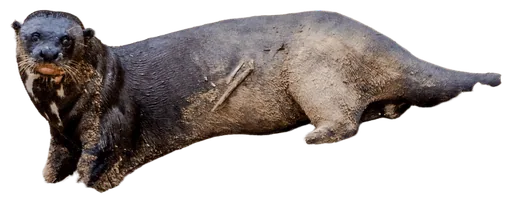
 Fight
FightPhoto: Túllio F · CC BY-SA 4.0
The longest member of the weasel family, the giant otter is a 30 kg river predator that lives in loud, cooperative family groups and hunts fish, snakes and even small caimans. Powerful and agile in water, it relies on a single weapon, its bite, and is much less formidable alone or on dry land.
 Attack46
  Defense34
  Agility84
  Stamina76
  Intelligence80
  Special75
 Detailed ratings
Research-backed ratings on one 0–100 scale for all 341 animals (updated 2026-09-28). How ratings work
Special abilities
Ability 1River Wolf PackFamilies of three to eight otters defend territory together, charge intruders as a group and can cooperate to take prey too large for one otter, such as young caimans and small anacondas. In a strict one-on-one matchup this advantage is lost.
 Ability 2Whisker Pressure Sense
Highly sensitive whiskers track changes in water pressure and currents, helping it find and follow prey in the water alongside its sharp daytime eyesight.
Unique traits
 TraitLongest Mustelid
At up to 1.8 m, it is the longest member of the weasel family, although the sea otter may be heavier.
TraitLoudest OtterAdults use at least 22 distinct call types and newborns 11, and each family has its own recognizable vocal signature.
How it fights
Weapons
- The giant otter is a fish specialist and an apex predator of South American rivers. In one Amazonian study, fish appeared in every scat, with cichlids and perch in 97% and characins such as piranhas in 86%. It chases prey in rapid, twisting lunges through the shallows, attacks from above or below, and swivels at the last instant to clamp prey in its jaws, with few misses. It eats about 10% of its body weight daily, about 3 kg. When fish are scarce it takes crabs, snakes, small caimans and anacondas; truly coordinated hunting may occur mainly when prey is too big for one otter, such as small green anacondas and young black caimans. Its only real weapon is the bite, backed by a strong neck and body; its claws are for holding prey, not for fighting.
 Struggles vs
- The bite is its only real weapon.
- No armor, and short fur gives little padding.
- Much less capable on dry land.
- Solitary animals and pups are much more vulnerable than groups.
- Electric eels, stingrays and piranhas can injure it.
- Weight
- 30 kg66 lb
- Height
- No reliable measurement
- Length
- 1.6 m5.2 ft
- Top speed
- No reliable measurement
- Bite force
- No reliable measurement
- Lifespan
- 8 years
- Home biome
- Jungle
- Lifestyle
- Social
Rated specimen: Healthy mature adult male, 30.0 kg and 160.0 cm total length, inside the male ranges of 26–32 kg and 1.5–1.7 m (Wikipedia).
Fun facts
- It is the longest member of the weasel family, reaching up to 1.8 m.
- In Brazil it is called onça-d'água, the "water jaguar".
- Every giant otter has its own unique pattern of pale throat markings.
- Adults use at least 22 different calls, and each family has its own vocal signature.
- It eats about 3 kg of food a day, roughly a tenth of its body weight.
- Family groups sometimes kill small caimans and anacondas.
Closest rivals by power. Tap one for the full breakdown, or pick any opponent.
vs CougarWins · 51% · Toss-up  W vs Black BearLoses · 51% · Toss-up
  L vs WildebeestLoses · 51% · Toss-up
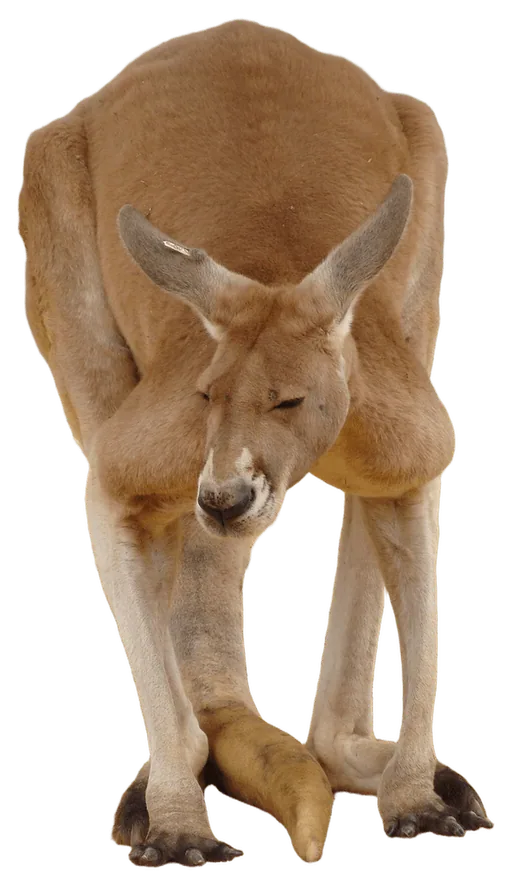
  L vs KangarooLoses · 51% · Toss-up
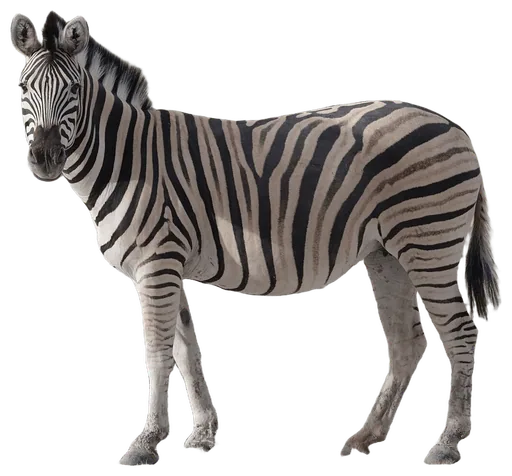
  L vs ZebraWins · 51% · Toss-up
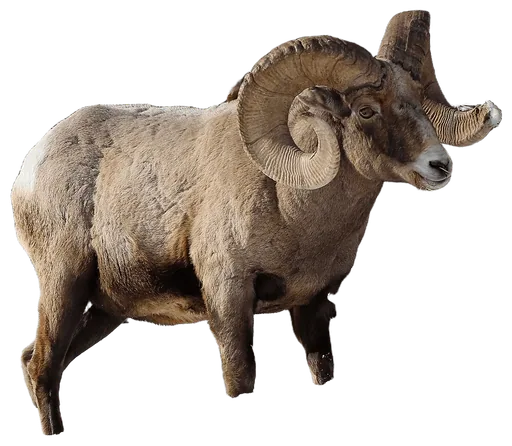
  W vs Bighorn SheepLoses · 51% · Toss-up
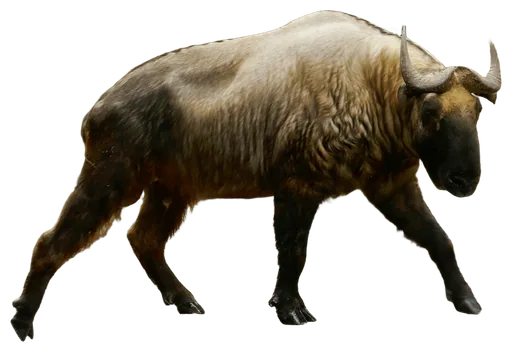
  L vs TakinLoses · 51% · Toss-up
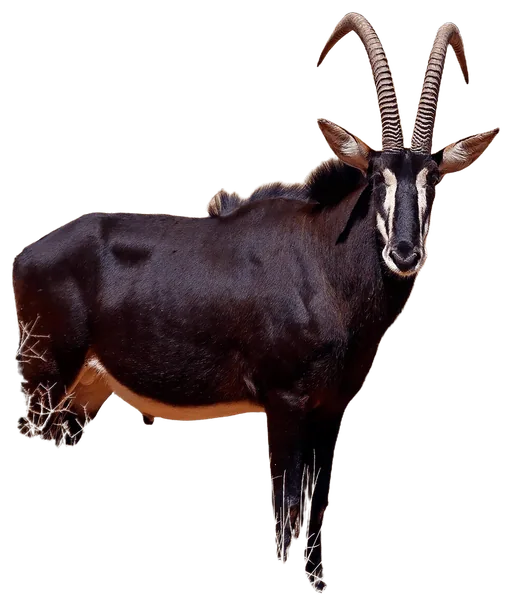
  L vs Sable AntelopeLoses · 52% · Toss-up
  L
L  Pick any opponent
 Giant Otter battle analysis
The giant otter is the river wolf of South America. A big male weighs about 30 kg and stretches 1.6 m from nose to tail tip, with a thick neck, webbed feet and a flattened, wing-like tail. Families of three to eight patrol their stretch of river each morning, marking campsites and calling constantly; scientists have identified 22 distinct adult call types.
In the water it is fast and precise. It lunges and twists through the shallows, attacks from above or below and swivels at the last moment to catch fish in its jaws, rarely missing. It eats about 3 kg of fish a day and, when fish are scarce, will take crabs, snakes and small caimans. Some prey, such as young caimans and small anacondas, may require the group to work together, and whole families will charge intruders, including boats full of people.
On the absolute scale, a single giant otter is a strong mid-sized predator: heavier and better armed than river otters and sea otters, but relying on its bite alone and lacking the grappling claws of a similarly sized cat. Its group behavior and aquatic skill are real advantages, but in a one-on-one fight on land against a jaguar-class predator, it is outmatched.
Habitat & range
Slow-moving rivers, creeks, oxbow lakes, flooded forests and swamps in the Amazon, Orinoco and La Plata basins, the Guianas and the Brazilian Pantanal. It prefers clear water, gently sloping banks and overhanging vegetation for dens and campsites. It has vanished from much of its former range; in 2021 conservationists spotted a wild giant otter in Argentina's Bermejo River, where its presence had been uncertain.
Diet & hunting
Almost entirely fish, especially cichlids, perch, characins (including piranhas) and catfish, supplemented with crabs, snakes, small caimans and anacondas when fish are scarce. Hunting is most successful in shallow water under 0.6 m. As the top predator of its rivers, its status reflects the health of freshwater ecosystems.
Social life
Extended family groups of three to eight (up to 20 when groups merge temporarily) centred on a dominant breeding pair. Older siblings help raise pups. Groups mark territory with latrines, scent and calls, and generally avoid conflict with neighbours, but fights can be serious. Some animals live as nomadic transients.
Conservation
Listed as Endangered on the IUCN Red List since 1999, with wild populations usually estimated below 5,000; it is one of the most endangered mammals in the Neotropics. Threats include decades of poaching for its velvety pelt (1,000–3,000 pelts a year left Amazonian Brazil alone in 1959–1969), habitat loss, logging, mercury in fish from gold mining, and disturbance from poorly managed tourism. A 2024 continental study found its area of occupancy shrinking, and after the 2020 Pantanal mega-fires giant otters showed the steepest decline of any species monitored in one study area (a 2026 Pantanal study).
Quick answers
How strong is a Giant Otter?
On the Animal Battle Stats scale, the Giant Otter has an attack rating of 46 and a power index of 58.6 out of 100, which ranks it #83 of 341 animals and puts it in B tier (Strong). Its strongest stat is agility (84).
How much does a Giant Otter weigh?
A typical adult Giant Otter weighs about 30 kg (66 lb). Rated specimen: healthy mature adult male, 30.0 kg and 160.0 cm total length, inside the male ranges of 26–32 kg and 1.5–1.7 m (Wikipedia).
How fast is a Giant Otter?
There is no reliable measured top speed for the Giant Otter, so we do not publish one. Its agility rating, which covers acceleration, reflexes and evasion, is 84 out of 100.
What does a Giant Otter eat?
Almost entirely fish, especially cichlids, perch, characins (including piranhas) and catfish, supplemented with crabs, snakes, small caimans and anacondas when fish are scarce. Hunting is most successful in shallow water under 0.6 m. As the top predator of its rivers, its status reflects the health of freshwater ecosystems.
Is the Giant Otter endangered?
The Giant Otter's conservation status is Endangered. Listed as Endangered on the IUCN Red List since 1999, with wild populations usually estimated below 5,000; it is one of the most endangered mammals in the Neotropics. Threats include decades of poaching for its velvety pelt (1,000–3,000 pelts a year left Amazonian Brazil alone in 1959–1969), habitat loss, logging, mercury in fish from gold mining, and disturbance from poorly managed tourism. A 202
What animals can beat a Giant Otter?
Among its closest rivals, the Black Bear (51%), the Wildebeest (51%), the Kangaroo (51%), the Bighorn Sheep (51%), the Takin (51%), the Sable Antelope (52%) would be favored against the Giant Otter. It would be favored against the Cougar, the Zebra.
Researched 2026-09-28. Ratings are editorial judgments built from these sources; measurements describe a healthy adult male.
- Wikipedia, Giant ottermass, length, dimorphism, bite, fur, whiskers, vocal repertoire, groups, diet, hunting, predators, lifespan, status
- Animal Diversity Web, Pteronura brasiliensismass, captive lifespan, swimming modes, group hunting, predators
- Mumm and Knörnschild 2014, PLOS Onevocal repertoire
- Timm-Davis, DeWitt and Marshall 2015, PLOS Oneskull and bite mechanics
- Myiasis in a free-ranging giant otter, Revista Brasileira de Parasitologia Veterinária 2022intraspecific fighting
- Chester Zoo, giant otterdiet, movement, groups, status
- Continental-wide decline in five Neotropical carnivores, Global Ecology and Conservation 2024conservation trend
- Vertebrate responses to Pantanal mega-fires, Ecology and Evolution 2026conservation trend
- IUCN SSC Otter Specialist Group, Giant Otter Conservation Manifesto 2022conservation
Photo: “Excursão pelo Rio Paraguai em Cáceres (Mato Grosso) 108.jpg” by Túllio F, CC BY-SA 4.0, background removed and cropped. Original
Suggest a correction