

Giant Forest Hog
Hylochoerus meinertzhageni
 #135 of 341
  Jungle Charger Least Concern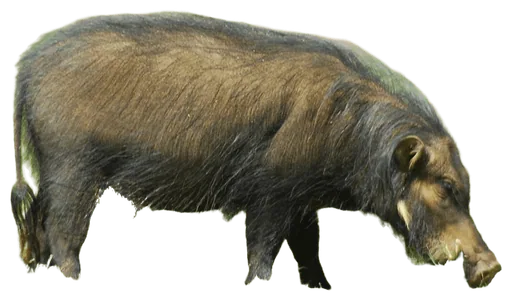
 Fight
FightPhoto: michell zappa from São Paulo, Brazil · CC BY-SA 2.0
The giant forest hog is the world's largest wild pig, a 210 kg shaggy black boar of African forests that fights by ramming heads hard enough to crack skulls and slashing with flared tusks. It is short-ranged and unarmored, but its temper and willingness to charge without warning make it far more dangerous than its size suggests.
 Attack56
  Defense50
  Agility50
  Stamina60
  Intelligence48
  Special54
 Detailed ratings
Research-backed ratings on one 0–100 scale for all 341 animals (updated 2026-09-28). How ratings work
Special abilities
Ability 1Skull-Ram ChargeBoars charge from 20–30 m and slam foreheads together hard enough to fracture skulls, a clash that can ring out with a loud report.
 Ability 2Flared Tusk Slash
Outward-curving tusks up to about 36 cm slash at an opponent after the head-to-head push.
Unique traits
 TraitLargest Wild Pig
On average the biggest living member of the pig family, with eastern boars topping 225 kg.
TraitGiant Snout DiscA nasal disc up to 16 cm across and big naked swellings under the eyes of boars give it a very distinctive face.
How it fights
Weapons
- The giant forest hog has two weapon systems. The first is the head itself: boars charge at each other from 20–30 m apart and slam foreheads together, a clash violent enough to fracture skulls. The second is a pair of outward-flaring tusks, up to about 30–36 cm in boars, used to slash an opponent after head pushing. Boars are known to attack people without warning, apparently to protect their group, and have been seen driving spotted hyenas off carcasses. Fights between males that end in the death of one participant are reported as not uncommon.
 Struggles vs
- No armor or thick hide; flanks and belly are exposed.
- Tusks are modest for its size compared with a warthog's.
- Short head-first charge; little reach.
- Standing at bay makes it vulnerable to organized predators and hunters.
- Weight
- 210 kg463 lb
- Height
- 95 cm37.4 in
- Length
- 1.8 m5.9 ft
- Top speed
- No reliable measurement
- Bite force
- No reliable measurement
- Lifespan
- 5 years
- Home biome
- Jungle
- Lifestyle
- Social, nocturnal
Rated specimen: Healthy adult boar of about 210 kg, 95 cm at the shoulder and 180 cm head-body length, with full tusks and cheek swellings.
Fun facts
- The giant forest hog is the largest wild pig in the world.
- Boars charge from 20–30 m apart and crash heads like wild sheep.
- A forehead clash can fracture a skull and makes a loud crack when the skull hollows meet squarely.
- Its snout disc can be 16 cm across.
- Piglets can suckle from any female in the sounder.
- Giant forest hogs have been seen driving spotted hyenas away from carcasses.
Closest rivals by power. Tap one for the full breakdown, or pick any opponent.
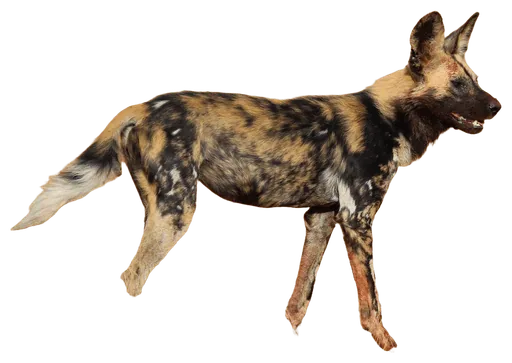
vs BonoboWins · 50% · Toss-up 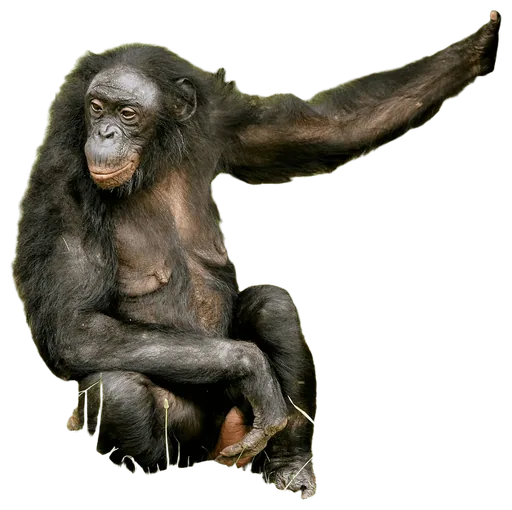 W vs African Wild DogWins · 50% · Toss-up
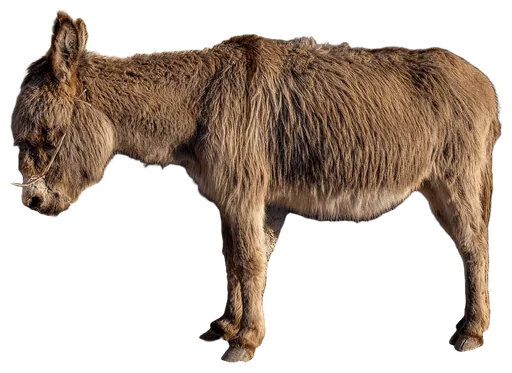
  W vs DonkeyWins · 50% · Toss-up
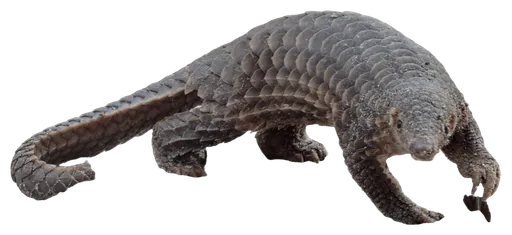
  W vs PangolinLoses · 50% · Toss-up
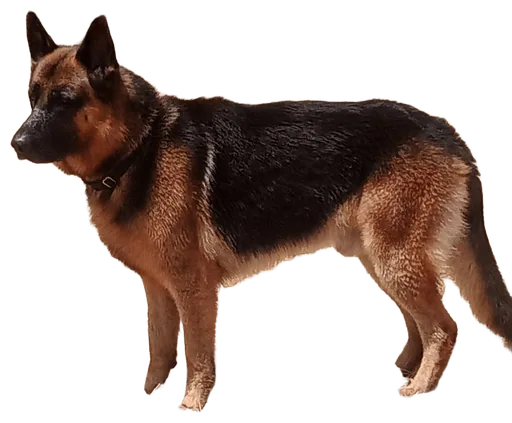
  L vs German ShepherdWins · 50% · Toss-up
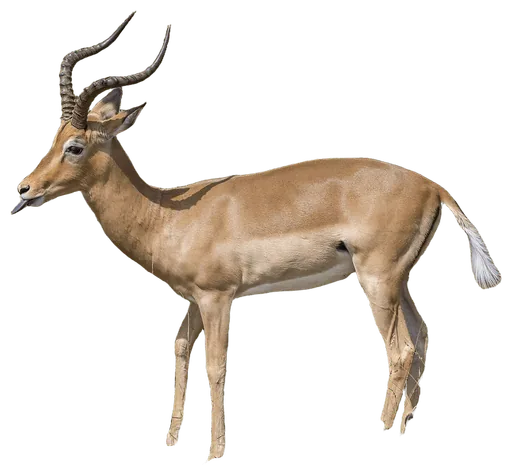
  W vs ImpalaWins · 51% · Toss-up
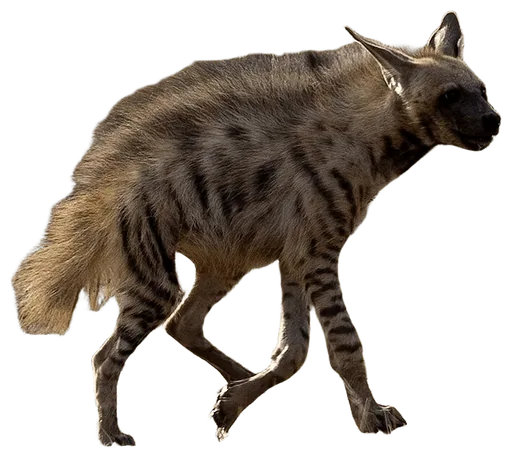
  W vs Striped HyenaLoses · 51% · Toss-up
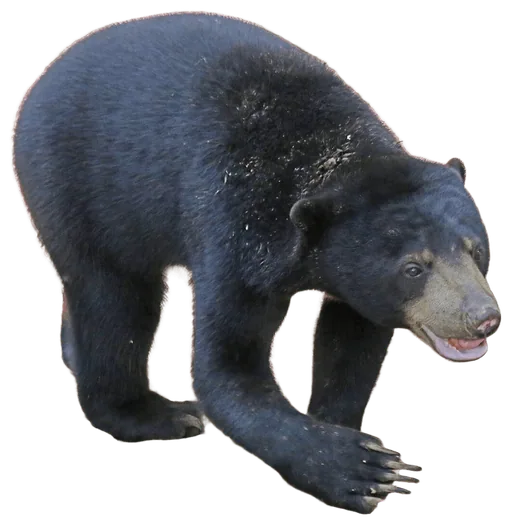
  L vs Sun BearLoses · 51% · Toss-up
  L
L  Pick any opponent
 Giant Forest Hog battle analysis
A giant forest hog boar is a heavy, shaggy black pig of around 210 kg, with a broad snout disc up to 16 cm across, large naked swellings beneath the eyes and tusks that flare out to the sides. It lives in family sounders in the forests and forest edges of tropical Africa, mostly active at night, travelling up to a dozen kilometres a day to graze, root and scavenge.
Its fighting style is brutal. Rival boars line up 20 or 30 metres apart, charge and slam foreheads together; the clash can fracture skulls, and some fights end in death. The same temper is turned on threats: boars have been known to charge people without warning and to push spotted hyenas off carcasses. The whole sounder defends its piglets, but leopards and hyena clans still take forest hogs, and hunters exploit their habit of turning to fight at the edge of cover.
On the ABS scale the giant forest hog is a mid-weight brawler with high ferocity. It is heavier and far more aggressive than most forest herbivores of similar mass, such as the okapi, but lacks the armor, bulk and long weapons of true heavyweights. Its Attack reflects real danger at close range, while its modest Defense and Agility reflect a body built for a short, head-first charge.
Habitat & range
Tropical Africa in a patchy range from Guinea and Côte d'Ivoire in the west, through the Congo Basin, to the highlands of Kenya, including Mount Kenya, and Ethiopia. It uses lowland and montane forest, forest-grassland mosaics and thickets.
Diet & hunting
Mainly a grazer of grasses that also digs with its tusks for roots and minerals and scavenges carcasses. It is found at low densities of about 0.4–2.6 animals per km², but prime habitat can hold more than 10 per km².
Social life
Sounders of up to 20: related females and young, typically with one old boar; boars may also form bachelor groups. Females leave to give birth and return with piglets about a week later, and every adult helps protect the young.
Conservation
Least Concern on the IUCN Red List, but hunted for bushmeat across most of its range. It is so elusive that some large parks, such as Comoé in Côte d'Ivoire, have never surveyed it systematically. The small West African population has low genetic diversity. As one of Africa's four wild pig genera, it is studied as a possible host in African swine fever cycles.
Quick answers
How strong is a Giant Forest Hog?
On the Animal Battle Stats scale, the Giant Forest Hog has an attack rating of 56 and a power index of 53.3 out of 100, which ranks it #135 of 341 animals and puts it in B tier (Strong). Its strongest stat is stamina (60).
How much does a Giant Forest Hog weigh?
A typical adult Giant Forest Hog weighs about 210 kg (463 lb). Rated specimen: healthy adult boar of about 210 kg, 95 cm at the shoulder and 180 cm head-body length, with full tusks and cheek swellings.
How fast is a Giant Forest Hog?
There is no reliable measured top speed for the Giant Forest Hog, so we do not publish one. Its agility rating, which covers acceleration, reflexes and evasion, is 50 out of 100.
What does a Giant Forest Hog eat?
Mainly a grazer of grasses that also digs with its tusks for roots and minerals and scavenges carcasses. It is found at low densities of about 0.4–2.6 animals per km², but prime habitat can hold more than 10 per km².
Is the Giant Forest Hog endangered?
No. The Giant Forest Hog is listed as Least Concern. Least Concern on the IUCN Red List, but hunted for bushmeat across most of its range. It is so elusive that some large parks, such as Comoé in Côte d'Ivoire, have never surveyed it systematically. The small West African population has low genetic diversity. As one of Africa's four wild pig genera, it is studied as a possible host in African swine fever cycles.
What animals can beat a Giant Forest Hog?
Among its closest rivals, the Pangolin (50%), the Striped Hyena (51%), the Sun Bear (51%) would be favored against the Giant Forest Hog. It would be favored against the Bonobo, the African Wild Dog, the Donkey, the German Shepherd, the Impala.
Researched 2026-09-28. Ratings are editorial judgments built from these sources; measurements describe a healthy adult male.
- Wikipedia, Giant forest hogsize, subspecies, tusks, behavior, aggression, predators
- Animal Diversity Web, Hylochoerus meinertzhagenimass, tusks, fighting, ranging, lifespan, predators
- Ultimate Ungulate, Giant forest hogdimensions, dimorphism, nasal disc, home range, density, fighting
- Giant forest hog genome study, iScience 2026range, status, genetics
- Comoé National Park mammal trends, PLoS One 2025elusiveness
- Jori & Bastos 2009, EcoHealthdisease ecology
- Human-carnivore conflict, Jorgo-Wato forest, Ecology and Evolution 2026predator overlap
- Mammals of Dhidhessa Wildlife Sanctuary, PLoS One 2025range
Photo: “Hylochoerus meinertzhageni2.jpg” by michell zappa from São Paulo, Brazil, CC BY-SA 2.0, background removed and cropped. Original
Suggest a correction