

Gharial
Gavialis gangeticus
 #89 of 273
  Wetlands Hunter Critically Endangered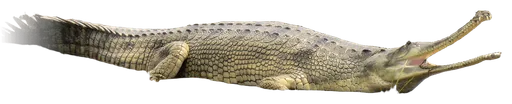
 Fight
FightPhoto: Anuppanthi · CC BY-SA 4.0
The gharial is a long, slim river crocodilian built entirely around catching fish. A mature 180 kg male sweeps its needle-toothed, pencil-thin snout sideways through the water with little drag, but it has the weakest bite of any living crocodilian and is slow and awkward on land. It is dangerous to fish, not to large animals, and it is one of the world's most endangered reptiles.
 Attack56
  Defense66
  Agility50
  Stamina42
  Intelligence46
  Special63
 Detailed ratings
Research-backed ratings on one 0–100 scale for all 273 animals (updated 2026-09-28). How ratings work
Special abilities
Ability 1Sideways Snout SnapThe very long, narrow snout cuts through water with little drag, letting the gharial whip its jaws sideways to seize passing fish. Erickson's group linked this speed-for-force tradeoff to its low bite force.
 Ability 2Interlocking Needle Grip
About 110 sharp, interlocking teeth close like a trap, holding slippery, struggling fish that a heavier-jawed crocodile might lose.
Unique traits
 TraitGhara Resonator
Mature males grow a bulbous knob on the snout tip, named after a traditional Indian pot, which amplifies a loud buzzing call and acts as a visual signal to females.
TraitLight-Bite SpecialistThe gharial has the lowest measured bite force of any living crocodilian, yet its slender teeth still deliver high local pressure, a jaw built for fish rather than large prey.
How it fights
Weapons
- The gharial's weapon is a fish trap, not a bone crusher. The long, narrow snout meets little water resistance, so it can be swept sideways quickly, and the rows of interlocking needle teeth hold fish once they close. Erickson and colleagues linked this jaw shape to the gharial's very low bite force: the snout gives up leverage for speed and reach. Against a large, armored or heavy opponent the teeth can cut and grip, but the jaws cannot crush, hold a struggling large mammal or deliver the drag-and-drown attack of big crocodiles.
 Struggles vs
- Lowest bite force among living crocodilians.
- Long, slender snout that can be injured by heavy biters.
- Poor land movement.
- No specialization for subduing large prey.
- Short bursts rather than sustained effort.
- Weight
- 180 kg397 lb
- Height
- No reliable measurement
- Length
- 4.5 m14.8 ft
- Top speed
- No reliable measurement
- Bite force
- No reliable measurement
- Lifespan
- No reliable measurement
- Home biome
- Wetlands
- Lifestyle
- Mostly solitary
Rated specimen: Healthy mature adult male with a developed ghara, 180.0 kg and 450.0 cm total length.
Fun facts
- The name "gharial" comes from the ghara, a traditional Indian pot that the male's snout knob resembles.
- A gharial's jaws hold about 110 interlocking teeth, more than other crocodilians.
- In direct tests of every living crocodilian species, the gharial had the lowest bite force.
- The ghara works as a vocal resonator, turning the male's call into a loud buzz.
- Males only grow a ghara once mature, at about 15 years old and 4 m long.
- Gharial numbers have fallen by as much as 98% since the 1940s.
Closest rivals by power. Tap one for the full breakdown, or pick any opponent.
vs King CobraLoses · 50% · Toss-up 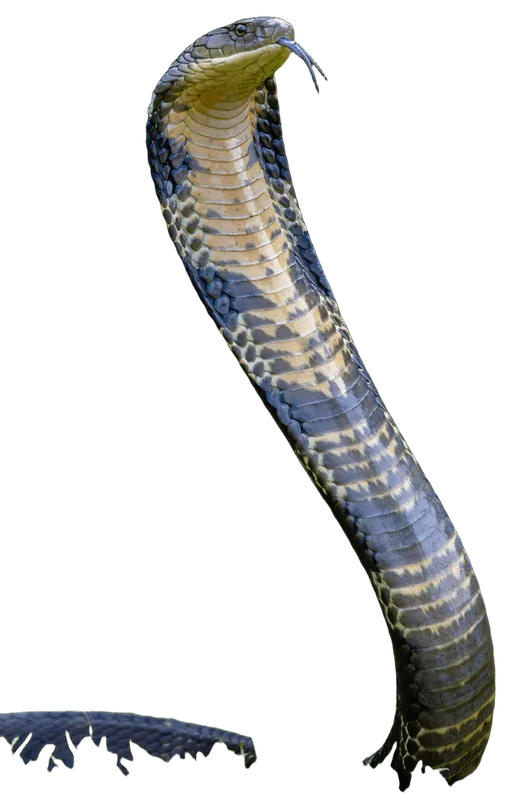 L vs AnacondaLoses · 52% · Toss-up
 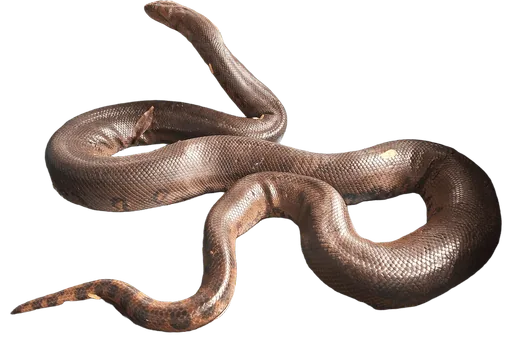 L vs Black MambaWins · 51% · Toss-up
 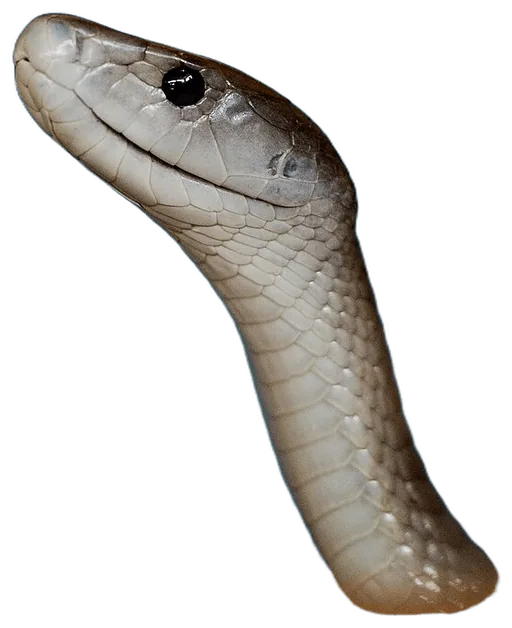 W vs RattlesnakeWins · 52% · Toss-up
  W vs Green AnacondaLoses · 52% · Toss-up
  L vs LynxLoses · 50% · Toss-up
  L vs OtterWins · 50% · Toss-up
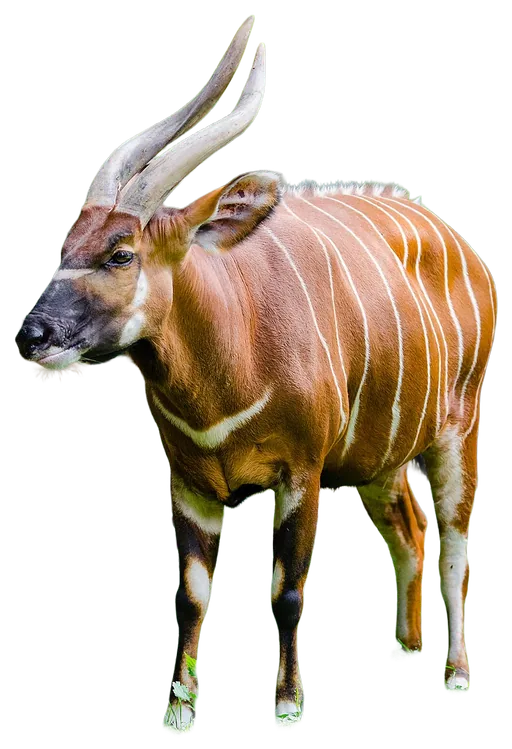
  W vs BongoWins · 50% · Toss-up
  W
W  Pick any opponent
 Gharial battle analysis
The gharial looks like a crocodile that has been stretched. Its snout is long and narrow, lined with about 110 fine interlocking teeth, and it works less like a crusher than like a pair of fishing tongs. Because a thin snout meets little resistance, the gharial can snap it sideways through the water to catch fish, and the teeth lock around slippery prey once they close.
That design comes with a clear cost. When researchers measured the bite of every living crocodilian species, the gharial came last in force. Its jaws cannot crush bone or hold down a struggling large mammal, and the long snout itself becomes a liability against a heavy biter. On land the gharial is slow, so it depends on the river for almost everything except basking and nesting.
In ABS terms the gharial is a crocodilian with most of the body armor but little of the crocodile's killing power. It keeps respectable Defense from its size and armored skin, moderate Agility in water, and a distinctive Special score for its sideways strike, needle-tooth trap and the male's buzzing ghara. Its Attack and Ferocity sit far below the alligator, Nile crocodile and saltwater crocodile, reflecting a specialist that wins against fish and loses most fights against large, heavy-jawed opponents.
Habitat & range
Gharials live in large, deep, flowing rivers with sandbanks on the northern Indian subcontinent. The main surviving populations are in India and Nepal, and the species now occupies only a small part of its former river range.
Diet & hunting
Adults eat mainly fish, which is why the species is also called the fish-eating crocodile. At Smithsonian's National Zoo gharials are fed a variety of fish. Young gharials take smaller aquatic animals. As a fish predator it is part of healthy river food webs.
Social life
Gharials bask together on sandbanks. Mature males display with the ghara and buzzing calls during the breeding season and compete for access to females. Hunting is solitary.
Conservation
The gharial has been listed as Critically Endangered by the IUCN since 2007. Fewer than 900 mature individuals are thought to remain, and numbers have fallen by as much as 98% since the 1940s, driven by hunting for traditional medicine and major changes to river habitat. The Zoological Society of London's EDGE programme lists it as a priority species, and the IUCN Crocodile Specialist Group tracks its protected-area populations.
Quick answers
How strong is a Gharial?
On the Animal Battle Stats scale, the Gharial has an attack rating of 56 and a power index of 55.6 out of 100, which ranks it #89 of 273 animals and puts it in B tier (Strong). Its strongest stat is defense (66).
How much does a Gharial weigh?
A typical adult Gharial weighs about 180 kg (397 lb). Rated specimen: healthy mature adult male with a developed ghara, 180.0 kg and 450.0 cm total length.
How fast is a Gharial?
There is no reliable measured top speed for the Gharial, so we do not publish one. Its agility rating, which covers acceleration, reflexes and evasion, is 50 out of 100.
What does a Gharial eat?
Adults eat mainly fish, which is why the species is also called the fish-eating crocodile. At Smithsonian's National Zoo gharials are fed a variety of fish. Young gharials take smaller aquatic animals. As a fish predator it is part of healthy river food webs.
Is the Gharial endangered?
The Gharial's conservation status is Critically Endangered. The gharial has been listed as Critically Endangered by the IUCN since 2007. Fewer than 900 mature individuals are thought to remain, and numbers have fallen by as much as 98% since the 1940s, driven by hunting for traditional medicine and major changes to river habitat. The Zoological Society of London's EDGE programme lists it as a priority species, and the IUCN Crocodile Specialist Group tracks
What animals can beat a Gharial?
Among its closest rivals, the King Cobra (50%), the Anaconda (52%), the Green Anaconda (52%), the Lynx (50%) would be favored against the Gharial. It would be favored against the Black Mamba, the Rattlesnake, the Otter, the Bongo.
Researched 2026-09-28. Ratings are editorial judgments built from these sources; measurements describe a healthy adult male.
- Smithsonian's National Zoo, gharialteeth, diet, ghara function
- Animal Diversity Web, Gavialis gangeticussize, taxonomy
- National Geographic, gharial factsconservation, decline
- Britannica, gavialidentity, description
- EDGE of Existence (ZSL), gharialghara name origin, conservation priority
- IUCN Crocodile Specialist Group, gharial accountspecies authority context
- Wikipedia, Gharialsize, maturity, population
- Erickson et al., PLOS ONE (2012)bite force
- Live Science, crocodile bite-force featurebite interpretation
- Florida State University press release quotesbite study context
- ScienceDaily, FSU bite-force releasebite study context
- Leitch and Catania, Journal of Experimental Biology (2012)senses
- CrocodileVsAlligator.com bite pagerejected number
Photo: “Chitwan National Park gharial.jpg” by Anuppanthi, CC BY-SA 4.0, background removed and cropped. Original
Suggest a correction