

German Shepherd
Canis familiaris
 #139 of 341
  Forest Fighter Domesticated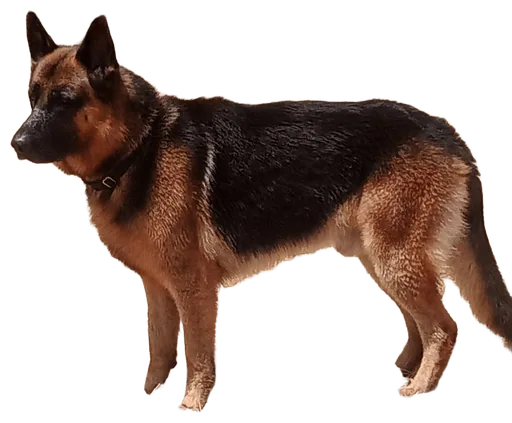
 Fight
FightPhoto: AdlerOny · CC BY-SA 4.0
The German Shepherd is a 35 kg German herding and police dog built to trot all day and to finish a sprint with a hard grip. Measured police dogs reach about 42 km/h in 25 m, but their bite on a sensor sleeve is moderate, so it sits between wild dogs and heavy guardian breeds and is badly outmatched by large predators.
 Attack48
  Defense36
  Agility66
  Stamina72
  Intelligence68
  Special52
 Detailed ratings
Research-backed ratings on one 0–100 scale for all 341 animals (updated 2026-09-28). How ratings work
Special abilities
Ability 1Long Attack StrikeA sprint to about 37–42 km/h ending in a full-mouth grip, with measured accelerations around 7 g and impact decelerations over 11 g. The collision and grip can knock an opponent of similar size off balance.
 Ability 2Scent Tracker
Follows and finds targets by smell in police, military and search-and-rescue work. In a matchup this helps it locate and follow an opponent rather than add damage.
Unique traits
 TraitTireless Trotter
The FCI standard defines the GSD as a trotter built for a smooth, ground-covering gait and ties correct angulation directly to stamina.
TraitVon Stephanitz Working DogFounded in 1899 around Horand von Grafrath with a breed club that put working ability first; it became one of the world's most numerous and most widely used service breeds.
How it fights
Weapons
- The weapon is the canid bite. Police and protection dogs are trained to run in, take a full grip and hold. The Finnish sleeve study shows what that looks like in numbers: a sprint to about 37–42 km/h, a peak acceleration around 7 g, a deceleration spike over 11 g on impact, and a median bite of about 360 N on the sleeve. The impact is a large part of the effect, but the measured grip itself is far lower than internet figures suggest.
 Struggles vs
- No armor; a single bite weapon.
- Measured functional bite force is moderate.
- Common hip, elbow and spinal problems in the population.
- Far outmatched by bears, big cats and large ungulates.
- Weight
- 35 kg77 lb
- Height
- 63 cm24.8 in
- Length
- 71 cm28 in
- Top speed
- 42 km/h26 mph
- Bite force
- No reliable measurement
- Lifespan
- 10.3 years
- Home biome
- Forest
- Lifestyle
- Social
Rated specimen: Healthy adult male working dog, 35.0 kg, 63.0 cm at the withers.
Fun facts
- Horand von Grafrath, bought at a dog show in 1899, was the first dog in the German Shepherd breed register.
- In Britain the breed was long called the Alsatian.
- In a Finnish study, police German Shepherds hit about 42 km/h within 25 m before biting.
- The same study found their median bite on a sensor sleeve was about 360 N, "lower than generally assumed".
- The FCI standard describes the German Shepherd as a trotter and warns that too much hind angulation reduces stamina.
- VetCompass UK recorded a median lifespan of 10.3 years for the breed.
Closest rivals by power. Tap one for the full breakdown, or pick any opponent.
vs ImpalaWins · 50% · Toss-up 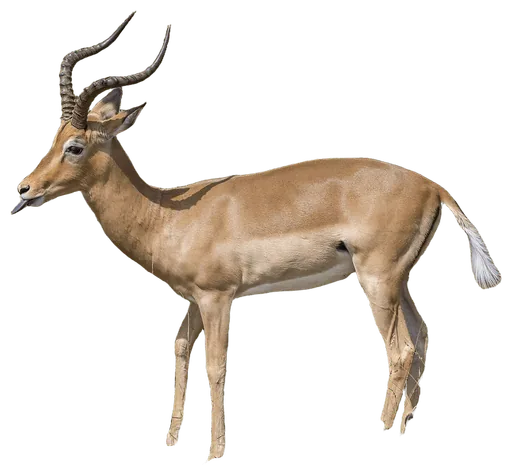 W vs BonoboLoses · 50% · Toss-up
 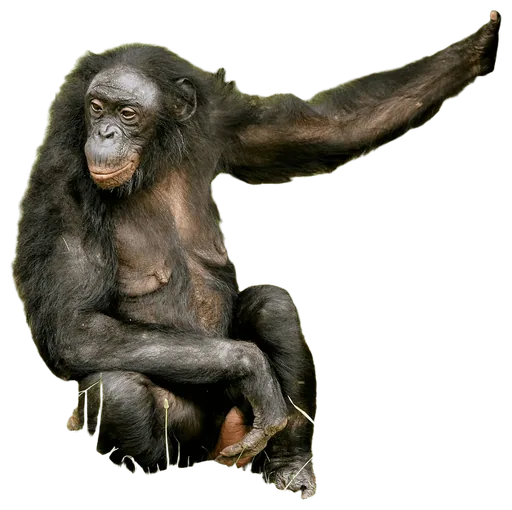 L vs African Wild DogLoses · 50% · Toss-up
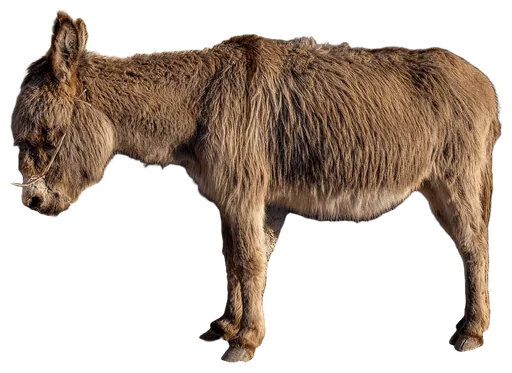
 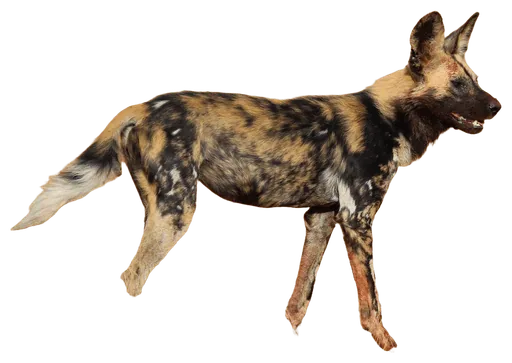 L vs DonkeyLoses · 50% · Toss-up
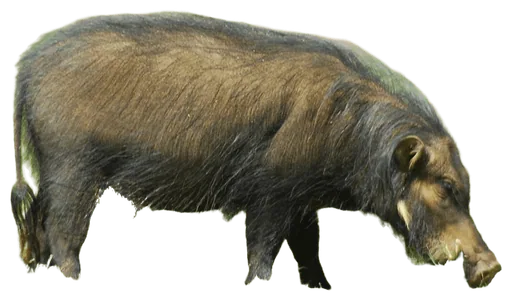
  L vs Giant Forest HogLoses · 50% · Toss-up
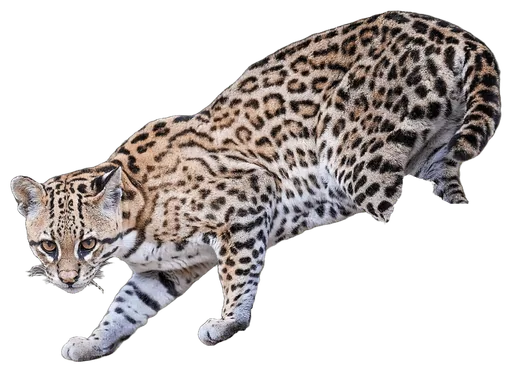
  L vs OcelotWins · 51% · Toss-up
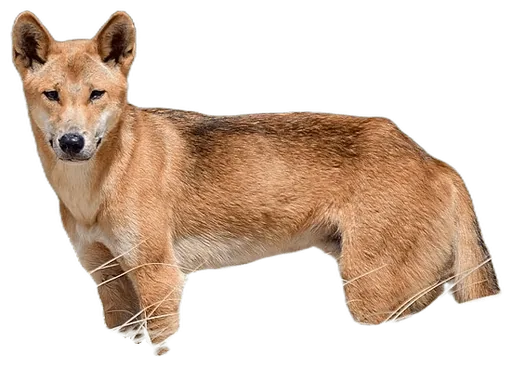
  W vs DingoWins · 51% · Toss-up
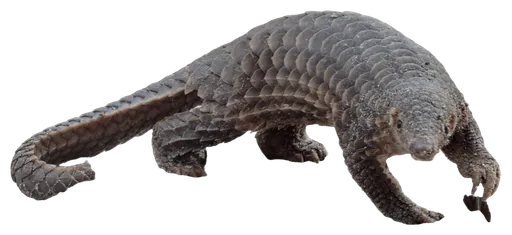
  W vs PangolinLoses · 51% · Toss-up
  L
L  Pick any opponent
 German Shepherd battle analysis
The German Shepherd was created in Germany from 1899, when cavalry officer Max von Stephanitz registered Horand von Grafrath as the first dog of a new breed meant to be the ideal working shepherd. A fit working male weighs about 35 kg and stands about 63 cm tall, and the breed standard describes it as a trotter whose build is judged by how well it holds up over a long working day.
Today it is best known as a police and military dog. Finnish researchers measured police German Shepherds sprinting 25 m and biting a sleeve fitted with force sensors. The dogs reached up to 42 km/h and hit with accelerations of around 7 g, but their median bite force was about 360 N, roughly the grip of an elderly man's hand. The shock of the collision matters as much as the jaws.
On the absolute scale that places it above dingoes and coyotes in attack but below the 50 kg Kangal, Rottweiler and Gray Wolf. Its trained control, stamina and nose make it a capable all-rounder, but it has no armor and a population prone to hip and spine problems, and it is far too small to stand up to bears, big cats or large hoofed animals.
Habitat & range
A domestic breed kept worldwide in homes, farms, police and military kennels. It originated in Germany.
Diet & hunting
Fed by its owners on commercial dog food, meat and household scraps.
Social life
Bonds closely with its handler or family and is watchful toward strangers. Stanley Coren ranked it second among breeds most likely to bark as watchdogs (via Wikipedia).
Conservation
Not applicable as a wild species; it is a Domesticated breed. VetCompass data show GSD numbers declining in the UK, from 3.5% of the 2005 birth cohort to 2.2% in 2013.
Quick answers
How strong is a German Shepherd?
On the Animal Battle Stats scale, the German Shepherd has an attack rating of 48 and a power index of 53 out of 100, which ranks it #139 of 341 animals and puts it in B tier (Strong). Its strongest stat is stamina (72).
How much does a German Shepherd weigh?
A typical adult German Shepherd weighs about 35 kg (77 lb). Rated specimen: healthy adult male working dog, 35.0 kg, 63.0 cm at the withers.
How fast is a German Shepherd?
The German Shepherd's top speed is about 42 km/h (26 mph). Its agility rating is 66 out of 100.
What does a German Shepherd eat?
Fed by its owners on commercial dog food, meat and household scraps.
Is the German Shepherd endangered?
The German Shepherd's conservation status is Domesticated. Not applicable as a wild species; it is a Domesticated breed. VetCompass data show GSD numbers declining in the UK, from 3.5% of the 2005 birth cohort to 2.2% in 2013.
What animals can beat a German Shepherd?
Among its closest rivals, the Bonobo (50%), the African Wild Dog (50%), the Donkey (50%), the Giant Forest Hog (50%), the Pangolin (51%) would be favored against the German Shepherd. It would be favored against the Impala, the Ocelot, the Dingo.
Researched 2026-09-28. Ratings are editorial judgments built from these sources; measurements describe a healthy adult male.
- FCI Standard No. 166, German Shepherd Dogsize, proportions, gait
- Hyytiäinen et al. (2021), Animals, Reliability of a New Bite Force Measure and Biomechanics of Modified Long Attack in Police Dogsbite force, speed, body size
- O'Neill et al. (2017), Demography and disorders of German Shepherd Dogs under primary veterinary care in the UKlifespan, aggression prevalence
- Wikipedia, German Shepherdhistory, lifespan studies, TV bite figures, health
- AKC, German Shepherd Dogsize summary
- McMillan et al. (2024), Scientific Reports, Longevity of companion dog breedslifespan comparison
- Lindner et al. (1995), Measurement of bite force in dogs: a pilot studydog bite force context
- Ellis et al. (2008), Journal of Anatomydog bite force context
- Hebdon et al. (2025), Science Advances, Dog skull shape and performance specializationskull shape of bite-work breeds
Photo: “Adler (68451).jpg” by AdlerOny, CC BY-SA 4.0, background removed and cropped. Original
Suggest a correction