
Gazelle
Gazella dorcasC tier · Capable111th of 163 mammals
Size & speed

- Weight
- 16.5 kg36 lb
- Length
- 95.5 cm37.6 in
As heavy as 3.7 house cats
Heavier than 52% of animalsAbout 3.2 rulers long
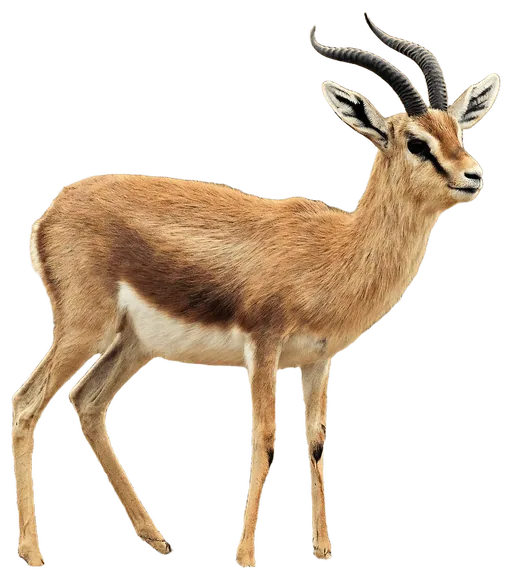
Bigger than 43% of animalsThe Dorcas gazelle is a lightweight desert escape specialist. A representative mature male weighs about 16.5 kg and carries 25–28 cm curved horns, but its real battle advantage is evasive mobility rather than raw force. Keen visual detection, stotting signals, flexible activity timing and desert water economy help it survive open, harsh terrain where a caught gazelle has little armor to fall back on.
Detailed ratings
Research-backed ratings on one 0–100 scale for all 344 animals (updated 2026-09-27). How ratings work


Card No. 191 of 344. Every animal on Animal Battle Stats has one: its power, tier and archetype on the front; its six battle stats, abilities and signature move on the back.
Special abilities
High bouncing leaps, tail movements and alarm signaling advertise predator detection and can coordinate escape, making a surprise follow-up harder once the gazelle has identified danger.
Succulent browse and heat-avoidance behavior sharply reduce dependence on frequent drinking, allowing useful performance across arid landscapes, while controlled deprivation experiments show this is not unlimited dehydration resistance.
Unique traits
Mature males carry strongly curved, annulated 25–28 cm horns suited to frontal rivalry and close deterrence.
Activity can shift from daytime toward crepuscular or nocturnal periods as heat or human pressure increases, reducing exposure to environmental and predation risk.
How it fights
Weapons
- The principal weapon is the male's pair of 25–28 cm ringed horns. They provide reach for frontal hooking, fencing and thrusting during territorial conflict. The narrow head and mobile neck allow directional horn use, but the weapon system is attached to a lightweight 16.5 kg body and cannot be calibrated like the horns of a large antelope, buffalo or bovine. Hooves and body checks are secondary tools.
- Weight
- 16.5 kg36 lb
- Height
- 60 cm23.6 in
- Length
- 95.5 cm37.6 in
- Top speed
- No reliable measurement
- Bite force
- No reliable measurement
- Lifespan
- 12.5 years
- Home biome
- Savanna
- Lifestyle
- Social
Rated specimen: Healthy mature male, 16.5 kg.
Fun facts
- Male horns are typically about 25–28 cm long and can carry 20–24 annular rings.
- Dorcas gazelles can shift toward nocturnal activity when heat or human pressure becomes severe.
- They may stand on the hind legs to reach browse and dig bulbs from desert soil after seasonal changes.
- Their stotting display combines bouncing leaps with other visual signals after a predator is detected.
- A classic water-deprivation experiment showed that their desert reputation has limits: dry food without water caused severe mass loss and summer mortality.
- A 2023 Tunisian camera study found individual Dorcas gazelles using areas exceeding 1,500–2,000 hectares by minimum-convex-polygon estimates.
Closest rivals by power. Tap one for the full breakdown, or pick any opponent.
vs Red FoxWins · 55% · Toss-up 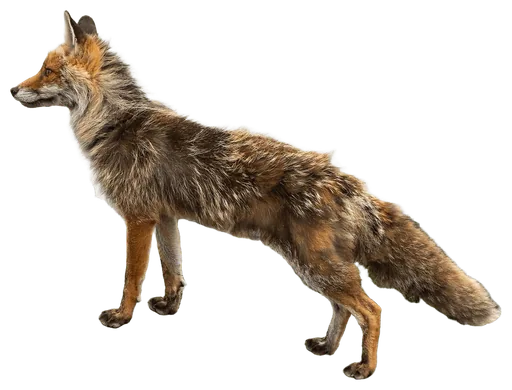 W vs FisherWins · 57% · Toss-up
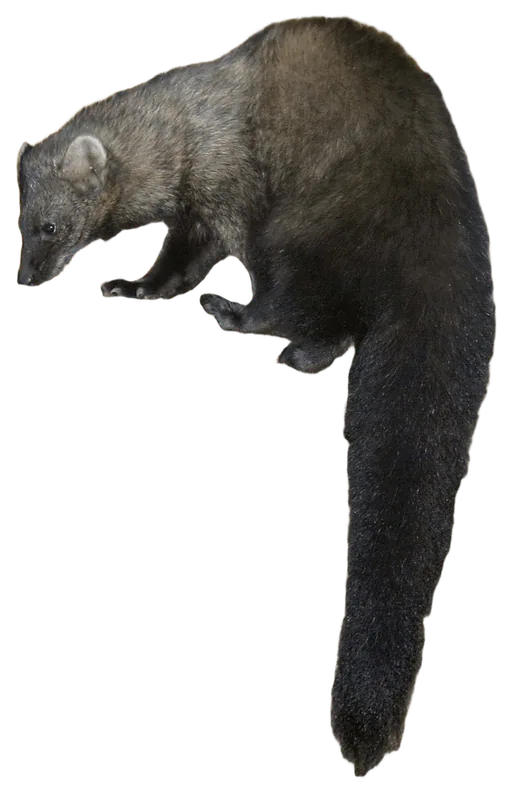 W vs BeaverLoses · 52% · Toss-up
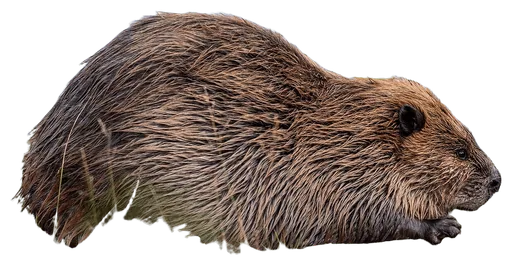 L vs BobcatWins · 52% · Toss-up
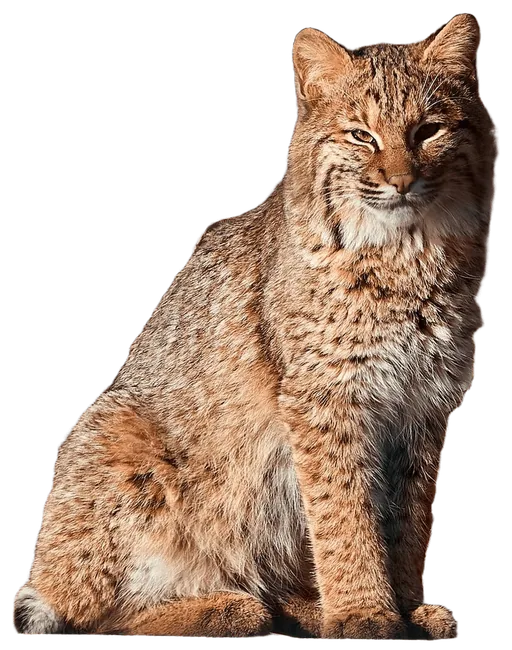 W vs GuanacoLoses · 60% · Slight edge
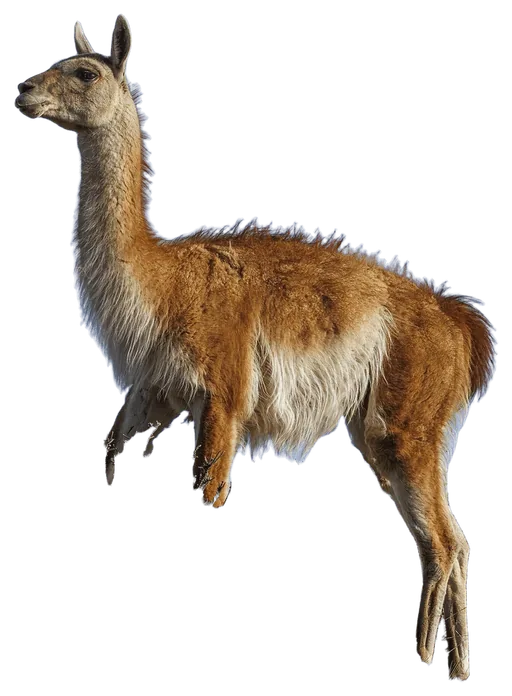 L vs American Pit Bull TerrierLoses · 53% · Toss-up
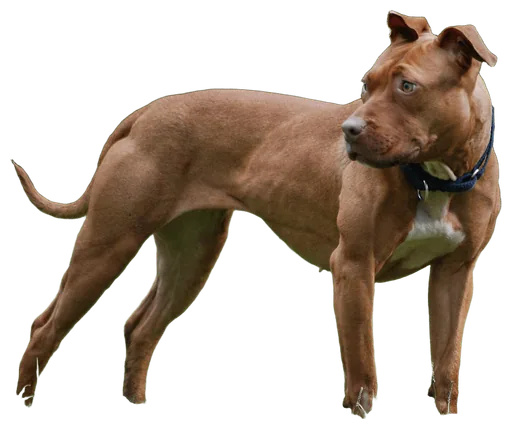 L vs GibbonWins · 54% · Toss-up
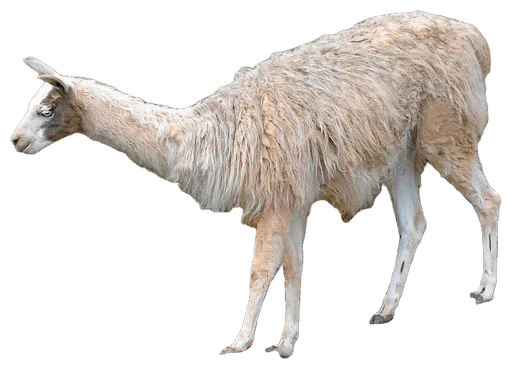
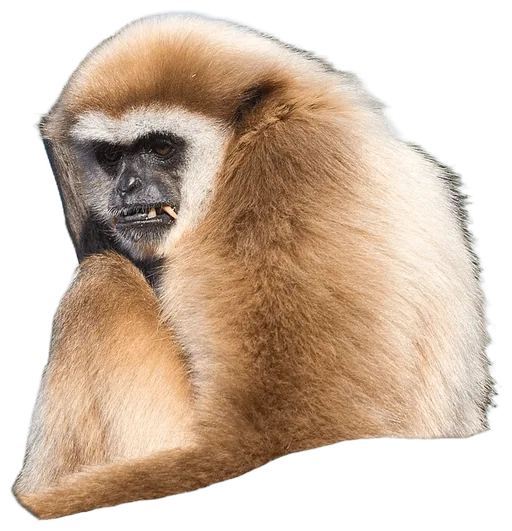 W vs LlamaLoses · 64% · Slight edge
 L
Gazelle battle analysis
A Dorcas gazelle wins by refusing the kind of fight that favors heavier animals. Its body is built around low mass, long limbs, balance and rapid escape. The male's curved horns are legitimate weapons and matter greatly against another gazelle, yet the absolute-scale ABS system cannot treat a 16.5 kg horned antelope like a buffalo or elk. Once a much larger predator closes and secures contact, the gazelle's lack of armor becomes decisive.
Its strongest defensive layer exists before impact. Open-country eyesight, alarm behavior and stotting help convert early detection into distance. Flexible activity schedules add another layer: in extreme heat or heavy human pressure, Dorcas gazelles can shift activity into cooler or darker periods. These behaviors belong in Agility, Senses, Tactics and Special rather than being mislabeled as physical Defense.
Desert physiology also needs careful calibration. Popular summaries sometimes say Dorcas gazelles never need to drink, but controlled work showed that animals maintained on dry food without water lost mass steadily and failed rapidly under extreme summer heat. The biologically grounded conclusion is stronger and more interesting: succulent browse can provide much of their water budget, and behavior minimizes water/heat stress, but they are not somehow dehydration-proof.
Habitat & range
Dorcas gazelles occupy arid and semi-arid northern Africa and adjoining southwestern Palearctic areas. ADW records savannas, semi-deserts, dune fields, consolidated dunes and wadis. Modern zoo/conservation summaries emphasize the Saharan belt from Morocco eastward to Egypt and additional regional populations. Exact range boundaries and subspecies treatments vary among taxonomic sources.
Diet & hunting
The species browses leaves, flowers and pods of Acacia and consumes fruits, leaves, stems, seeds, roots and bulbs depending on season and locality. Negev research documents concentrated foraging on Pancratium sickenbergeri, including digging for bulbs in summer and using fresh leaves after winter rains. Dorcas gazelles also disperse seeds, including Acacia.
Social life
Social organization changes with environmental severity. Animals may occur in pairs under harsh conditions, family groups with one or two males and several females/young when resources permit, and bachelor groups. Breeding males defend territories and use dung middens as scent/visual markers.
Conservation
The Dorcas gazelle is treated as Vulnerable in the IUCN assessment cited by major zoological institutions, with populations declining from hunting/poaching, habitat degradation, agriculture, overgrazing and drought. Protected areas and managed breeding programs remain important. Some institutional pages report differing global abundance estimates, so this report does not promote a single current population number without a fresh range-wide assessment.
Quick answers
How strong is a Gazelle?
On the Animal Battle Stats scale, the Gazelle has an attack rating of 32 and a power index of 49.5 out of 100, which ranks it #191 of 344 animals and puts it in C tier (Capable). Its strongest stat is agility (90).
How much does a Gazelle weigh?
A typical adult Gazelle weighs about 16.5 kg (36 lb). Rated specimen: healthy mature male, 16.5 kg.
How fast is a Gazelle?
There is no reliable measured top speed for the Gazelle, so we do not publish one. Its agility rating, which covers acceleration, reflexes and evasion, is 90 out of 100.
What does a Gazelle eat?
The species browses leaves, flowers and pods of Acacia and consumes fruits, leaves, stems, seeds, roots and bulbs depending on season and locality. Negev research documents concentrated foraging on Pancratium sickenbergeri, including digging for bulbs in summer and using fresh leaves after winter rains. Dorcas gazelles also disperse seeds, including Acacia.
Is the Gazelle endangered?
The Gazelle's conservation status is Vulnerable. The Dorcas gazelle is treated as Vulnerable in the IUCN assessment cited by major zoological institutions, with populations declining from hunting/poaching, habitat degradation, agriculture, overgrazing and drought. Protected areas and managed breeding programs remain important. Some institutional pages report differing global abundance estimates, so this report does not promote a single current p
What animals can beat a Gazelle?
Among its closest rivals, the Beaver (52%), the Guanaco (60%), the American Pit Bull Terrier (53%), the Llama (64%) would be favored against the Gazelle. It would be favored against the Red Fox, the Fisher, the Bobcat, the Gibbon.
Researched 2026-09-27. Ratings are editorial judgments built from these sources; measurements describe a healthy adult male.
- Animal Diversity Web, Gazella dorcastaxonomy, mass, dimorphism, horns, behavior, diet, predators, reproduction, longevity
- Mahgoub et al., Scientific Reports 2022morphometrics and geographic variation
- SeaWorld/United Parks Dorcas gazelle factsdimensions, longevity, conservation context
- Marwell Zoo Dorcas gazelledimensions, ecology, threats, life history
- Ghobrial & Cloudsley-Thompson, Nature 1966dehydration limits
- Cloudsley-Thompson & Ghobrial, Nature 1965water-economy research context
- Meliane et al., Journal of Wildlife Management 2023wild activity and space use
- UCSD Comparative Placentationreproduction/longevity context
- Commons image pageimage taxon, provenance, reuse
- Flickr Rosa Gamboias adult maleimage comparison only
Photo: “Maroccan dorcas gazelle (Gazella dorcas massaesyla).jpg” by Charles J. Sharp, CC BY-SA 4.0, background removed and cropped. Original
Suggest a correction