
Galapagos Tortoise
Chelonoidis nigerB tier · Strong17th of 39 reptiles
Size & speed

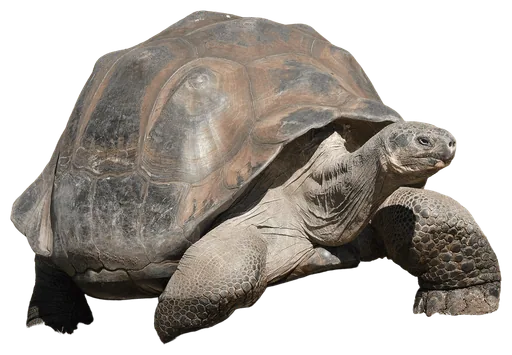
- Weight
- 102 kg225 lb
- Length
- 1.1 m3.6 ft
- Top speed
- 0 km/h0 mph
About as heavy as a person
Heavier than 72% of animalsAbout 3.7 rulers long
Bigger than 50% of animalsSlower than a walk (5 km/h)
The slowest animal on the siteA century-lived Galápagos giant tortoise is a slow-moving defensive specialist. A representative adult male weighs about 100 kg, carries an integrated bony shell, and can outlast harsh resource shortages and seasonal journeys, but it has little speed or specialized offensive weaponry. Its battle value comes from denying access to the trunk, bracing behind mass and armor, and simply remaining functional far longer than its pace suggests.
Detailed ratings
Research-backed ratings on one 0–100 scale for all 344 animals (updated 2026-09-27). How ratings work


Card No. 149 of 344. Every animal on Animal Battle Stats has one: its power, tier and archetype on the front; its six battle stats, abilities and signature move on the back.
Special abilities
Retracts vulnerable head and forelimbs behind a large integrated bony carapace, sharply reducing accessible soft-tissue targets against many smaller attackers.
Slow metabolism, large energy/water reserves and giant-body buffering allow prolonged fasting and sustained seasonal travel at low output when faster animals would need more frequent refueling.
Unique traits
The shell is part of the skeleton, with ribs integrated into the protective structure rather than an external “house” the animal can leave.
Large Galápagos tortoises can perform seasonal altitudinal migrations driven by vegetation dynamics, an unexpectedly large-scale movement strategy for such a slow ectotherm.
How it fights
Weapons
- A giant tortoise is a poor damage dealer for its mass. It can shove with a 100+ kg body, brace behind a rigid shell, nip with its keratinous beak, and use shell contact in close contests. Large males establish dominance largely through neck-raising contests, in which height/reach and persistence matter. This is displacement-oriented combat, not a high-speed ramming or killing system.
- Weight
- 102 kg225 lb
- Height
- No reliable measurement
- Length
- 1.1 m3.6 ft
- Top speed
- 0 km/h0 mph
- Bite force
- No reliable measurement
- Lifespan
- 100 years
- Home biome
- Desert
- Lifestyle
- Social
Rated specimen: Healthy, mature, large-bodied male, using the well-measured western Santa Cruz tortoise Chelonoidis porteri as the representative morphometric proxy.
Fun facts
- The Galápagos Islands take their famous name from the giant tortoises.
- Large individuals can migrate more than 10 km in annual linear displacement despite moving at a famously slow walking pace.
- A seed-dispersal study found more than 45 plant species represented in tortoise dung.
- Giant-tortoise genomes contain duplicated or modified genes associated with tumor suppression and anti-aging pathways.
- The shell is fused into the skeleton; a tortoise cannot crawl out of it.
- Body size predicts migration tendency: the largest tracked individuals were especially likely to migrate.
Closest rivals by power. Tap one for the full breakdown, or pick any opponent.
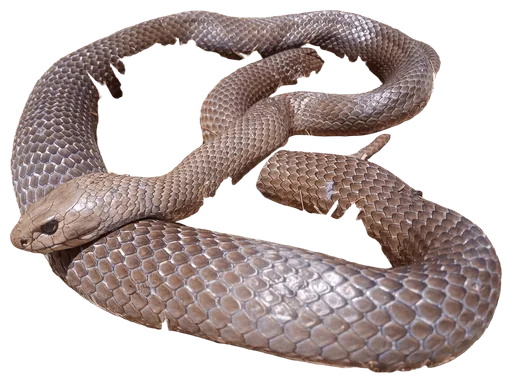
vs Inland TaipanWins · 72% · Clear edge  W vs Eastern Brown SnakeWins · 75% · Clear edge
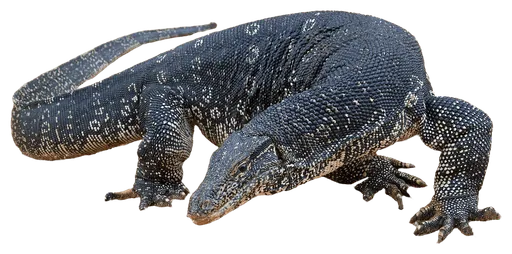
 W vs Monitor LizardWins · 58% · Slight edge
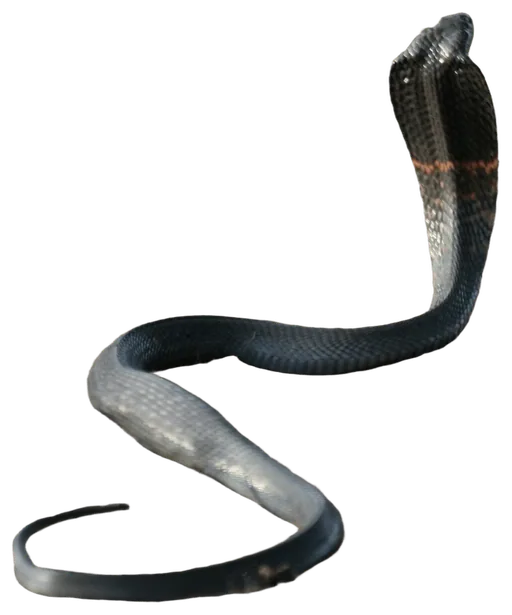
 W vs Black-necked Spitting CobraWins · 72% · Clear edge
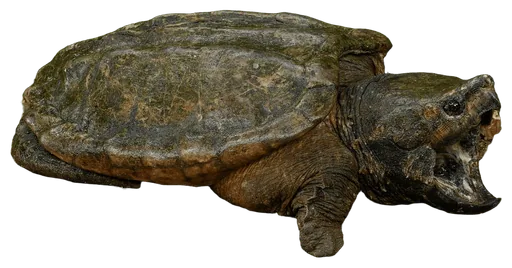
 W vs Alligator Snapping TurtleWins · 56% · Toss-up
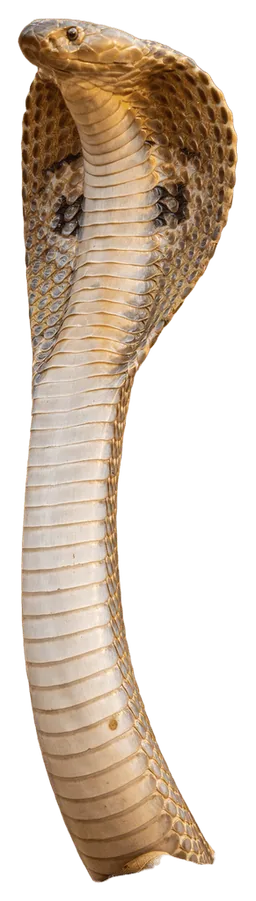
 W vs Indian CobraWins · 73% · Clear edge
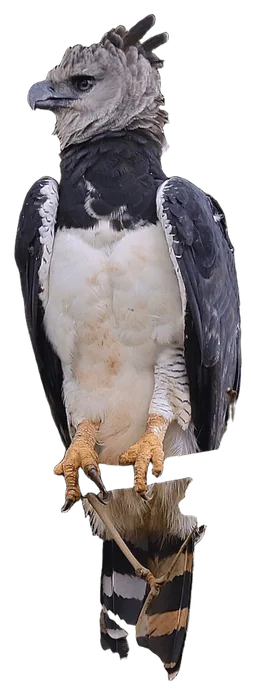
 W vs Harpy EagleWins · 64% · Slight edge
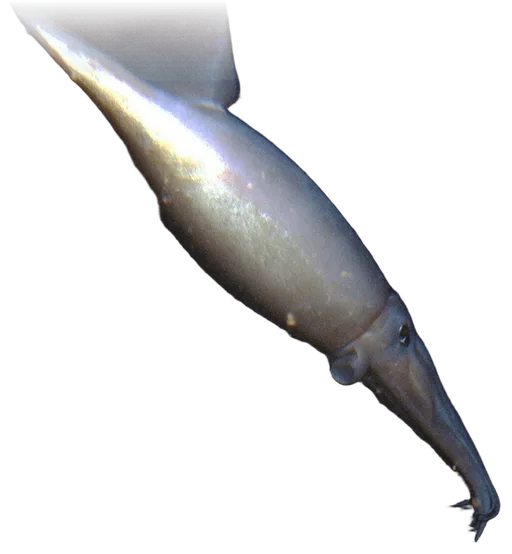
 W vs Humboldt SquidWins · 58% · Slight edge
 W
Galapagos Tortoise battle analysis
The Galápagos giant tortoise is a tank in the literal biological sense: most of its combat relevance is structural rather than aggressive. The carapace and plastron turn the torso into a difficult target, while thick limbs support a body that can exceed 100 kg in ordinary adult males and become far larger in exceptional island populations. Against a small attacker, this architecture can be decisive because the attacker must find the head, neck, limbs or underside rather than simply biting the trunk.
That protection comes with an enormous mobility cost. A tortoise cannot sprint after an opponent or dodge repeated attacks. Its normal movement is measured in fractions of a meter per second. Yet calling it “low stamina” because it is slow would be a category error. GPS studies show seasonal migration over kilometers, and the animal's slow metabolism, body reserves and resource tolerance make it an endurance specialist at low intensity.
Its offense is correspondingly modest. Male-male contests emphasize height, neck extension, pushing and persistence rather than high-damage weapons. The beak can nip and the shell/body can shove, but neither should be calibrated like a carnivore's bite, a bovid horn set or an elephant's tusks. This creates an unusual ABS profile: strong Defense and Stamina, very low Agility, moderate-low Attack, and a meaningful Special score rooted in shell architecture and physiological resilience.
Habitat & range
Endemic to the Galápagos archipelago, Ecuador. Different island populations occupy dry lowlands, shrubland, grassland, humid highlands and volcanic terrain. Morphology tracks ecology: domed forms are associated with more productive habitats and low vegetation, while saddleback forms provide greater anterior neck clearance in arid habitats where food may be higher off the ground.
Diet & hunting
Primarily herbivorous, eating grasses, leaves, cactus pads/fruits and other vegetation. Galápagos tortoises are major ecosystem engineers. A seed-dispersal study found intact seeds from more than 45 plant species in dung; tortoises averaged 464 seeds per dung pile and moved seeds hundreds of meters during typical gut-retention periods, with a recorded potential movement of 4,355 m over the longest retention interval.
Social life
Adults are often dispersed but aggregate at resources and breeding areas. Dominance interactions are strongly size/posture based. Sexual maturity is late, roughly two decades or more in institutional summaries. Females lay clutches in excavated nests; hatchlings and juveniles lack the near-invulnerability to many threats enjoyed by giant adults.
Conservation
Conservation status varies by island taxon, and several island taxa are Endangered or Critically Endangered while some historical island populations are extinct. Major historical pressures included exploitation by sailors and introduced mammals. Captive breeding, invasive-species control, habitat restoration and reintroduction have rebuilt several populations.
Quick answers
How strong is a Galapagos Tortoise?
On the Animal Battle Stats scale, the Galapagos Tortoise has an attack rating of 31 and a power index of 52.5 out of 100, which ranks it #149 of 344 animals and puts it in B tier (Strong). Its strongest stat is stamina (80).
How much does a Galapagos Tortoise weigh?
A typical adult Galapagos Tortoise weighs about 102 kg (225 lb). Rated specimen: healthy, mature, large-bodied male, using the well-measured western Santa Cruz tortoise Chelonoidis porteri as the representative morphometric proxy.
How fast is a Galapagos Tortoise?
The Galapagos Tortoise's top speed is about 0 km/h (0 mph). Its agility rating is 17 out of 100.
What does a Galapagos Tortoise eat?
Primarily herbivorous, eating grasses, leaves, cactus pads/fruits and other vegetation. Galápagos tortoises are major ecosystem engineers. A seed-dispersal study found intact seeds from more than 45 plant species in dung; tortoises averaged 464 seeds per dung pile and moved seeds hundreds of meters during typical gut-retention periods, with a recorded potential movement of 4,355 m over the longest retention interval.
Is the Galapagos Tortoise endangered?
The Galapagos Tortoise's conservation status is Endangered. Conservation status varies by island taxon, and several island taxa are Endangered or Critically Endangered while some historical island populations are extinct. Major historical pressures included exploitation by sailors and introduced mammals. Captive breeding, invasive-species control, habitat restoration and reintroduction have rebuilt several populations.
What animals can beat a Galapagos Tortoise?
The Galapagos Tortoise is favored against all of its closest rivals, including the Inland Taipan, the Eastern Brown Snake, the Monitor Lizard, the Black-necked Spitting Cobra, the Alligator Snapping Turtle, the Indian Cobra, the Harpy Eagle, the Humboldt Squid.
Researched 2026-09-27. Ratings are editorial judgments built from these sources; measurements describe a healthy adult male.
- Nieto-Claudín et al., Conservation Physiology (2021)canonical mass, CCL, sex dimorphism
- San Diego Zoo, Galápagos Giant Tortoisecomplex-wide size, speed, maturity, shell, diet, fasting
- Blake et al., Journal of Animal Ecology (2013)migration, body-size effects
- Bastille-Rousseau et al., Journal of Animal Ecology (2016)movement scaling
- Blake et al., Journal of Biogeographyseed dispersal/ecosystem role
- USGS, “Movement ecology”movement synthesis
- Quesada et al. / Yale summarylongevity mechanisms
- Glaberman et al., Genome Biology and Evolution (2021)anti-aging/tumor suppression
- Nieto-Claudín et al., Conservation Physiology (2018)cross-population morphometric context
- Wikimedia Commons source photographimage provenance
Photo: “Galapagos giant tortoise Geochelone elephantopus.jpg” by Mfield , Matthew Field, http://www.photography.mattfield.com, CC BY-SA 3.0, background removed and cropped. Original
Suggest a correction