

Fossa
Cryptoprocta ferox
 #141 of 273
  Jungle Assassin Vulnerable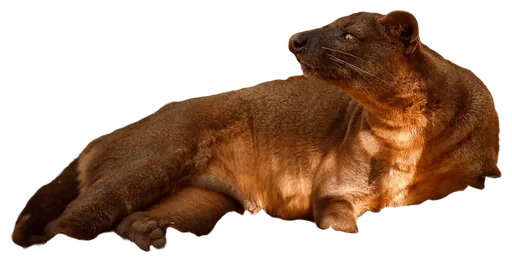
 Fight
FightPhoto: Rod Waddington · CC BY-SA 2.0
The fossa is Madagascar's top predator, a sleek, muscular 8 kg carnivore that hunts lemurs on the ground and high in the canopy. Rotating ankles let it run down trunks head-first, and sharp claws and a strong bite make it deadly to prey its own size, but its small mass limits it against larger fighters.
 Attack37
  Defense24
  Agility89
  Stamina62
  Intelligence66
  Special70
 Detailed ratings
Research-backed ratings on one 0–100 scale for all 273 animals (updated 2026-09-28). How ratings work
Special abilities
Ability 1Head-First DescentHighly flexible ankles rotate so the fossa can run down tree trunks head-first and leap between branches, letting it chase prey through the canopy and down to the ground without breaking contact.
 Ability 2Canopy Ambush Grapple
It seizes lemurs with sharp semi-retractile claws and grasping forelimbs, pins them and kills with a head or neck bite; it is the only native predator able to take the largest living lemurs.
Unique traits
 TraitMadagascar's Top Carnivore
The largest native carnivore on Madagascar and the main predator of lemurs, with lemurs making up the largest share of its diet.
TraitMating-Tree GatheringsFemales mate on traditional mating trees where several males gather, and some males form lasting associations that can include hunting together.
How it fights
Weapons
- The fossa is a compact, muscular carnivore built to kill primates about its own size. It seizes prey with its forelimbs and sharp semi-retractile claws, pins it, and kills with a bite to the head or neck. Its prey list is dominated by lemurs: diet studies in western Madagascar found vertebrates make up the great majority of the diet, with lemurs the largest share, alongside tenrecs, rodents, reptiles and birds. It is the only native predator able to kill the largest living lemurs, such as sifakas.
 Struggles vs
- Only about 8 kg; lacks the mass to overpower medium or large predators.
- No armor or thick hide.
- Bite and claw offense requires close contact.
- Much less effective in open ground with no trees to use.
- Weight
- 8 kg18 lb
- Height
- 37 cm14.6 in
- Length
- 75 cm29.5 in
- Top speed
- No reliable measurement
- Bite force
- No reliable measurement
- Lifespan
- 15 years
- Home biome
- Jungle
- Lifestyle
- Mostly solitary
Rated specimen: Healthy mature adult male of about 8.0 kg, head-body about 75 cm with a tail of similar length.
Fun facts
- The fossa is Madagascar's largest native carnivore.
- It can climb down trees head-first thanks to ankles that rotate.
- Lemurs make up the largest share of its diet in field studies.
- Three males were once watched hunting a single sifaka together for about 45 minutes.
- Young females temporarily look male before changing as they mature.
- Females mate on traditional "mating trees" where several males gather.
Closest rivals by power. Tap one for the full breakdown, or pick any opponent.
vs PlatypusWins · 50% · Toss-up 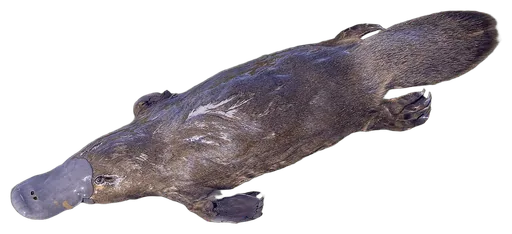 W vs CheetahLoses · 50% · Toss-up
 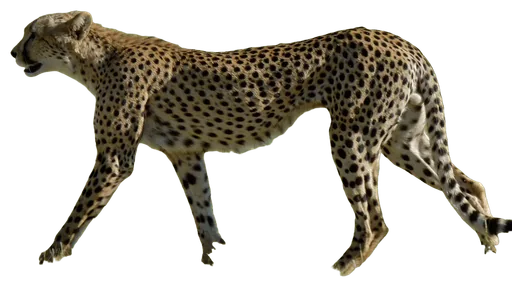 L vs Japanese MacaqueWins · 50% · Toss-up
 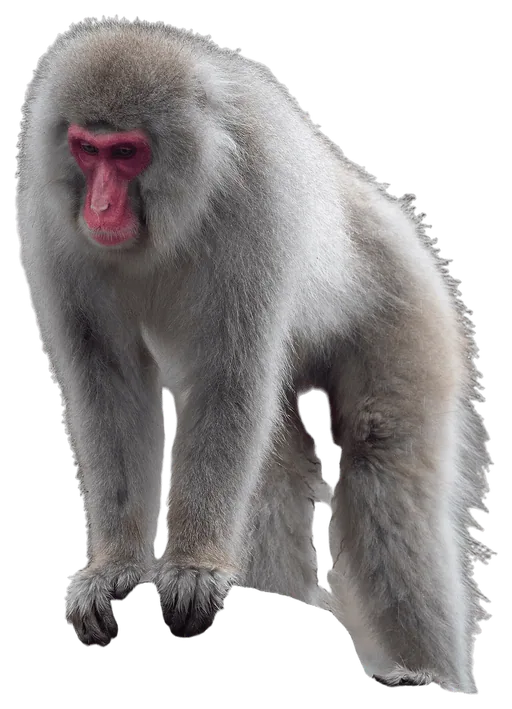 W vs Giant PandaWins · 50% · Toss-up
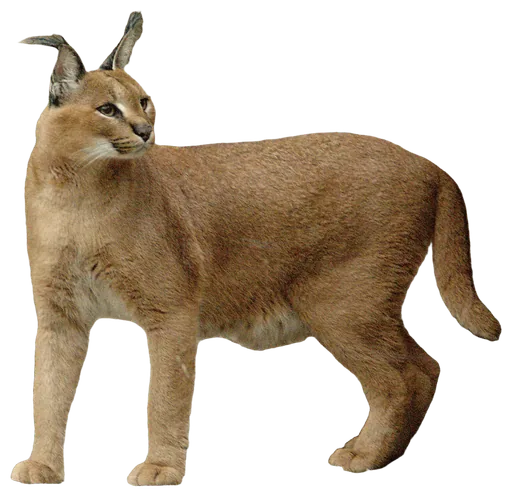
  W vs CaracalWins · 50% · Toss-up
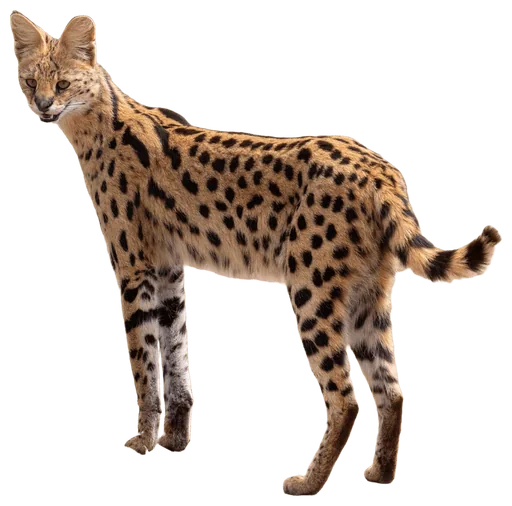
  W vs ServalWins · 50% · Toss-up
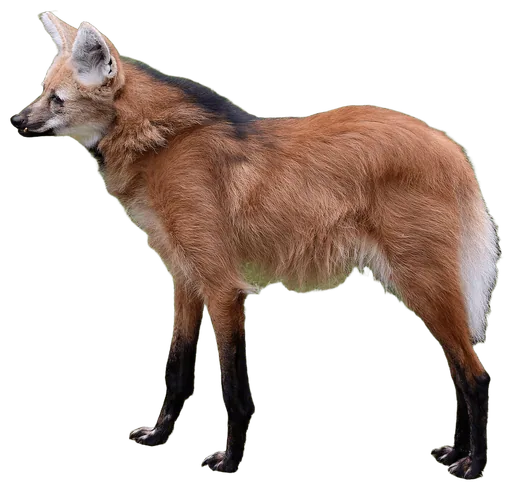
  W vs Maned WolfWins · 51% · Toss-up
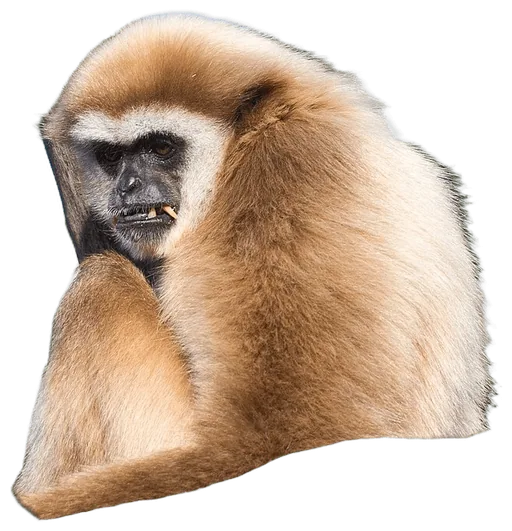
  W vs GibbonWins · 51% · Toss-up
  W
W  Pick any opponent
 Fossa battle analysis
The fossa looks like a cross between a small cougar and a mongoose, with a long, low body, short dense coat, big forward-facing eyes and a tail as long as the rest of it. A mature male weighs about 8 kg. On Madagascar, where there are no native cats or dogs, it fills the role of the island's main predator, and its favourite prey is the lemur.
What sets the fossa apart in a fight is where it can fight. Its ankles rotate so it can run down a trunk head-first, it leaps between branches using the tail for balance, and it grips with sharp semi-retractile claws. That lets it follow a sifaka through the canopy, seize it with its forelimbs and finish it with a bite. Some males go further and hunt in small teams, a rare behavior for a mostly solitary carnivore.
On the absolute roster scale, though, the fossa is still a small animal. It has no armor, limited mass, and its weapons all require close contact. It rates near the top for agility and canopy control, alongside the ocelot and just below the clouded leopard, while its Attack and Defense stay in the small-carnivore band well below leopards and other big cats.
Habitat & range
The fossa lives only on Madagascar. It occurs across the island's forest types, from humid eastern rainforest to dry deciduous forest in the west and spiny forest in the south, and from sea level into the mountains. It also moves through degraded forest near villages, as tracking in Ankarafantsika National Park has shown.
Diet & hunting
A carnivore that eats mostly vertebrates. Lemurs are the largest part of the diet at studied sites, with tenrecs, rodents, reptiles, birds and occasionally domestic poultry also taken. Field estimates from western Madagascar suggest fossa predation removes a notable share of local sifaka and mouse lemur populations each year, making it an important pressure on lemur communities.
Social life
Mostly solitary. Males use larger home ranges than females, and their ranges overlap more with other males. Some males form stable associations with one or two other males, and cooperative hunting by males has been observed.
Conservation
Vulnerable on the IUCN Red List, with a decreasing population trend. Total population estimates are uncertain and vary widely between studies; regional density estimates are low. Main threats are forest loss and fragmentation, hunting and persecution in retaliation for poultry losses, and disease risks from domestic carnivores.
Quick answers
How strong is a Fossa?
On the Animal Battle Stats scale, the Fossa has an attack rating of 37 and a power index of 50.9 out of 100, which ranks it #141 of 273 animals and puts it in C tier (Capable). Its strongest stat is agility (89).
How much does a Fossa weigh?
A typical adult Fossa weighs about 8 kg (18 lb). Rated specimen: healthy mature adult male of about 8.0 kg, head-body about 75 cm with a tail of similar length.
How fast is a Fossa?
There is no reliable measured top speed for the Fossa, so we do not publish one. Its agility rating, which covers acceleration, reflexes and evasion, is 89 out of 100.
What does a Fossa eat?
A carnivore that eats mostly vertebrates. Lemurs are the largest part of the diet at studied sites, with tenrecs, rodents, reptiles, birds and occasionally domestic poultry also taken. Field estimates from western Madagascar suggest fossa predation removes a notable share of local sifaka and mouse lemur populations each year, making it an important pressure on lemur communities.
Is the Fossa endangered?
The Fossa's conservation status is Vulnerable. Vulnerable on the IUCN Red List, with a decreasing population trend. Total population estimates are uncertain and vary widely between studies; regional density estimates are low. Main threats are forest loss and fragmentation, hunting and persecution in retaliation for poultry losses, and disease risks from domestic carnivores.
What animals can beat a Fossa?
Among its closest rivals, the Cheetah (50%) would be favored against the Fossa. It would be favored against the Platypus, the Japanese Macaque, the Giant Panda, the Caracal, the Serval, the Maned Wolf, the Gibbon.
Researched 2026-09-28. Ratings are editorial judgments built from these sources; measurements describe a healthy adult male.
- Animal Diversity Web, Cryptoprocta feroxmass, length, height, dimorphism
- Wikipedia, Fossa (animal)sex-specific mass, predation estimates, density
- San Diego Zoo Wildlife Alliance, Fossaankles, claws, lifespan
- Dollar et al. 2007, Journal of Mammalogydiet
- Hawkins and Racey 2009, Journal of Zoologymating system
- Lührs et al. 2013, Behavioral Ecology and Sociobiologymale associations, home ranges
- Hawkins et al. 2002, transient masculinizationjuvenile female features
- Oryx, fosa spatial dynamics in Ankarafantsikahabitat use, activity
- ScienceDirect, genetic structure of wild and zoo fosaspecies rank
- National Geographic, Fossaconservation
- Britannica, Caught on Camera: The Fossaecological role
- Commons, Cryptoprocta ferox.jpgimage candidate
Photo: “Fossa (Cryptoprocta ferox), ruhend in Madagaskar.jpg” by Rod Waddington, CC BY-SA 2.0, background removed and cropped. Original
Suggest a correction