
Flying Squirrel
Pteromys volansD tier · Underdog140th of 163 mammals
Size & speed
- Weight
- 160 g5.6 oz
- Length
- 31 cm12.2 in
About as heavy as a smartphone
Heavier than 11% of animalsAbout 1 rulers long
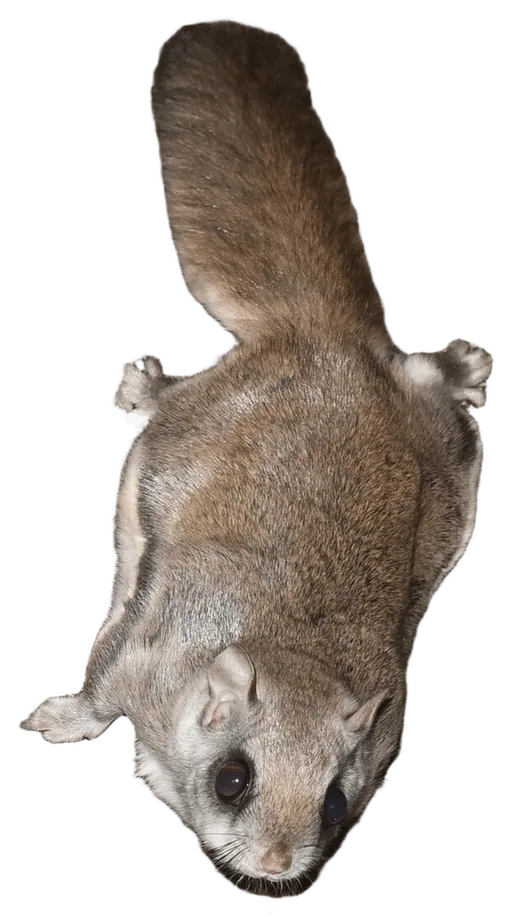
Bigger than 17% of animalsA tiny nocturnal squirrel with almost no physical protection but extraordinary aerial control, Pteromys volans turns forest structure into an escape network. Its patagium, flattened tail and precise limb control let it glide between trees, while large home ranges show how effectively that gliding ability expands its movement. In a direct ground fight it is fragile and weak; in a mature canopy it is one of the roster's most elusive small mammals.
Detailed ratings
Research-backed ratings on one 0–100 scale for all 344 animals (updated 2026-09-27). How ratings work


Card No. 262 of 344. Every animal on Animal Battle Stats has one: its power, tier and archetype on the front; its six battle stats, abilities and signature move on the back.
Special abilities
Extending and reshaping the furred glide membrane through limb posture allows controlled aerial translation between trees, giving the squirrel escape and repositioning routes inaccessible to ordinary terrestrial mammals.
Tail, body pitch and limb positioning permit controlled approach and landing rather than ballistic falling, allowing rapid transitions from glide to trunk-clinging escape.
Unique traits
Long-term Finnish data show females are larger than males in mass and other body measurements, so the canonical ABS specimen appropriately uses the larger adult female rather than automatically selecting a male.
Radiotelemetry found home ranges much larger than expected from body mass, with males averaging 59.9 ha and movements beyond 2 km, reflecting how gliding expands the usable nocturnal landscape.
How it fights
Weapons
- The practical offensive tool is the rodent bite. It is suitable for close-range defensive biting but the animal's 160 g mass places a hard ceiling on absolute damage. Claws can grip bark and potentially scratch, but their main function is climbing and landing control. The animal has no dedicated piercing fang system, venom, horns, antlers, heavy talons, or crushing appendages.
Struggles vs
- Open flat ground: severe disadvantage. Gliding requires elevation and a landing target.
- Water: no specialized aquatic defense.
- Confined ground arena: removes the feature responsible for most of its Special and Agility value.
- Large aerial predator: gliding may expose it rather than guarantee escape.
- Weight
- 160 g5.6 oz
- Height
- No reliable measurement
- Length
- 31 cm12.2 in
- Top speed
- No reliable measurement
- Bite force
- No reliable measurement
- Lifespan
- 3.8 years
- Home biome
- Forest
- Lifestyle
- Social
Rated specimen: Healthy mature non-pregnant female, 0.16 kg, approximately 31.0 cm total length including tail.
Fun facts
- It is the only native flying-squirrel species in Europe.
- Despite the name, it does not perform powered flight. It glides using a skin membrane.
- Finnish telemetry recorded individual movements greater than 2 km even though the animal weighs only around a few tenths of a kilogram.
- Female Siberian flying squirrels are larger than males, contrary to the common assumption that the male should always be the larger ABS fighting specimen.
- Individuals maintain several nests and can switch among cavities and branch dreys.
- The species does not need fictional speed numbers to be remarkable: its documented home-range size is already unusually large for its body mass.
Closest rivals by power. Tap one for the full breakdown, or pick any opponent.
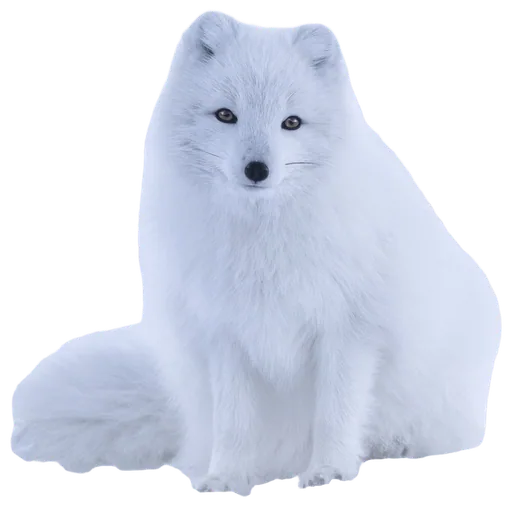
vs BinturongLoses · 74% · Clear edge 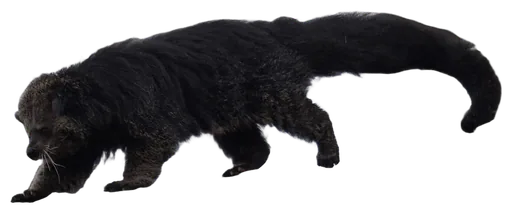 L vs Arctic FoxLoses · 68% · Slight edge
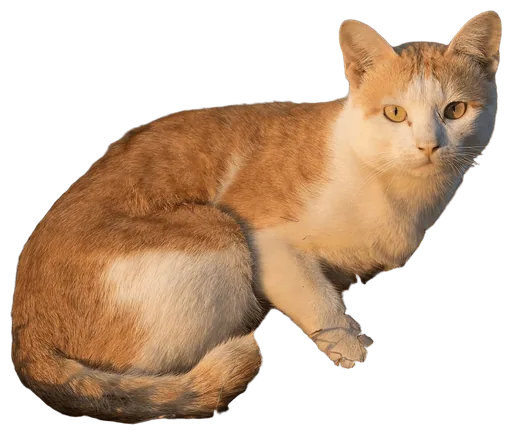
 L vs House CatLoses · 69% · Slight edge
 L vs WallabyLoses · 74% · Clear edge
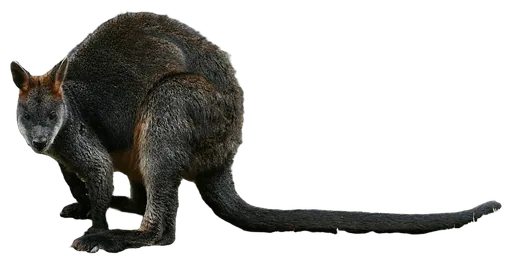 L vs Sand CatLoses · 65% · Slight edge
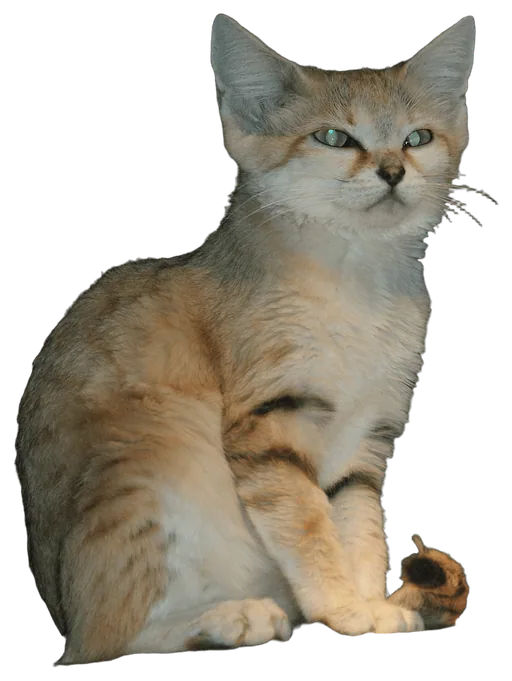 L vs Maine CoonLoses · 72% · Clear edge
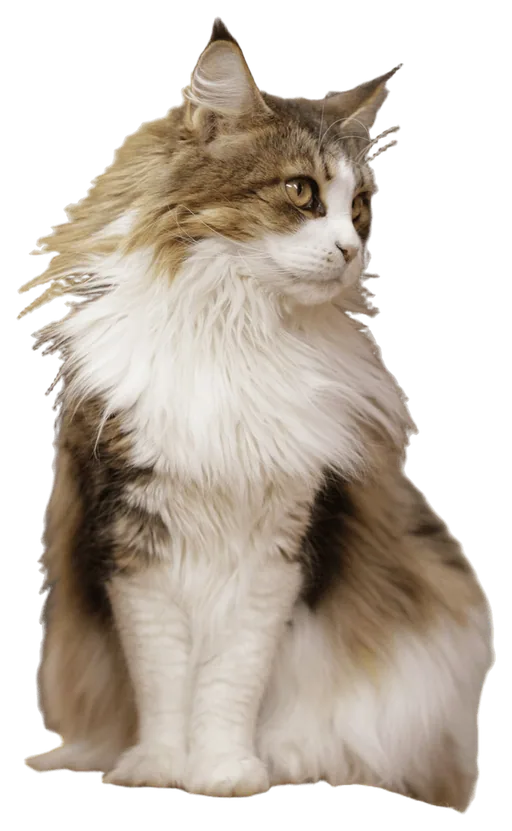 L vs Fennec FoxLoses · 64% · Slight edge
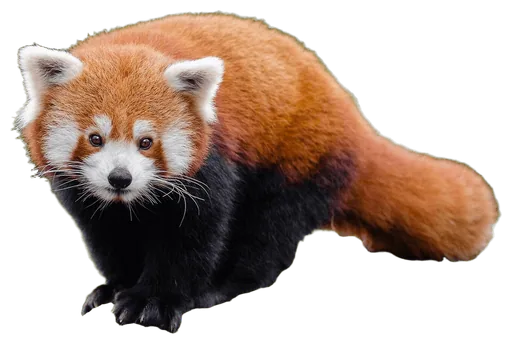
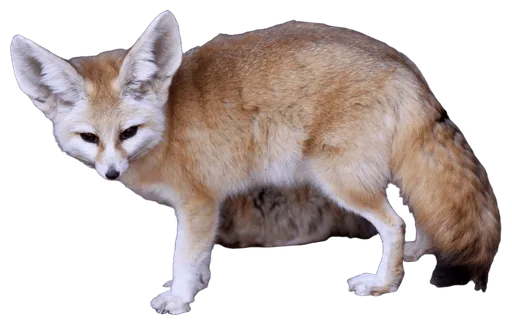 L vs Red PandaLoses · 70% · Clear edge
 L
Flying Squirrel battle analysis
The Flying Squirrel is a strong example of why ABS categories must remain separate. At roughly 160 grams, it cannot trade damage with serious predators. Its incisors are real weapons, but absolute attack power is tiny, and its body has essentially no armor. Giving it high Attack or Defense because it can escape would erase the distinction between surviving contact and preventing contact.
Its actual specialty is geometry. A tree trunk is not merely cover but a launch tower. By spreading the patagium and changing limb posture, a flying squirrel converts vertical position into controlled horizontal movement. Comparative biomechanical experiments in flying squirrels show active changes in membrane shape, glide angle, pitch and landing mechanics. P. volans telemetry then demonstrates the ecological result at species level: a tiny mammal can exploit surprisingly large areas, with males moving hundreds of meters from nests on average and sometimes more than two kilometers.
That power is highly conditional. Put the same squirrel on flat open ground and most of its Special advantage disappears. Put it in mature mixed forest at night and an opponent must solve a three-dimensional pursuit problem while the squirrel can climb, launch, steer, land and disappear into cavities. The profile therefore combines extremely low physical-combat ratings with elite Agility and high Special, preserving both biological reality and roster-wide absolute scaling.
Habitat & range
The Siberian flying squirrel occupies Palearctic boreal and mixed forests from northeastern Europe across northern Asia to the Pacific, with island populations including Hokkaido. It depends strongly on forest structure, especially mature trees that provide cavities, food and connected aerial routes.
Diet & hunting
It is primarily herbivorous, feeding on leaves, buds, seeds, fruits and other tree-derived foods. It functions as a small arboreal consumer rather than a predatory squirrel. Multiple nest sites are used, including cavities and dreys, and individuals switch nests frequently.
Social life
The species is not accurately summarized as simply solitary. Radiotelemetry shows overlapping spatial use, while newer work documents communal nesting outside winter. Females raising young can behave differently from non-breeding animals, and male ranges expand substantially in mating context.
Conservation
The species is globally treated as Least Concern, but that global label hides significant regional decline. A 2025 conservation-genomics paper notes declining trends through much of the range, Near Threatened treatment across Europe, Vulnerable status in Finland, Critically Endangered status in Estonia, and recent disappearance from Latvia and Lithuania. Mature forest loss and fragmentation are therefore important human pressures.
Quick answers
How strong is a Flying Squirrel?
On the Animal Battle Stats scale, the Flying Squirrel has an attack rating of 9 and a power index of 41.7 out of 100, which ranks it #262 of 344 animals and puts it in D tier (Underdog). Its strongest stat is agility (96).
How much does a Flying Squirrel weigh?
A typical adult Flying Squirrel weighs about 160 g (5.6 oz). Rated specimen: healthy mature non-pregnant female, 0.16 kg, approximately 31.0 cm total length including tail.
How fast is a Flying Squirrel?
There is no reliable measured top speed for the Flying Squirrel, so we do not publish one. Its agility rating, which covers acceleration, reflexes and evasion, is 96 out of 100.
What does a Flying Squirrel eat?
It is primarily herbivorous, feeding on leaves, buds, seeds, fruits and other tree-derived foods. It functions as a small arboreal consumer rather than a predatory squirrel. Multiple nest sites are used, including cavities and dreys, and individuals switch nests frequently.
Is the Flying Squirrel endangered?
No. The Flying Squirrel is listed as Least Concern. The species is globally treated as Least Concern, but that global label hides significant regional decline. A 2025 conservation-genomics paper notes declining trends through much of the range, Near Threatened treatment across Europe, Vulnerable status in Finland, Critically Endangered status in Estonia, and recent disappearance from Latvia and Lithuania. Mature forest loss and fragmentation are th
What animals can beat a Flying Squirrel?
Among its closest rivals, the Binturong (74%), the Arctic Fox (68%), the House Cat (69%), the Wallaby (74%), the Sand Cat (65%), the Maine Coon (72%), the Fennec Fox (64%), the Red Panda (70%) would be favored against the Flying Squirrel. It would be favored against none of them.
Researched 2026-09-27. Ratings are editorial judgments built from these sources; measurements describe a healthy adult female.
- Handbook of the Mammals of the World / Zenodo recordTaxonomy, dimensions, mass, range
- Animal Diversity WebAverage mass, reproduction, wild lifespan
- Selonen, Wistbacka & Santangeli, BMC Zoology 2016Sexual dimorphism, seasonal mass
- Hanski et al., Journal of Mammalogy 2000Home range, movement, nests, ecology
- Hanski, Wildlife Biology 1998Habitat use, adult activity
- Zoo JihlavaTotal length, mass, diet
- Scheibe et al., US Forest Service / Acta Theriologica 2006Comparative gliding energetics/performance
- Bishop, Journal of Experimental Biology 2006Comparative controlled-glide mechanics
- Essner, Journal of Experimental Biology 2007Comparative landing mechanics
- Kikuchi et al., Ethology 2023Social behavior
- Dechmann et al. conservation-genomics paper 2025Conservation context
- Wikimedia Commons / iNaturalist-reviewed photoImage provenance
Photo: “Glaucomys sabrinus 248041894.jpg” by Henrique Pacheco, CC BY 4.0, background removed and cropped. Original
Suggest a correction