

Flying Fox
Pteropus vampyrus
 #225 of 273
  Jungle Scout Endangered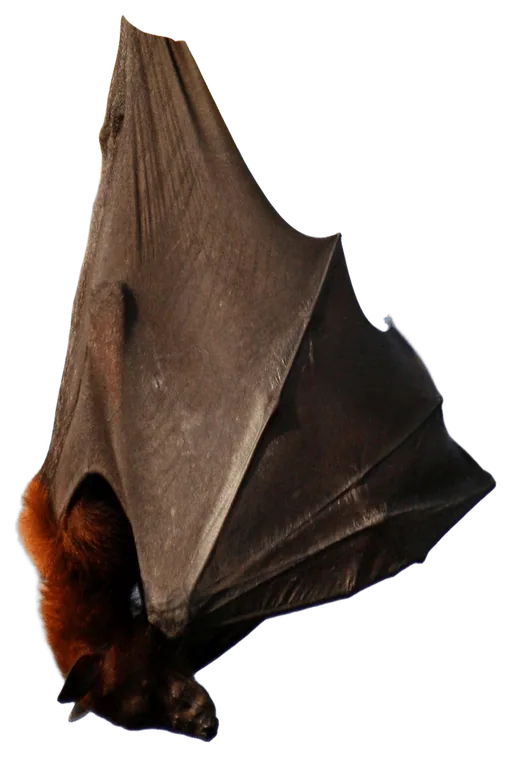
 Fight
FightPhoto: Dmitrij Rodionov, DR · CC BY-SA 3.0
The large flying fox is a 1 kg Southeast Asian fruit bat with a 1.5 m wingspan that can fly more than 80 km in a night. It finds food by sight and smell rather than echolocation, but with only a defensive bite and fragile wings, it survives by flying away, not by fighting.
 Attack13
  Defense10
  Agility68
  Stamina80
  Intelligence58
  Special62
 Detailed ratings
Research-backed ratings on one 0–100 scale for all 273 animals (updated 2026-09-28). How ratings work
Special abilities
Ability 1Night CommuterFlies up to about 87.5 km in a night and has been tracked covering 130 km in two hours, letting it disengage from almost any ground-bound opponent and reach distant food.
 Ability 2Echo-Free Night Vision
Navigates without echolocation, using rod-rich eyes with two cone types and a keen nose to find fruit and flowers in the dark.
Unique traits
 TraitGiant Fruit Bat
One of the largest bats in the world, with a wingspan of about 1.5 m and a forearm up to 22 cm.
TraitRainforest PollinatorFeeds on nectar and pollen of trees such as durian and carries seeds and pollen across huge distances, supporting forest regeneration and valuable fruit crops.
How it fights
Weapons
- The large flying fox is a fruit and nectar eater, not a predator. Its canines are sharp enough to slice through fruit rinds and to give a painful defensive bite to a handler or rival, and its thumb and foot claws can scratch. None of this adds up to meaningful offensive power against animals of real size; it has no hunting behavior to draw on.
 Struggles vs
- Almost no damaging weapons.
- Fragile wings; a grounded flying fox is clumsy and exposed.
- Low mass and no armor.
- Heavily dependent on flowering and fruiting trees.
- Weight
- 1 kg2 lb
- Height
- No reliable measurement
- Length
- 30 cm11.8 in
- Top speed
- 65 km/h40 mph
- Bite force
- No reliable measurement
- Lifespan
- 15 years
- Home biome
- Jungle
- Lifestyle
- Social, nocturnal
Rated specimen: Healthy adult male, 1.0 kg, 30.0 cm head-body length, wingspan about 1.5 m, forearm about 20 cm.
Fun facts
- Its wings span about 1.5 m, wider than many eagles'.
- It does not echolocate and finds food by sight and smell instead.
- One satellite-tagged bat flew 130 km in just two hours.
- It can forage up to about 87.5 km from its roost in a single night.
- A newborn pup weighs about 133 g, up to a third of its mother's weight.
- Colonies can hold up to about 15,000 bats.
Closest rivals by power. Tap one for the full breakdown, or pick any opponent.
vs FerretLoses · 50% · Toss-up  L vs TapirWins · 51% · Toss-up
  W vs QuokkaWins · 52% · Toss-up
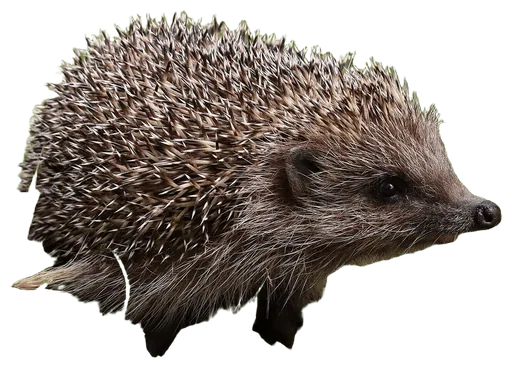
  W vs HedgehogWins · 52% · Toss-up
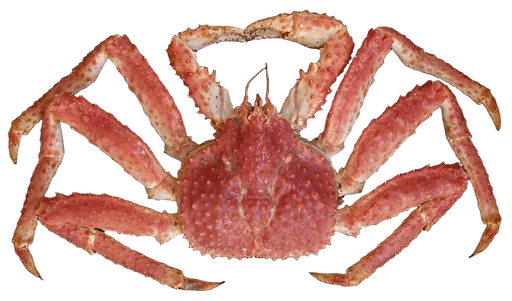
  W vs King CrabWins · 50% · Toss-up
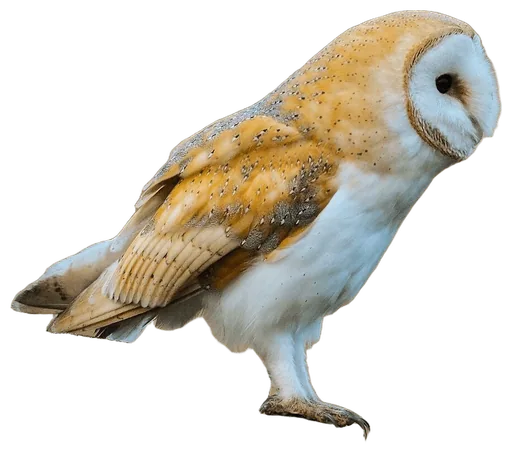
  W vs Barn OwlLoses · 51% · Toss-up
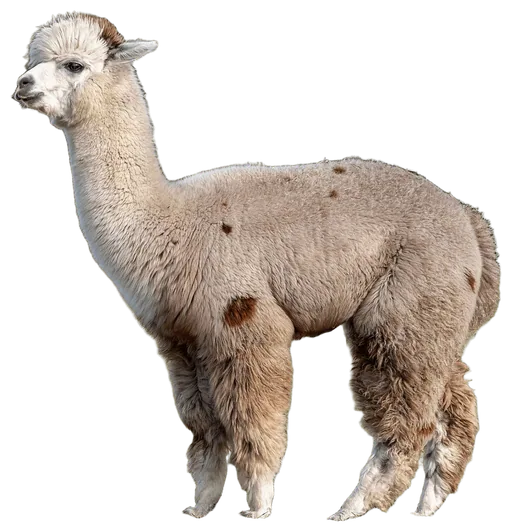
  L vs AlpacaWins · 53% · Toss-up
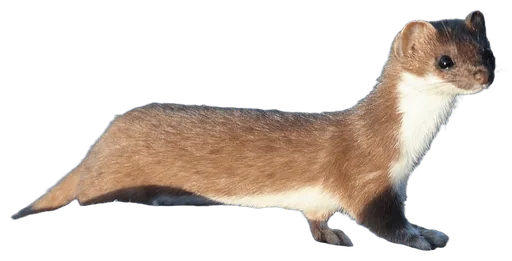
  W vs StoatWins · 53% · Toss-up
  W
W  Pick any opponent
 Flying Fox battle analysis
The large flying fox is one of the biggest bats alive. A healthy adult weighs about a kilogram, and its wings stretch to about 1.5 m, carried on forearms longer than a human hand. Its fox-like face, large eyes and dark mantle of fur give it its name. Unlike the small insect-eating bats, it does not echolocate. It relies on rod-rich eyes that work well at night and a strong nose to find ripe fruit and flowering trees.
Its real strength is distance. Satellite tracking in Malaysia showed bats foraging up to about 87.5 km from the roost in one night, and one bat covered 130 km in two hours. Over a year, adult males move between roosts hundreds of kilometres apart and across national borders. That range makes it an important pollinator and seed disperser for forest trees such as durian.
In a fight, though, the flying fox has very little. Its sharp canines and clawed thumbs can give a painful defensive bite or scratch, and males squabble over roosting spots and harems, but it has no predatory weapons, no armor and thin wings that are easily damaged. Its winning move against almost any opponent is to take off. Humans are its biggest threat: hunting and forest loss have pushed the species to Endangered, and its role as a natural host of Nipah virus makes it a species of public-health interest too.
Habitat & range
Found across Southeast Asia, from southern Myanmar, Thailand and Indochina through the Malay Peninsula, Sumatra, Java, Borneo, the Philippines and the Lesser Sunda Islands. It roosts in tall trees in lowland forest, coastal forest and mangroves, and forages over forests, orchards and plantations.
Diet & hunting
Feeds on nectar, pollen, flowers and fruit, including coconut, durian and fig. It slices fruit rinds with its teeth and uses its long tongue to lap nectar. As a long-distance forager it disperses seeds and pollinates forest trees, including durian, whose fruit is highly valued across the region.
Social life
Highly colonial, with roosts of up to about 15,000 individuals. Males hold roosting positions and small harems within a dominance hierarchy, and a male may mate with several females.
Conservation
Assessed as Endangered on the IUCN Red List (2022). Chronic over-harvesting and loss of primary forest drive declines. A 2009 study estimated about 22,000 bats were hunted legally each year in Malaysia and warned the species could disappear from Peninsular Malaysia within about 6 years if hunting continued at that rate.
Quick answers
How strong is a Flying Fox?
On the Animal Battle Stats scale, the Flying Fox has an attack rating of 13 and a power index of 38.5 out of 100, which ranks it #225 of 273 animals and puts it in D tier (Underdog). Its strongest stat is stamina (80).
How much does a Flying Fox weigh?
A typical adult Flying Fox weighs about 1 kg (2 lb). Rated specimen: healthy adult male, 1.0 kg, 30.0 cm head-body length, wingspan about 1.5 m, forearm about 20 cm.
How fast is a Flying Fox?
The Flying Fox's top speed is about 65 km/h (40 mph). Its agility rating is 68 out of 100.
What does a Flying Fox eat?
Feeds on nectar, pollen, flowers and fruit, including coconut, durian and fig. It slices fruit rinds with its teeth and uses its long tongue to lap nectar. As a long-distance forager it disperses seeds and pollinates forest trees, including durian, whose fruit is highly valued across the region.
Is the Flying Fox endangered?
The Flying Fox's conservation status is Endangered. Assessed as Endangered on the IUCN Red List (2022). Chronic over-harvesting and loss of primary forest drive declines. A 2009 study estimated about 22,000 bats were hunted legally each year in Malaysia and warned the species could disappear from Peninsular Malaysia within about 6 years if hunting continued at that rate.
What animals can beat a Flying Fox?
Among its closest rivals, the Ferret (50%), the Barn Owl (51%) would be favored against the Flying Fox. It would be favored against the Tapir, the Quokka, the Hedgehog, the King Crab, the Alpaca, the Stoat.
Researched 2026-09-28. Ratings are editorial judgments built from these sources; measurements describe a healthy adult male.
- Animal Diversity Web, Pteropus vampyrusmass, forearm, wingspan, pelage, reproduction, diet
- Thai National Parks, Large flying foxhead-body length, mass
- Kunz & Jones (2000), Mammalian Species No. 642colony size, social system, pup mass
- Mammalian Species record, BioOnespecies monograph
- Epstein et al. (2009), Journal of Applied Ecologymovement, hunting pressure
- Epstein et al. (2009), ResearchGate PDFspeed, foraging distance
- Bats Without Borders: long-distance movements and implications for disease risk management, EcoHealthlong-distance movement
- Mongabay (2009), World's largest bat threatened by legal huntinghunting numbers
- Rahman et al., Characterization of Nipah virus from naturally infected P. vampyrus, Emerging Infectious DiseasesNipah reservoir
- Müller et al. (2007), Cone photoreceptor diversity in the retinas of fruit batsvision
- Max Planck Society (2007), Fruit bats are not "blind as a bat"vision, no echolocation
- AnAge, Large flying fox longevitylifespan
- GBIF, Pteropus vampyrustaxonomy, range
- Wikipedia, Large flying foxIUCN 2022 status, diet, lifespan summary
Photo: “Kalong (Pteropus vampyrus) sleeping 2.jpg” by Dmitrij Rodionov, DR, CC BY-SA 3.0, background removed and cropped. Original
Suggest a correction