
Flamingo
Phoenicopterus roseusD tier · Underdog45th of 55 birds
Size & speed

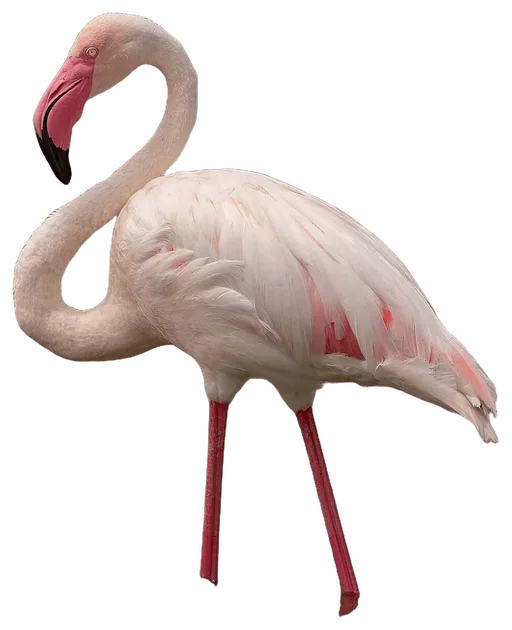
- Weight
- 3.5 kg8 lb
- Length
- 1.4 m4.6 ft
About as heavy as a house cat
Heavier than 32% of animalsAbout 4.7 rulers long
Bigger than 59% of animalsThe Greater Flamingo is a tall but lightweight wetland specialist whose real advantages are reach, flight, social vigilance and extraordinary filter-feeding anatomy. It can jab and grapple effectively against other birds, but its slender frame and lack of armor keep its absolute Attack and Defense low against the broader ABS roster.
Detailed ratings
Research-backed ratings on one 0–100 scale for all 344 animals (updated 2026-09-27). How ratings work


Card No. 274 of 344. Every animal on Animal Battle Stats has one: its power, tier and archetype on the front; its six battle stats, abilities and signature move on the back.
Special abilities
The long neck and down-curved bill allow jabs, bill-to-bill grappling and feather grabs from unusual angles, directly documented in Greater Flamingo conflict.
Long legs, webbed feet and powered flight let the bird transition from shallow-water wading into aerial escape when adequate runway is available.
Unique traits
Specialized bill lamellae and tongue mechanics filter small organisms and plant material while the head is held inverted in the water.
Large flocks use synchronized displays and nonrandom social associations, creating strong social context for vigilance, courtship and space use.
How it fights
Weapons
- The bill is the main contact tool. It is not designed for tearing flesh like a raptor's bill, but documented Greater Flamingo aggression shows it can grapple another bill, jab exposed neck/breast tissue, grab feathers and push. The long neck gives unusual reach around the bird's body. Feet can kick or shove opportunistically, but the legs and webbed feet are not specialized striking systems.
Struggles vs
- Low mass and low trauma resistance on the full-roster scale.
- Slender exposed legs.
- No armor, venom, crushing bite, talons, horns or claws specialized for combat.
- Long neck can become a vulnerable target if escape is denied.
- Flight advantage falls sharply in confined forced-contact conditions.
- Weight
- 3.5 kg8 lb
- Height
- 1.4 m4.6 ft
- Length
- 1.4 m4.6 ft
- Top speed
- No reliable measurement
- Bite force
- No reliable measurement
- Lifespan
- 30 years
- Home biome
- Wetlands
- Lifestyle
- Social
Rated specimen: Healthy sexually mature adult male, 3.5 kg, approximately 140 cm standing height, with a 165 cm wingspan.
Fun facts
- Greater Flamingos are the largest living flamingo species.
- Their characteristic feeding posture turns the head upside down so the specialized bill can filter food from water and sediment.
- Adult coloration comes largely from dietary carotenoids rather than being a fixed pigment produced independently of food.
- Chicks hatch gray rather than pink and later develop adult coloration.
- Flamingos can form large crèches containing many young.
- A species-specific published conflict observation documented a female physically defeating a male's attempted mount by grappling his bill, jabbing him and grabbing feathers.
Closest rivals by power. Tap one for the full breakdown, or pick any opponent.
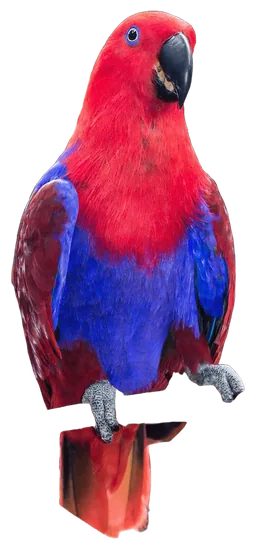
vs Yellow-naped AmazonWins · 60% · Slight edge 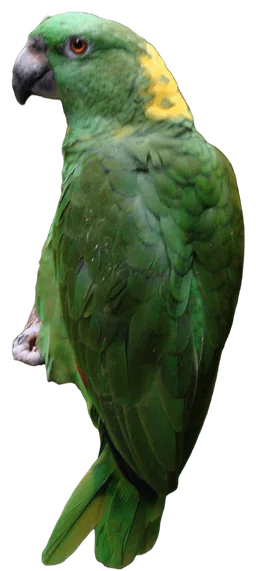 W vs Eclectus ParrotWins · 62% · Slight edge
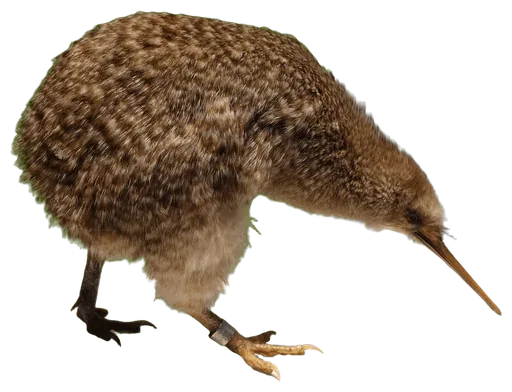
 W vs KiwiWins · 52% · Toss-up
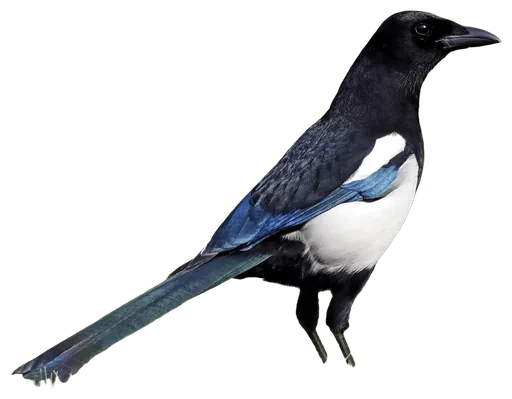
 W vs MagpieWins · 64% · Slight edge
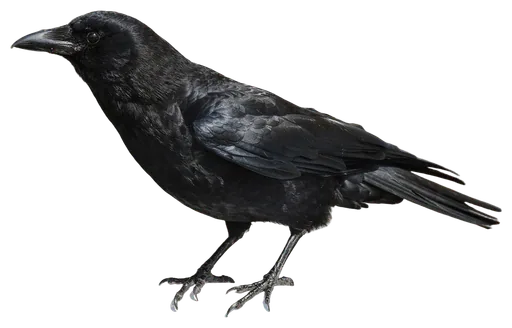
 W vs CrowWins · 58% · Slight edge
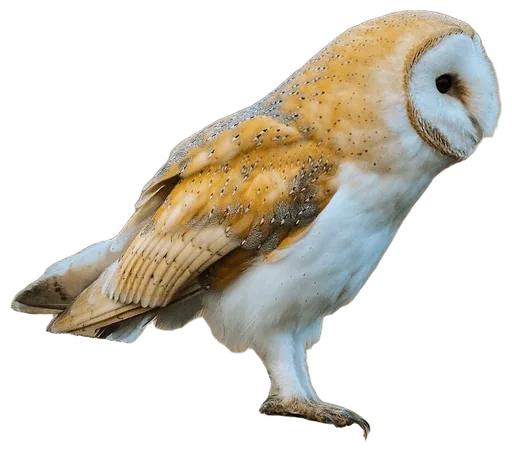
 W vs Barn OwlWins · 66% · Slight edge
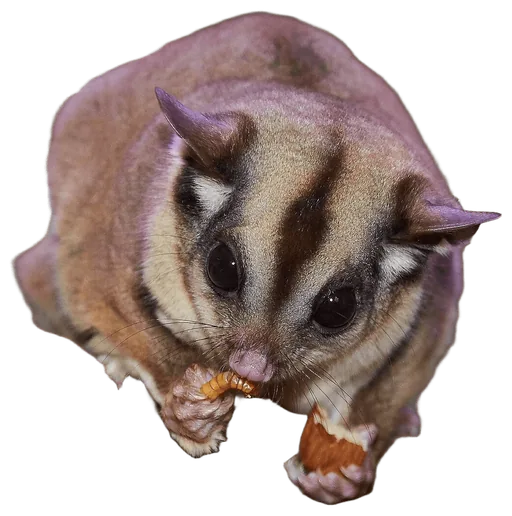
 W vs Sugar GliderWins · 68% · Slight edge
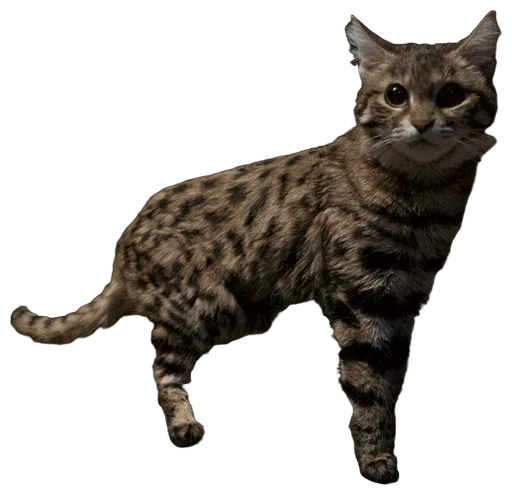
 W vs Black-footed CatWins · 54% · Toss-up
 W
Flamingo battle analysis
A Greater Flamingo looks much larger than its mass suggests. A robust male can stand around 1.4 metres tall while weighing only a few kilograms. That unusual geometry defines its matchup profile: enormous visual height and reach, but little mass behind a collision and little tissue protection if a predator gets through its spacing game.
Its bill is more versatile in conflict than the animal's gentle feeding reputation suggests. Species-specific behavioral evidence documents bill grappling, neck and breast jabs, feather grabs and pushing. Those actions make the flamingo capable of defending personal space against another flamingo. They do not transform a filter feeder into a raptor. Against a fox-sized grappler, large snake or heavy terrestrial predator, the lack of talons, armor and crushing bite is decisive.
The flamingo's strongest battle tool is therefore mobility. Open water and mudflats allow it to keep distance, wade where some terrestrial animals lose footing, and launch into flight. This is why Agility and Special substantially exceed Attack and Defense. The ratings preserve that ecological specialization without allowing conspicuous height, flock size or flight to masquerade as heavyweight physical power.
Habitat & range
Greater flamingos occupy shallow saline and alkaline lakes, lagoons, estuaries, salt pans and coastal wetlands across Africa, southern Europe, the Middle East and into southern Asia. Their distribution can shift as water levels and food conditions change.
Diet & hunting
They are specialized filter-feeding omnivores consuming algae, seeds, aquatic invertebrates such as crustaceans, molluscs and insects, plus occasional small fish. Carotenoid pigments acquired through diet contribute to adult pink coloration.
Social life
Highly gregarious, often occurring in flocks of hundreds or thousands. Courtship involves synchronized group displays. A 2023 Greater Flamingo study found nonrandom associations and differing social-network roles, with birds of similar age forming particularly strong bonds.
Conservation
Major zoo sources list the Greater Flamingo as Least Concern. Wetland alteration, disturbance, industrial activity and resource extraction can nevertheless threaten important local breeding and feeding sites.
Quick answers
How strong is a Flamingo?
On the Animal Battle Stats scale, the Flamingo has an attack rating of 19 and a power index of 40.6 out of 100, which ranks it #274 of 344 animals and puts it in D tier (Underdog). Its strongest stat is agility (72).
How much does a Flamingo weigh?
A typical adult Flamingo weighs about 3.5 kg (8 lb). Rated specimen: healthy sexually mature adult male, 3.5 kg, approximately 140 cm standing height, with a 165 cm wingspan.
How fast is a Flamingo?
There is no reliable measured top speed for the Flamingo, so we do not publish one. Its agility rating, which covers acceleration, reflexes and evasion, is 72 out of 100.
What does a Flamingo eat?
They are specialized filter-feeding omnivores consuming algae, seeds, aquatic invertebrates such as crustaceans, molluscs and insects, plus occasional small fish. Carotenoid pigments acquired through diet contribute to adult pink coloration.
Is the Flamingo endangered?
No. The Flamingo is listed as Least Concern. Major zoo sources list the Greater Flamingo as Least Concern. Wetland alteration, disturbance, industrial activity and resource extraction can nevertheless threaten important local breeding and feeding sites.
What animals can beat a Flamingo?
The Flamingo is favored against all of its closest rivals, including the Yellow-naped Amazon, the Eclectus Parrot, the Kiwi, the Magpie, the Crow, the Barn Owl, the Sugar Glider, the Black-footed Cat.
Researched 2026-09-27. Ratings are editorial judgments built from these sources; measurements describe a healthy adult male.
- Animal Diversity Web, Greater Flamingotaxonomy, mass, length, wingspan, dimorphism, social/life history, longevity
- Marwell Zoo, Greater Flamingoadult dimensions, diet, lifespan, conservation
- Chester Zoo, Greater Flamingomass, lifespan, habitat, diet, conservation
- George & Rose 2023, Zoo Biologysocial cognition/behavior
- Rose 2022, Birdsconflict mechanics
- Wikimedia Commons, Lake Poyrazlar candidateimage provenance
Photo: “Flamenco común (Phoenicopterus roseus), parque nacional de Amboseli, Kenia, 2024-05-22, DD 35.jpg” by Diego Delso, CC BY-SA 4.0, background removed and cropped. Original
Suggest a correction