

Fisher
Pekania pennanti
 #189 of 341
  Forest Hunter Least Concern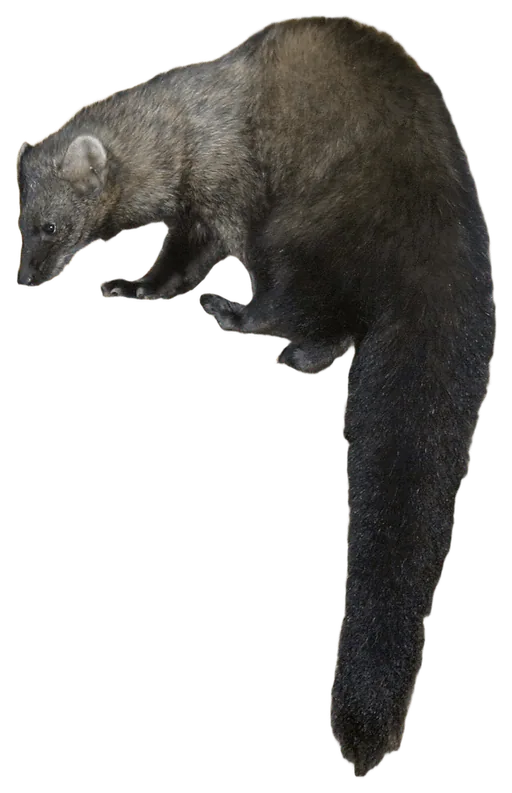
 Fight
FightPhoto: Olympic National Park / Photograph: Jeff Lewis · Public domain
A long, dark forest mustelid, the fisher is one of the few predators that kills porcupines and has even ambushed Canada lynx in snowstorms. Agile in trees and bold for its size, it is still a 5 kg animal, strong for its weight but small on the absolute scale.
 Attack33
  Defense22
  Agility86
  Stamina70
  Intelligence63
  Special68
 Detailed ratings
Research-backed ratings on one 0–100 scale for all 341 animals (updated 2026-09-28). How ratings work
Special abilities
Ability 1Quill-Dodge AssaultIt circles a porcupine and bites its face again and again, avoiding the quilled back, until the porcupine dies after about 25–30 minutes. Against defended prey, this patience turns a dangerous opponent into a meal.
 Ability 2Snowstorm Neck Bite
In northern Maine, fishers killed at least 14 Canada lynx between 1999 and 2011 by attacking them bedded down in snowstorms with a quick, powerful neck bite. It shows how ambush can let a 5 kg animal kill a much larger cat.
Unique traits
 TraitReversible Hind Feet
Its ankles rotate the hind paws almost 180°, so it can run down a tree trunk head-first like a squirrel.
TraitYear-Long PregnancyAfter mating in late winter, the embryo waits about ten months before implanting, so the whole pregnancy lasts nearly a year.
How it fights
Weapons
- The fisher is a generalist forest predator whose main prey are snowshoe hares and porcupines, supplemented with smaller mammals, birds, carrion, insects, nuts, berries and mushrooms. It is one of very few predators that routinely kills porcupines: observational studies show repeated biting attacks on the porcupine's face until it dies after about 25–30 minutes (Wikipedia, citing Powell). Occasionally it kills larger animals, including wild turkeys, raccoons, foxes, martens, otters, bobcats and Canada lynx. A Journal of Wildlife Management study documented 14 fisher kills of Canada lynx in northern Maine from 1999 to 2011; the fishers attacked lynx bedded down in snowstorms with a quick, powerful bite to the neck. Local trappers and hunters in Quebec also describe the fisher as the main predator of the American marten (Journal of Ethnobiology and Ethnomedicine 2017). For a 5 kg animal this is exceptional killing ability, but it depends on ambush and persistence rather than absolute strength.
 Struggles vs
- Small absolute mass (5 kg).
- No armor.
- Avoids open ground, clear cuts and farmland.
- Larger carnivores can kill it.
- Weight
- 5 kg11 lb
- Height
- No reliable measurement
- Length
- 1.05 m3.4 ft
- Top speed
- No reliable measurement
- Bite force
- No reliable measurement
- Lifespan
- 7 years
- Home biome
- Forest
- Lifestyle
- Mostly solitary
Rated specimen: Healthy mature adult male, 5.0 kg, inside the 3.5–6.0 kg male range (Wikipedia) and the 3.5–5.0 kg male range (ADW).
Fun facts
- Despite its name, it rarely eats fish; the name probably comes from "fitch" or the French "fichet", words for the European polecat.
- It can turn its hind feet almost backwards and climb down trees head-first.
- It is one of the few animals that regularly kills porcupines.
- Fishers killed at least 14 Canada lynx in one Maine study area between 1999 and 2011.
- Its pregnancy lasts almost a full year because the embryo waits about ten months before implanting.
- Ninety fishers from British Columbia were released in Olympic National Park between 2008 and 2010 to bring the species back.
Closest rivals by power. Tap one for the full breakdown, or pick any opponent.
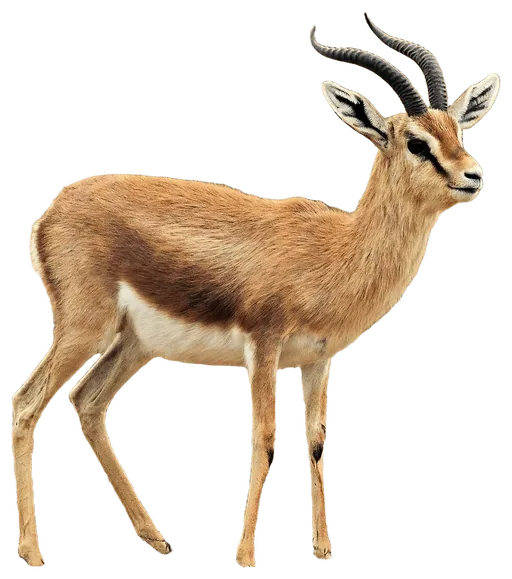
vs Red FoxWins · 50% · Toss-up 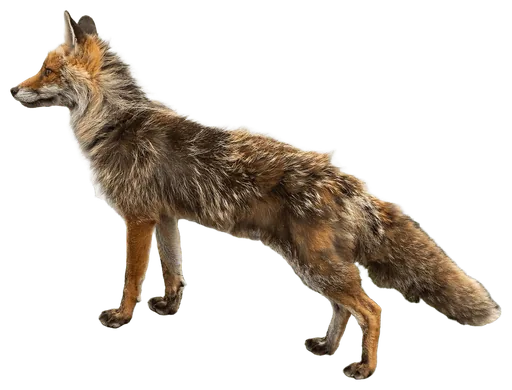 W vs GazelleLoses · 50% · Toss-up
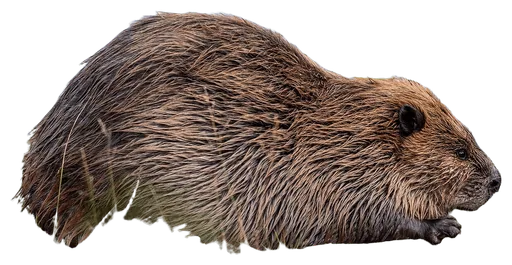
  L vs BeaverWins · 50% · Toss-up
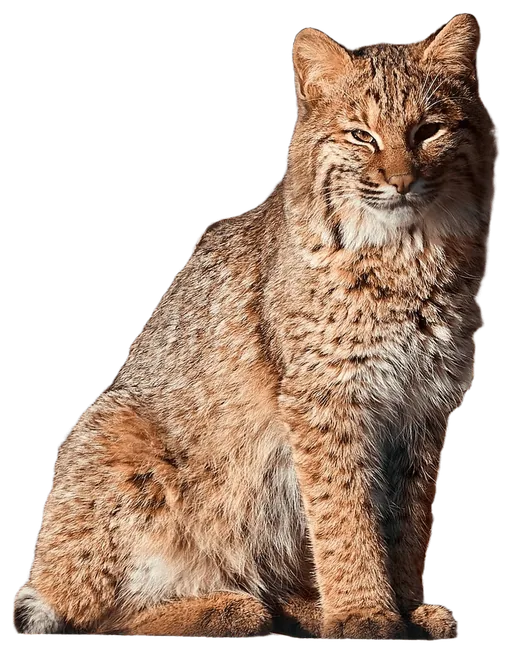
  W vs BobcatLoses · 51% · Toss-up
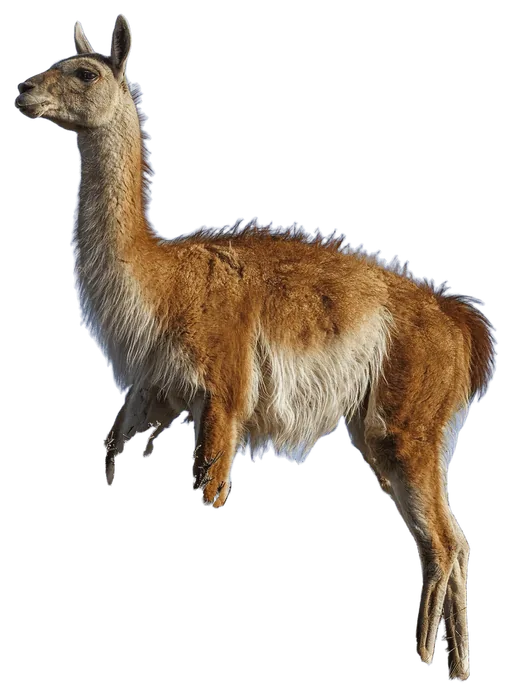
  L vs GuanacoWins · 51% · Toss-up
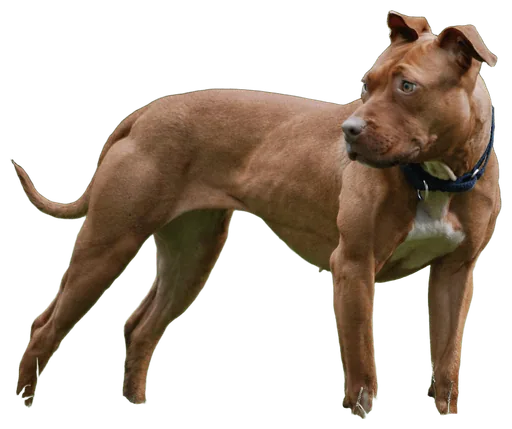
  W vs American Pit Bull TerrierLoses · 51% · Toss-up
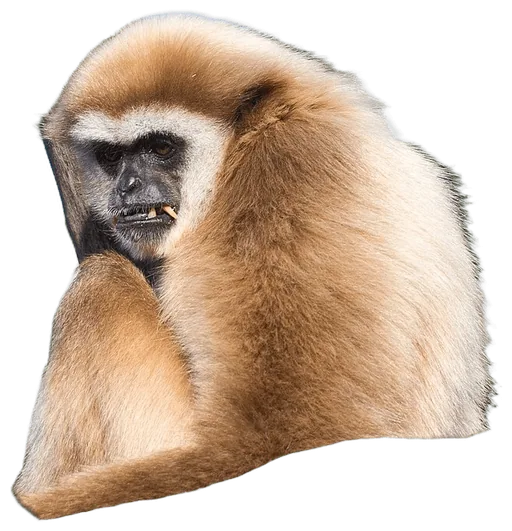
  L vs GibbonLoses · 51% · Toss-up
  L vs LlamaLoses · 51% · Toss-up
  L
L  Pick any opponent
 Fisher battle analysis
The fisher is a forest hunter built for persistence. A large male weighs about 5 kg and stretches over a metre with its tail, a low, muscular mustelid that runs along logs, climbs trunks and turns its hind feet backwards to come down head-first. It hunts snowshoe hares, squirrels and mice, and it is famous for tackling porcupines: circling, biting at the face again and again, and finishing the fight after up to half an hour.
Its boldness goes further. In northern Maine, biologists documented fishers killing more than a dozen Canada lynx, attacking them where they lay bedded in snowstorms with a quick bite to the neck. Fishers also kill martens, raccoons and occasionally foxes and bobcats. These feats rely on ambush, timing and relentless attack rather than raw power.
On the absolute scale the fisher remains a small predator. Its 5 kg frame sits well below badgers and honey badgers in mass, and it has no armor. In a straight fight against an alert, larger carnivore, it is at a disadvantage; against animals it can surprise or outlast, it is far more dangerous than its size suggests.
Habitat & range
Boreal and mixed deciduous-coniferous forest across Canada from Nova Scotia to British Columbia and north to Alaska, south into the northern United States, the Appalachians, the Great Lakes region, and the Pacific states. It prefers continuous forest with high canopy cover, large trees and fallen logs, and avoids clear cuts, grassland, farmland and heavily developed areas (WDFW). In the Sierra Nevada, fishers selected cooler, more forested and riparian areas during severe drought.
Diet & hunting
Snowshoe hares and porcupines are the main prey, supplemented by squirrels, mice, birds, carrion, insects, nuts, berries and mushrooms. Where fishers were trapped out, porcupine numbers rose and damaged timber; when fishers returned, porcupine numbers fell again. A 17-year study found that fisher predation combined with severe winters cut adult porcupine survival by as much as 44% (Ecological Applications 2015).
Social life
Solitary and territorial. It overlaps with martens without strong separation in space or time in a 2019 Michigan camera-trap study, but it also kills martens.
Conservation
Listed as Least Concern on the IUCN Red List. It recovered across much of the east after overtrapping and deforestation, but some western populations remain endangered: Washington lists it as a state endangered species and reintroduced 90 fishers to Olympic National Park in 2008–2010; the southern Sierra Nevada population is listed as federally endangered.
Quick answers
How strong is a Fisher?
On the Animal Battle Stats scale, the Fisher has an attack rating of 33 and a power index of 49.5 out of 100, which ranks it #189 of 341 animals and puts it in C tier (Capable). Its strongest stat is agility (86).
How much does a Fisher weigh?
A typical adult Fisher weighs about 5 kg (11 lb). Rated specimen: healthy mature adult male, 5.0 kg, inside the 3.5–6.0 kg male range (Wikipedia) and the 3.5–5.0 kg male range (ADW).
How fast is a Fisher?
There is no reliable measured top speed for the Fisher, so we do not publish one. Its agility rating, which covers acceleration, reflexes and evasion, is 86 out of 100.
What does a Fisher eat?
Snowshoe hares and porcupines are the main prey, supplemented by squirrels, mice, birds, carrion, insects, nuts, berries and mushrooms. Where fishers were trapped out, porcupine numbers rose and damaged timber; when fishers returned, porcupine numbers fell again. A 17-year study found that fisher predation combined with severe winters cut adult porcupine survival by as much as 44% (Ecological Applications 2015).
Is the Fisher endangered?
No. The Fisher is listed as Least Concern. Listed as Least Concern on the IUCN Red List. It recovered across much of the east after overtrapping and deforestation, but some western populations remain endangered: Washington lists it as a state endangered species and reintroduced 90 fishers to Olympic National Park in 2008–2010; the southern Sierra Nevada population is listed as federally endangered.
What animals can beat a Fisher?
Among its closest rivals, the Gazelle (50%), the Bobcat (51%), the American Pit Bull Terrier (51%), the Gibbon (51%), the Llama (51%) would be favored against the Fisher. It would be favored against the Red Fox, the Beaver, the Guanaco.
Researched 2026-09-28. Ratings are editorial judgments built from these sources; measurements describe a healthy adult male.
- Wikipedia, Fisher (animal)mass, length, dimorphism, ankles, diet, porcupine attacks, lynx predation, predators, home range, lifespan, reproduction, name origin
- Animal Diversity Web, Martes pennantimass, length, lifespan, climbing, predators, delayed implantation
- Washington Department of Fish and Wildlife, fishermass, habitat, status
- National Park Service, Olympic National Park fisher reintroductionreintroduction, diet, name origin
- Establishing fishers on an intensively managed landscape, PLOS One 2025lifespan, reintroduction
- Porcupine population dynamics under predation and climate change, Ecological Applications 2015porcupine predation impact
- Marten and fisher do not segregate in space and time, Ecology and Evolution 2019ecology, competition
- More fishers and fewer martens, Journal of Ethnobiology and Ethnomedicine 2017predation on martens, porcupine technique
Photo: “Animal fisher adult JeffLewis (17276519056).jpg” by Olympic National Park / Photograph: Jeff Lewis, Public domain, background removed and cropped. Original
Suggest a correction