

Fin Whale
Balaenoptera physalus
 #16 of 344
  Ocean Speedster Vulnerable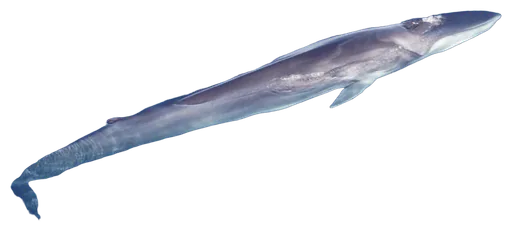
 Fight
FightPhoto: Aqqa Rosing-Asvid - Visit Greenland · CC BY 2.0
The fin whale is a 45-tonne, 20 m rorqual built for speed: the "greyhound of the sea" can sprint to about 40 km/h and hold escape speeds that force killer whales into long chases. It has no teeth and does not fight back, so it survives on mass, endurance and running rather than weapons.
 Attack68
  Defense83
  Agility52
  Stamina90
  Intelligence67
  Special75
 Detailed ratings
Research-backed ratings on one 0–100 scale for all 344 animals (updated 2026-09-28). How ratings work
Special abilities
Ability 1Greyhound Escape SprintA long, slim body built for speed lets the fin whale reach about 40 km/h and hold escape speeds that outlast pursuing killer whales. In a battle it can refuse a fight and force a long, costly chase.
 Ability 2Engulfment Lunge
Accordion throat pleats and reinforced 3.6 m-scale jaws let it accelerate and engulf a body-sized volume of water and prey in one lunge. It is a feeding tool, but it shows the explosive power a 45-tonne rorqual can generate.
Unique traits
 TraitTwo-Tone Jaw
The head is asymmetrically colored, dark on the left lower jaw and white on the right, with the reverse on the tongue, a striking asymmetry that makes the species easy to identify at the surface.
TraitInfrasonic SuitorOnly males make long, patterned 16–40 Hz pulses, among the lowest and most powerful sounds made by any animal, which can travel great distances through the ocean.
How it fights
Weapons
- The fin whale has no teeth, claws or horns. Its only damaging tools are the flukes and the momentum of a 45-tonne body. Unlike the humpback, it is not recorded swinging its flippers or flukes at predators. Ford & Reeves (2008) place the fin whale among the "flight" species: when killer whales approach, these whales swim rapidly away, and if overtaken and attacked they do little to defend themselves. Its practical offense is therefore collision and tail strikes from a very large body, not a willingness to press an attack.
 Struggles vs
- No bite or cutting weapon and no habit of fighting back.
- Thinner body build and no barnacle or callosity armor compared with "fight" species.
- Relatively small flippers limit tight turns.
- Coordinated killer whale packs can exhaust and kill adults.
- Must surface to breathe; vulnerable to ship strikes (NOAA).
- Weight
- 45 t49.6 US tons
- Height
- No reliable measurement
- Length
- 20 m65.6 ft
- Top speed
- 40 km/h25 mph
- Bite force
- No reliable measurement
- Lifespan
- 80 years
- Home biome
- Ocean
- Lifestyle
- Social
Rated specimen: Healthy physically mature adult female, 20.0 m long and 45,000 kg.
Fun facts
- It is the second-largest animal on Earth, after the blue whale.
- It is nicknamed the "greyhound of the sea" for its speed.
- The right side of its lower jaw is white and the left side dark, and the tongue is colored the opposite way.
- A fin whale can eat up to 2 tons of food in a day.
- US scientists who first recorded fin whale calls considered equipment faults and geophysical causes before realizing a whale was making them.
- Only male fin whales sing the loud songs.
Closest rivals by power. Tap one for the full breakdown, or pick any opponent.
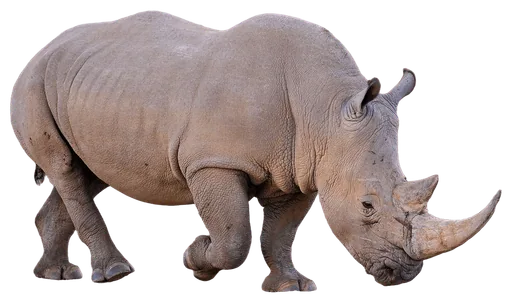
vs Bowhead WhaleLoses · 50% · Toss-up 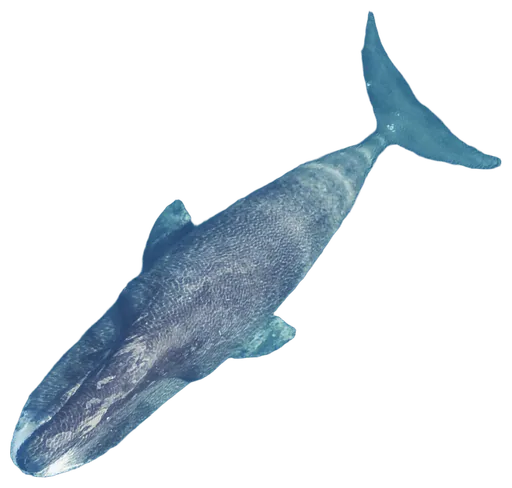 L vs RhinocerosWins · 51% · Toss-up
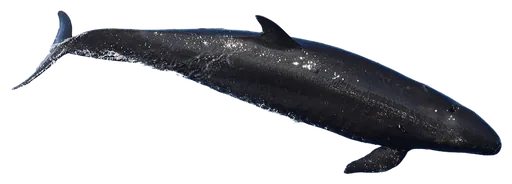
  W vs False Killer WhaleLoses · 52% · Toss-up
  L vs Bengal TigerWins · 52% · Toss-up
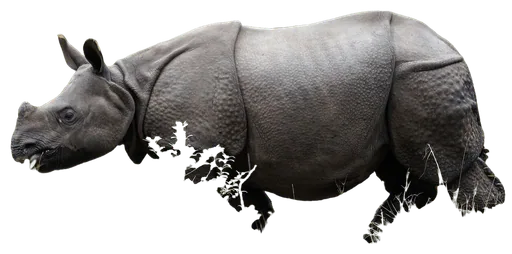
 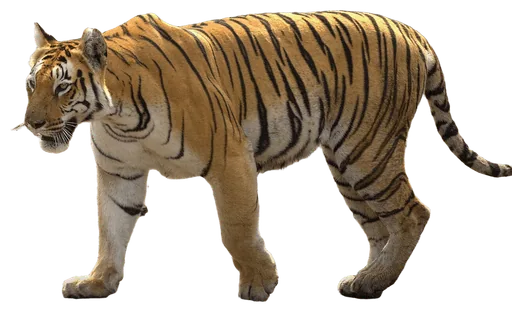 W vs Indian RhinocerosWins · 52% · Toss-up
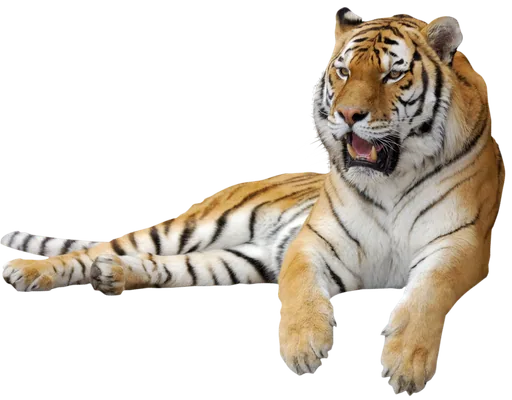
  W vs Siberian TigerWins · 52% · Toss-up
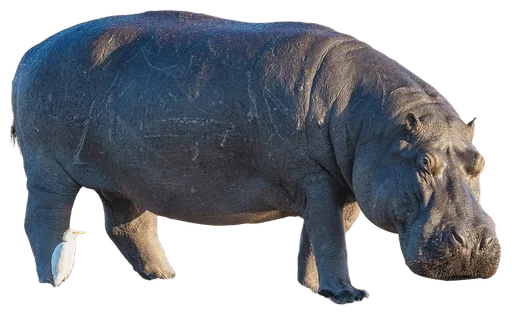
  W vs HippopotamusLoses · 53% · Toss-up
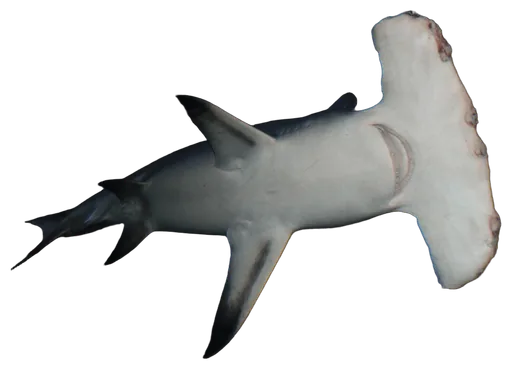
  L vs Hammerhead SharkLoses · 50% · Toss-up
  L
L  Pick any opponent
 Fin Whale battle analysis
The fin whale is the second-largest animal alive, but its real signature is speed. Its body is long and slender, with a sharply V-shaped head and small pectoral fins, and it can reach about 40 km/h. Early whalers did not target it because it was too fast and lived far offshore. For killer whales the problem is the same: Ford and Reeves describe the fin whale as a "flight" species that responds to attack by swimming hard and straight, and the rare successful kills recorded took packs of orcas an hour of pursuit.
That strategy defines how it would fight. A 45-tonne fin whale has enormous raw power and great tissue depth, so a single predator struggles to injure it seriously, and it can simply leave. But it carries no teeth, and it is not known to swing its tail or flippers at attackers the way humpbacks and gray whales do. If it is cornered or overtaken by a coordinated pack, it does little to defend itself.
Its feeding is some of the most explosive behavior in the ocean. A fin whale accelerates into a school, drops its huge reinforced jaw and balloons its pleated throat to engulf a volume of water and prey approaching its own body size, then filters it out through baleen. Males broadcast long infrasonic pulses that are among the most powerful sounds any animal makes. The result is a giant with high Stamina and strong Defense, respectable Agility for its size, and an Attack held down by the lack of any weapon or will to use one.
Habitat & range
Fin whales live in all the world's oceans, mostly in deep offshore waters from temperate to polar latitudes. Many populations migrate between summer feeding grounds and winter areas, while some groups appear to be resident, for example in the Gulf of California, the East China Sea and the Mediterranean Sea (NOAA).
Diet & hunting
Fin whales eat krill, small schooling fish such as herring, capelin and sand lance, and squid. They lunge into prey with the mouth open, expanding 50 to 100 throat pleats, and can eat up to 2 tons of food a day (NOAA). Tagged whales off Southern California glide during descent, make a series of lunges at depth and then swim steadily back to the surface (Goldbogen et al. 2006). Feeding dives reach about 250 m and last up to around 15 minutes (ADW).
Social life
Fin whales are often seen in groups of two to seven and sometimes gather in large mixed feeding groups with humpbacks, minke whales and Atlantic white-sided dolphins (NOAA). Only males produce the loud, repeated songs linked with breeding (Croll et al. 2002).
Conservation
The fin whale is listed as Vulnerable on the IUCN Red List (2018 assessment, as summarized by Wikipedia; the IUCN page itself was not readable in this run) and as endangered throughout its range under the US Endangered Species Act (NOAA). Commercial whaling greatly reduced populations; current threats include ship strikes, to which fin whales are among the most vulnerable species, fishing-gear entanglement and ocean noise (NOAA).
Quick answers
How strong is a Fin Whale?
On the Animal Battle Stats scale, the Fin Whale has an attack rating of 68 and a power index of 72.9 out of 100, which ranks it #16 of 344 animals and puts it in S tier (Apex). Its strongest stat is stamina (90).
How much does a Fin Whale weigh?
A typical adult Fin Whale weighs about 45 t (49.6 US tons). Rated specimen: healthy physically mature adult female, 20.0 m long and 45,000 kg.
How fast is a Fin Whale?
The Fin Whale's top speed is about 40 km/h (25 mph). Its agility rating is 52 out of 100.
What does a Fin Whale eat?
Fin whales eat krill, small schooling fish such as herring, capelin and sand lance, and squid. They lunge into prey with the mouth open, expanding 50 to 100 throat pleats, and can eat up to 2 tons of food a day (NOAA). Tagged whales off Southern California glide during descent, make a series of lunges at depth and then swim steadily back to the surface (Goldbogen et al. 2006). Feeding dives reach about 250 m and last up to around 15 minutes (ADW).
Is the Fin Whale endangered?
The Fin Whale's conservation status is Vulnerable. The fin whale is listed as Vulnerable on the IUCN Red List (2018 assessment, as summarized by Wikipedia; the IUCN page itself was not readable in this run) and as endangered throughout its range under the US Endangered Species Act (NOAA). Commercial whaling greatly reduced populations; current threats include ship strikes, to which fin whales are among the most vulnerable species, fishing-gear ent
What animals can beat a Fin Whale?
Among its closest rivals, the Bowhead Whale (50%), the False Killer Whale (52%), the Hippopotamus (53%), the Hammerhead Shark (50%) would be favored against the Fin Whale. It would be favored against the Rhinoceros, the Bengal Tiger, the Indian Rhinoceros, the Siberian Tiger.
Researched 2026-09-28. Ratings are editorial judgments built from these sources; measurements describe a healthy adult female.
- NOAA Fisheries, Fin Whale species pagemass, length, lifespan, behavior, diet, status
- Animal Diversity Web, Balaenoptera physaluslength by sex, speed, dive, lifespan, predators
- Wikipedia, Fin whaletypical mass, tracked speed, dives, orca kills, calls, IUCN status
- Goldbogen et al. 2006, Journal of Experimental Biologylunge-feeding mechanics, energetics
- Goldbogen et al. 2010, Proceedings Bskull and engulfment scaling
- Shadwick et al. 2017, Anatomical Recordjaw structure
- Gough et al. 2019, Journal of Experimental Biologycruise speed
- Ford & Reeves 2008, Mammal Review (Crossref record)antipredator strategy, escape speed
- Croll et al. 2002, Naturesong, senses
- Baleines en direct (GREMM), Why are fin whales so fast?speed, body form
- Wikimedia Commons, Finhval (1).jpgimage candidate
Photo: “Finhval (cropped).jpg” by Aqqa Rosing-Asvid - Visit Greenland, CC BY 2.0, background removed and cropped. Original
Suggest a correction