

Fighting Bull
Bos taurus
 #67 of 273
  Savanna Charger Domesticated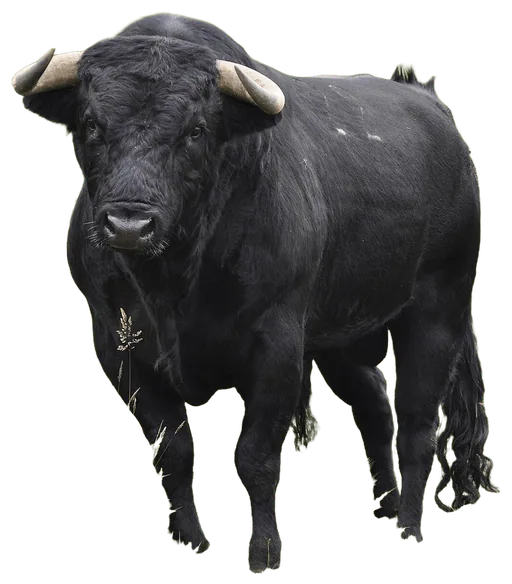
 Fight
FightPhoto: Santiago Molina N. · CC BY-SA 3.0
The fighting bull is a half-tonne Iberian cattle breed bred for courage: it charges again and again, hooks with long sharp horns and lifts its target off the ground. It is lighter and tires faster than wild buffalo and bison, but few animals match its willingness to attack.
 Attack71
  Defense58
  Agility61
  Stamina55
  Intelligence45
  Special48
 Detailed ratings
Research-backed ratings on one 0–100 scale for all 273 animals (updated 2026-09-28). How ratings work
Special abilities
Ability 1Hook-and-Lift GoringThe bull lowers its head to hook the target, then drives its neck upward to lift it off the ground and swings its head in a circle, spinning the victim on the horn and causing deep wounds, most often to the thigh and groin.
 Ability 2Relentless Charge
The breed is bred to charge moving targets again and again without backing off, with measurable heritability for aggressiveness and ferocity.
Unique traits
 TraitBred for Bravery
Kept reproductively isolated from other cattle for generations and divided into bloodlines (encastes) chosen for aggressive behavior, with cows tested for courage before breeding.
TraitRing-Standard BullSpanish rules fix the fighting bull's minimum age (four years), minimum weight by ring rank (460 kg for first-rank rings), intact and even horns and fully functional vision, making it one of the most tightly specified animals on the roster.
How it fights
Weapons
- The fighting bull's weapons are its horns, driven by a fast charge and a powerful neck. Medical studies of bullfighting injuries describe the mechanism: the bull lowers its head as it charges, hooks the target with one or both horns, then extends its neck with great force, lifts the victim off the ground and swings its head in a circle so the victim spins on the horn, causing extensive tissue damage. Across Spain, Portugal and southern France, 1,239 people were treated for bull-horn injuries between 2012 and 2019; goring was the most common mechanism and the thigh and groin the most frequent sites, with vascular damage in about a fifth of thigh and groin gorings.
 Struggles vs
- Tires quickly in prolonged fights.
- No armor; flanks and hindquarters are exposed.
- Charges moving targets, which a clever opponent can exploit.
- Lighter than wild buffalo, bison and gaur.
- Weight
- 520 kg1,146 lb
- Height
- 1.25 m4.1 ft
- Length
- 2.5 m8.2 ft
- Top speed
- No reliable measurement
- Bite force
- No reliable measurement
- Lifespan
- 20 years
- Home biome
- Savanna
- Lifestyle
- Social
Rated specimen: Healthy bull of four to five years at about 520 kg, the age and weight class fought in first-rank Spanish rings, which require bulls to be at least four years old and at least 460 kg.
Fun facts
- Spanish law sets minimum weights for bulls by ring category: 460 kg for first-rank rings.
- Both bulls and cows of the breed carry long horns.
- Aggressiveness in the breed is partly heritable, with estimates around 0.2 to 0.36.
- The breed's genealogical book is managed by a breeders' union founded in 1905.
- Bulls in the Pamplona encierro run about 850 m of streets in two to three minutes.
- A bull that performs exceptionally can be pardoned and retired to breed, living 20 years or more.
Closest rivals by power. Tap one for the full breakdown, or pick any opponent.
vs Sable AntelopeWins · 50% · Toss-up  W vs Black PantherLoses · 50% · Toss-up
  L vs Spectacled BearLoses · 51% · Toss-up
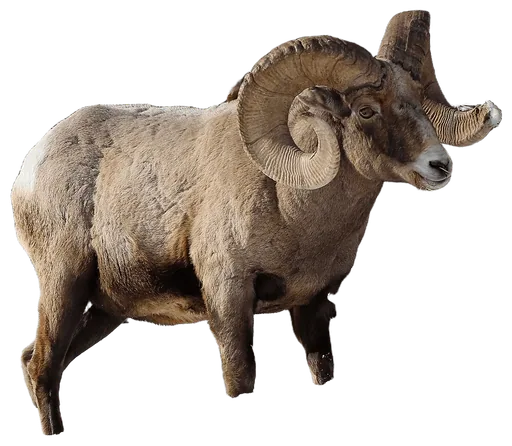
  L vs Bighorn SheepWins · 51% · Toss-up
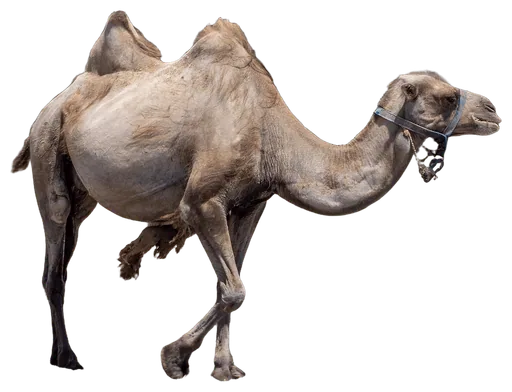
  W vs Bactrian CamelLoses · 51% · Toss-up
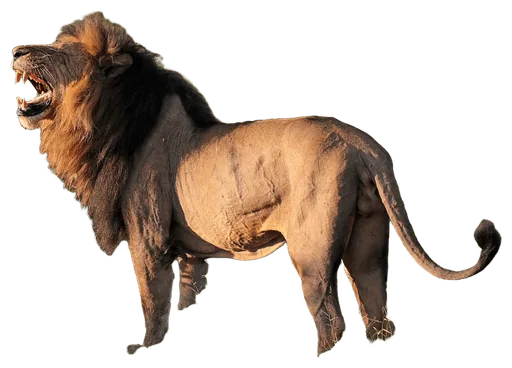
  L vs African LionLoses · 51% · Toss-up
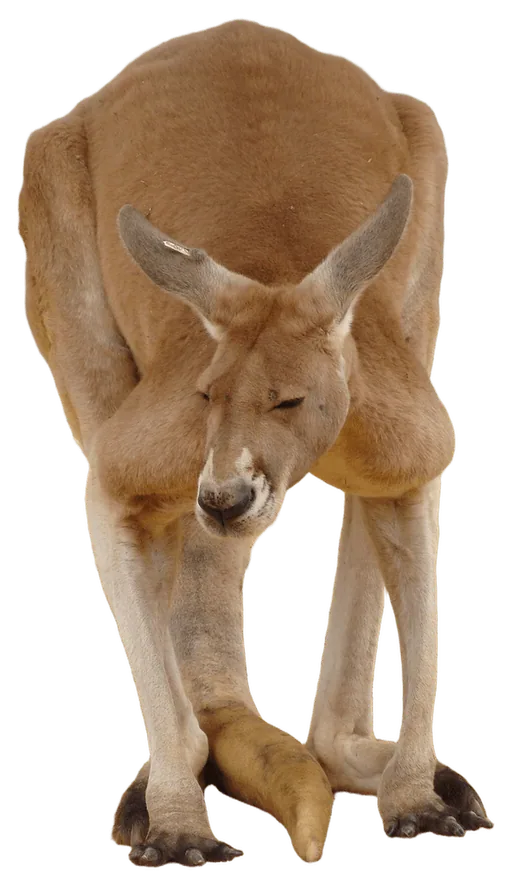
  L vs KangarooWins · 51% · Toss-up
  W vs Black BearWins · 51% · Toss-up
 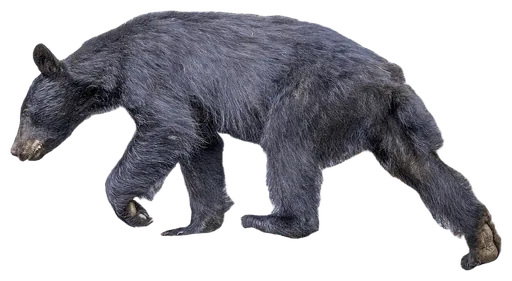 W
W  Pick any opponent
 Fighting Bull battle analysis
The toro de lidia is a domestic animal with the temperament of a wild one. Raised free-range on the open oak pastures of Spain, Portugal and southern France, it has been bred for generations for one quality above all: the drive to charge. Breeders test cows for courage before keeping them, keep bloodlines separate, and measure behaviors such as aggressiveness, ferocity and mobility, which studies show are partly heritable.
The result is a compact, muscular bull of about half a tonne with a massive neck hump and long horns. Its attack is simple and brutal. It lowers its head, hooks with one or both horns, then drives its neck upward and swings its head in a circle, lifting and spinning whatever it has caught. Medical records from bullfighting show just how effective that is, with deep thigh and groin wounds and damaged blood vessels the typical result.
For ABS, the fighting bull's standout number is Ferocity. Its Attack sits just below the heavier bison and Cape Buffalo, and its Defense well below them, because it is lighter and has no horn boss. Its Stamina is limited: blood studies show fast metabolic stress in extended runs. It is a sprinter with horns, dangerous in the first minutes of any encounter and vulnerable to an opponent that can avoid the horns and wait it out.
Habitat & range
Raised on extensive free-range estates mainly in the west and southwest of the Iberian Peninsula, and in southern France and numerous Central and South American countries where bullfighting is organized, including Mexico and Colombia.
Diet & hunting
A grazing herbivore that feeds on grasses and other pasture plants on its home estate, like other domestic cattle. Its ecology is managed by ranchers rather than shaped by predators.
Social life
Kept in free-range herds managed by ranchers. Breeding is controlled: a pardoned seed bull may be mated with some 30 cows, and bloodlines (encastes) are kept separate with little exchange of breeding animals.
Conservation
Not applicable as a wild species; it is a Domesticated breed. Spain lists the Lidia as a native breed in its official catalogue of livestock breeds, and its genealogical book is kept by the Unión de Criadores de Toros de Lidia, founded in 1905, representing more than 300 ranches in Spain, Portugal and France. The breed's many small, isolated bloodlines are a genetic management concern.
Quick answers
How strong is a Fighting Bull?
On the Animal Battle Stats scale, the Fighting Bull has an attack rating of 71 and a power index of 59.8 out of 100, which ranks it #67 of 273 animals and puts it in B tier (Strong). Its strongest stat is attack (71).
How much does a Fighting Bull weigh?
A typical adult Fighting Bull weighs about 520 kg (1,146 lb). Rated specimen: healthy bull of four to five years at about 520 kg, the age and weight class fought in first-rank Spanish rings, which require bulls to be at least four years old and at least 460 kg.
How fast is a Fighting Bull?
There is no reliable measured top speed for the Fighting Bull, so we do not publish one. Its agility rating, which covers acceleration, reflexes and evasion, is 61 out of 100.
What does a Fighting Bull eat?
A grazing herbivore that feeds on grasses and other pasture plants on its home estate, like other domestic cattle. Its ecology is managed by ranchers rather than shaped by predators.
Is the Fighting Bull endangered?
The Fighting Bull's conservation status is Domesticated. Not applicable as a wild species; it is a Domesticated breed. Spain lists the Lidia as a native breed in its official catalogue of livestock breeds, and its genealogical book is kept by the Unión de Criadores de Toros de Lidia, founded in 1905, representing more than 300 ranches in Spain, Portugal and France. The breed's many small, isolated bloodlines are a genetic management concern.
What animals can beat a Fighting Bull?
Among its closest rivals, the Black Panther (50%), the Spectacled Bear (51%), the Bactrian Camel (51%), the African Lion (51%) would be favored against the Fighting Bull. It would be favored against the Sable Antelope, the Bighorn Sheep, the Kangaroo, the Black Bear.
Researched 2026-09-28. Ratings are editorial judgments built from these sources; measurements describe a healthy adult male.
- Wikipedia, Spanish Fighting Bullmass, rules, horns, rearing
- Lomillos and Alonso 2020, Animalsmorphology, dimorphism
- BOE, Real Decreto 60/2001, prototipo racial de la raza bovina de lidiabreed standard
- MAPA, raza bovina Lidiabreed status, registry
- Genetic parameters of aggressiveness, ferocity and mobility in the fighting bull breedheritability
- Italian Journal of Animal Science 2017, behavioural traits in Lidiaheritability
- Pedigree analysis of the Lidia cattle breedpopulation structure
- Genetic relationships of the Portuguese Lidia populationsisolation
- Eight-year analysis of bullfighting injuries, Scientific Reports 2021goring mechanism, injuries
- Bull horn injuries, 40-year study of 572 patientsinjury severity
- Hematological and endocrine response of Lidia cattle, Animals 2025stamina
- Quality of Death in Fighting Bulls during Bullfightsexercise physiology
- San Fermín encierro guidesstreet-run speed
- Ayuntamiento de Pamplona, the encierroencierro context
- EcuRed, Toro de Lidiamass, height
- Atlas de Animales, toro de lidialength
- Aficionados International, the bullmass, lifespan, breeding
- Oklahoma State University, Fighting Cattlebreed overview
- Commons, Toro De Lidia En Colombiaimage candidate
Photo: “Toro De Lidia En Colombia.JPG” by Santiago Molina N., CC BY-SA 3.0, background removed and cropped. Original
Suggest a correction