

Fancy Rat
Rattus norvegicus domestica
 #296 of 344
  Forest Survivor Domesticated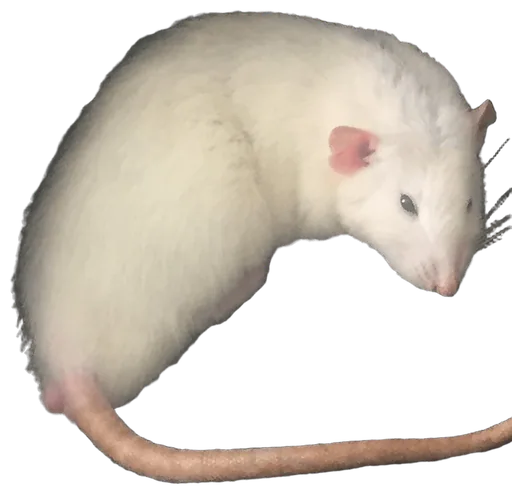
 Fight
FightPhoto: Wikieditor019 · CC0
The fancy rat is the tame, domestic form of the brown rat: a 0.5 kg climber, swimmer and problem-solver with sharp incisors, keen ears and a strong bite for its size. Clever and resilient, it is a real threat to mice and small birds but a lightweight on the absolute scale, with no armor and little reach.
 Attack13
  Defense8.5
  Agility78
  Stamina58
  Intelligence72
  Special56
 Detailed ratings
Research-backed ratings on one 0–100 scale for all 344 animals (updated 2026-09-28). How ratings work
Special abilities
Ability 1Urban InfiltratorClimbs slim metal poles, swims on the surface and underwater, and remembers routes through dark sewer and burrow networks, so it can reach, or escape through, places most predators cannot follow.
 Ability 2Ultrasonic Channel
Hears well into ultrasound and communicates with calls too high for human ears, including the 50 kHz chirps rats make when played with or tickled; in a matchup this mainly aids awareness, not damage.
Unique traits
 TraitTame Twin of the City Rat
The fancy rat is the same species as the wild brown rat but is tamer, learns faster, has lower stress-hormone levels and smaller organs, and fights by boxing rather than fleeing.
TraitToo Big for Most CatsCity brown rats often exceed 300 g, and a New York study recorded feral cats killing only three rats in five months, which is why cats make poor rat control.
How it fights
Weapons
- The rat's weapons are sharp incisors backed by a strong bite for its size, plus small claws for gripping. Wild brown rats kill poultry, game birds and island wildlife and are omnivorous predators of small animals. Rats fight each other by boxing upright, biting and wrestling. Domestic rats fight differently from wild ones: wild rats almost always flee a lost fight, while caged rats spend long periods in belly-up or boxing positions. Bites can transmit rat-bite fever to people, and an early fancy-rat breeder recorded nearly dying from infected bites.
 Struggles vs
- Tiny absolute mass and reach.
- No armor.
- Poor vision.
- Domestic rats have lost some of the wild rat's digging and swimming ability and fear.
- Weight
- 500 g17.6 oz
- Height
- No reliable measurement
- Length
- 25 cm9.8 in
- Top speed
- No reliable measurement
- Bite force
- No reliable measurement
- Lifespan
- 2.5 years
- Home biome
- Forest
- Lifestyle
- Social, nocturnal
Rated specimen: Healthy adult male (buck) of about 0.5 kg, a typical pet male rather than an obese or record animal.
Fun facts
- Rats make ultrasonic 50 kHz chirps when tickled, which researchers compare to laughter.
- Researchers bred rats for high and low "tickle laughter" in just four generations.
- Brown rats on Italy's Po River learned from each other to dive for mussels.
- The heaviest live brown rat on record weighed 822 g.
- In a New York City study, feral cats killed only three rats in five months of filming.
- Pet rats see poorly, about 20/600 vision in pigmented rats, but hear far into ultrasound.
Closest rivals by power. Tap one for the full breakdown, or pick any opponent.
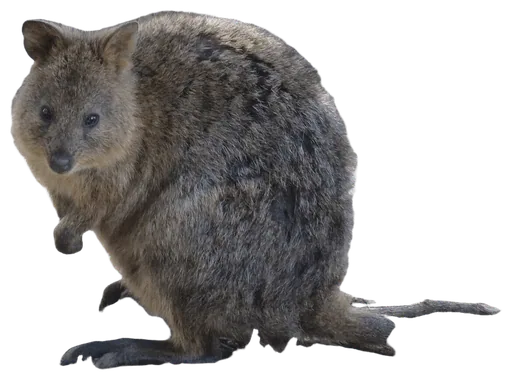
vs HedgehogLoses · 50% · Toss-up 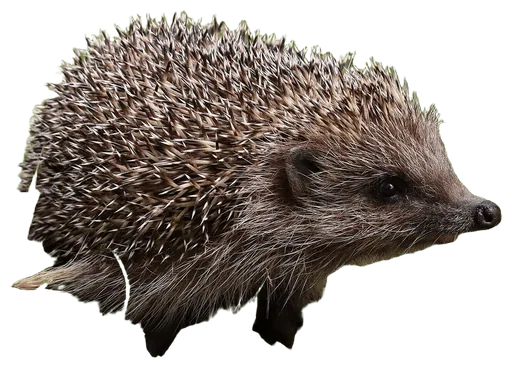 L vs QuokkaLoses · 50% · Toss-up
  L vs AlpacaWins · 51% · Toss-up
  W vs KoalaWins · 51% · Toss-up
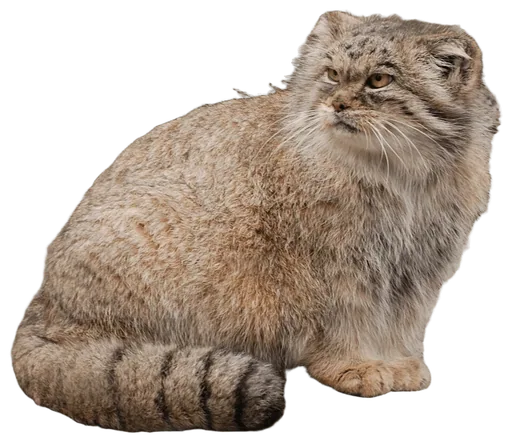
  W vs Pallas's CatLoses · 52% · Toss-up
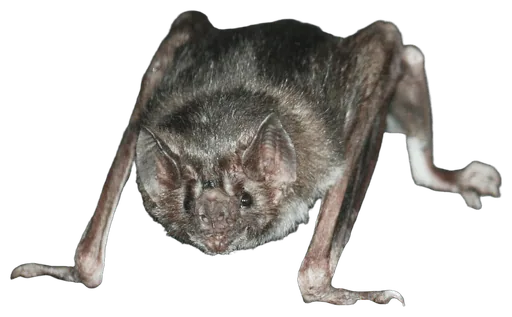
  L vs Vampire BatWins · 52% · Toss-up
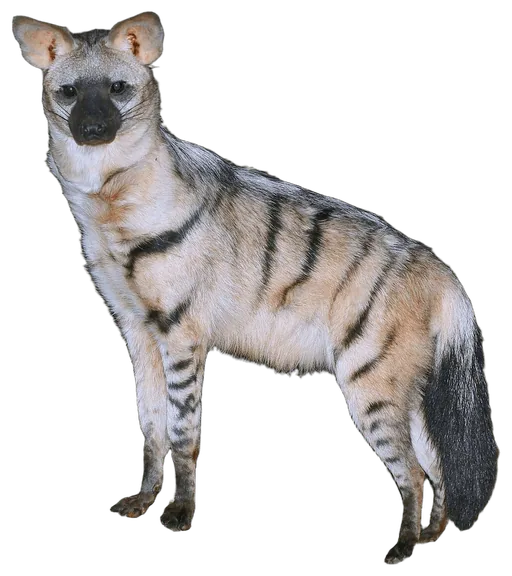
  W vs AardwolfLoses · 52% · Toss-up
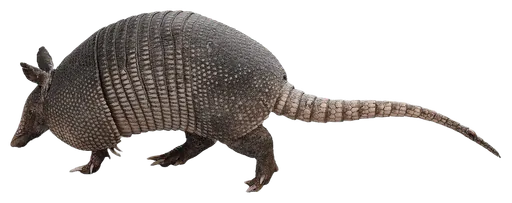
  L vs ArmadilloWins · 52% · Toss-up
  W
W  Pick any opponent
 Fancy Rat battle analysis
The fancy rat is the brown rat that learned to live on people's shoulders. It shares its body plan with the wild city rat: a compact, long-tailed rodent with sharp, ever-growing incisors, a keen nose, whiskers that map the dark, and hearing that extends far into ultrasound. It climbs slim poles, swims well and remembers complex routes, and it is one of the most studied learners in science.
In a fight, a rat bites fast and hard for its size and grips with its claws, and wild rats kill poultry, eggs and small wildlife. Domestication has softened its temper: pet rats are tame, box and wrestle instead of fleeing, and rarely bite people unless frightened. On the absolute ABS scale, however, even a large 0.5 kg male has very little power or protection. It scores low in Attack and Defense but high in Agility and Intelligence.
Its wild counterpart shows the species' resilience. Brown rats thrive in cities worldwide, often grow too big for cats to tackle, and have spread to islands where they threaten native animals. The pet version keeps the same senses and intelligence in a gentler package.
Habitat & range
Fancy rats live in homes worldwide. Their wild counterpart, the brown rat, lives almost everywhere people do, in cities, sewers, farms, docks, riverbanks and on islands, often near water.
Diet & hunting
Omnivorous: grain, seeds, fruit, vegetables, meat, insects, eggs and human food waste. Wild brown rats disperse seeds and aerate soil with their burrows, but they also kill poultry and game birds and have driven many island species toward extinction. They carry diseases and parasites that affect people and livestock.
Social life
Large hierarchical colonies. Dominant rats outcompete subordinates for food and mates; young rats play-fight constantly. Pet rats are best kept in same-sex groups.
Conservation
Domesticated as the fancy rat. The wild brown rat is Least Concern and is itself one of the world's most damaging invasive mammals.
Quick answers
How strong is a Fancy Rat?
On the Animal Battle Stats scale, the Fancy Rat has an attack rating of 13 and a power index of 37 out of 100, which ranks it #296 of 344 animals and puts it in D tier (Underdog). Its strongest stat is agility (78).
How much does a Fancy Rat weigh?
A typical adult Fancy Rat weighs about 500 g (17.6 oz). Rated specimen: healthy adult male (buck) of about 0.5 kg, a typical pet male rather than an obese or record animal.
How fast is a Fancy Rat?
There is no reliable measured top speed for the Fancy Rat, so we do not publish one. Its agility rating, which covers acceleration, reflexes and evasion, is 78 out of 100.
What does a Fancy Rat eat?
Omnivorous: grain, seeds, fruit, vegetables, meat, insects, eggs and human food waste. Wild brown rats disperse seeds and aerate soil with their burrows, but they also kill poultry and game birds and have driven many island species toward extinction. They carry diseases and parasites that affect people and livestock.
Is the Fancy Rat endangered?
The Fancy Rat's conservation status is Domesticated. Domesticated as the fancy rat. The wild brown rat is Least Concern and is itself one of the world's most damaging invasive mammals.
What animals can beat a Fancy Rat?
Among its closest rivals, the Hedgehog (50%), the Quokka (50%), the Pallas's Cat (52%), the Aardwolf (52%) would be favored against the Fancy Rat. It would be favored against the Alpaca, the Koala, the Vampire Bat, the Armadillo.
Researched 2026-09-28. Ratings are editorial judgments built from these sources; measurements describe a healthy adult male.
- Wikipedia, Fancy ratdomestic identity, lifespan, behavior, history
- Wikipedia, Brown ratsize, senses, cognition, sociality, status
- Animal Diversity Web, Rattus norvegicusmass, lifespan, swimming, memory, ecology
- Merck Veterinary Manual, rat description (pet owner)mass, dimorphism, lifespan
- Heffner et al. 1994, Hearing Researchhearing
- Panksepp and Burgdorf 2000, Behavioural Brain Researchultrasonic communication
- Parsons et al. 2018, Frontiers in Ecology and Evolutionpredator interaction
- Brocklehurst et al. 2026, Communications Biologybite
Photo: “A curled up male Fancy Rat.jpg” by Wikieditor019, CC0, background removed and cropped. Original
Suggest a correction