

Ethiopian Wolf
Canis simensis
 #176 of 341
  Mountains Hunter Endangered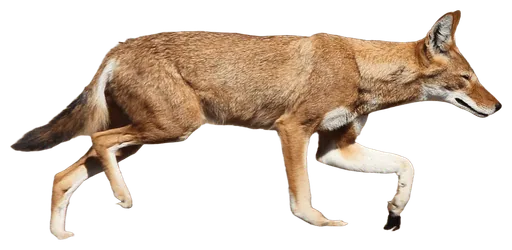
 Fight
FightPhoto: Laika ac · CC BY-SA 2.0
The Ethiopian wolf is a rare, coyote-sized red wolf that lives only on the high plateaus of Ethiopia. At about 17 kg it is a fast, sharp-eyed rodent specialist that pounces on mole-rats and even hunts among gelada troops, but its light jaws and small size leave it outmatched by larger predators.
 Attack37
  Defense24
  Agility78
  Stamina72
  Intelligence74
  Special62
 Detailed ratings
Research-backed ratings on one 0–100 scale for all 341 animals (updated 2026-09-28). How ratings work
Special abilities
Ability 1Mole-Rat PounceIt stands motionless over a burrow system, then pounces the moment a rodent appears, and digs furiously when it misses. Rodents made up 95.8% of prey items in one study.
 Ability 2Gelada Cover Hunt
It walks among grazing gelada troops and cattle herds, which hide its approach, and catches rodents far more often when hunting inside a gelada troop.
Unique traits
 TraitRoof-of-Africa Wolf
It lives only in seven isolated Ethiopian mountain ranges at about 3,000–4,500 m, with only a few hundred adults left.
TraitNectar LickerIt licks nectar from red-hot poker flowers and carries pollen on its muzzle, making it a possible pollinator, something almost unknown in large carnivores.
How it fights
Weapons
- The Ethiopian wolf is a specialist rodent hunter. Its long, narrow muzzle and small, widely spaced teeth are built for seizing small animals quickly, not for holding and tearing large prey. Rodents made up 95.8% of prey items in one study, dominated by the big-headed African mole-rat (up to about 900 g) and grass rats. It also takes highland hares and, occasionally hunting in a group, young antelopes and lambs. Against an opponent of its own size its bite is a real weapon, but it has little experience subduing large, dangerous animals.
 Struggles vs
- Only about 17 kg, with small, widely spaced teeth.
- Little experience fighting or killing large, dangerous animals.
- No armor.
- Susceptible to diseases carried by dogs, notably rabies and canine distemper.
- Weight
- 17 kg37 lb
- Height
- 60 cm23.6 in
- Length
- 98 cm38.6 in
- Top speed
- No reliable measurement
- Bite force
- No reliable measurement
- Lifespan
- 8.5 years
- Home biome
- Mountains
- Lifestyle
- Social
Rated specimen: Healthy mature adult male of about 17.0 kg, head-body about 98 cm, shoulder height about 60 cm.
Fun facts
- It is Africa's most endangered carnivore.
- Rodents made up almost 96% of its prey in one study.
- It licks nectar from red-hot poker flowers and may help pollinate them.
- It hunts among gelada monkey troops, which improves its rodent catch.
- Its howls can be heard about 5 km away.
- Even though it lives in packs, it usually hunts alone.
Closest rivals by power. Tap one for the full breakdown, or pick any opponent.
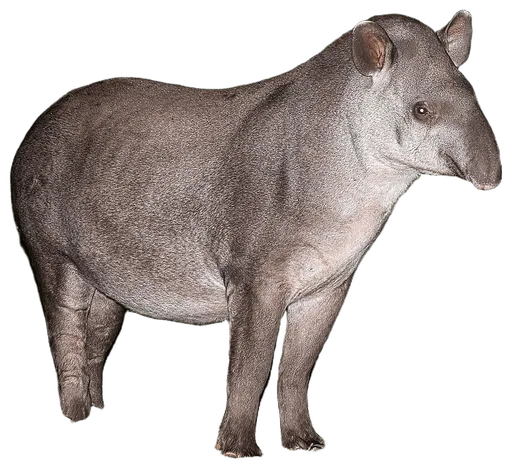
vs Maned WolfWins · 50% · Toss-up 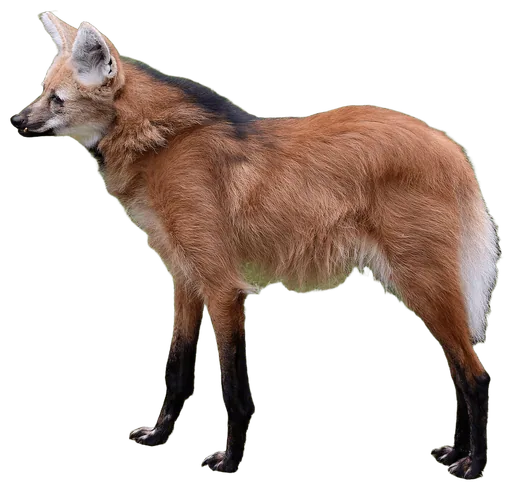 W vs TapirWins · 50% · Toss-up
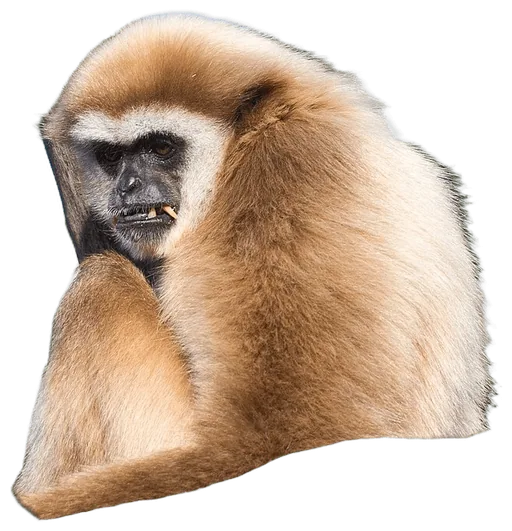
  W vs GibbonWins · 50% · Toss-up
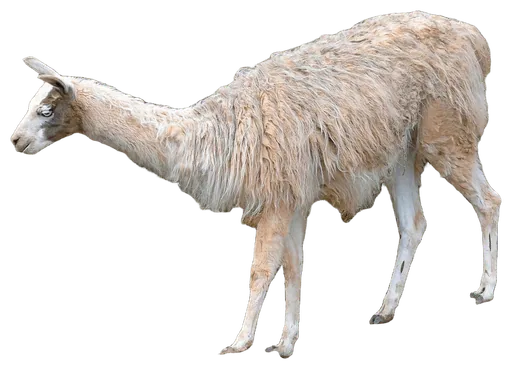
  W vs LlamaWins · 50% · Toss-up
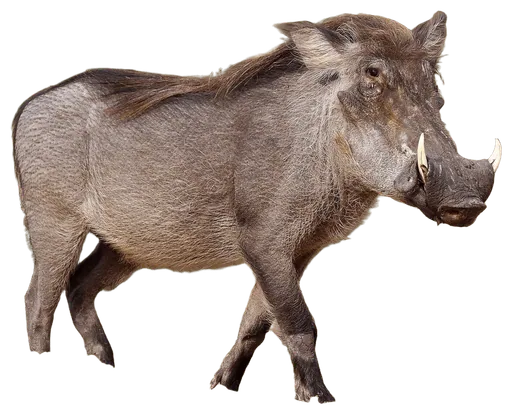
  W vs WarthogWins · 50% · Toss-up
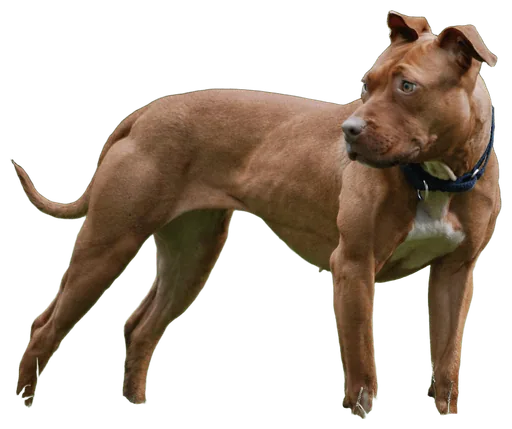
  W vs American Pit Bull TerrierWins · 50% · Toss-up
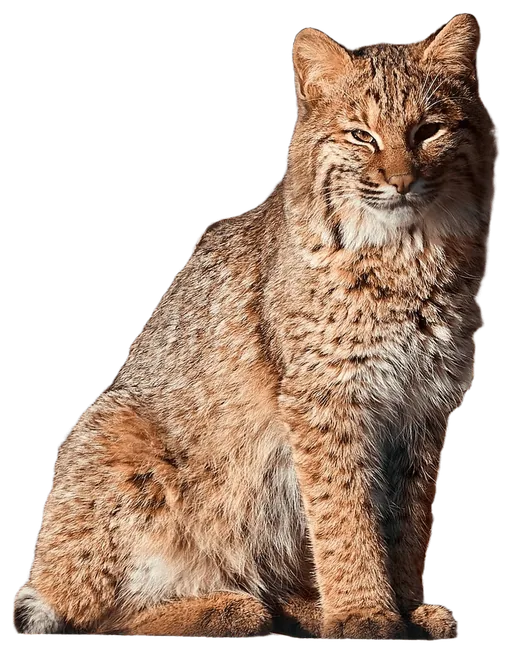
  W vs BobcatWins · 51% · Toss-up
  W vs ServalLoses · 51% · Toss-up
 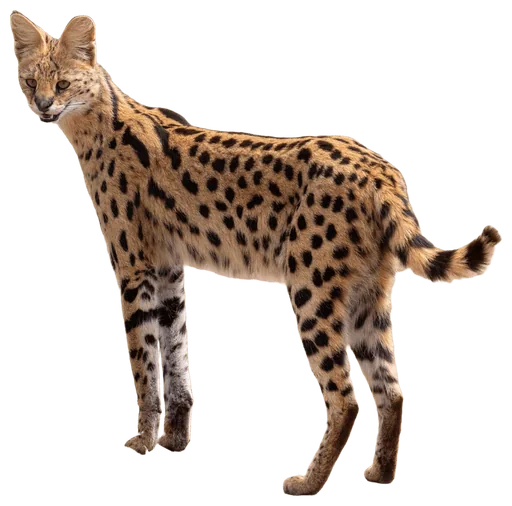 L
L  Pick any opponent
 Ethiopian Wolf battle analysis
The Ethiopian wolf is one of the most striking canids in the world: a slender, long-legged animal with a fox-red coat, white throat and chest, and a long, narrow muzzle. A mature male weighs about 17 kg, about the same as a coyote. It lives only above about 3,000 m on Ethiopia's Afroalpine plateaus, where giant lobelias grow and the ground is honeycombed with rodent burrows.
It is a specialist in a family of generalists. Almost all of its prey are rodents, especially mole-rats, which it catches by standing motionless over a burrow and pouncing, or by digging them out. Its skull and small, widely spaced teeth suit that job well. It also uses clever tricks: it forages among cattle and among troops of gelada monkeys, where rodents seem less wary, and it licks nectar from red-hot poker flowers.
Ethiopian wolves live in close-knit packs that patrol and defend small territories together, yet they hunt alone. In a battle context the species is a light, quick canid with good senses and tactics but a weak weapon set for large opponents. It rates just below the coyote in Attack and well below the gray wolf, while its Intelligence and Agility stay in the upper band for medium canids.
Habitat & range
Endemic to the Ethiopian Highlands. It lives in Afroalpine grassland and heathland above about 3,000 m, in a mosaic of tussock grass, Euryops bushes and giant lobelias favoured by its rodent prey. More than half of the population lives in the Bale Mountains, with smaller populations in the Simien, Arsi and other ranges.
Diet & hunting
Almost entirely a rodent specialist: big-headed African mole-rats in Bale, Northeast African mole-rats where the larger species is absent, plus grass rats, brush-furred rats and highland hares. It occasionally hunts young antelopes and lambs in groups, scavenges, and licks nectar from Kniphofia foliosa flowers. As the top predator of the Afroalpine zone it helps control rodent numbers.
Social life
Packs of related males with a few females share a territory, patrol it together, scent mark and greet each other with group yip-howls, but forage mainly alone. Males usually stay in their birth pack for life, while most females disperse at about two years. Mating outside the pack is common.
Conservation
Endangered on the IUCN Red List. The 2011 estimate was 360–440 adults, and the Ethiopian Wolf Conservation Programme describes some 500 surviving in small populations. It was listed as Critically Endangered in 1994 after rabies outbreaks and shooting devastated Bale packs. Main threats are habitat loss from farming and overgrazing, disease from domestic dogs (in 2019 rabies and canine distemper struck the same population at once), road deaths and hybridisation with dogs. Habitat models project that suitable climate may shrink sharply under climate change. Conservation relies on dog vaccination, wolf vaccination, monitoring and community programmes; in 2024–25 the programme monitored 41 packs in six populations.
Quick answers
How strong is an Ethiopian Wolf?
On the Animal Battle Stats scale, the Ethiopian Wolf has an attack rating of 37 and a power index of 50.3 out of 100, which ranks it #176 of 341 animals and puts it in C tier (Capable). Its strongest stat is agility (78).
How much does an Ethiopian Wolf weigh?
A typical adult Ethiopian Wolf weighs about 17 kg (37 lb). Rated specimen: healthy mature adult male of about 17.0 kg, head-body about 98 cm, shoulder height about 60 cm.
How fast is an Ethiopian Wolf?
There is no reliable measured top speed for the Ethiopian Wolf, so we do not publish one. Its agility rating, which covers acceleration, reflexes and evasion, is 78 out of 100.
What does an Ethiopian Wolf eat?
Almost entirely a rodent specialist: big-headed African mole-rats in Bale, Northeast African mole-rats where the larger species is absent, plus grass rats, brush-furred rats and highland hares. It occasionally hunts young antelopes and lambs in groups, scavenges, and licks nectar from Kniphofia foliosa flowers. As the top predator of the Afroalpine zone it helps control rodent numbers.
Is the Ethiopian Wolf endangered?
The Ethiopian Wolf's conservation status is Endangered. Endangered on the IUCN Red List. The 2011 estimate was 360–440 adults, and the Ethiopian Wolf Conservation Programme describes some 500 surviving in small populations. It was listed as Critically Endangered in 1994 after rabies outbreaks and shooting devastated Bale packs. Main threats are habitat loss from farming and overgrazing, disease from domestic dogs (in 2019 rabies and canine distemper st
What animals can beat an Ethiopian Wolf?
Among its closest rivals, the Serval (51%) would be favored against the Ethiopian Wolf. It would be favored against the Maned Wolf, the Tapir, the Gibbon, the Llama, the Warthog, the American Pit Bull Terrier, the Bobcat.
Researched 2026-09-28. Ratings are editorial judgments built from these sources; measurements describe a healthy adult male.
- Animal Diversity Web, Canis simensismass, length, lifespan, pack size, diet, howl range
- Wikipedia, Ethiopian wolfheight, teeth, status, population, hunting tactics, cattle and gelada associations
- Ethiopian Wolf Conservation Programmepopulation, monitoring
- Wikipedia, Bite force quotientrelative bite strength
- Sillero-Zubiri (2024), Ecologynectar feeding
- Marino et al. (2024), Emerging Infectious Diseasesdisease threat
- Berhanu, Tassie & Sintayehu (2022), Heliyonhabitat and climate risk
- BMC Ecology and Evolution (2022), human–livestock predator conflict in Balelivestock conflict
- Commons, Canis simensis (Forest Botial-Jarvis)image candidate
Photo: “Ethiopian wolf side view.jpg” by Laika ac, CC BY-SA 2.0, background removed and cropped. Original
Suggest a correction