
Emu
Dromaius novaehollandiaeC tier · Capable14th of 55 birds
Size & speed

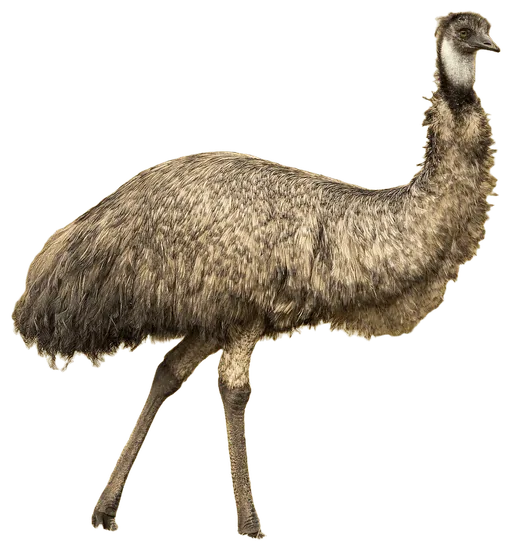
- Weight
- 57.5 kg127 lb
- Height
- 1.75 m5.7 ft
- Top speed
- 50 km/h31 mph
About as heavy as a person
Heavier than 66% of animalsAbout as tall as a person is tall
Bigger than 68% of animalsFaster than Usain Bolt (44.7 km/h)
Faster than 57% of animalsAustralia's largest native bird is a fast, long-legged endurance runner whose main weapon is a powerful clawed-foot kick. A large female can approach 60 kg and sprint around 50 km/h, but the emu's real advantage is sustained terrestrial mobility rather than armor or predator-grade jaws.
Detailed ratings
Research-backed ratings on one 0–100 scale for all 344 animals (updated 2026-09-27). How ratings work


Card No. 157 of 344. Every animal on Animal Battle Stats has one: its power, tier and archetype on the front; its six battle stats, abilities and signature move on the back.
Special abilities
Long, heavily muscled hindlimbs can convert a defensive retreat or close approach into a forceful clawed-foot kick while keeping the torso relatively distant.
Cursorial pelvic-limb anatomy supports sustained terrestrial travel as the bird tracks patchy food and rainfall across large Australian landscapes.
Unique traits
The emu's gastrocnemius has four muscle bellies rather than the usual avian three, a peer-reviewed specialization associated with cursorial locomotion.
Shaggy double-shafted feathers reduce direct solar heat load and help the bird function in exposed Australian habitats.
How it fights
Weapons
- The emu's combat system is leg-dominant. It keeps its torso elevated above the opponent and uses long, muscular hindlimbs to kick while maintaining distance. Zoo and ADW accounts explicitly identify powerful kicks as predator defense and describe the potential for serious injury. This is meaningful offense from a roughly 58 kg bird, but it is far below the absolute impact available to ostrich-sized or mammalian megafauna.
Struggles vs
- Dense clutter restricts long-stride running and kick spacing.
- Slippery or unstable footing reduces the value of bipedal leg power.
- Confined spaces allow grapplers to bypass its preferred distance.
- Long neck and legs are comparatively exposed to bites or tackles.
- Despite arid-range mobility, Smithsonian notes that emus require regular access to fresh water.
- Weight
- 57.5 kg127 lb
- Height
- 1.75 m5.7 ft
- Length
- 1.5 m4.9 ft
- Top speed
- 50 km/h31 mph
- Bite force
- No reliable measurement
- Lifespan
- 10 years
- Home biome
- Desert
- Lifestyle
- Social
Rated specimen: Healthy mature female, 57.5 kg, 175.0 cm standing height, approximately 150.0 cm bill-to-tail body length.
Fun facts
- Emus are Australia's tallest native birds and the second-largest living birds by height after ostriches.
- They have three forward-facing toes and no hind toe.
- Peer-reviewed anatomy identifies a unique four-bellied gastrocnemius among birds.
- They can swim despite being specialized terrestrial runners.
- Male emus incubate the eggs and care for the chicks.
- Female emus are generally larger than males and can compete aggressively for mates.
Closest rivals by power. Tap one for the full breakdown, or pick any opponent.
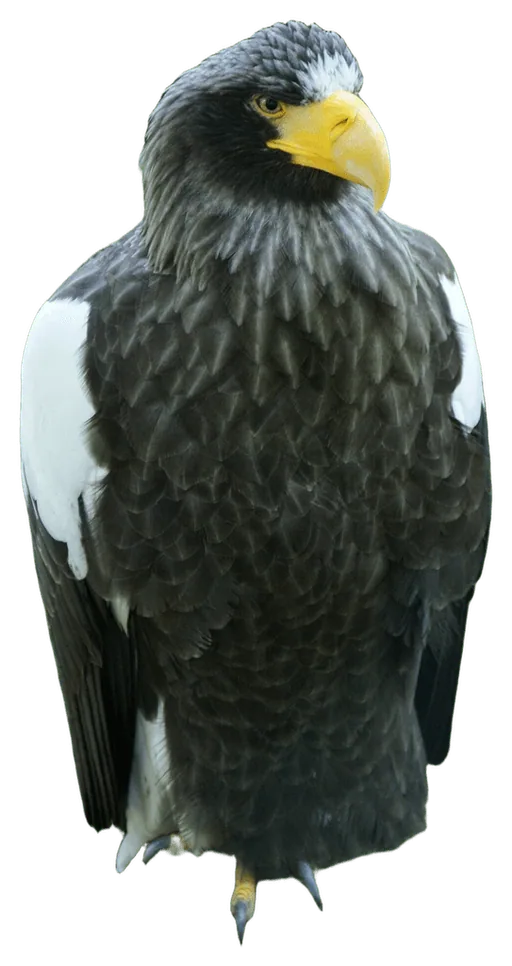
vs Philippine EagleWins · 63% · Slight edge 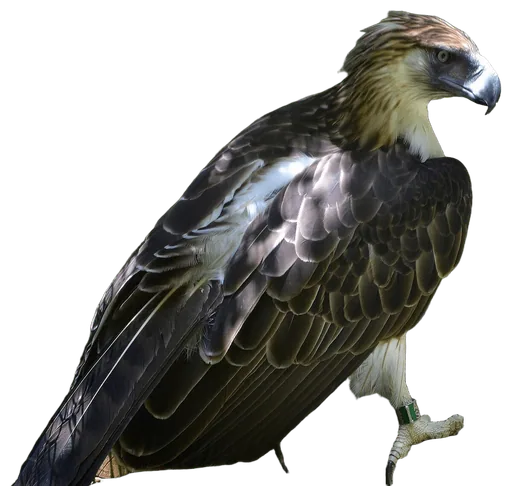 W vs Steller's Sea EagleWins · 61% · Slight edge
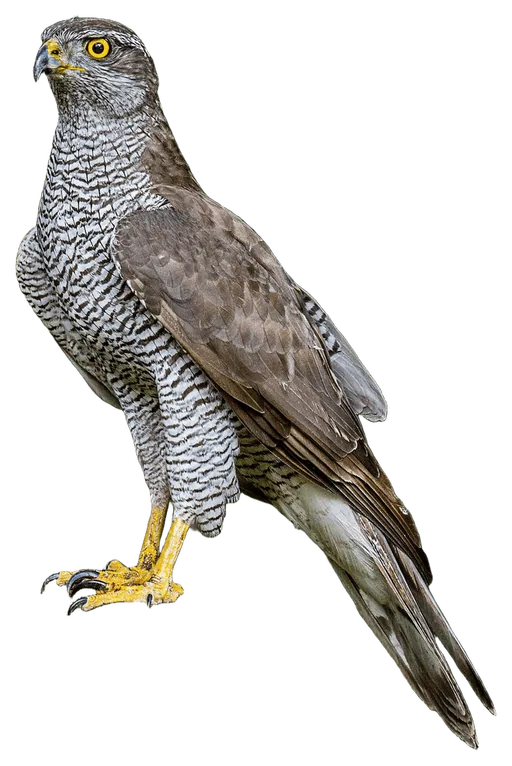
 W vs Northern GoshawkWins · 70% · Clear edge
 W vs Red-tailed HawkWins · 70% · Clear edge
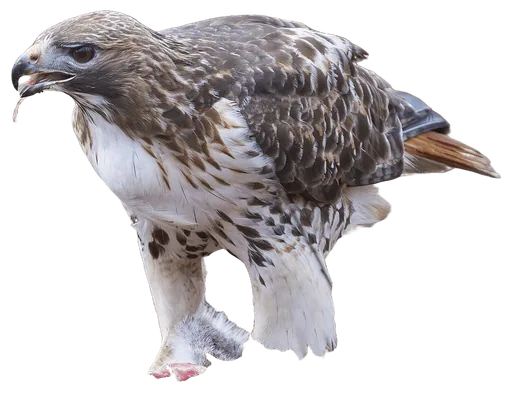 W vs OspreyWins · 70% · Clear edge
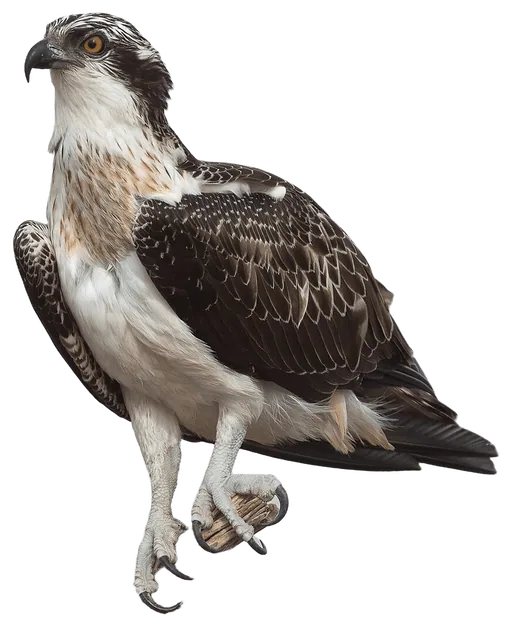 W vs Wedge-tailed EagleWins · 64% · Slight edge
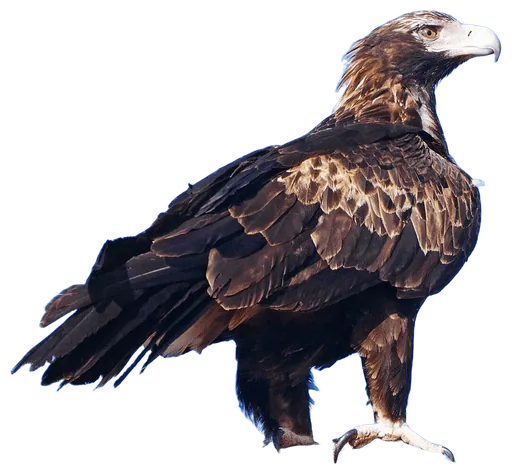 W vs Harpy EagleWins · 60% · Slight edge
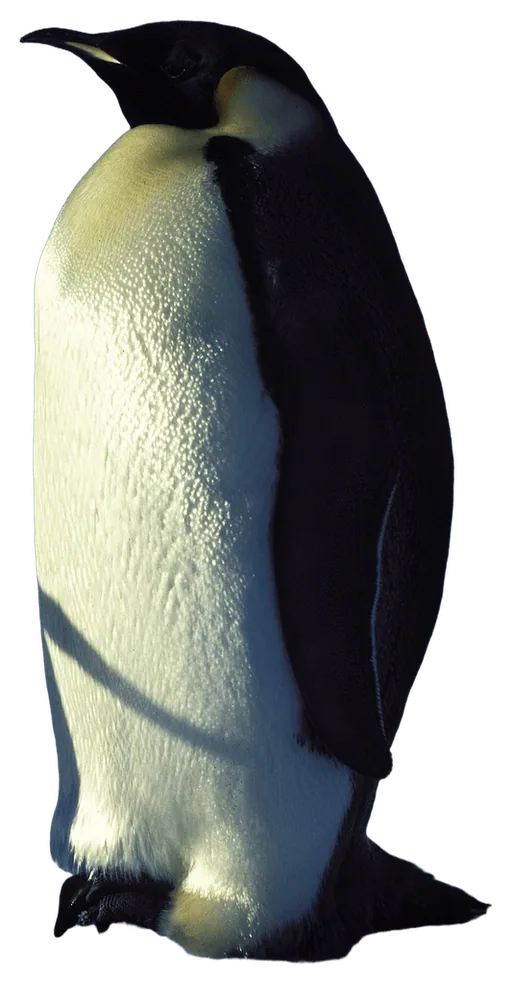
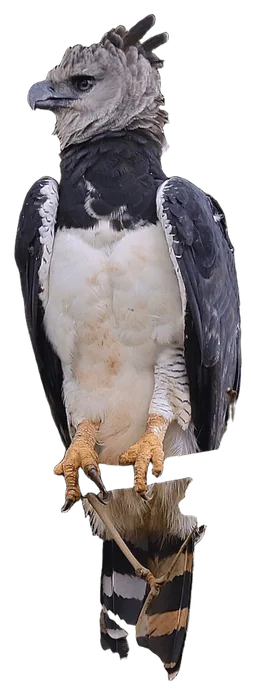 W vs Emperor PenguinWins · 51% · Toss-up
 W
Emu battle analysis
The emu is best understood as a large cursorial bird, not as a scaled-down ostrich or cassowary. Its hindlimbs dominate both movement and defense. Peer-reviewed anatomy shows unusually heavy investment in the pelvic-limb system, including a four-bellied gastrocnemius and developmental increases in force-generating muscle and tendon capacity. In open country, those legs let an emu cover substantial daily distances, sprint away from danger, and punish an opponent that closes carelessly.
That specialization has limits. At roughly 57.5 kg, the canonical female is formidable relative to many birds but not large on the full ABS roster. She has no armor, no crushing jaw, no venom and no cassowary-like dagger claw. The neck and lower legs remain exposed, and a strong grappler that gets inside kicking range can turn the bird's long-limbed geometry against it. Accordingly, the profile gives the emu high Stamina and strong Agility, moderate Attack, and only modest Defense and Special.
Ecologically, the same mobility that helps in a matchup shapes the species' Australian role. Emus track rainfall and seasonal foods over large areas and carry seeds across fragmented landscapes. Their diet is flexible enough to shift geographically with plant availability. During breeding, sex roles are unusual: larger females compete for mates, while males perform the prolonged incubation and chick-defense phase. The result is a species whose battle-relevant biology is grounded in leg power, distance movement, vigilance and behavioral flexibility rather than exaggerated folklore.
Habitat & range
The emu is endemic to Australia and widespread across much of the mainland. It occupies sclerophyll forest, savanna woodland, grassland, shrubland and sand plains, while being less common in rainforest, dense settlement and the driest regions without adequate resources.
Diet & hunting
Emus are generalist omnivores. CSIRO-era dietary research found fruits, seeds, flowers, insects and green herbage, with seasonal shifts in the dominant food sources. A 2013 study recovered seeds of 29 plant species from 221 scats. A 2006 study found 77 plant species in 112 droppings, at least 68 with viable seeds, demonstrating an important long-distance seed-dispersal role. A 2026 stable-isotope analysis found geographically flexible diets with an overall preference for C3 plants and adjustment to local availability.
Social life
Emus are often solitary or in pairs but can aggregate where food or movement conditions concentrate birds. These temporary mobs should not be interpreted as coordinated combat groups. Breeding relationships are behaviorally complex, with pair bonds, extra-pair mating and sequential mating documented.
Conservation
Major contemporary sources classify the species as Least Concern overall, but local populations can decline or become isolated. Habitat clearing, fencing, vehicle strikes, drought/fire and regional land-use changes can matter even when the continental species remains widespread.
Quick answers
How strong is an Emu?
On the Animal Battle Stats scale, the Emu has an attack rating of 44 and a power index of 51.8 out of 100, which ranks it #157 of 344 animals and puts it in C tier (Capable). Its strongest stat is stamina (83).
How much does an Emu weigh?
A typical adult Emu weighs about 57.5 kg (127 lb). Rated specimen: healthy mature female, 57.5 kg, 175.0 cm standing height, approximately 150.0 cm bill-to-tail body length.
How fast is an Emu?
The Emu's top speed is about 50 km/h (31 mph). Its agility rating is 72 out of 100.
What does an Emu eat?
Emus are generalist omnivores. CSIRO-era dietary research found fruits, seeds, flowers, insects and green herbage, with seasonal shifts in the dominant food sources. A 2013 study recovered seeds of 29 plant species from 221 scats. A 2006 study found 77 plant species in 112 droppings, at least 68 with viable seeds, demonstrating an important long-distance seed-dispersal role. A 2026 stable-isotope analysis found geographically flexible diets with an overall preference for C3 plants and adjustment to local availability.
Is the Emu endangered?
No. The Emu is listed as Least Concern. Major contemporary sources classify the species as Least Concern overall, but local populations can decline or become isolated. Habitat clearing, fencing, vehicle strikes, drought/fire and regional land-use changes can matter even when the continental species remains widespread.
What animals can beat an Emu?
The Emu is favored against all of its closest rivals, including the Philippine Eagle, the Steller's Sea Eagle, the Northern Goshawk, the Red-tailed Hawk, the Osprey, the Wedge-tailed Eagle, the Harpy Eagle, the Emperor Penguin.
Researched 2026-09-27. Ratings are editorial judgments built from these sources; measurements describe a healthy adult female.
- Smithsonian National Zoosex-specific mass, height, lifespan, ecology
- San Diego Zoosize, maturity, lifespan, swimming
- Australian Museumadult morphology, height, range, reproduction, daily movement
- Animal Diversity Webspeed, mass, reproduction, behavior
- National Zoo & Aquarium Australiasprint speed, size, reproduction
- Patak & Baldwin, Journal of Morphologycursorial hindlimb anatomy
- Lamas et al., PeerJ/PubMedontogenetic limb mechanics
- Goetz et al., Journal of Biomechanicswalking loads
- Lin et al., JEB 2024muscle dynamics
- MacLeod et al., J Comparative Neurologyhearing localization physiology
- Dunstan et al., Emudiet/seed dispersal
- Calviño-Cancela et al., Ecographylong-distance seed dispersal
- Ryeland et al., Ecosphere 2026geographic diet flexibility/movement context
- Wikimedia Commons / Donald Hobernimage provenance
Photo: “Emu 1 - Tidbinbilla.jpg” by JJ Harrison ( https://www.jjharrison.com.au/ ), CC BY-SA 4.0, background removed and cropped. Original
Suggest a correction