
Elk
Cervus canadensisB tier · Strong56th of 163 mammals
Size & speed

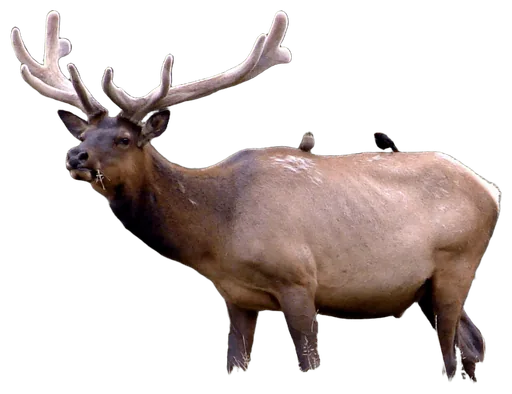
- Weight
- 320 kg705 lb
- Length
- 2.4 m7.9 ft
As heavy as 4.6 people
Heavier than 86% of animalsAbout as long as a person is tall
Bigger than 78% of animalsThe elk is a 300-plus-kilogram North American cervid whose mature bulls carry one of the most imposing seasonal weapons among living deer. Its battle profile centers on long multi-tined antlers, strong neck and shoulder musculature, dangerous hooves, good large-ungulate mobility and strong migratory endurance. It is formidable head-on during the rut but lacks armor and remains vulnerable to larger megafauna and predators that can bypass the rack.
Detailed ratings
Research-backed ratings on one 0–100 scale for all 344 animals (updated 2026-09-18). How ratings work


Card No. 90 of 344. Every animal on Animal Battle Stats has one: its power, tier and archetype on the front; its six battle stats, abilities and signature move on the back.
Special abilities
A mature bull's ~55-60 inch multi-tined antlers create long frontal reach for wrestling, hooking, shoving and threat display.
When close contact bypasses the rack, powerful forelegs can strike and stamp; Yellowstone notes antlerless bulls use front hooves in disputes and can cause injury.
Unique traits
Bulls grow, harden, wield and then shed a massive bony weapon every year; mature antlers can grow roughly two-thirds of an inch per day late in growth.
Bulls use bugling and displays to locate and assess rivals before escalating to direct antler wrestling, reducing unnecessary contact while coordinating rut competition.
- Weight
- 320 kg705 lb
- Height
- 1.52 m5 ft
- Length
- 2.4 m7.9 ft
- Top speed
- No reliable measurement
- Bite force
- No reliable measurement
- Lifespan
- 15 years
- Home biome
- Forest
- Lifestyle
- Social
Rated specimen: Healthy mature Rocky Mountain-type bull, about 5+ years old, in hard-antler breeding condition.
Fun facts
- Yellowstone reports a typical healthy mature bull's antlers just under six feet wide.
- A mature rack can weigh about 30 lb per pair and is regrown annually.
- Roughly 70% of mature-bull antler growth occurs in the latter half of the growth period.
- Bulls commonly retain antlers through winter, and NPS notes this can reduce injuries because antlerless hoof fighting is more dangerous.
- Yellowstone elk are a major food source for wolves, bears, cougars and scavengers.
Closest rivals by power. Tap one for the full breakdown, or pick any opponent.
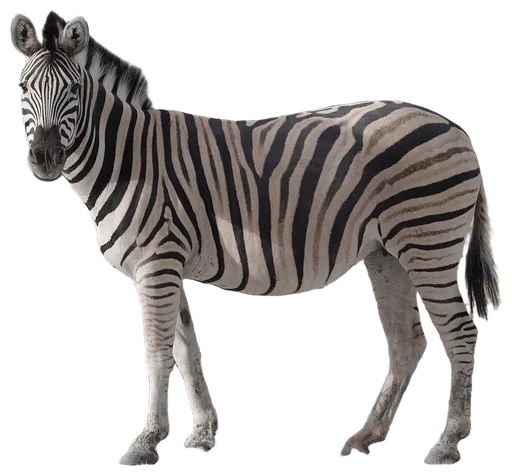
vs Arctic WolfWins · 62% · Slight edge 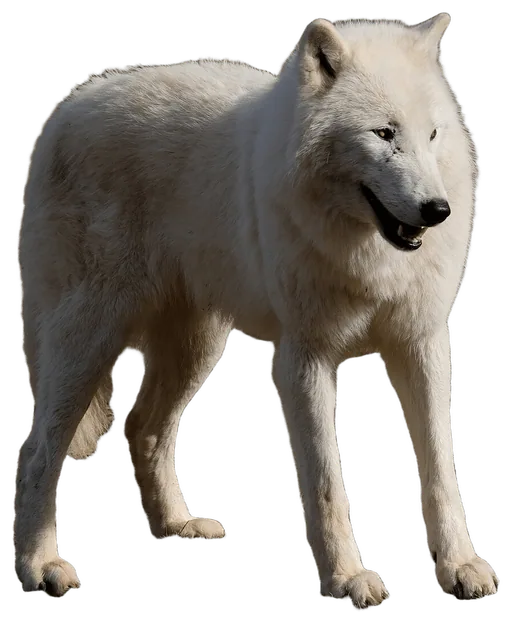 W vs ZebraDraw · 50-50 · Dead even
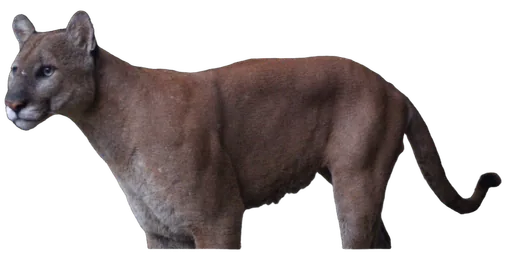
 D vs CougarWins · 58% · Slight edge
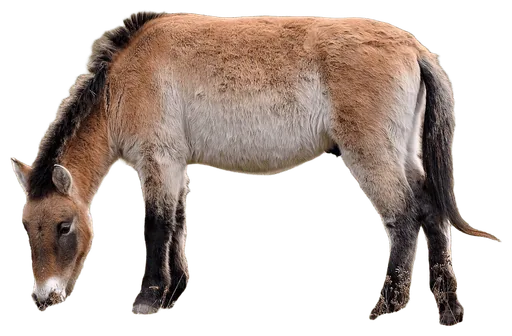
 W vs Wild HorseWins · 51% · Toss-up
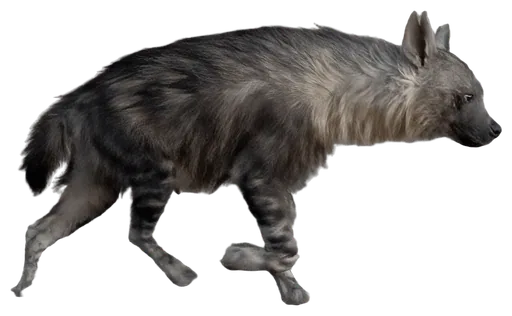
 W vs Brown HyenaWins · 63% · Slight edge
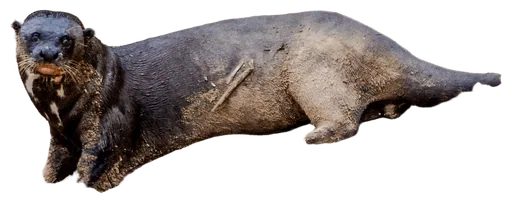
 W vs Giant OtterWins · 62% · Slight edge
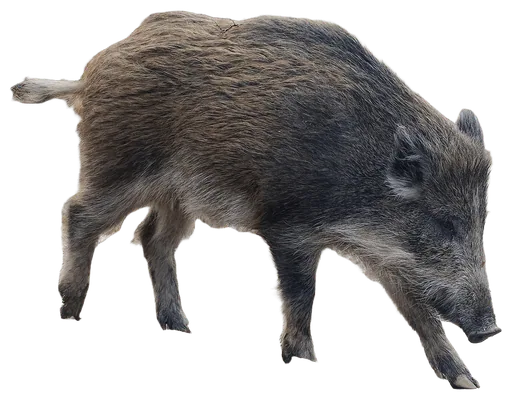
 W vs Wild BoarWins · 58% · Slight edge
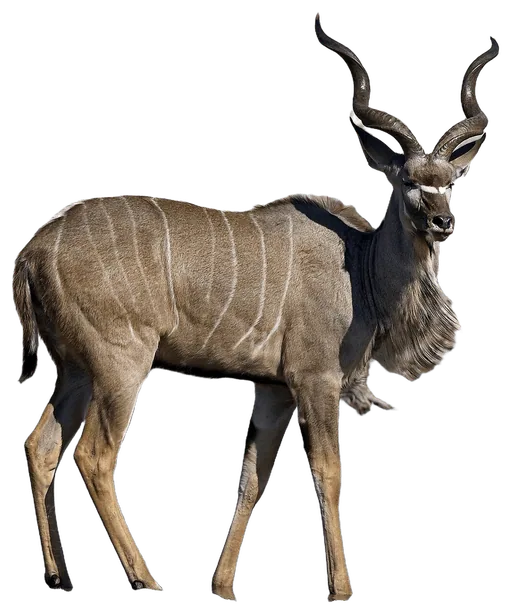
 W vs KuduWins · 54% · Toss-up
 W
Elk battle analysis
A mature bull elk is built for ritualized but genuinely dangerous frontal competition. The rack changes the geometry of a fight before bodies touch: long beams and multiple tines create reach, catch opposing antlers and transmit force into a heavily muscled neck. Bulls advertise and assess through bugling and displays, then escalate to wrestling when neither yields. That makes the elk more tactically structured than a simple charging herbivore.
Absolute scaling matters. At roughly 320 kg the bull is powerful, but it is not a bison, rhinoceros or elephant. Its hide is not armor and its long legs remain vulnerable. Against a smaller terrestrial opponent the rack can dominate access to the head and chest; against a larger or more durable opponent, the elk's lack of mass and protection becomes decisive. Seasonal antler shedding also means the canonical hard-antler rut bull represents the species' strongest normal fighting state rather than a year-round weapon configuration.
Quick answers
How strong is an Elk?
On the Animal Battle Stats scale, the Elk has an attack rating of 62 and a power index of 57.5 out of 100, which ranks it #90 of 344 animals and puts it in B tier (Strong). Its strongest stat is stamina (71).
How much does an Elk weigh?
A typical adult Elk weighs about 320 kg (705 lb). Rated specimen: healthy mature Rocky Mountain-type bull, about 5+ years old, in hard-antler breeding condition.
How fast is an Elk?
There is no reliable measured top speed for the Elk, so we do not publish one. Its agility rating, which covers acceleration, reflexes and evasion, is 59 out of 100.
Is the Elk endangered?
The Elk's conservation status is Extinct.
What animals can beat an Elk?
The Elk is favored against its other closest rivals, including the Arctic Wolf, the Cougar, the Wild Horse, the Brown Hyena, the Giant Otter, the Wild Boar, the Kudu. It is dead even with the Zebra: a draw.
Researched 2026-09-18. Ratings are editorial judgments built from these sources; measurements describe a healthy adult male.
- ~700 lb bulls, ~5 ft shoulder, antler dimensions/growth, rut, diet, ecology, hoof fightingHigh; agency synthesis
- regional size, 7-10 ft adult length, ~15-year average lifespan, senses, antlersHigh-moderate; regional population
- male ~8 ft length, 5 ft shoulder, 700 lb; seasonal habitatHigh; agency natural history
- bull up to ~700 lb, antlers up to ~18 kgHigh; regional
- 171-497 kg, 2.1-2.6 m population variationHigh; subspecies context only
- image provenance, dimensions, sex, rut context, CC BY 2.0High for metadata; full-body not certified
Photo: “Elk in Velvet with Cowbirds (94f43bbb-155d-4519-3e7a-712f84227462).jpg” by NPS Photo, Public domain, background removed and cropped. Original
Suggest a correction