

Elephant Seal
Mirounga leonina
 #23 of 273
  Ocean Titan Least Concern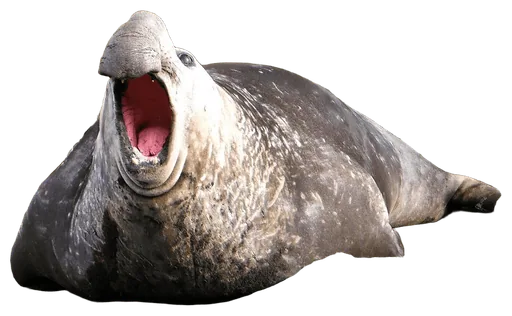
 Fight
FightPhoto: franek2 · CC BY-SA 3.0
The southern elephant seal is the largest seal and the largest carnivoran on Earth, with bulls around 3 tonnes. Rival bulls rear up and slam into each other with bites to the neck, and at sea the species makes near-continuous dives to hundreds of metres, with a record of 2,388 m. It is enormous and very hard to wear down, but slow on land and armed with little beyond teeth and mass.
 Attack64
  Defense76
  Agility42
  Stamina90
  Intelligence58
  Special82
 Detailed ratings
Research-backed ratings on one 0–100 scale for all 273 animals (updated 2026-09-28). How ratings work
Special abilities
Ability 1Abyssal Breath-HoldRoutine dives last 20–30 minutes to 400–800 m, with a record of 2,388 m, backed by twice a land mammal's blood volume and extra haemoglobin. In a battle at sea it can simply go where an opponent cannot follow.
 Ability 2Rear-and-Slam Duel
Bulls rear up on their fore-flippers, then crash down and lunge, biting at a rival's neck with large canines and bearing down with three tonnes of body.
Unique traits
 TraitLargest Carnivoran on Earth
The southern elephant seal is the largest pinniped and the largest member of the order Carnivora, with bulls around 3,000–3,700 kg.
TraitTrunk-Nosed BullAdult males grow an inflatable proboscis used to produce extremely loud roars in the breeding season.
How it fights
Weapons
- The elephant seal's fighting power comes from sheer mass and its canine teeth. Rival bulls rear up on their fore-flippers to tower over each other, then lunge and slam, biting at the neck and leaning their weight against the opponent. Most contests end within a few minutes when one bull retreats. Outside the breeding beach the elephant seal is not a predator of large animals; it eats squid and fish. Its offense is therefore a crushing, biting shove from a 3-tonne body, dangerous at close range but slow and short-reaching.
 Struggles vs
- Very slow and clumsy on land.
- Limited offensive weapons beyond bite and mass.
- No armor; killer whales take weaned pups and occasionally larger seals.
- Not a fast, agile swimmer.
- Low aggression outside the breeding season.
- Weight
- 3 t3.3 US tons
- Height
- No reliable measurement
- Length
- 4.6 m15.1 ft
- Top speed
- No reliable measurement
- Bite force
- No reliable measurement
- Lifespan
- 21 years
- Home biome
- Ocean
- Lifestyle
- Social
Rated specimen: Healthy mature adult male (bull), 3,000.0 kg and 460.0 cm total length, representing a harem-holding bull rather than a record giant.
Fun facts
- The deepest dive recorded for an elephant seal is 2,388 m.
- At sea elephant seals spend up to about 90% of their time underwater, taking breaks of only about two minutes.
- A mature bull can weigh up to ten times as much as a female.
- Elephant seals have about twice the blood volume of a land mammal their size.
- Northern elephant seals, a separate species, were found to sleep only about two hours a day at sea, often while spiralling down during dives.
- The 2023 bird-flu outbreak at Península Valdés killed about 17,000 southern elephant seals.
Closest rivals by power. Tap one for the full breakdown, or pick any opponent.
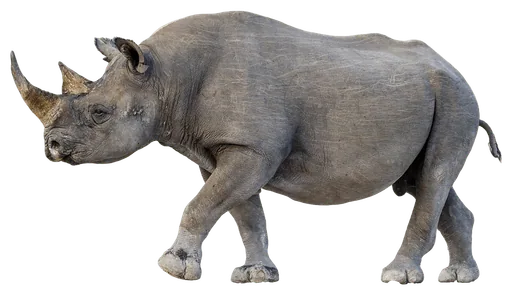
vs Leopard SealWins · 51% · Toss-up 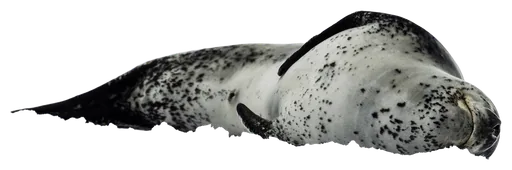 W vs Black RhinocerosLoses · 51% · Toss-up
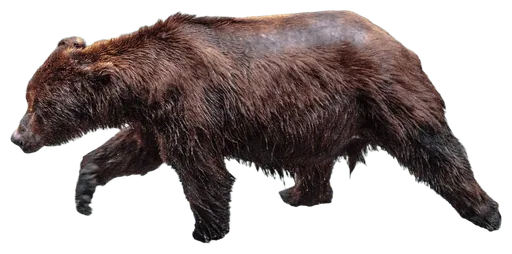
  L vs Kodiak BearLoses · 52% · Toss-up
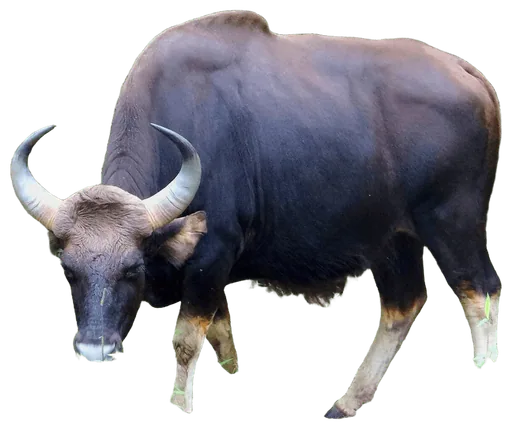
  L vs GaurWins · 52% · Toss-up
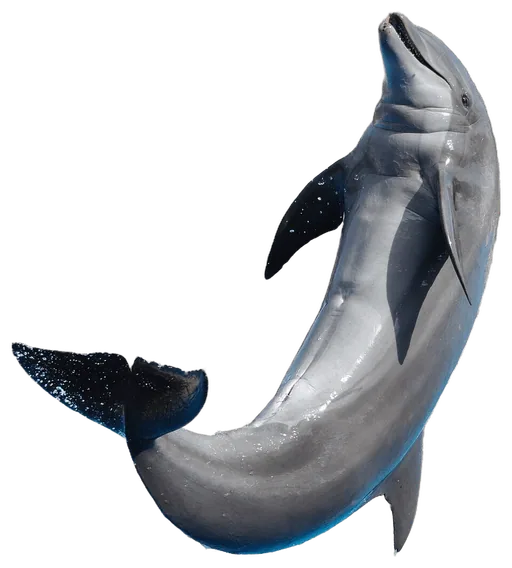
  W vs Bottlenose DolphinWins · 50% · Toss-up
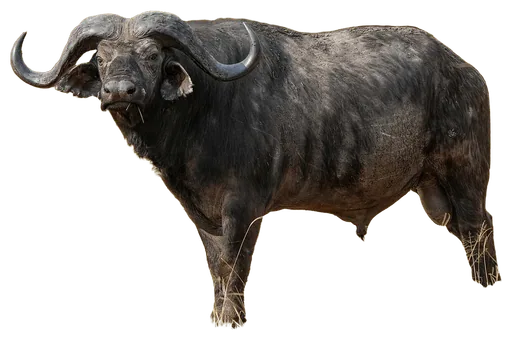
  W vs Cape BuffaloWins · 53% · Toss-up
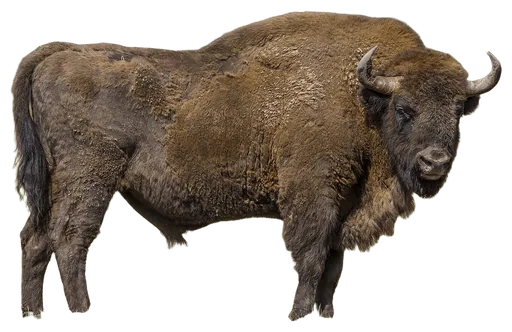
  W vs BisonWins · 53% · Toss-up
  W vs Black CaimanLoses · 50% · Toss-up
  L
L  Pick any opponent
 Elephant Seal battle analysis
On a sub-Antarctic beach in the breeding season, a harem bull is an intimidating sight. Three tonnes of blubber and muscle rears up on its fore-flippers, the swollen trunk-like nose roaring, the chest crashing down on the sand. When displays fail, rival bulls tower over each other and lunge, biting at the neck and leaning with all their weight until one gives way. Most contests are over in minutes, and older, larger bulls usually win access to the females.
At sea the same animal becomes one of the most extreme divers on the planet. For months it barely stops diving, spending up to about 90% of its time underwater and surfacing for only a couple of minutes between dives that routinely reach hundreds of metres. It has been recorded at 2,388 m. Twice the blood volume of a land mammal, extra haemoglobin and oxygen-rich muscles make this possible. The ocean has few places an elephant seal cannot go, and few animals that can follow it there.
In ABS terms the elephant seal is a titan built for endurance rather than killing. Its Stamina and Special are near the top of the roster because of its diving physiology, and its Defense is high because of its sheer mass and blubber. Its Attack is moderate because its weapons are limited to canine bites and body slams, and its Agility is low. Killer whales can still take elephant seals, especially young ones, but a full-grown bull in deep water is one of the hardest animals in the ocean to catch or wear down.
Habitat & range
Southern elephant seals breed on sub-Antarctic islands such as South Georgia, Kerguelen and Marion, and on the Península Valdés coast of Argentina. At sea they range across the Southern Ocean to the Antarctic ice edge, foraging along boundaries between water masses.
Diet & hunting
They eat mainly squid, including glacial squid and smooth hooked squid, and a range of fish, caught during deep dives. Killer whales prey on elephant seals, with high success against newly weaned pups and much lower success against older animals.
Social life
On land during breeding, dominant bulls hold harems of females, from a few dozen to several hundred at large colonies, while lower-ranking males wait at the edges. At sea elephant seals travel and feed alone.
Conservation
The species is listed as Least Concern on the IUCN Red List. The global population was estimated at about 650,000 in the mid-1990s and 664,000–740,000 in 2005, with recent summaries near 700,000, though trends differ between breeding populations. In 2023 highly pathogenic avian influenza H5N1 killed an estimated 17,000 southern elephant seals at Península Valdés, including at least 95–96% of pups in surveyed areas, with evidence of mammal-to-mammal spread. Population models predict a long recovery for that colony.
Quick answers
How strong is an Elephant Seal?
On the Animal Battle Stats scale, the Elephant Seal has an attack rating of 64 and a power index of 68.5 out of 100, which ranks it #23 of 273 animals and puts it in A tier (Elite). Its strongest stat is stamina (90).
How much does an Elephant Seal weigh?
A typical adult Elephant Seal weighs about 3 t (3.3 US tons). Rated specimen: healthy mature adult male (bull), 3,000.0 kg and 460.0 cm total length, representing a harem-holding bull rather than a record giant.
How fast is an Elephant Seal?
There is no reliable measured top speed for the Elephant Seal, so we do not publish one. Its agility rating, which covers acceleration, reflexes and evasion, is 42 out of 100.
What does an Elephant Seal eat?
They eat mainly squid, including glacial squid and smooth hooked squid, and a range of fish, caught during deep dives. Killer whales prey on elephant seals, with high success against newly weaned pups and much lower success against older animals.
Is the Elephant Seal endangered?
No. The Elephant Seal is listed as Least Concern. The species is listed as Least Concern on the IUCN Red List. The global population was estimated at about 650,000 in the mid-1990s and 664,000–740,000 in 2005, with recent summaries near 700,000, though trends differ between breeding populations. In 2023 highly pathogenic avian influenza H5N1 killed an estimated 17,000 southern elephant seals at Península Valdés, including at least 95–96% of pups
What animals can beat an Elephant Seal?
Among its closest rivals, the Black Rhinoceros (51%), the Kodiak Bear (52%), the Black Caiman (50%) would be favored against the Elephant Seal. It would be favored against the Leopard Seal, the Gaur, the Bottlenose Dolphin, the Cape Buffalo, the Bison.
Researched 2026-09-28. Ratings are editorial judgments built from these sources; measurements describe a healthy adult male.
- Animal Diversity Web, Mirounga leoninamass, length, diet, lifespan
- Wikipedia, Southern elephant sealbull mass and length, largest carnivoran, population
- Bell et al. (1997), body mass by photogrammetry and morphometrics (ResearchGate)mass method
- Aggression and sexual activity of male southern elephant seals (ResearchGate)fighting, dominance
- Journal of Zoology (2022), where are the beachmasters?harem structure
- Discover Wildlife, bull elephant seal fightfight mechanics
- Rival assessment among northern elephant seals (PMC)display and learning
- CSIRO, the ocean's deepest diving animals (2023)record dive
- Discover Wildlife, southern elephant seal factsdiving physiology
- The diving and ranging behaviour of southern elephant seal bulls (CORE)routine diving
- Oceanwide Expeditions, southern elephant sealroutine dives
- UC Santa Cruz news (2023), elephant seals sleep while divingsleep at sea
- Extreme polygyny and intersex differences in survival (PMC)lifespan by sex
- Foraging fidelity and longevity in male southern elephant seals (PMC)tactics, longevity
- Nature Communications (2024), H5N1 outbreak in elephant seals in Argentinaconservation
- WCS newsroom (2025), avian influenza setback for Patagonian elephant sealsconservation
- Mongabay (2026), southern elephant seals recover in southern Africapopulation trend
- Jefferson et al. (1991), review of killer whale interactions with other marine mammalspredators
- Sea Lion Island elephant seal project, killer whale huntingpredation success
Photo: “Éléphant de mer mâle - panoramio.jpg” by franek2, CC BY-SA 3.0, background removed and cropped. Original
Suggest a correction