
Electric Eel
Electrophorus electricusB tier · Strong28th of 51 sea creatures
Size & speed

- Weight
- 15 kg33 lb
- Length
- 2 m6.6 ft
As heavy as 3.3 house cats
Heavier than 50% of animalsAbout as long as a person is tall
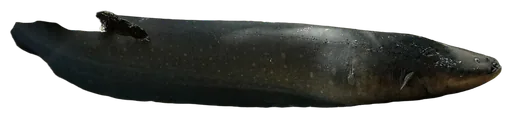
Bigger than 71% of animalsThe electric eel Electrophorus electricus is a large South American knifefish whose real weapon is a biological electrical system. A representative adult is modeled here at 15 kg and 2 m. It uses weak pulses to sense its surroundings and high-voltage volleys to force prey muscles to contract, reveal hidden targets and stun prey before biting. Modern taxonomy is crucial: the 860-volt world record belongs to E. voltai, while E. electricus has a measured species-specific discharge of 480 V. Its electricity earns an extreme Special score, but its unarmored body and moderate size keep ordinary physical Attack and Defense far below megafaunal fighters.
Detailed ratings
Research-backed ratings on one 0–100 scale for all 344 animals (updated 2026-09-27). How ratings work


Card No. 125 of 344. Every animal on Animal Battle Stats has one: its power, tier and archetype on the front; its six battle stats, abilities and signature move on the back.
Special abilities
High-voltage millisecond pulses remotely activate prey motor neurons and muscles; full volleys can induce tetanic immobilization, while brief pulse sequences can force hidden prey to twitch and reveal itself.
After biting difficult prey, the eel curls its tail toward its head around the target, concentrating the electric field and more than doubling the electrical effect received in experimental trials.
Unique traits
Weak electric organ discharges and electroreception provide active short-range sensing and communication in dark, turbid water.
A vascularized oral surface permits atmospheric respiration, allowing survival in oxygen-poor pools that constrain many other fishes.
How it fights
Weapons
- The electric organ is the dominant weapon. Catania's experiments showed that high-voltage volleys remotely activate motor neurons and force whole-body prey contraction. When prey is concealed, brief doublets/triplets can induce an involuntary twitch that reveals its location, followed by a full immobilizing volley. This is not merely a passive stun: the eel actively uses electricity as both a search tool and neuromuscular weapon.
- For difficult struggling prey, an eel can bite and curl so that its head and tail approach opposite sides of the target. This dipole attack concentrates the electric field and more than doubles the electrical effect received by prey in experiments, producing repeated involuntary contractions and fatigue. The jaws then secure/swallow prey, but they are secondary to electricity.
Struggles vs
- Electricity is strongly environment/circuit dependent; dry-land combat is biologically inappropriate.
- No armor and limited passive protection if an opponent survives the shock and secures a damaging bite/strike.
- Requires periodic access to atmospheric air.
- No evidence for exceptional high-speed pursuit.
- Electrical output is powerful but not an infinite continuous beam; attack behavior uses pulses/volleys.
- Weight
- 15 kg33 lb
- Height
- No reliable measurement
- Length
- 2 m6.6 ft
- Top speed
- No reliable measurement
- Bite force
- No reliable measurement
- Lifespan
- 15 years
- Home biome
- Wetlands
- Lifestyle
- Mostly solitary
Rated specimen: Healthy mature large adult, 15.0 kg and 200.0 cm standard/functional body length.
Fun facts
- The famous 860 V record is not this species: it belongs to Electrophorus voltai. Modern species-specific work measured 480 V in E. electricus.
- Electric eels can make hidden prey betray themselves by electrically forcing an involuntary twitch.
- Curling around struggling prey can more than double the electrical effect delivered to it.
- A defensive eel can rise partly out of the water against a conductive threat, increasing the fraction of current routed through the target.
- Electric eels are knifefishes, not true eels.
- The long anal fin can propel the animal forward or backward with fine control.
Closest rivals by power. Tap one for the full breakdown, or pick any opponent.
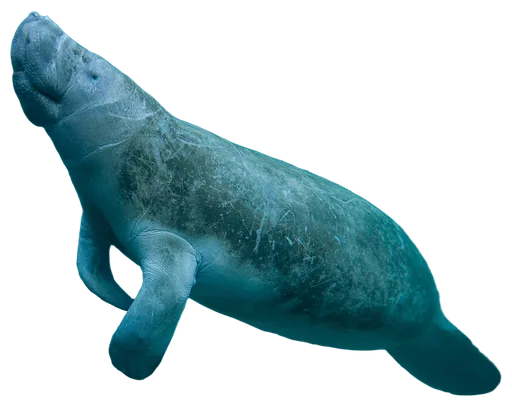
vs Moray EelLoses · 54% · Toss-up 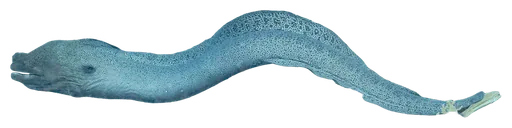 L vs ManateeLoses · 68% · Slight edge
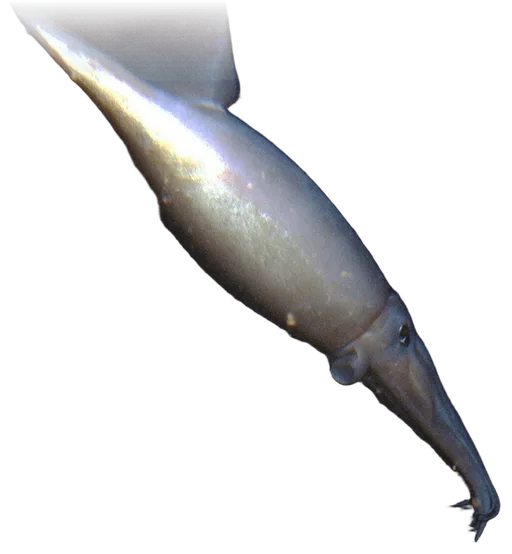
 L vs Humboldt SquidLoses · 51% · Toss-up
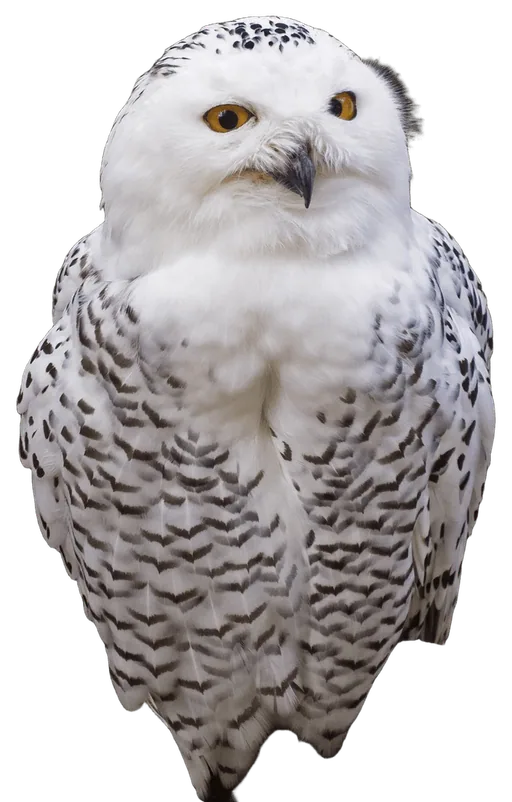
 L vs Snowy OwlWins · 61% · Slight edge
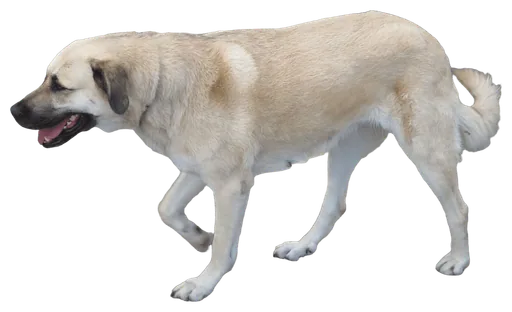
 W vs KangalLoses · 57% · Toss-up
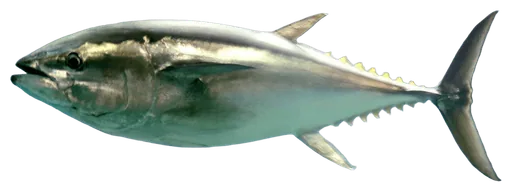
 L vs TunaLoses · 66% · Slight edge
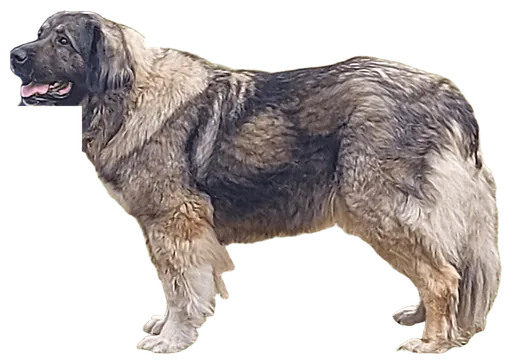
 L vs Caucasian Shepherd DogLoses · 58% · Slight edge
 L vs Belgian MalinoisLoses · 54% · Toss-up
 L
Electric Eel battle analysis
Few animals separate body size from weapon effect as dramatically as an electric eel. Mechanically, a 15 kg E. electricus is not a heavyweight. It has no armor, tusks, talons or giant crushing jaws. In water, however, it carries a weapon that attacks the opponent's neuromuscular system before the jaws ever make contact.
Experiments transformed the old idea of an eel simply 'shocking' prey into a much more precise picture. Brief high-voltage pulse sequences can make concealed prey twitch. The eel detects the resulting movement, closes in, and follows with a high-frequency volley that drives involuntary whole-body contraction. If the target struggles after being seized, the eel can curl its electric poles around it and intensify the field. The result is a predator whose electricity serves sensing, targeting, immobilization and defense.
That does not make every statistic elite. It is not a fast pursuit fish, has little passive armor and must surface for air. Its greatest advantages are strongest in water and depend on electrical geometry. ABS therefore keeps Raw Power and Defense moderate-to-low while allowing Special and Senses to reflect a genuinely extraordinary biological system.
Habitat & range
Under the post-2019 taxonomy, E. electricus is associated with the Guiana Shield portion of northern South America. Electric eels occupy slow, quiet freshwater such as streams, pools, side channels and flooded habitats, often in turbid, oxygen-poor conditions. Older broad Amazon/Orinoco range statements should be treated cautiously because they often combine all three modern Electrophorus species.
Diet & hunting
The species is carnivorous. Adults take fishes and other aquatic prey; electrical sensing allows hunting where visibility is poor. It functions as a substantial freshwater predator, but the profile avoids transferring the spectacular group-hunting observations of E. voltai to E. electricus.
Social life
Electric eels are generally described as solitary outside breeding contexts. ADW reports dry-season spawning, external fertilization, male nest defense and male parental care. Captive longevity differs by sex, with females reported to outlive males on average. Wild longevity remains unresolved.
Conservation
E. electricus is currently treated as Least Concern in major species databases, but taxonomic revision matters when interpreting older abundance and range information.
Quick answers
How strong is an Electric Eel?
On the Animal Battle Stats scale, the Electric Eel has an attack rating of 49 and a power index of 53.9 out of 100, which ranks it #125 of 344 animals and puts it in B tier (Strong). Its strongest stat is special (98).
How much does an Electric Eel weigh?
A typical adult Electric Eel weighs about 15 kg (33 lb). Rated specimen: healthy mature large adult, 15.0 kg and 200.0 cm standard/functional body length.
How fast is an Electric Eel?
There is no reliable measured top speed for the Electric Eel, so we do not publish one. Its agility rating, which covers acceleration, reflexes and evasion, is 66 out of 100.
What does an Electric Eel eat?
The species is carnivorous. Adults take fishes and other aquatic prey; electrical sensing allows hunting where visibility is poor. It functions as a substantial freshwater predator, but the profile avoids transferring the spectacular group-hunting observations of E. voltai to E. electricus.
Is the Electric Eel endangered?
No. The Electric Eel is listed as Least Concern. E. electricus is currently treated as Least Concern in major species databases, but taxonomic revision matters when interpreting older abundance and range information.
What animals can beat an Electric Eel?
Among its closest rivals, the Moray Eel (54%), the Manatee (68%), the Humboldt Squid (51%), the Kangal (57%), the Tuna (66%), the Caucasian Shepherd Dog (58%), the Belgian Malinois (54%) would be favored against the Electric Eel. It would be favored against the Snowy Owl.
Researched 2026-09-27. Ratings are editorial judgments built from these sources; measurements describe a healthy adult.
- de Santana et al. 2019, Nature CommunicationsTaxonomy, voltage
- FishBaseSize, distribution, morphology, voltage
- Smithsonian National ZooAnatomy, habitat, communication, longevity
- Animal Diversity WebReproduction, behavior, lifespan
- Catania 2014, SciencePredatory shock mechanism
- Catania 2015, Nature CommunicationsTracking
- Catania 2015, Current BiologyDipole attack
- Catania 2015, Brain Behavior and EvolutionRemote prey control
- National AquariumLocomotion, air breathing
- Bastos et al. 2021Species-conflict control
- Wikimedia Commons, ZakletskyImage candidate
Photo: “Gymnote 1005984.jpg” by G.Garitan, CC BY-SA 4.0, background removed and cropped. Original
Suggest a correction