

Eastern Brown Snake
Pseudonaja textilis
 #127 of 273
  Savanna Assassin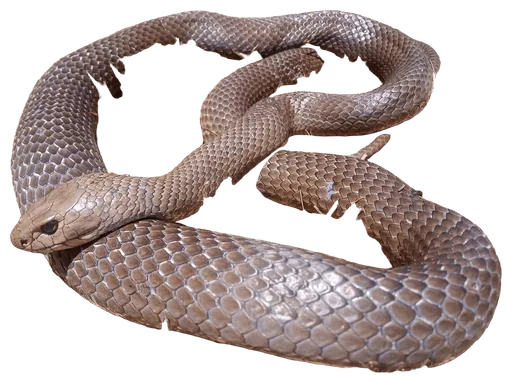
 Fight
FightPhoto: Xyxyzyz · CC0
The eastern brown snake is a fast, slender Australian snake whose venom sets off runaway blood clotting and can cause sudden collapse. Its venom is among the most toxic of any snake, and it causes more snakebite deaths in Australia than any other species. Yet at about a kilogram it is physically fragile, and it usually warns before it strikes.
 Attack60
  Defense17
  Agility79
  Stamina46
  Intelligence38
  Special93
 Detailed ratings
Research-backed ratings on one 0–100 scale for all 273 animals (updated 2026-09-28). How ratings work
Special abilities
Ability 1Clot-Cascade VenomA prothrombin activator that mimics the body's own clotting enzymes sets off runaway clotting, using up clotting factors and, in rodent tests, causing instant circulatory failure. Pre- and postsynaptic neurotoxins add paralysis.
 Ability 2Warning-Then-Strike Defense
The snake raises its neck in a threat display and usually warns before it strikes. Many defensive strikes carry little venom, but a committed bite is extremely dangerous.
Unique traits
 TraitFarmland Rat Hunter
It thrives in farmland and disturbed land, where introduced rats and mice are its favorite prey, which puts it close to people.
TraitWarm-Weather RacerIt moves surprisingly fast on hot days, and field trials show its defensive behavior changes with body temperature.
How it fights
Weapons
- The primary weapon is a front-fanged bite delivering a venom built around a prothrombin activator. It triggers runaway clotting that uses up the blood's clotting factors, and it can cause sudden cardiovascular collapse. Pre- and postsynaptic neurotoxins add paralysing effects. The secondary weapon is speed and a fast, well-aimed strike from a raised neck posture.
 Struggles vs
- Very low body mass and no armor.
- Many defensive strikes deliver little venom.
- Performance drops when cold.
- No constriction or mechanical weapon to hold a large opponent.
- Weight
- 1 kg2 lb
- Height
- No reliable measurement
- Length
- 1.5 m4.9 ft
- Top speed
- No reliable measurement
- Bite force
- No reliable measurement
- Lifespan
- No reliable measurement
- Home biome
- Savanna
- Lifestyle
- Mostly solitary
Rated specimen: Healthy robust adult, 1.0 kg and 150 cm total length, sex unspecified.
Fun facts
- Its venom has been described as the second most toxic snake venom known.
- Its prothrombin activator closely copies the body's own clotting enzymes (activated factor X bound to factor V).
- In harassment trials, only about 15% of its strikes had the potential to cause a serious envenomation.
- It usually gives a warning display before it strikes.
- Brown snakes caused 23 of 35 Australian snakebite deaths recorded from 2000 to 2016.
- The largest reliably measured eastern brown snake was 2013 mm long.
Closest rivals by power. Tap one for the full breakdown, or pick any opponent.
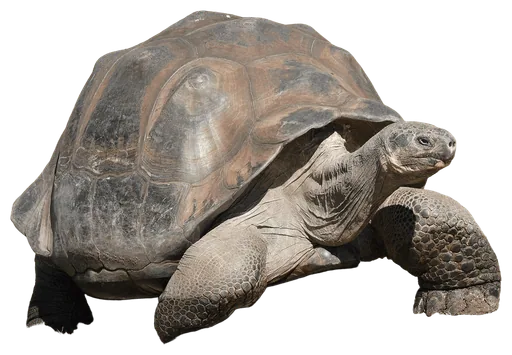
vs Inland TaipanLoses · 50% · Toss-up  L vs Galapagos TortoiseLoses · 51% · Toss-up
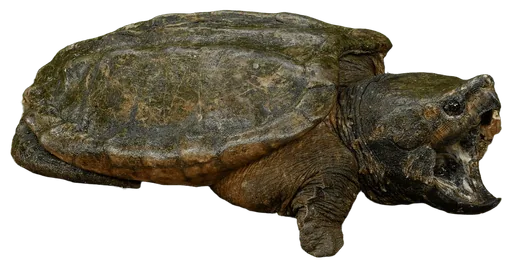
  L vs Alligator Snapping TurtleWins · 51% · Toss-up
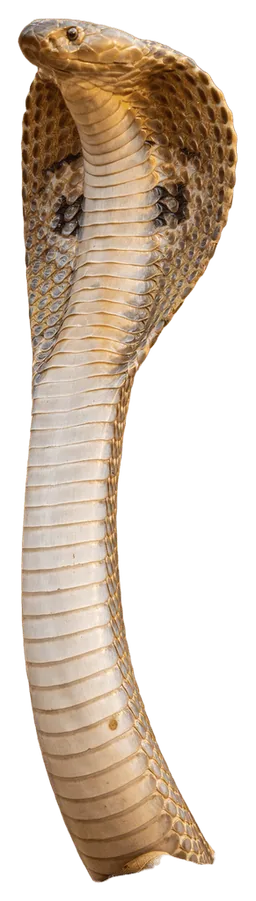
  W vs Indian CobraWins · 51% · Toss-up
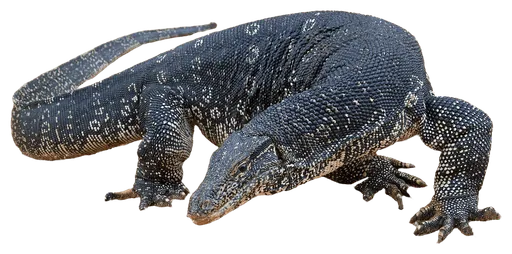
  W vs Monitor LizardLoses · 52% · Toss-up
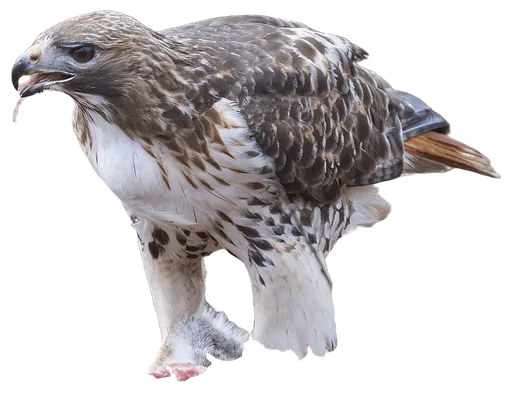
  L vs Red-tailed HawkLoses · 50% · Toss-up
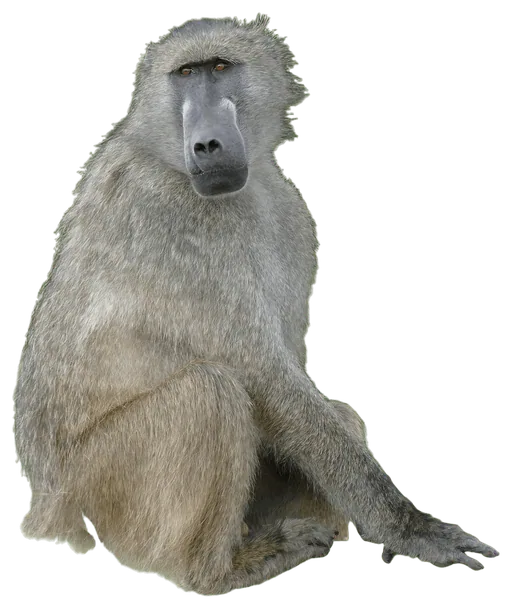
  L vs BaboonWins · 50% · Toss-up
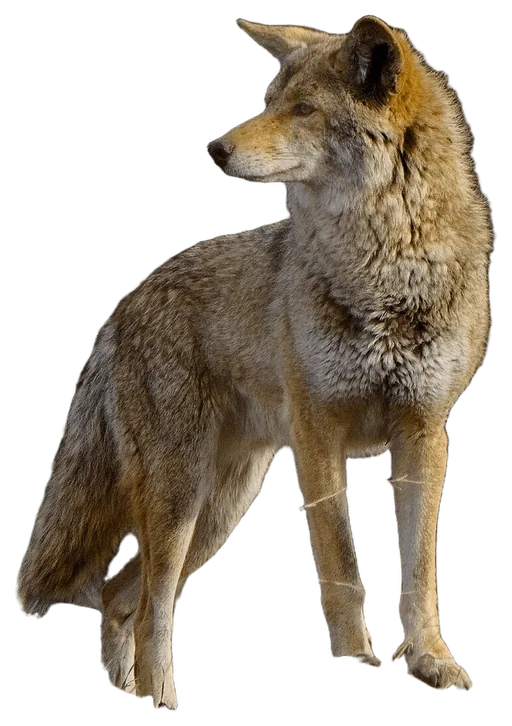
  W vs CoyoteWins · 50% · Toss-up
  W
W  Pick any opponent
 Eastern Brown Snake battle analysis
The eastern brown snake shows why venom mechanism matters more than size for snakes. At around 1.5 m and a kilogram it is light and unarmored, with almost no raw strength. What makes it dangerous is a venom that attacks the blood itself: a prothrombin activator that copies the body's own clotting enzymes, starting a runaway clotting reaction that uses up the clotting factors and can collapse circulation. Rodents injected with this protein suffered instant circulatory failure.
Its behavior is more measured than its reputation. When researchers harassed brown snakes under controlled conditions, the snakes were surprisingly tolerant, usually warned before striking, and delivered potentially serious bites in only about 15% of strikes. The raised neck display is a warning first and a launch position second.
The snake's danger to people comes from where it lives. It thrives in farmland and suburban edges full of mice and rats, so people meet it often, and bites typically happen when someone tries to kill or catch it. For battle ratings, its strengths are a fast, agile body and a venom that can drop much bigger animals. Its weaknesses are a fragile body, small and often partial venom doses, and dependence on warm weather.
Habitat & range
Eastern brown snakes live throughout much of eastern Australia and in parts of southern New Guinea. They use coastal heath, dry sclerophyll forest and woodland, and are frequently found in grassland, farmland and other disturbed land.
Diet & hunting
Mostly small mammals, especially introduced house mice and rats, plus frogs, reptiles, reptile eggs and birds. Farmland with abundant rodents supports good numbers of brown snakes, which in turn control pests.
Social life
Solitary outside breeding.
Conservation
The IUCN Red List category was not confirmed in this pass. The species is widespread and common in eastern Australia, including heavily modified farmland. Radio-tracking in the Murrumbidgee Irrigation Area found human-related causes among the main sources of death for large elapids there, and Shine (2024) argues that farmers should not kill venomous snakes.
Quick answers
How strong is an Eastern Brown Snake?
On the Animal Battle Stats scale, the Eastern Brown Snake has an attack rating of 60 and a power index of 52.1 out of 100, which ranks it #127 of 273 animals and puts it in B tier (Strong). Its strongest stat is special (93).
How much does an Eastern Brown Snake weigh?
A typical adult Eastern Brown Snake weighs about 1 kg (2 lb). Rated specimen: healthy robust adult, 1.0 kg and 150 cm total length, sex unspecified.
How fast is an Eastern Brown Snake?
There is no reliable measured top speed for the Eastern Brown Snake, so we do not publish one. Its agility rating, which covers acceleration, reflexes and evasion, is 79 out of 100.
What does an Eastern Brown Snake eat?
Mostly small mammals, especially introduced house mice and rats, plus frogs, reptiles, reptile eggs and birds. Farmland with abundant rodents supports good numbers of brown snakes, which in turn control pests.
What animals can beat an Eastern Brown Snake?
Among its closest rivals, the Inland Taipan (50%), the Galapagos Tortoise (51%), the Monitor Lizard (52%), the Red-tailed Hawk (50%) would be favored against the Eastern Brown Snake. It would be favored against the Alligator Snapping Turtle, the Indian Cobra, the Baboon, the Coyote.
Researched 2026-09-28. Ratings are editorial judgments built from these sources; measurements describe a healthy adult.
- Australian Museum, Eastern Brown Snakelength, venom effects, death toll
- Whitaker et al. 2000, Functional Ecologydefensive behavior
- Macquarie University record of the same studydefensive behavior
- Venomics of the eastern brown snake (Toxicon 2015, PubMed)potency and clinical effects
- Molecular diversity in brown snake venom (PubMed)composition
- Population divergence in P. textilis venom bioactivity (PMC 2013)prey incapacitation, population variation
- X Marks the Clot (Toxins 2025, PMC)prothrombin activator structure
- Rapid cardiovascular collapse vs prolonged hypotension (PMC)clinical mechanism
- Clinical relevance of brown snake factor V (Blood 2009)clotting mechanism
- Museums Victoria species recordhabitat
- Queensland Museum, Eastern Brown Snakeidentity and range
- Australian Geographic fact filegeneral biology
- Australian Reptile Park, Eastern Brown Snakespeed
- University of Melbourne AVRU, Brown snakesclinical context
- Wikipedia, Eastern brown snakelength band, diet, reproduction, NCIS death figure
- Sources of Mortality of Large Elapid Snakes in an Agricultural Landscapeecology, conservation
- Shine 2024, Animal Conservationhuman interaction
- A-Z Animals, Eastern Brown Snakemass
- A-Z Animals, largest brown snake ever recordedmass ceiling
- Commons, Eastern Brown Snake 8582601994image candidate
Photo: “Pseudonaja textilis - Werrington Sydney 2023. g.jpg” by Xyxyzyz, CC0, background removed and cropped. Original
Suggest a correction